

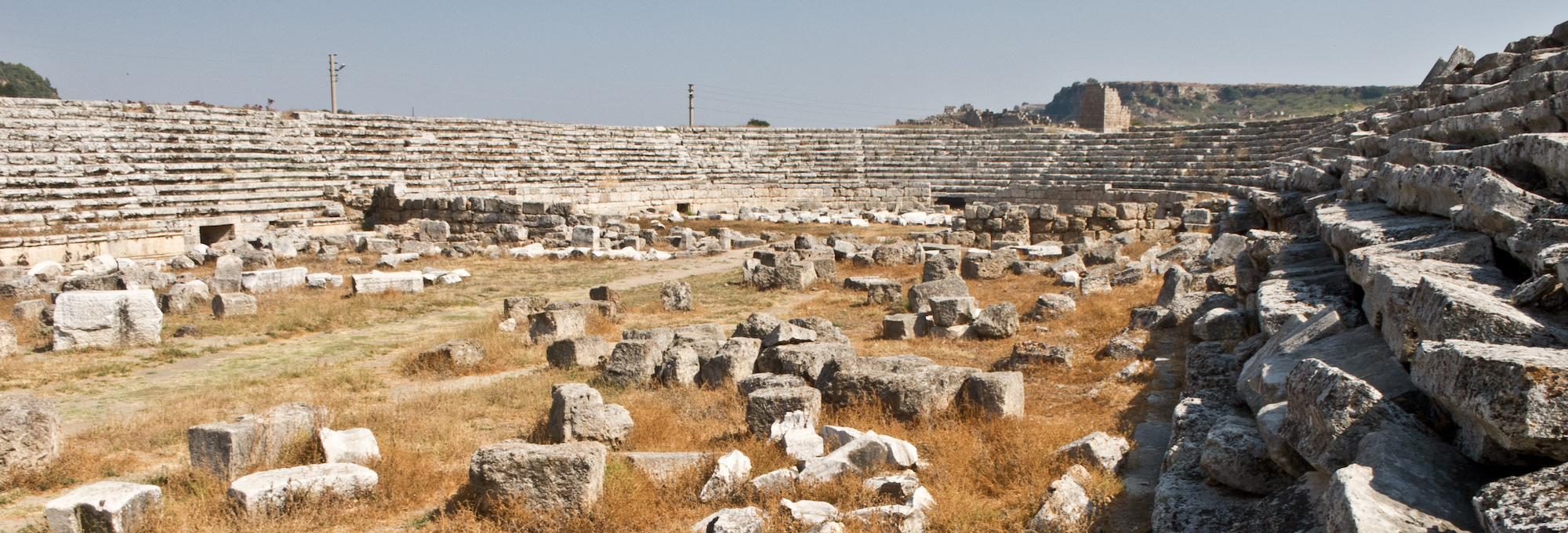
ANTALYA, TURKEY—The first-century A.D. stadium in the ancient city of Perge was converted into an amphitheater and used for executions involving wild animals during the third century, Hürriyet Daily News reports. Located in southwestern Turkey, Perge was founded by the Lycians in the twelfth century B.C., and was later inhabited by the Greeks. Aytaç Dönmez of Istanbul University said that the city’s stadium originally measured about 800 feet long. Then, to make the structure suitable for Roman-style entertainment, the northern section was enclosed to form an arena. “We realized that some of the pedestal remains uncovered during the excavations were bases for platforms and crosses used in executions known as ‘Damnatio ad Bestias,’ where prisoners were put to death in arenas during the Roman period,” Dönmez said. A guillotine-style gate system was also added to release wild animals into the space. It likely produced a more sudden and dramatic effect for the spectators than the system at the Colosseum in Rome, where animals were lifted into the arena from underground chambers, Dönmez added. Scenes of execution by wild animals were also found on ceramic fragments at the site. “Chariot racing was also popular in Rome, so we are currently focusing on the possibility that part of the track may have been adapted for such races,” Dönmez concluded. To read more about gladiatorial combat in ancient Anatolia, go to "Let the Games Begin."
Ancient Stadium of Perge Was Remodeled for Roman Entertainments
News May 19, 2026
Recommended Articles
Digs & Discoveries November/December 2026
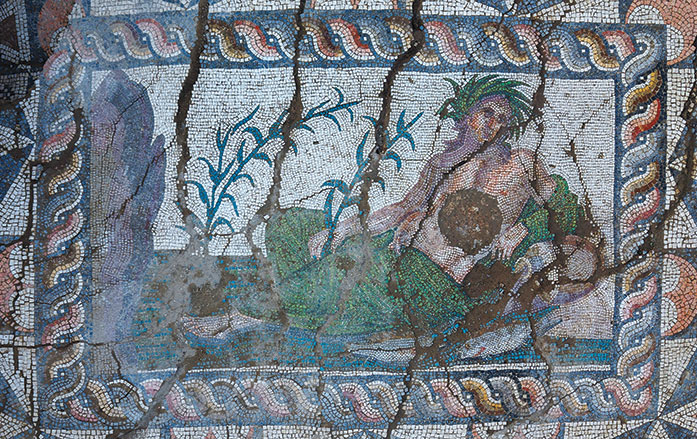
Reclining with the River God
Features January/February 2026
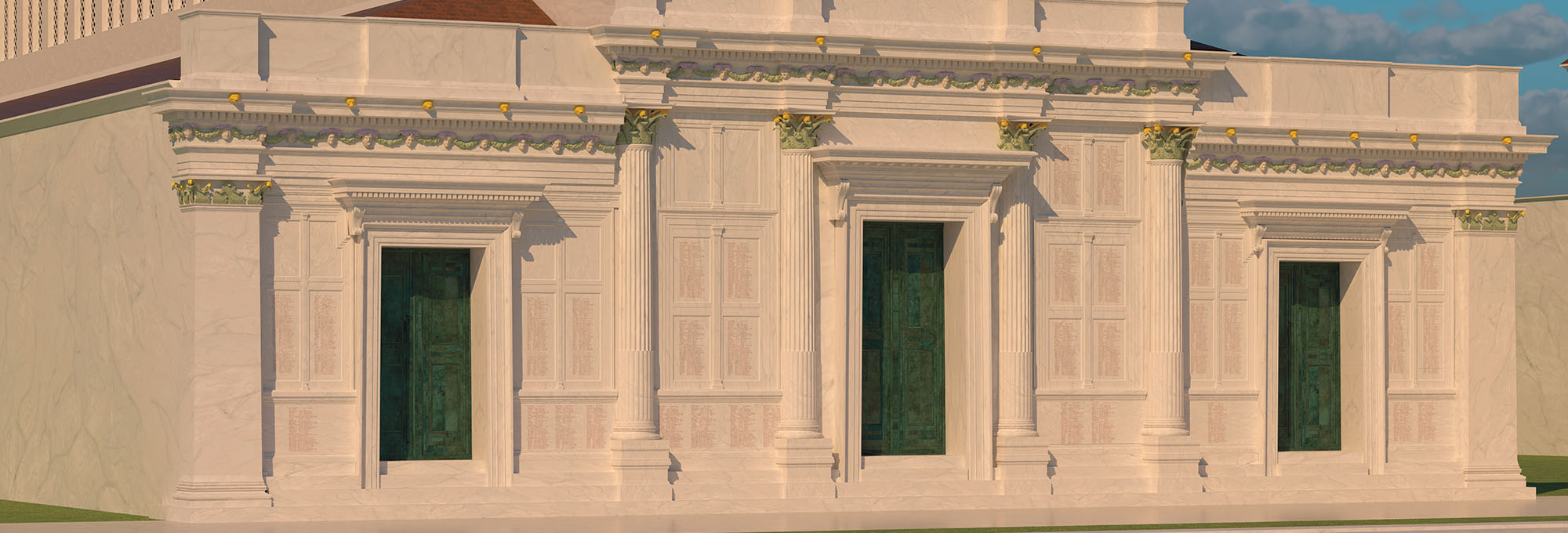
The Cost of Doing Business
Piecing together the Roman empire’s longest known inscription—a peculiarly precise inventory of prices
Digs & Discoveries September/October 2025
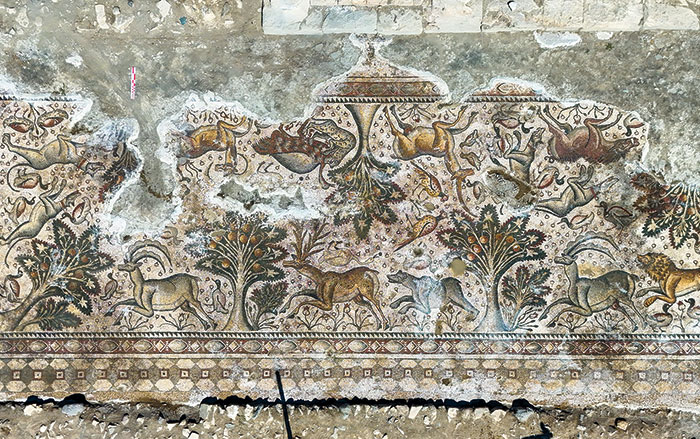
A Day at the Hunt
Digs & Discoveries May/June 2022
Canyon of the Ancestors

More to Discover
Features May/June 2026
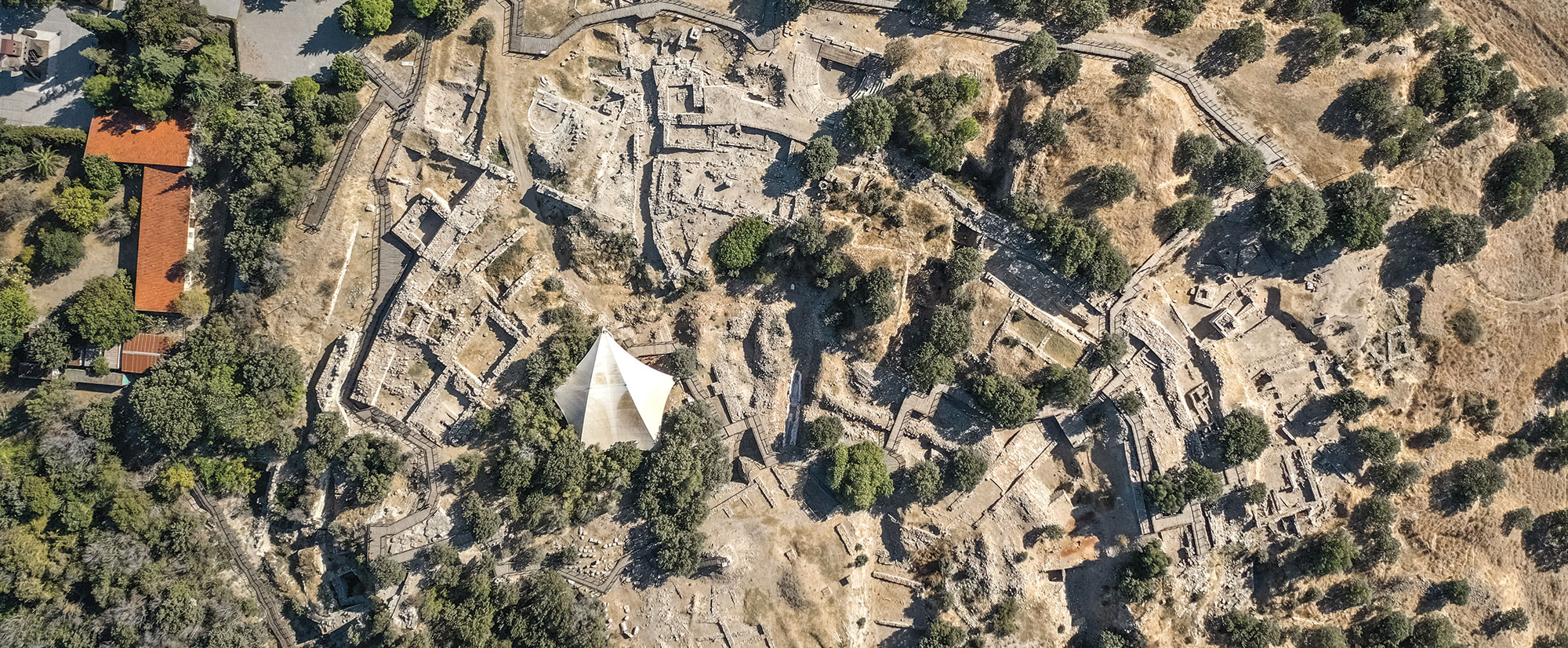
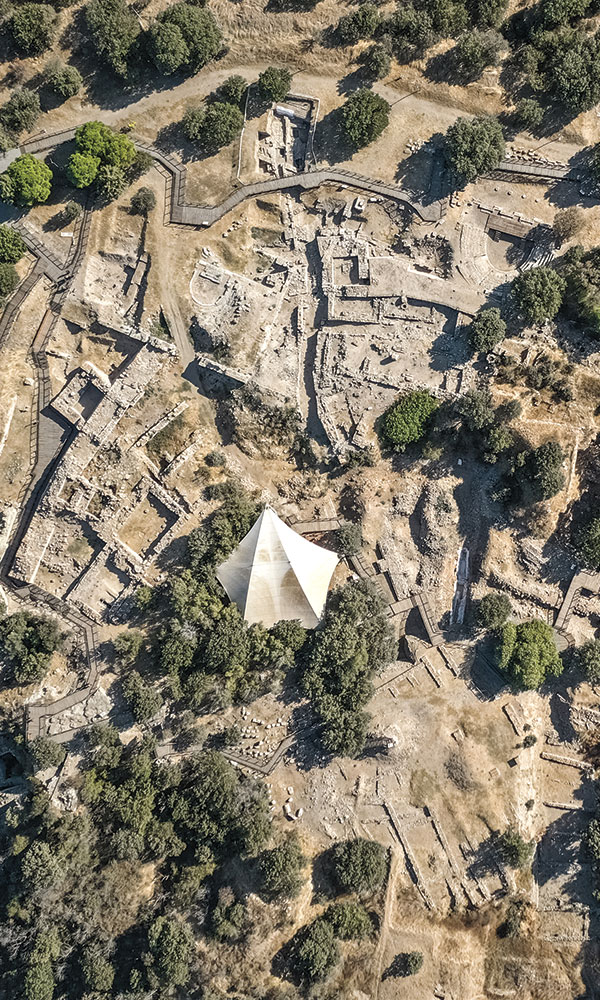
The Unexpected World of the Odyssey
Discovering the surprising inspirations behind Homer’s great tales of the Trojan War
-
Features May/June 2026
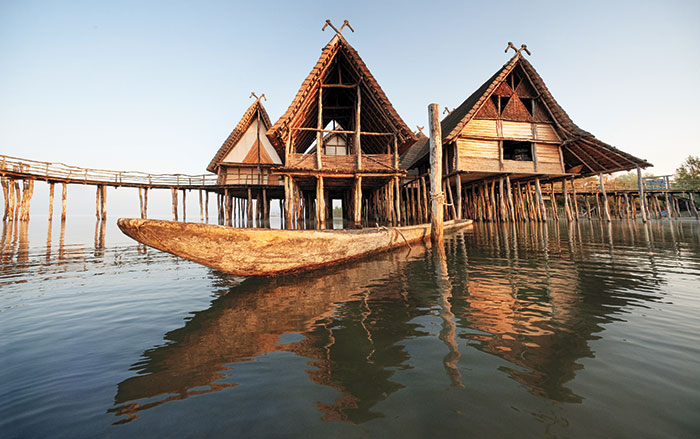
Pioneers of Lakefront Living
Why Neolithic and Bronze Age farmers in the Alps built their villages on stilts
 © APM/Frank Müller
 -
Features May/June 2026
The Last Maya Kingdom
On the shores of a lake in Guatemala, the Itzá people defied the Spanish for nearly 200 years
 Courtesy Timothy Pugh/Itzá Archaeological Project
 -
Features May/June 2026
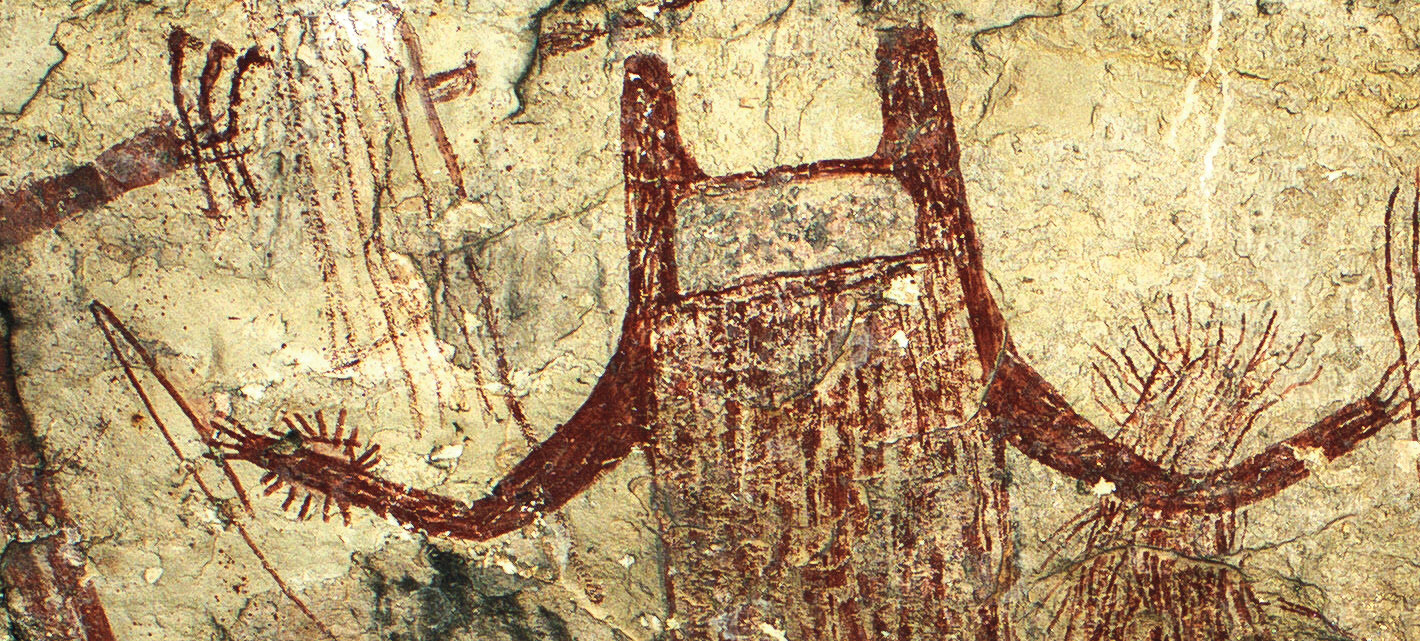
Art for the Ages
A surreal style of painting endured for 4,000 years in the canyonlands of West Texas
 Shumla Archaeological Research and Education Center Archive
 -
Features May/June 2026
Bridge to the Past
The Yellow River brought both prosperity and calamity to China’s dazzling medieval capital
 Henan Provincial Institute of Cultural Heritage and Archaeology