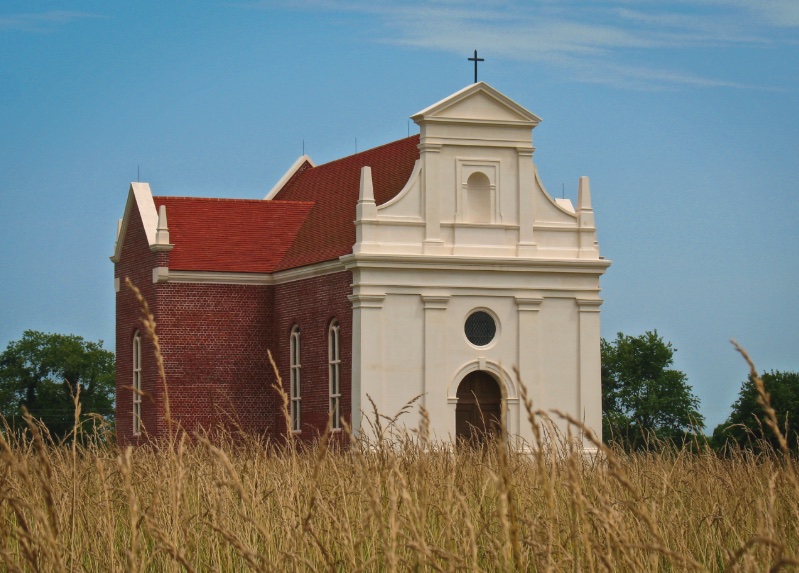
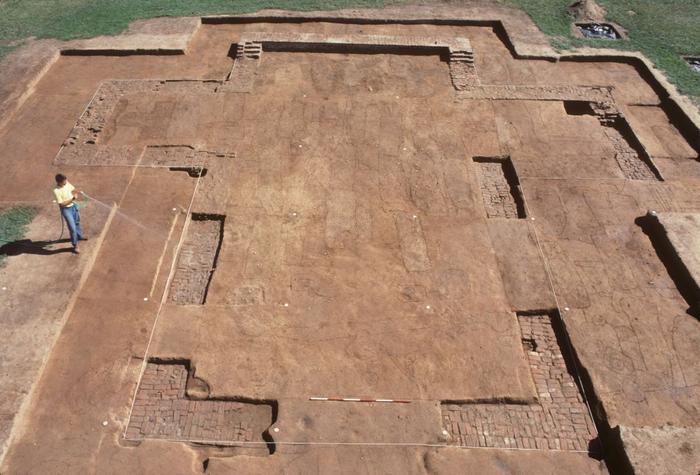
ST. MARY’S CITY, MARYLAND—According to a Live Science report, scientists including Éadaoin Harney of the 23andMe Research Institute, Douglas Owsley of the Smithsonian’s National Museum of Natural History, and David Reich of Harvard University examined DNA samples taken from skeletons uncovered in the cemetery at the site of the Brick Chapel in St. Mary’s City, the capital of the British colony of Maryland founded by religious dissenters in 1634. The samples were taken from the remains of 49 people who were buried at the site between 1634 and 1730. The researchers identified the remains of Thomas Greene, the second colonial governor of Maryland, and Philip Calvert, the fifth governor of the colony, through comparison with information held in a genetic database and genealogical records. The study also found that many of these individuals had ancestral ties to people living in Wales and western England. A boy estimated to have been about eight years old at the time of death was found to have African and European ancestry. His body was wrapped in a shroud and placed in a gable-lidded coffin. Analysis of isotopes in his bones revealed that he was born in America. Meanwhile, the remains of two men in their 20s at the time of death have been identified as indentured servants, since both skeletons bore evidence of heavy physical labor and poor health, and neither of them was buried in a coffin. Read the original scholarly article about this research in Current Biology. To read more about excavations at Historic St. Mary's City, go to "Maryland's First Fort."