

BARCELONA, SPAIN—Analysis of 115,000-year-old marine mollusk remains from southeastern Spain’s Los Aviones Cave suggests that Neanderthals followed a seasonal pattern when collecting shellfish, according to a statement released by the Autonomous University of Barcelona. Such seasonal planning had previously been thought to be a skill possessed solely by modern humans. Researchers led by Asier García-Escárzaga of the Autonomous University of Barcelona measured the levels of oxygen isotopes in the carbonate of the mollusk shells, which primarily depends upon the temperature of seawater, to determine when the seafood had been harvested. “By reconstructing variation during shell growth, these values act as a prehistoric thermometer,” García-Escárzaga explained. “They consumed marine resources throughout the year, but with a very clear preference for the winter and autumn months. This pattern, very similar to that developed by more recent populations of modern humans in Europe and other regions, cannot be coincidental,” he added. In the winter, certain mollusk species have higher meat yield and improved flavor and texture, due to their reproductive cycles. During the warmer months, mollusks can be compromised by toxic algae and decomposition due to heat. Nutrients in the seafood would have provided proteins, fats, and minerals vital to brain and reproductive health as part of a subsistence strategy, García-Escárzaga concluded. To read about how modern humans in southern Africa harvested marine mollusks and shellfish, go to "Our Coastal Origins."
Spain’s Neanderthals Preferred Seasonal Shellfish
News May 21, 2026

Recommended Articles
Digs & Discoveries September/October 2021
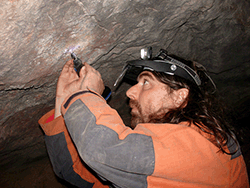
Neanderthal Hearing


Digs & Discoveries September/October 2012
A Portrait of the Artist as a Young Neanderthal?
Digs & Discoveries January/February 2026
Full Nesters

More to Discover
Features May/June 2026
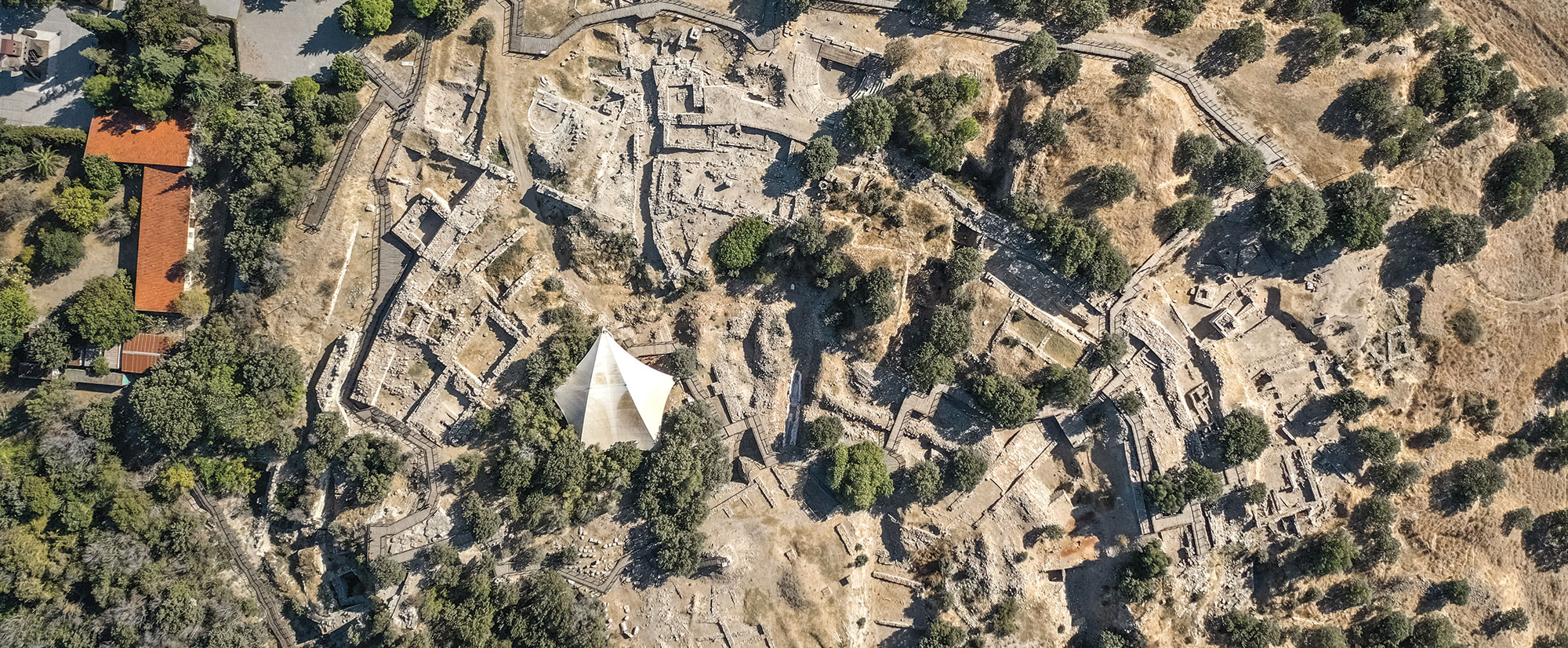
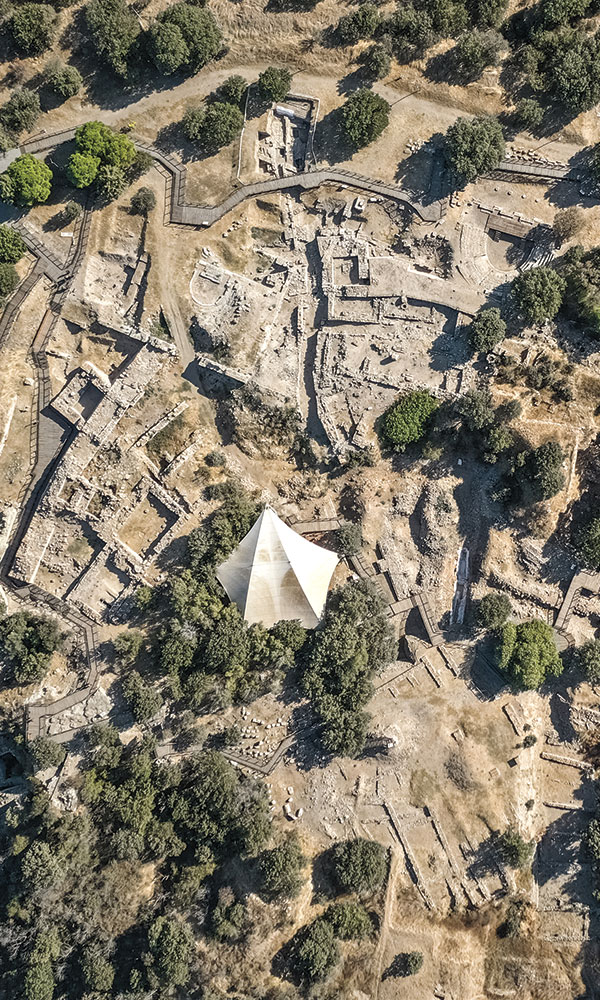
The Unexpected World of the Odyssey
Discovering the surprising inspirations behind Homer’s great tales of the Trojan War
-
Features May/June 2026
Pioneers of Lakefront Living
Why Neolithic and Bronze Age farmers in the Alps built their villages on stilts
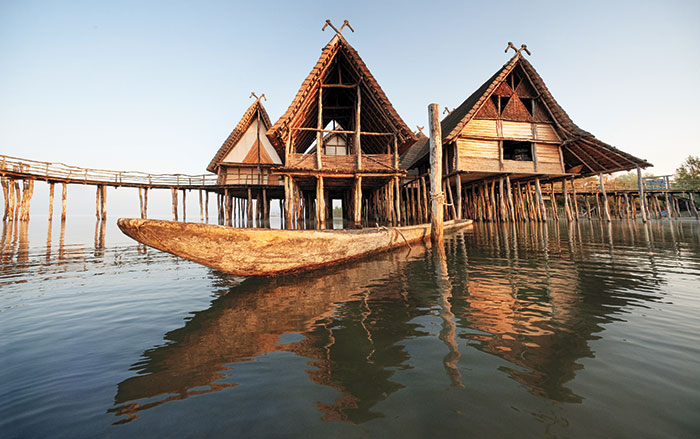 © APM/Frank Müller
 -
Features May/June 2026
The Last Maya Kingdom
On the shores of a lake in Guatemala, the Itzá people defied the Spanish for nearly 200 years
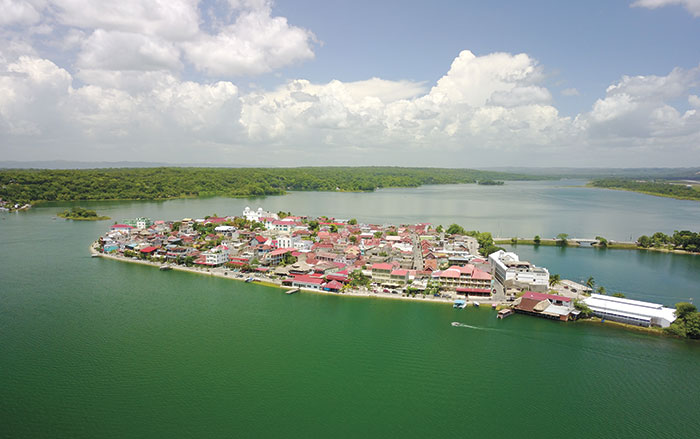 Courtesy Timothy Pugh/Itzá Archaeological Project
 -
Features May/June 2026
Art for the Ages
A surreal style of painting endured for 4,000 years in the canyonlands of West Texas
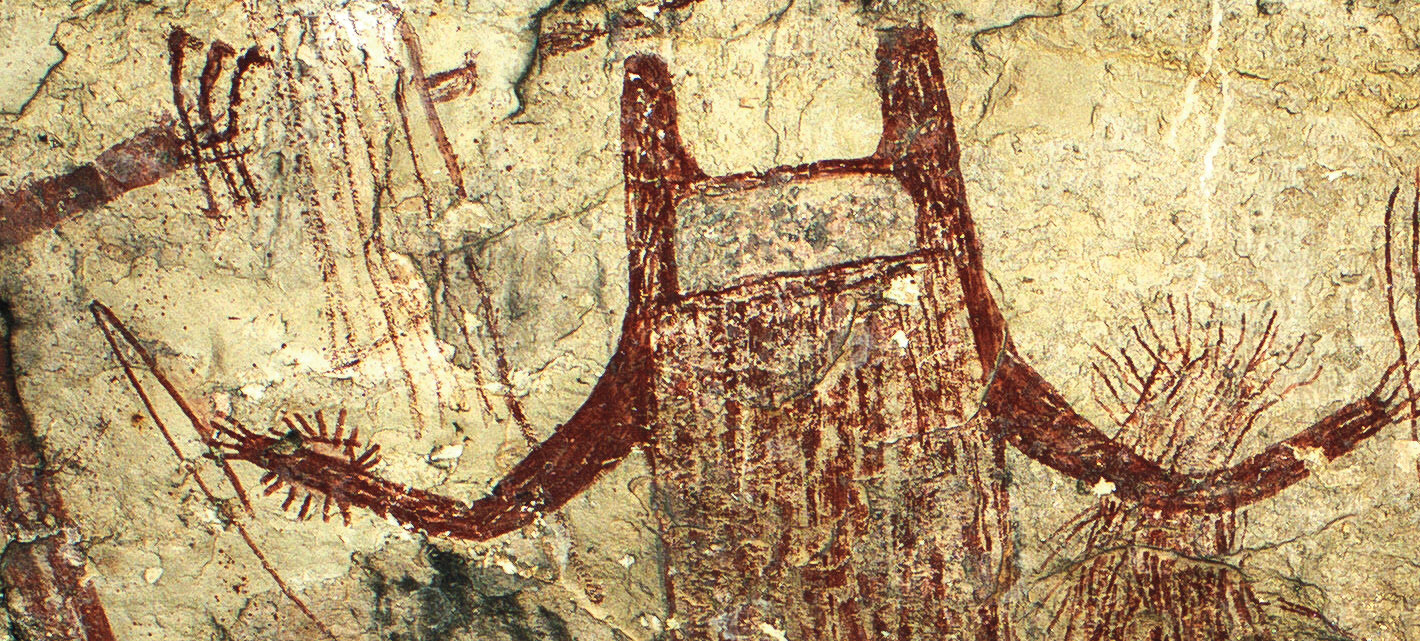 Shumla Archaeological Research and Education Center Archive
 -
Features May/June 2026
Bridge to the Past
The Yellow River brought both prosperity and calamity to China’s dazzling medieval capital
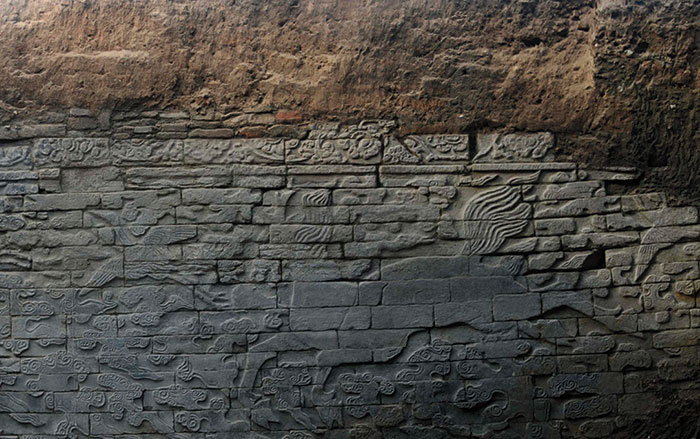 Henan Provincial Institute of Cultural Heritage and Archaeology