

SYDNEY, AUSTRALIA—Analysis of DNA samples, archaeological evidence, and historical data suggests that people who lived along Peru’s Pacific coastline before the rise of the Inca Empire around A.D. 1400 were more mobile than had been previously thought, according to a statement released by the University of Sydney. Jacob Bongers of the University of Sydney said that migrants from northern Peru traveled more than 430 miles south to the Chincha Valley by at least the thirteenth century A.D. The DNA study indicates that these migrants did not mix with the local population upon arrival. Later generations, however, show a mix of people from Peru’s northern, central, and southern coasts. “This likely means that, after northerners migrated to Chincha, they intermarried with groups from neighboring coastal areas, a practice that continued during the Spanish Colonial Period (A.D. 1532–1825),” Bongers explained. But all of the individuals in the study carried some ancestry from the northern coast, and northern traditions, such as cranial modification and the application of red pigment to the skull after death, persisted in the Chincha Valley from at least the thirteenth to the fifteenth century. Bongers and his colleagues think that social and political changes may have fueled this move south. “Climate hazards, the expansion of northern polities such as the Chimú, and access to valuable resources including seabird guano are all possible drivers of ancient Andean migration,” he said. Read the original scholarly article about this research in Nature Communications. For more on the people of the Chincha Valley, go to "Return to Serpent Mountain."
DNA Study Tracks Long-Distance Migration in Peru
News May 26, 2026
Recommended Articles
Digs & Discoveries November/December 2026
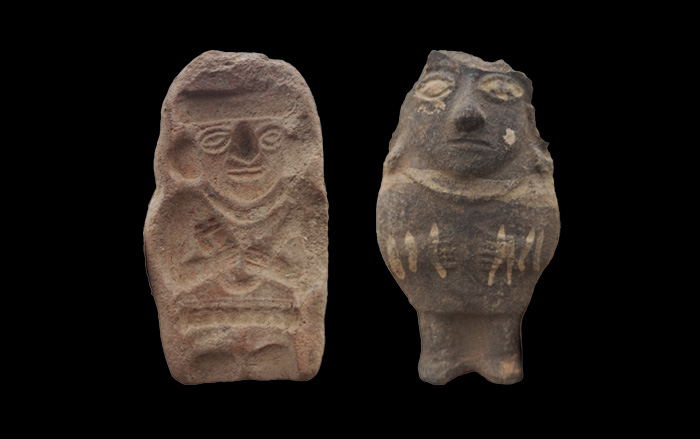
Moche Pottery Pros
Features September/October 2026
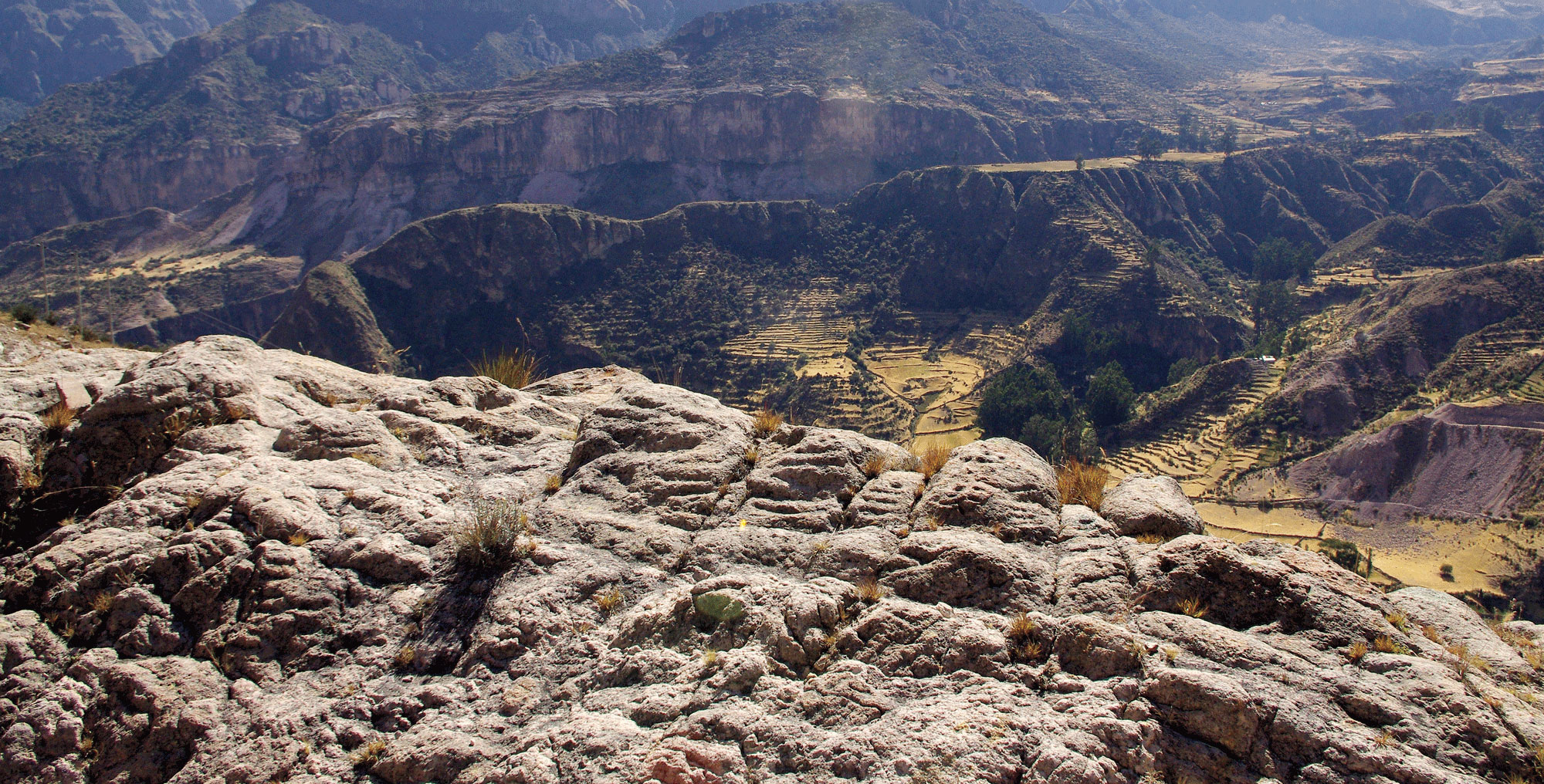
Cultivating Fields of Stone
Peru’s ancient farmers used intricate rock maps to plan for the future
Digs & Discoveries September/October 2026
Peru Foodie Tour

Features March/April 2026
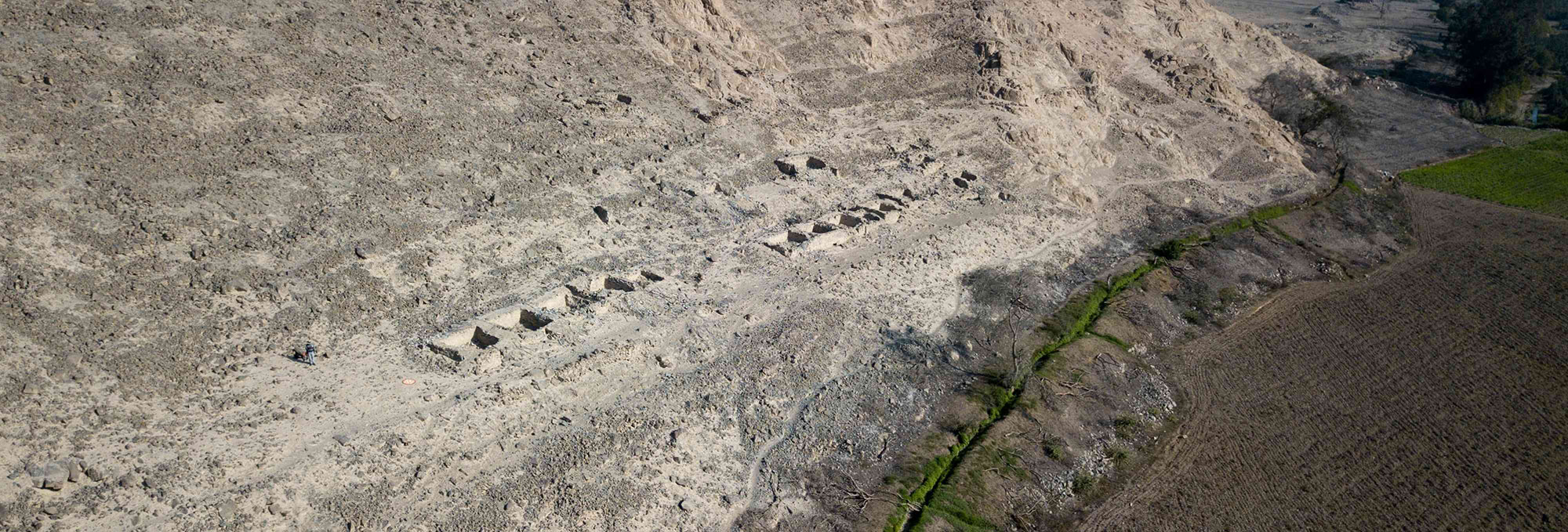
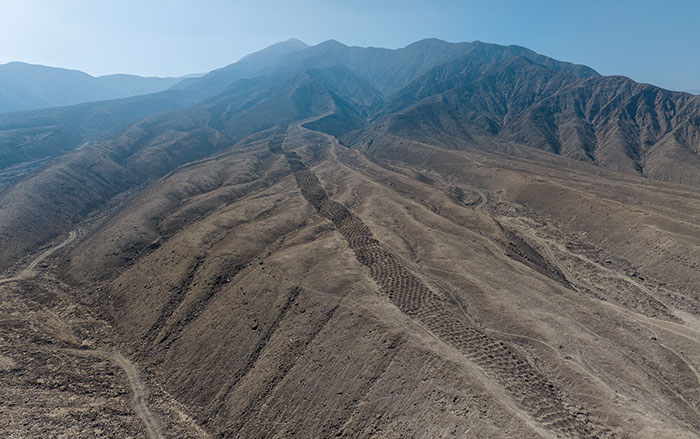
Return to Serpent Mountain
Discovering the true origins of an enigmatic mile-long pattern in Peru’s coastal desert
More to Discover
Features May/June 2026
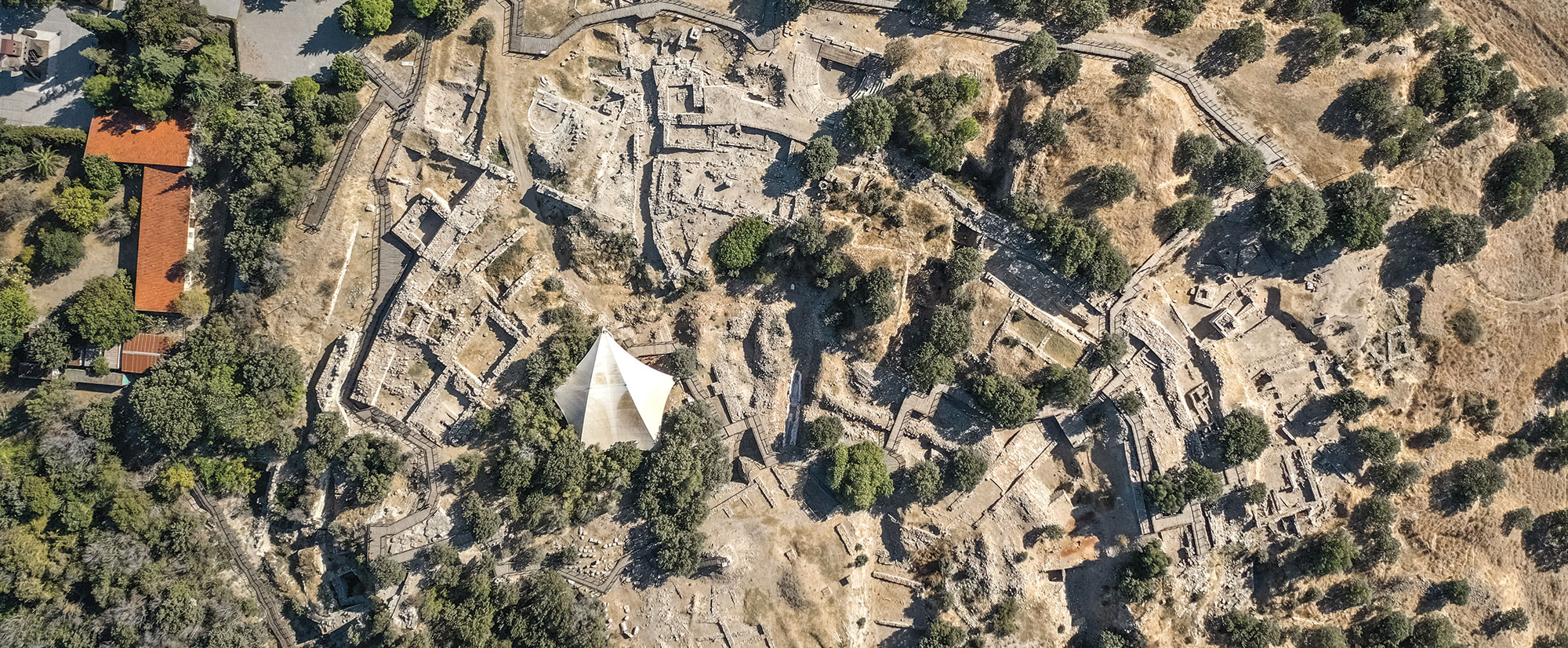
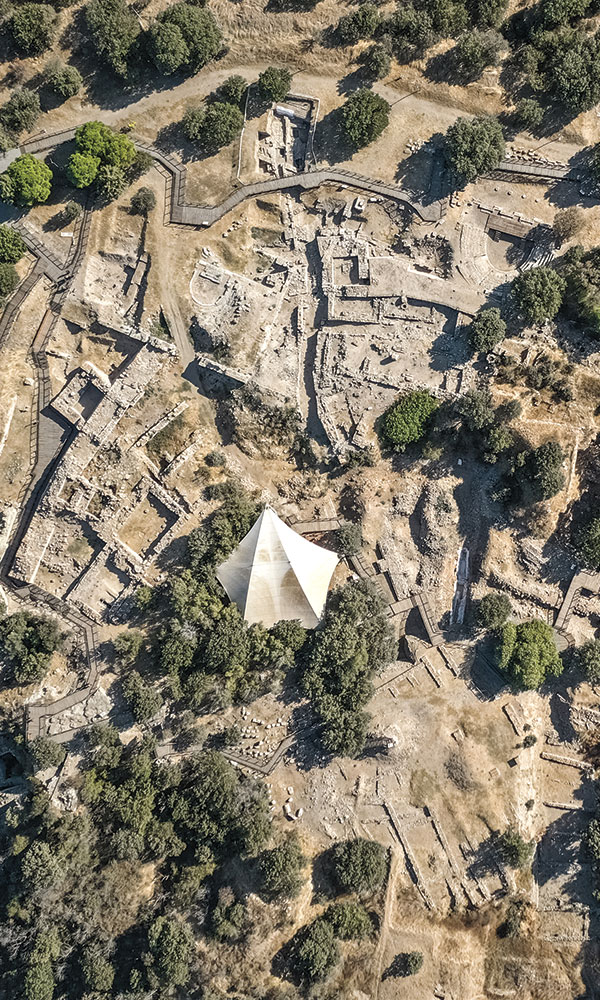
The Unexpected World of the Odyssey
Discovering the surprising inspirations behind Homer’s great tales of the Trojan War
-
Features May/June 2026
Pioneers of Lakefront Living
Why Neolithic and Bronze Age farmers in the Alps built their villages on stilts
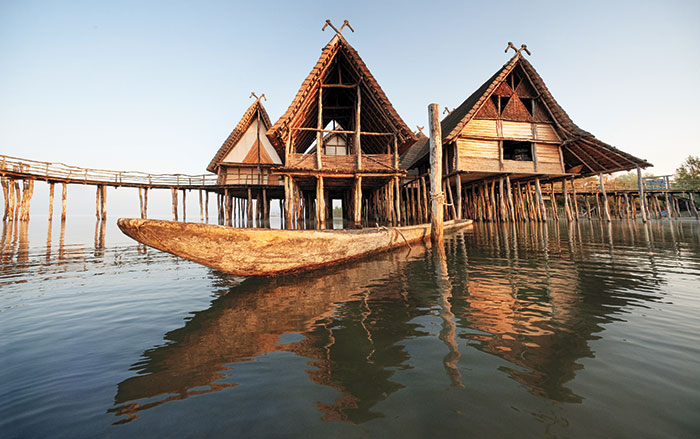 © APM/Frank Müller
 -
Features May/June 2026
The Last Maya Kingdom
On the shores of a lake in Guatemala, the Itzá people defied the Spanish for nearly 200 years
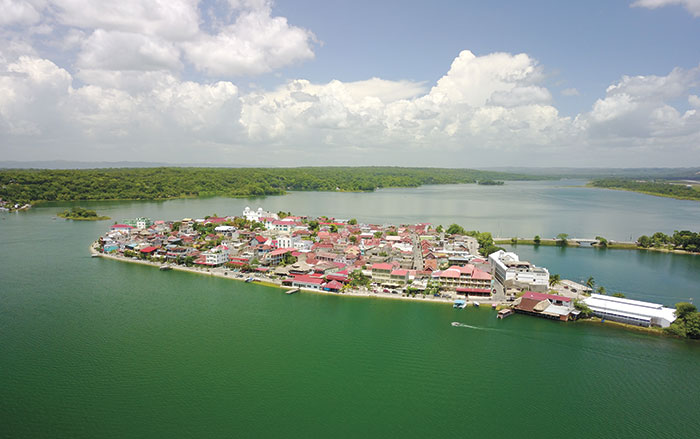 Courtesy Timothy Pugh/Itzá Archaeological Project
 -
Features May/June 2026
Art for the Ages
A surreal style of painting endured for 4,000 years in the canyonlands of West Texas
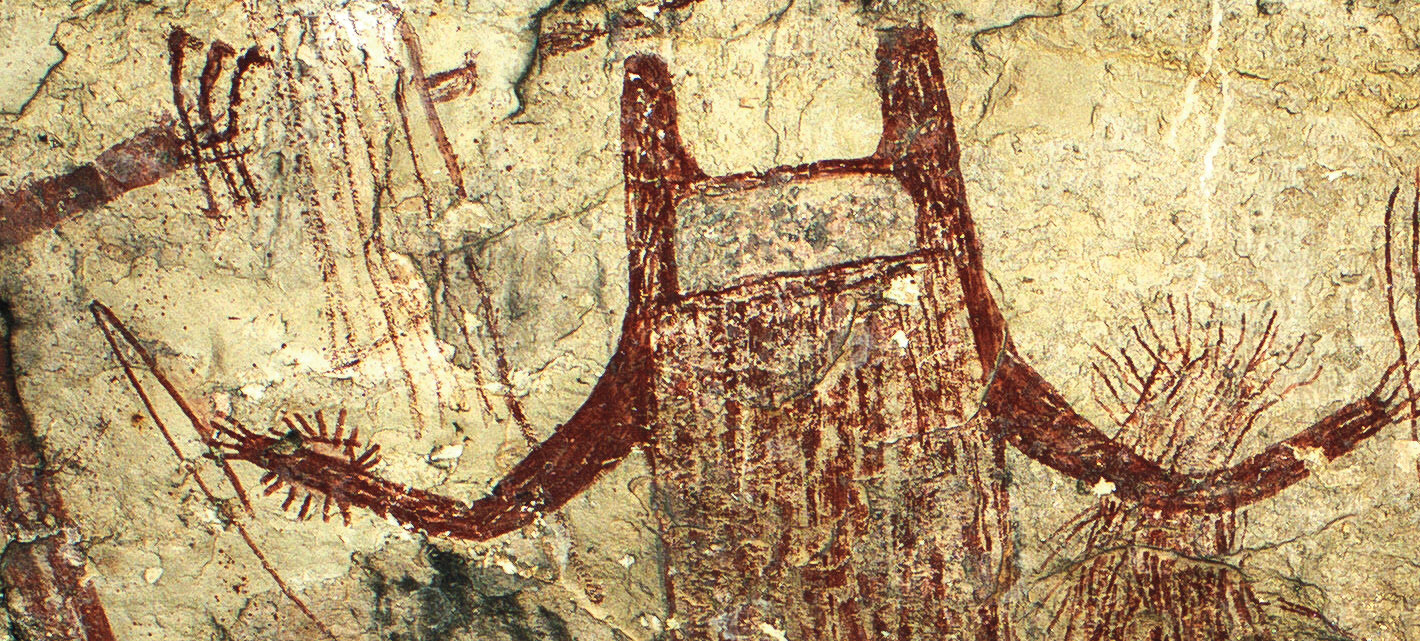 Shumla Archaeological Research and Education Center Archive
 -
Features May/June 2026
Bridge to the Past
The Yellow River brought both prosperity and calamity to China’s dazzling medieval capital
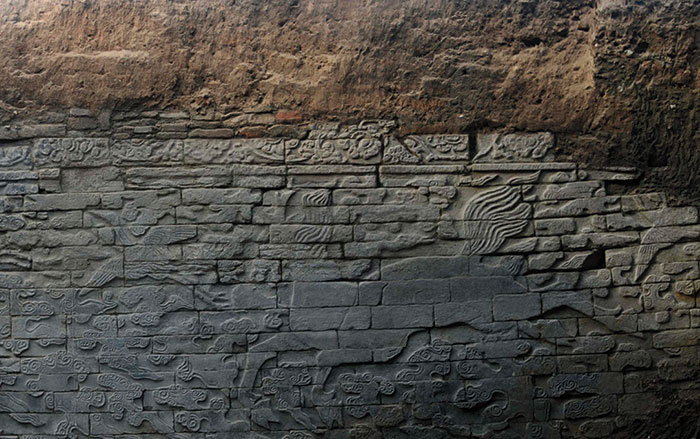 Henan Provincial Institute of Cultural Heritage and Archaeology