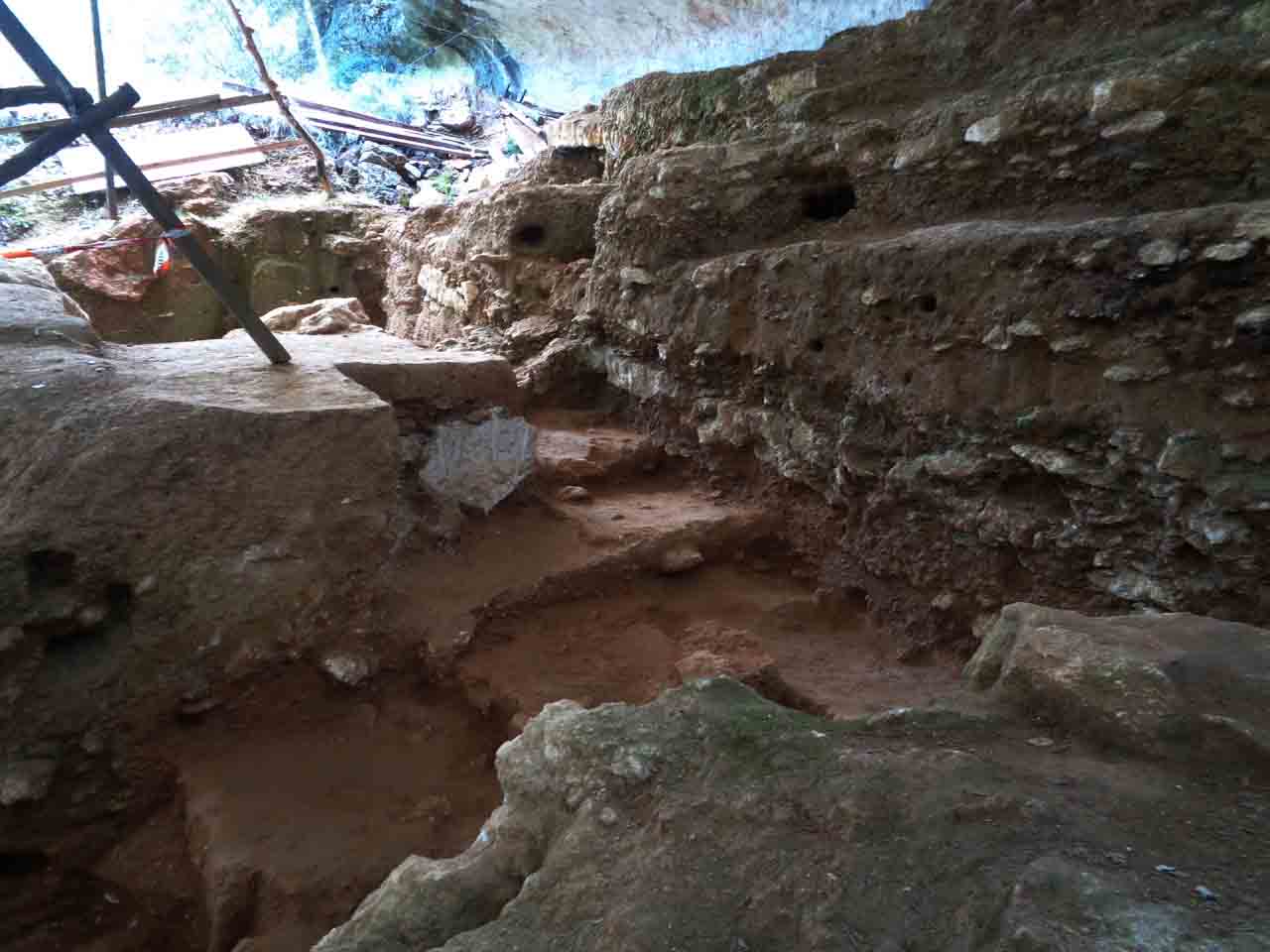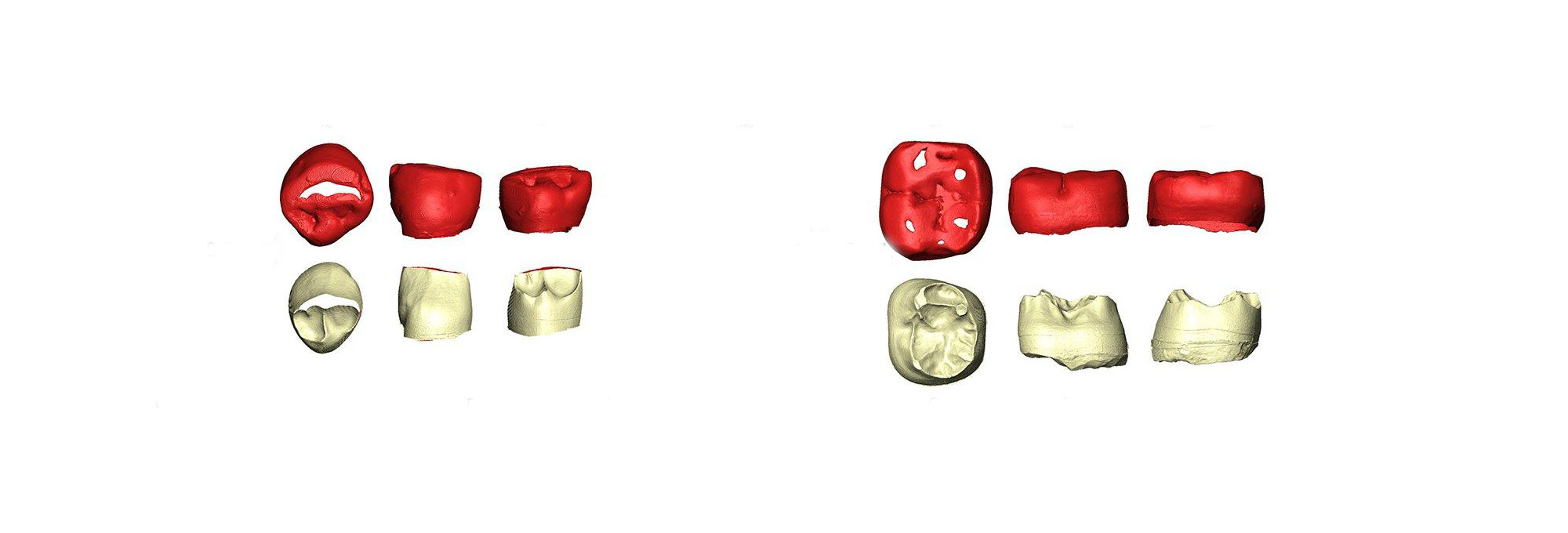
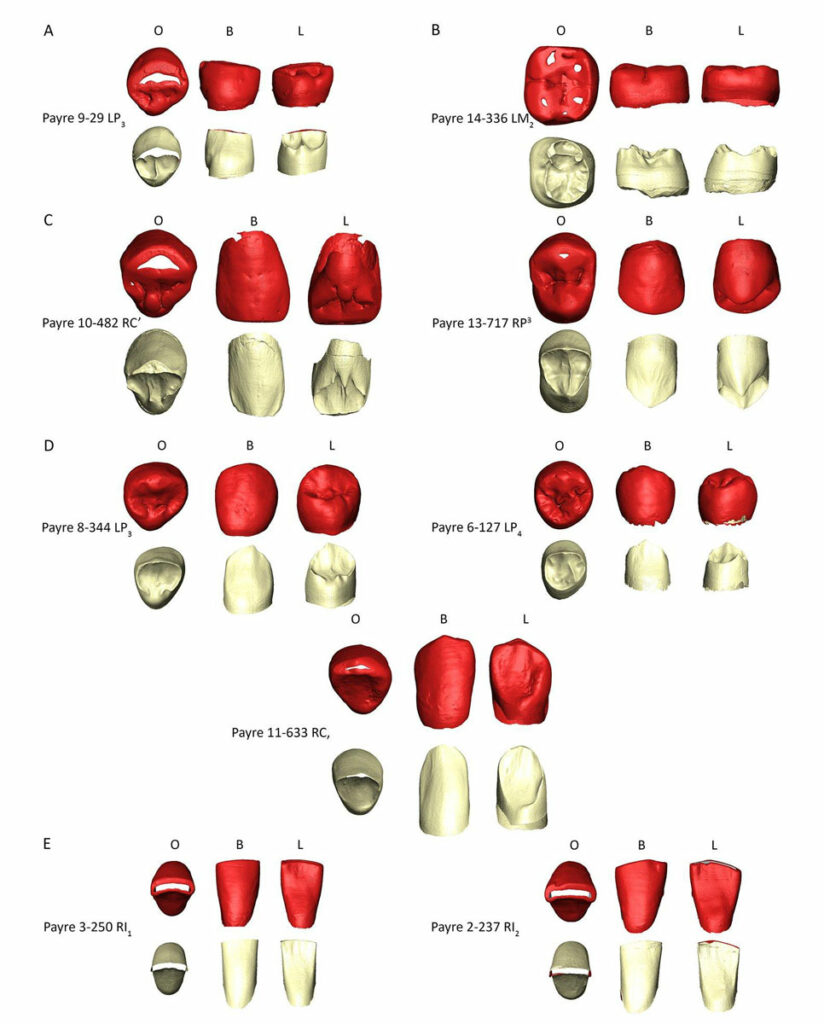
BURGOS, SPAIN—According to a statement released by the Spanish National Research Center for Human Evolution (CENIEH), an international team of researchers led by Laura Martín-Francés of CENIEH has examined nine Neanderthal teeth recovered from Payre, an archaeological site in southeastern France, with micro-computed tomography, geometric morphometrics, and analysis of dental tissue proportions. The teeth came from different archaeological levels at the site, which has been dated to the Middle Pleistocene, when changes in climate altered Europe’s landscape. This study of the external shape of the teeth and their internal structures determined that they are anatomically similar to Neanderthal teeth from the same period found at other sites in France and Spain. Yet the study also found variability within the sample. “Rather than a simple and linear evolutionary process, our research supports the idea that Neanderthal evolution was shaped by regionally structured populations that were fragmented and, at times, isolated for long periods,” Martín-Francés said. Read the original scholarly article about this research in Archaeological and Anthropological Sciences. To read about the earliest known piece of cord, which was found at another site in southeastern France, go to "Twisted Neanderthal Tech."