

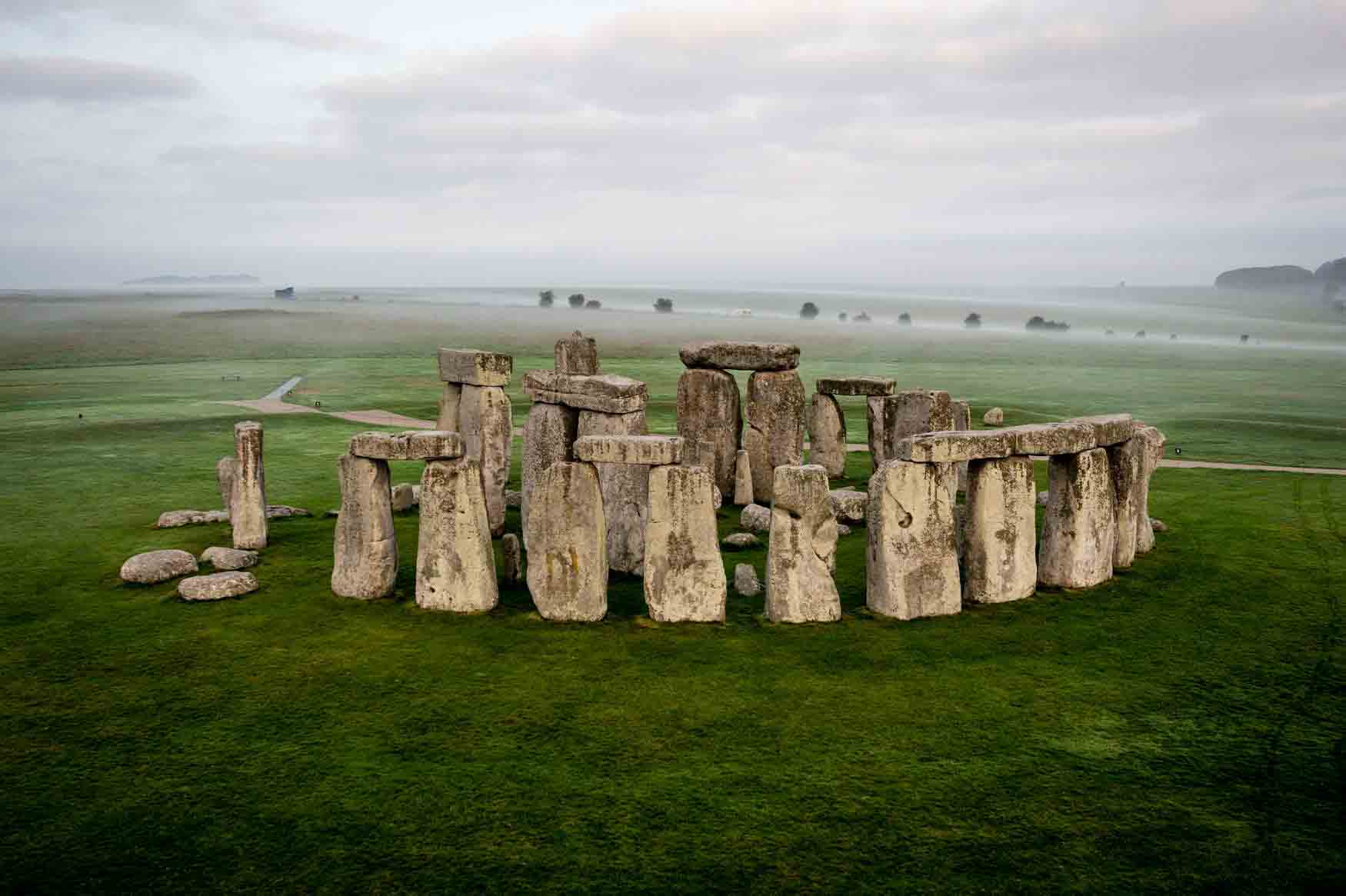
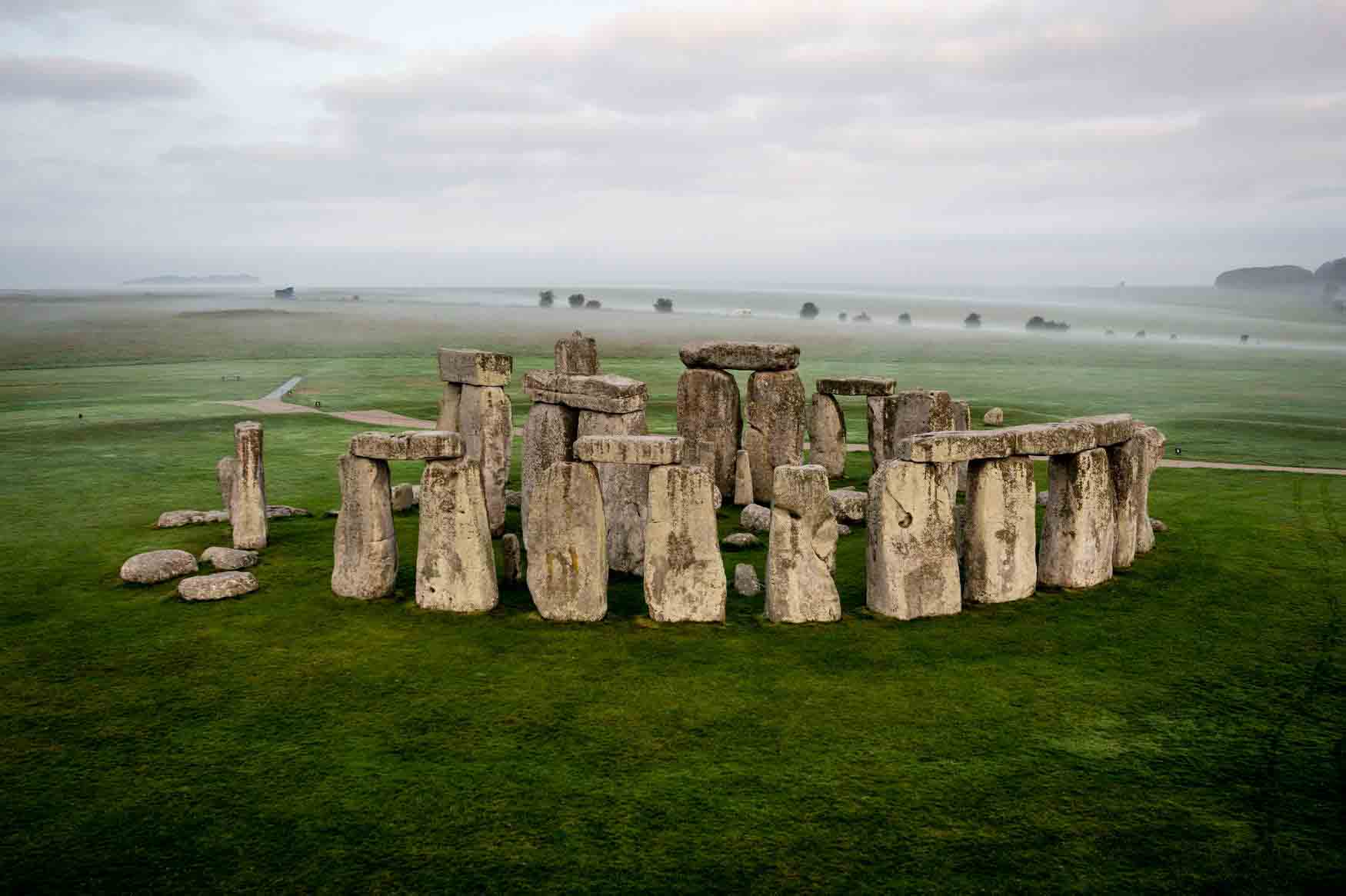
PERTH, AUSTRALIA—According to a statement released by Curtin University, the central Altar Stone at Stonehenge was likely transported more than 430 miles from northeastern Scotland to the Salisbury Plain in carefully planned stages. It had been suggested that the more than 13,000 pounds of sandstone could have been moved by glacial activity. Anthony Clarke of Curtin University and his colleagues used mineral grain dating and ice-sheet modeling to see if glaciers alone could have completed the job. “Our modeling shows glaciers may have transported rocks part of the way during the last Ice Age—potentially as far as Dogger Bank in the North Sea—but not into southern England, meaning the stone would still have needed to be moved hundreds of kilometers by [Neolithic] people,” Clarke explained. Moving the megalith may have involved hauling it overland and floating it on rivers and along the coast when possible. “Transporting a stone of this size over such a long distance would have required planning, coordination, and a deep understanding of the landscape—not to mention tremendous determination,” Clarke concluded. Read the original scholarly article about this research in the Journal of Quaternary Science. To read about the origin of Stonehenge's bluestones, go to "Quarrying Stonehenge."
How Did Stonehenge’s Altar Stone Arrive at Salisbury Plain?
News June 4, 2026
Recommended Articles
Digs & Discoveries May/June 2021
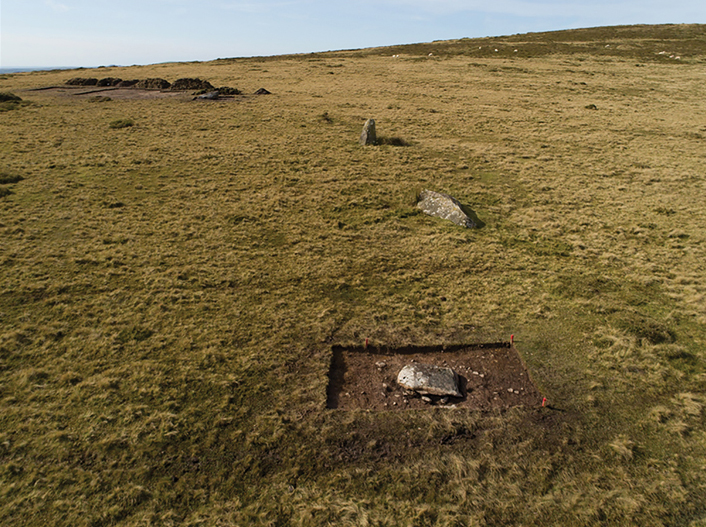
A Welsh Ancestor
Letter from Woodhenge January/February 2021
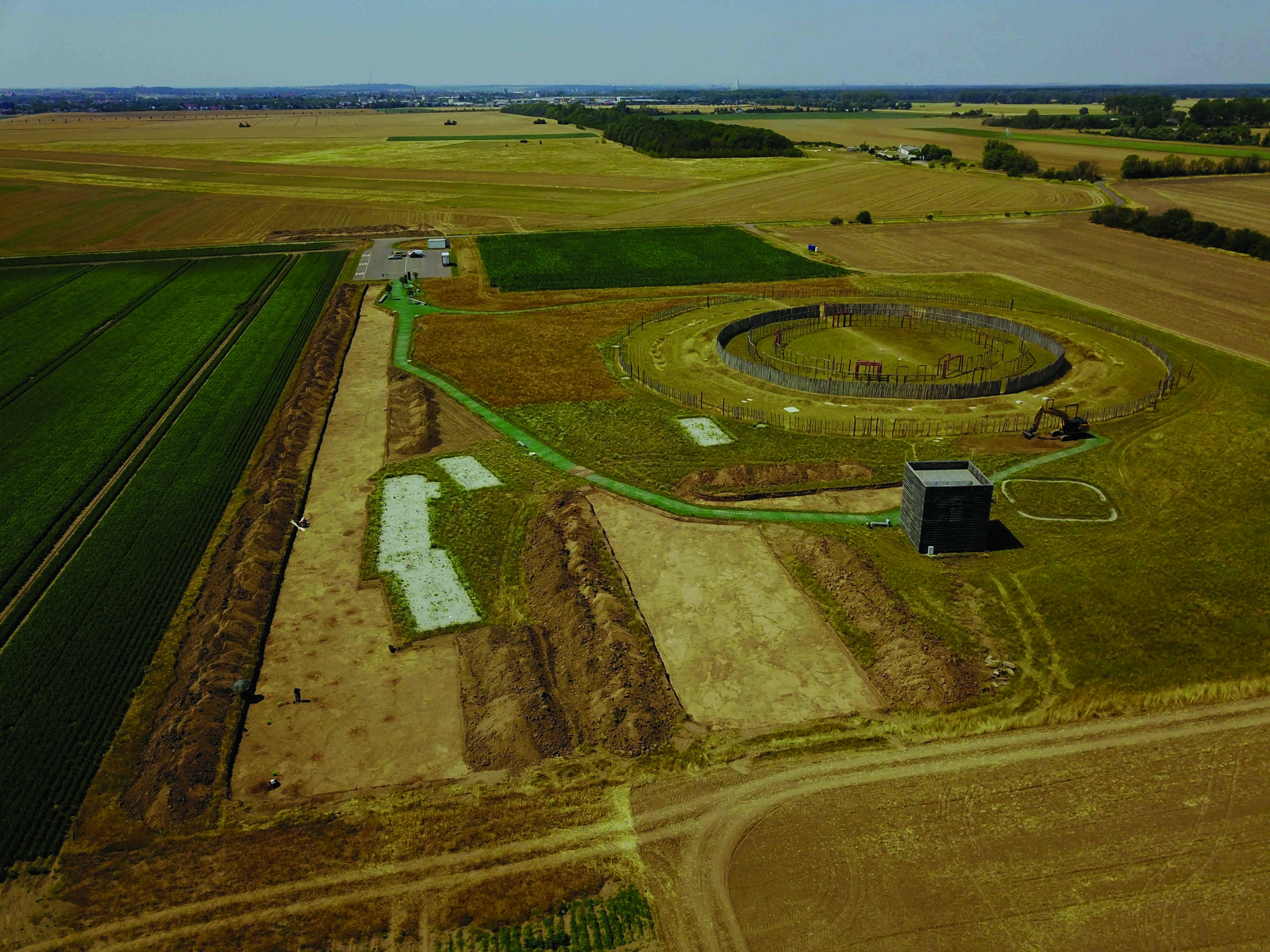
Stonehenge's Continental Cousin
A 4,000-year-old ringed sanctuary reveals a German village’s surprising connections with Britain
Digs & Discoveries September/October 2020
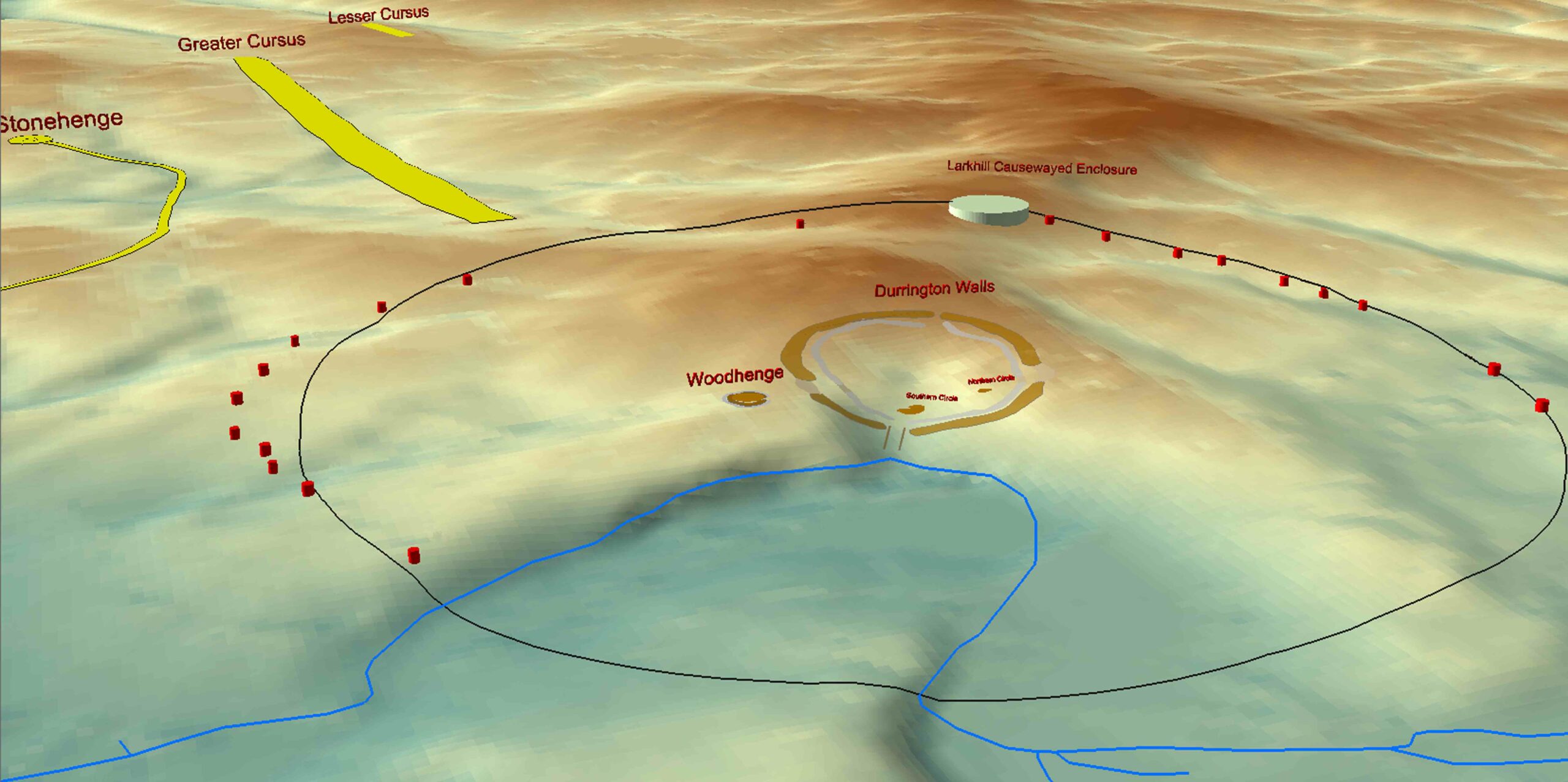
Stonehenge's New Neighbor
Digs & Discoveries May/June 2019
Epic Proportions
More to Discover
Features May/June 2026
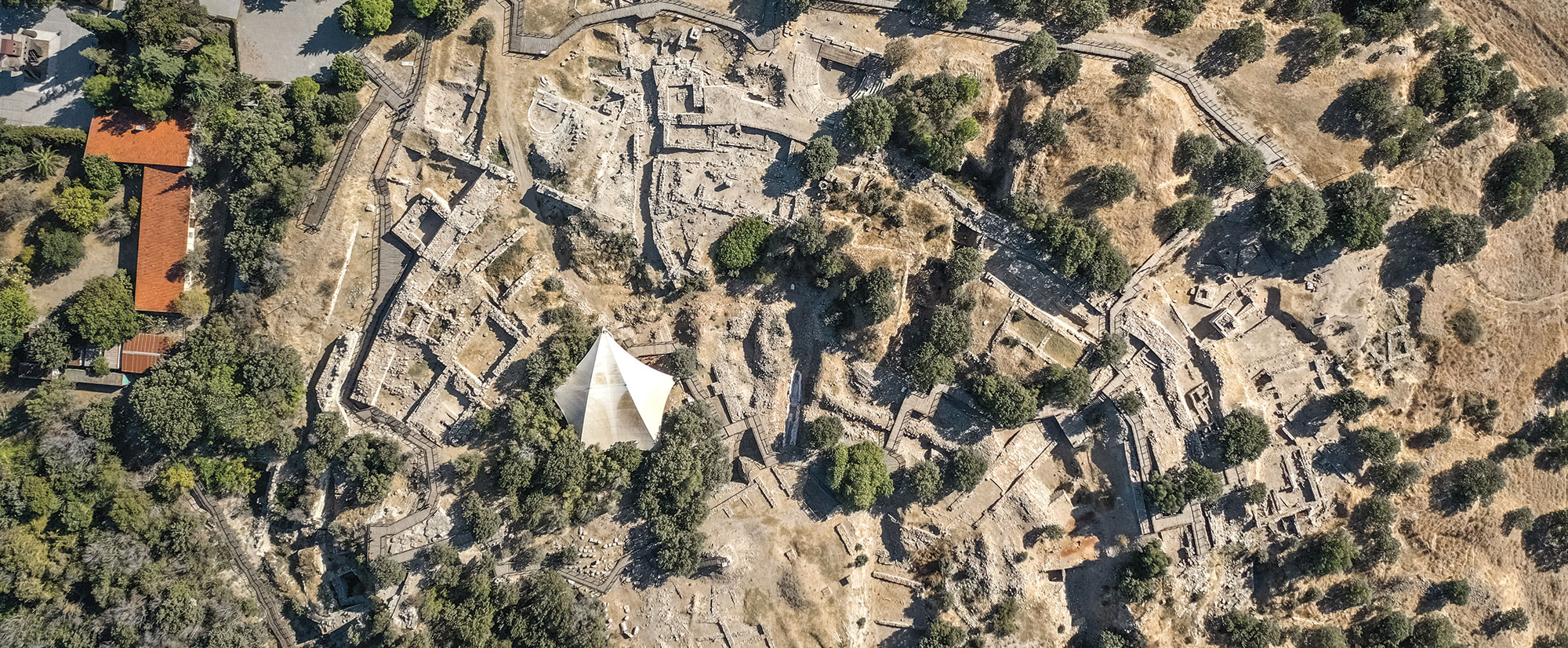
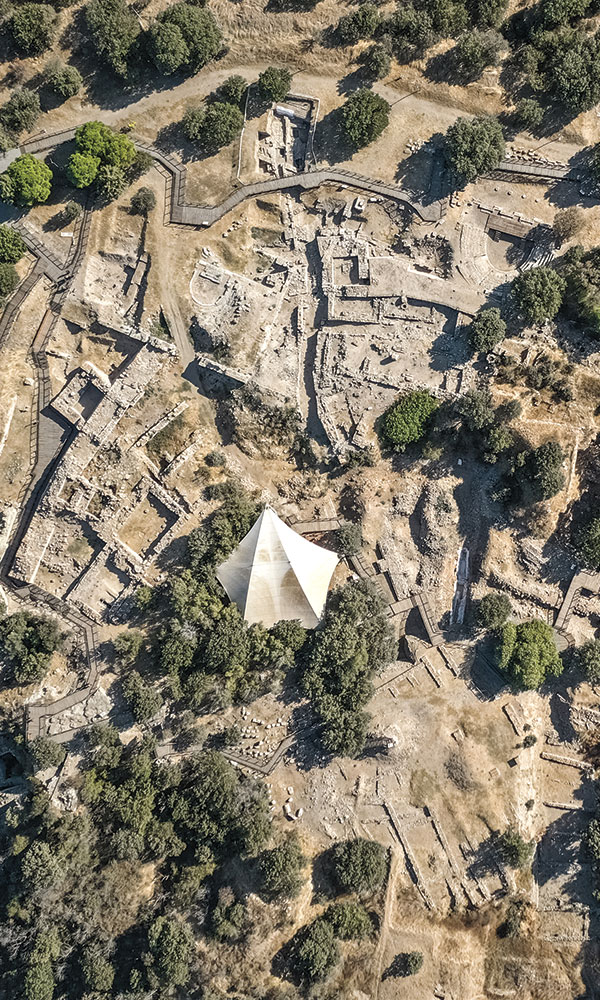
The Unexpected World of the Odyssey
Discovering the surprising inspirations behind Homer’s great tales of the Trojan War
-
Features May/June 2026
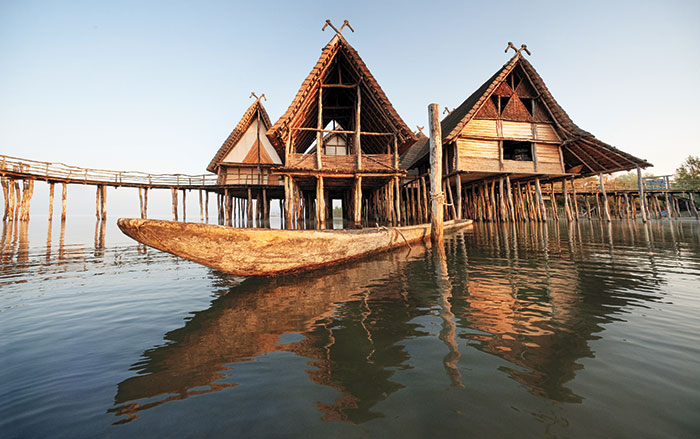
Pioneers of Lakefront Living
Why Neolithic and Bronze Age farmers in the Alps built their villages on stilts
 © APM/Frank Müller
 -
Features May/June 2026
The Last Maya Kingdom
On the shores of a lake in Guatemala, the Itzá people defied the Spanish for nearly 200 years
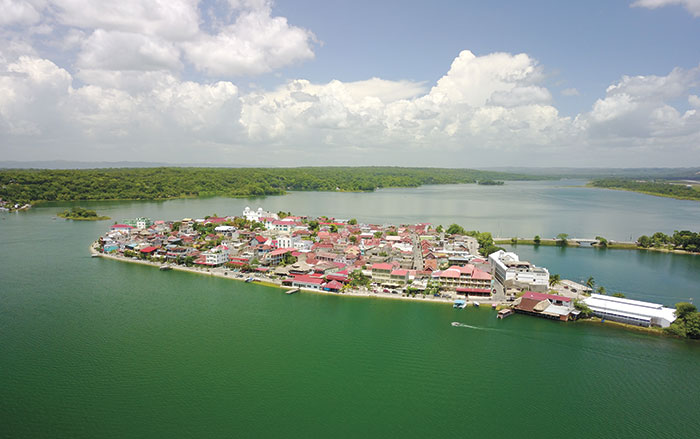 Courtesy Timothy Pugh/Itzá Archaeological Project
 -
Features May/June 2026
Art for the Ages
A surreal style of painting endured for 4,000 years in the canyonlands of West Texas
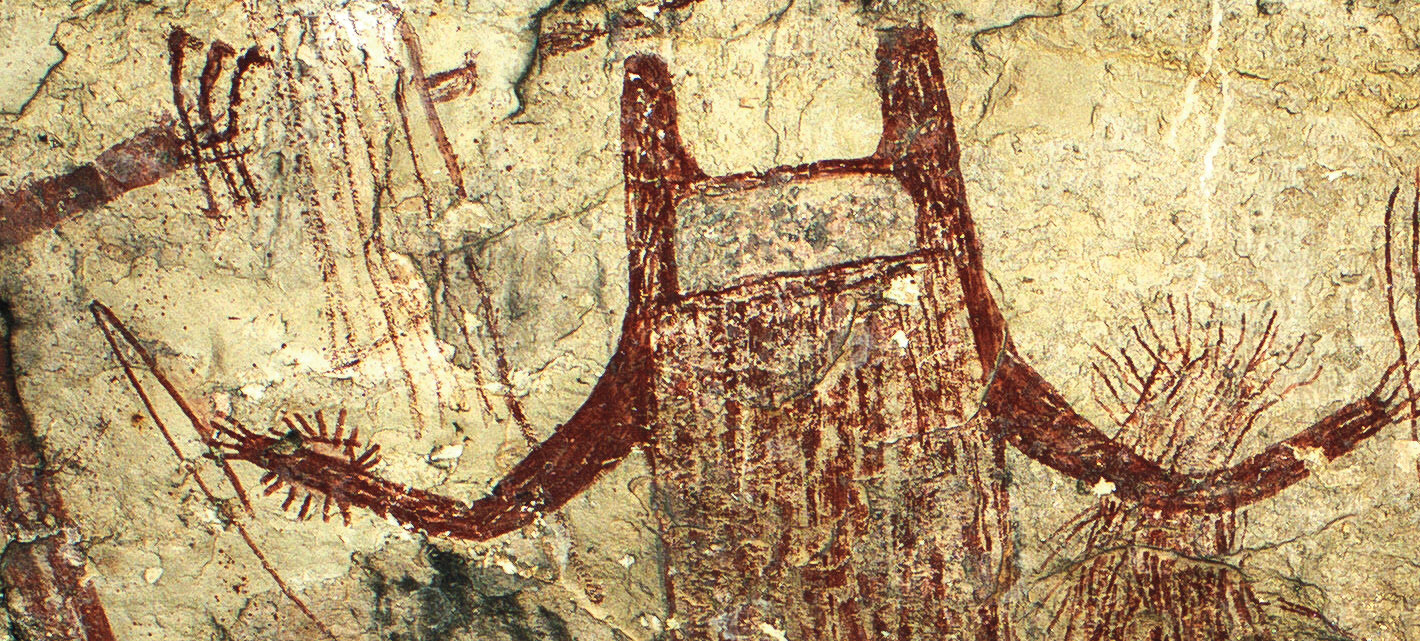 Shumla Archaeological Research and Education Center Archive
 -
Features May/June 2026
Bridge to the Past
The Yellow River brought both prosperity and calamity to China’s dazzling medieval capital
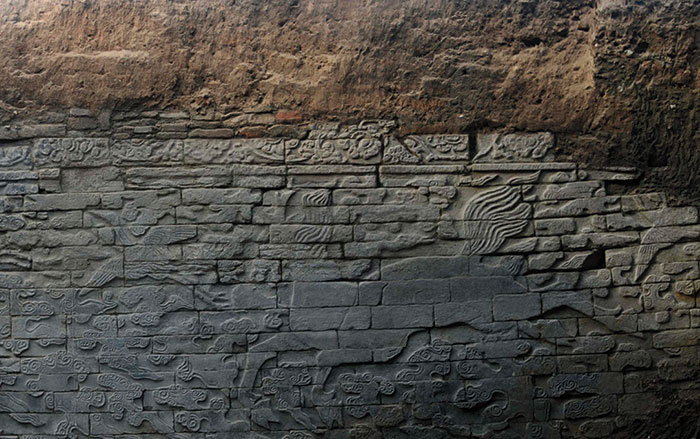 Henan Provincial Institute of Cultural Heritage and Archaeology