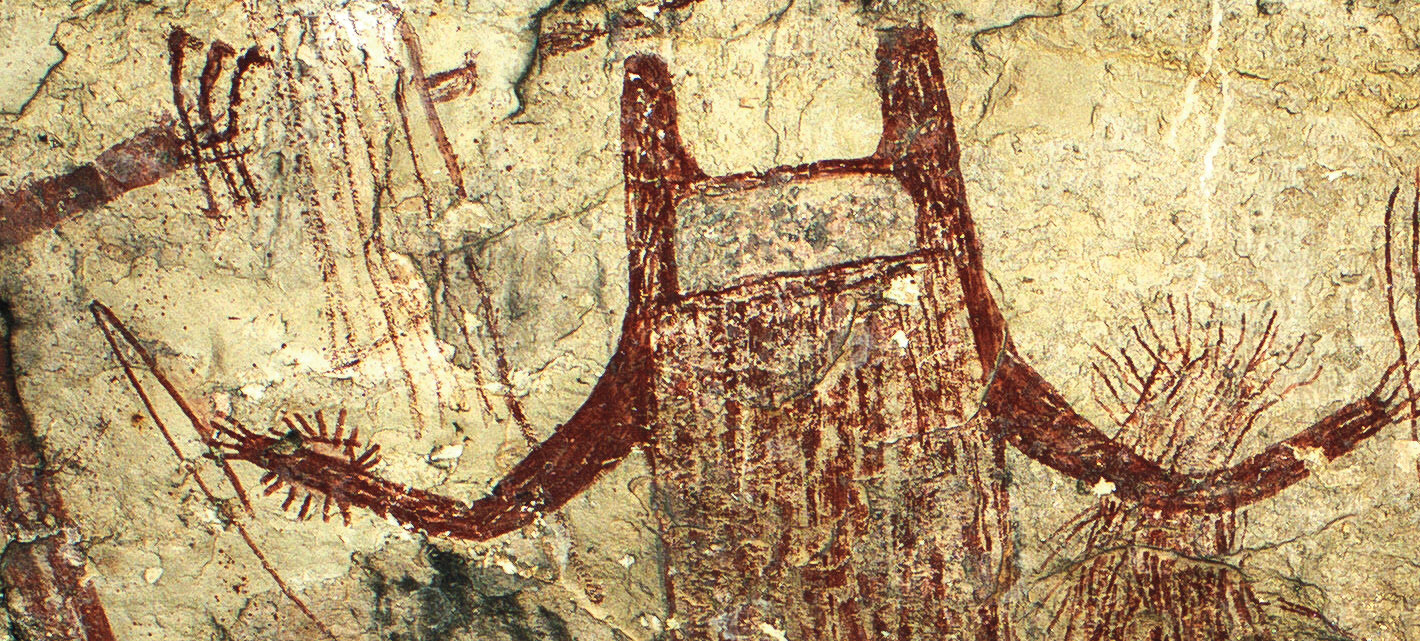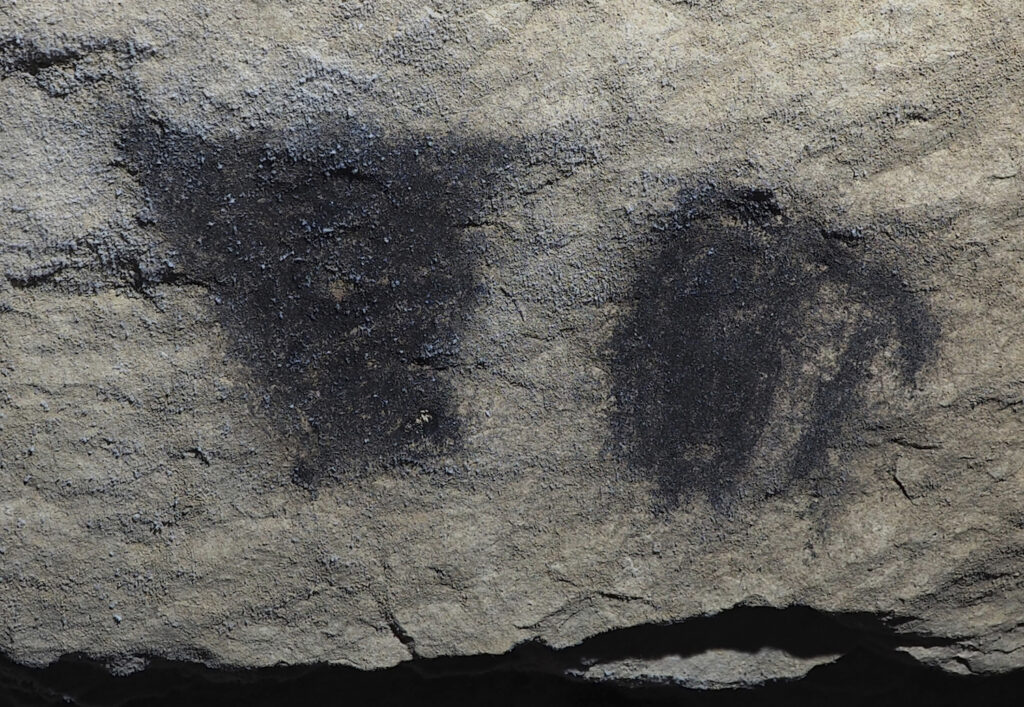
BURGOS, SPAIN—According to a SciNews report, Ana Isabel Ortega Martínez of the Royal Burgos Academy of History and Fine Arts and her colleagues have obtained new radiocarbon dates for the occupation of Sala Keimada, a hard-to-reach chamber in Cueva Palomera, which is the main entrance to northern Spain’s Ojo Guareña cave system. Most of the rock art found in the cave system is located within Sala Keimada, Ortega Martínez explained. The radiocarbon dates were taken from charcoal samples, drawings, and bones found scattered throughout Sala Keimada. The oldest date indicates that the site was used some 13,700 years ago. The most recent date, some 2,100 years ago, was obtained from the remains of a domestic piglet thought to have been left as a ritual offering in a small pool. The study also suggests that people made repeated visits to the Sala Keimada in eight phases covering the Neolithic, Chalcolithic, and Bronze Age periods. These visitors consistently added new artwork while leaving the drawings of their predecessors intact, the researchers concluded. To read more about rock art in Spanish caves, go to "Paleo Palette."