Second Intact Etruscan Tomb Discovered in Italy’s San Giuliano Necropolis

News June 16, 2026

Soprintendenza Archeologia Belle Arti Paesaggio Etruria Meridionale
SHARE:

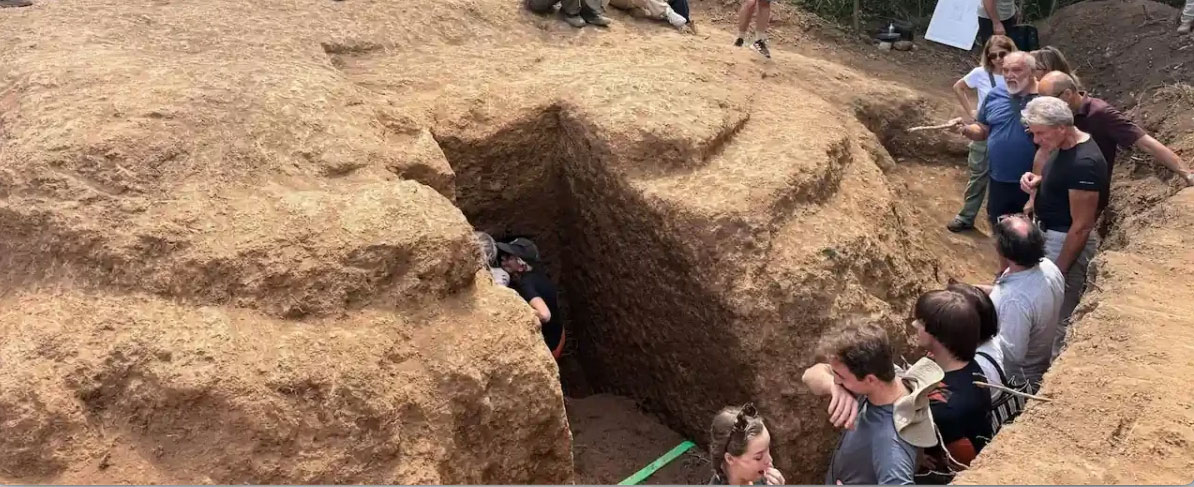
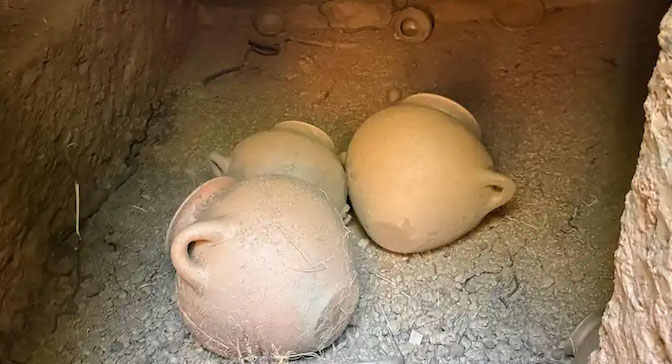
ROME, ITALY—According to a report in La Brújula Verde, a second intact Etruscan tomb has been discovered in central Italy’s San Giuliano necropolis by a team of researchers led by Davide Zori of the San Giuliano Archaeological Research Project (SGARP) and Baylor University. More than 600 tombs have been identified in the area, but most of them have been looted since the Roman conquest of the region in the third century B.C. The slab closing this tomb had remained in its original position, with no signs of tampering. The remains of at least two individuals have been found inside the tomb, with a spearhead next to one of the sets of skeletal remains. Pottery, Etruscan chalices, and a Greek flask for holding perfumed oil were also found in the burial. Zori credits the monitoring strategy adopted by SGARP, with the collaboration of the municipality of Barbarano Romano and the local community, for the preservation of the tombs. To read about the discovery of a lavish Etruscan burial, go to "The Tomb of Silver Hands."
  • Features May/June 2026

    Pioneers of Lakefront  Living

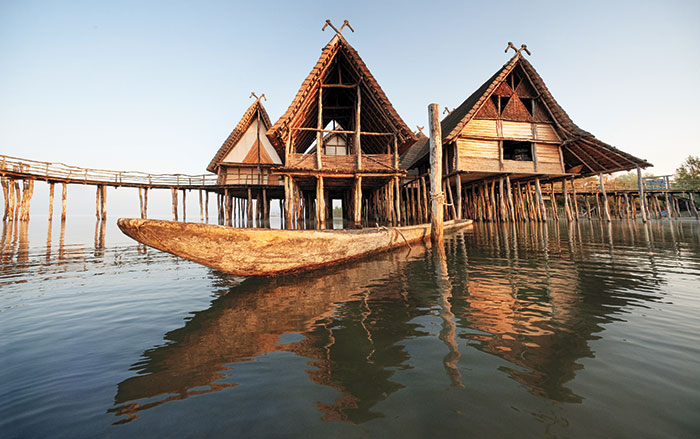
    Why Neolithic and Bronze Age farmers in the Alps built their villages on stilts

    Read Article
    Modern replicas of Bronze Age houses in Lake Constance
    © APM/Frank Müller
  • Features May/June 2026

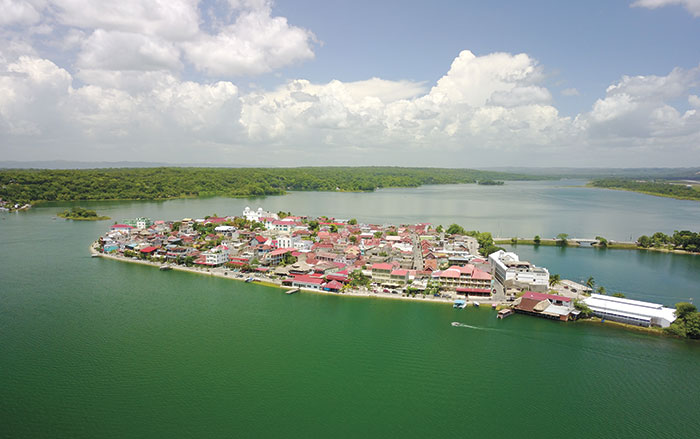
    The Last Maya Kingdom

    On the shores of a lake in Guatemala, the Itzá people defied the Spanish for nearly 200 years

    Read Article
    Flores Island, Guatemala
    Courtesy Timothy Pugh/Itzá Archaeological Project
  • Features May/June 2026

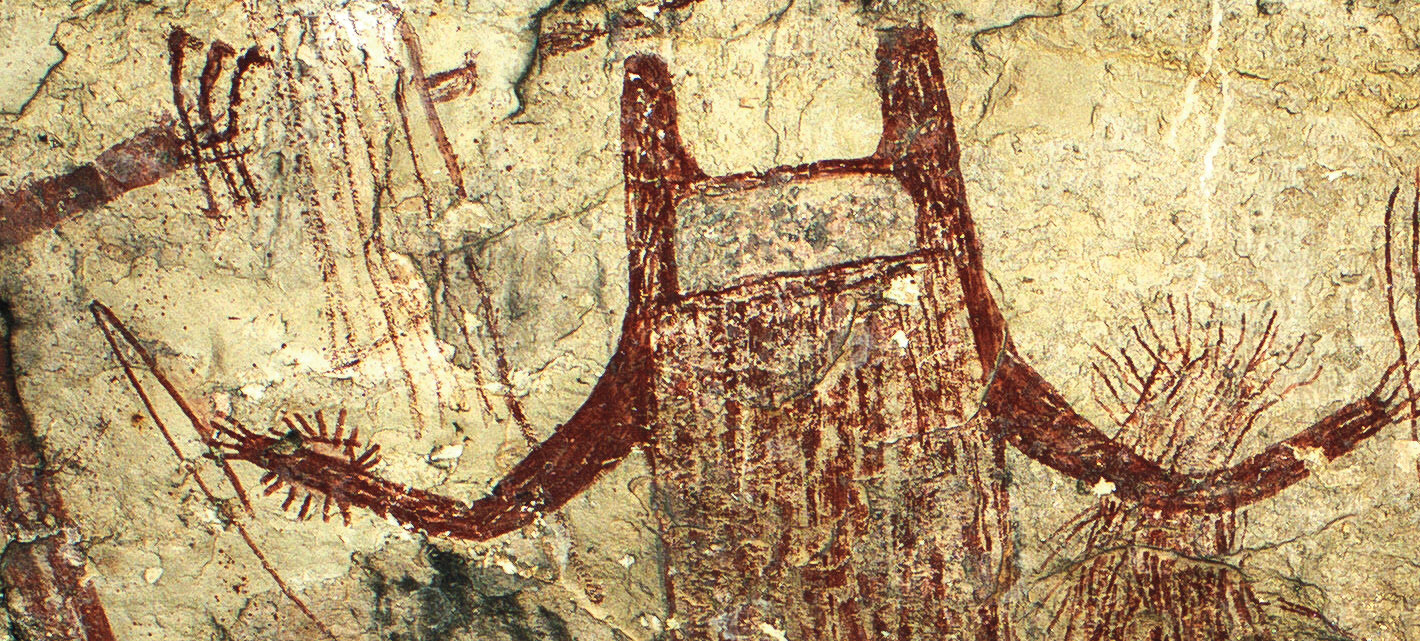
    Art for the Ages

    A surreal style of painting endured for 4,000 years in the canyonlands of West Texas

    Read Article
    Shumla Archaeological Research and Education Center Archive
  • Features May/June 2026

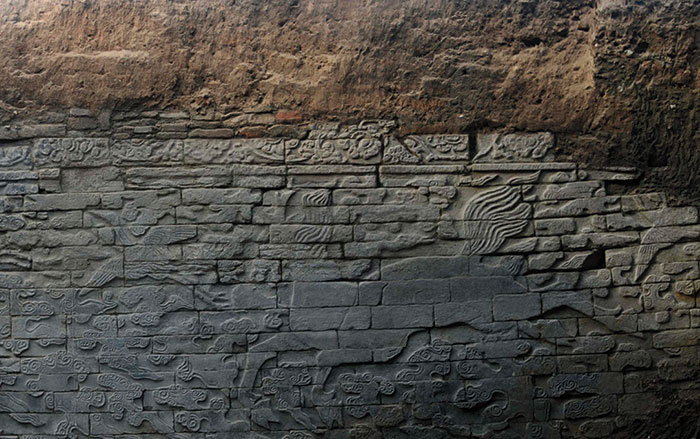
    Bridge to the Past

    The Yellow River brought both prosperity and calamity to China’s dazzling medieval capital

    Read Article
    Henan Provincial Institute of Cultural Heritage and Archaeology