

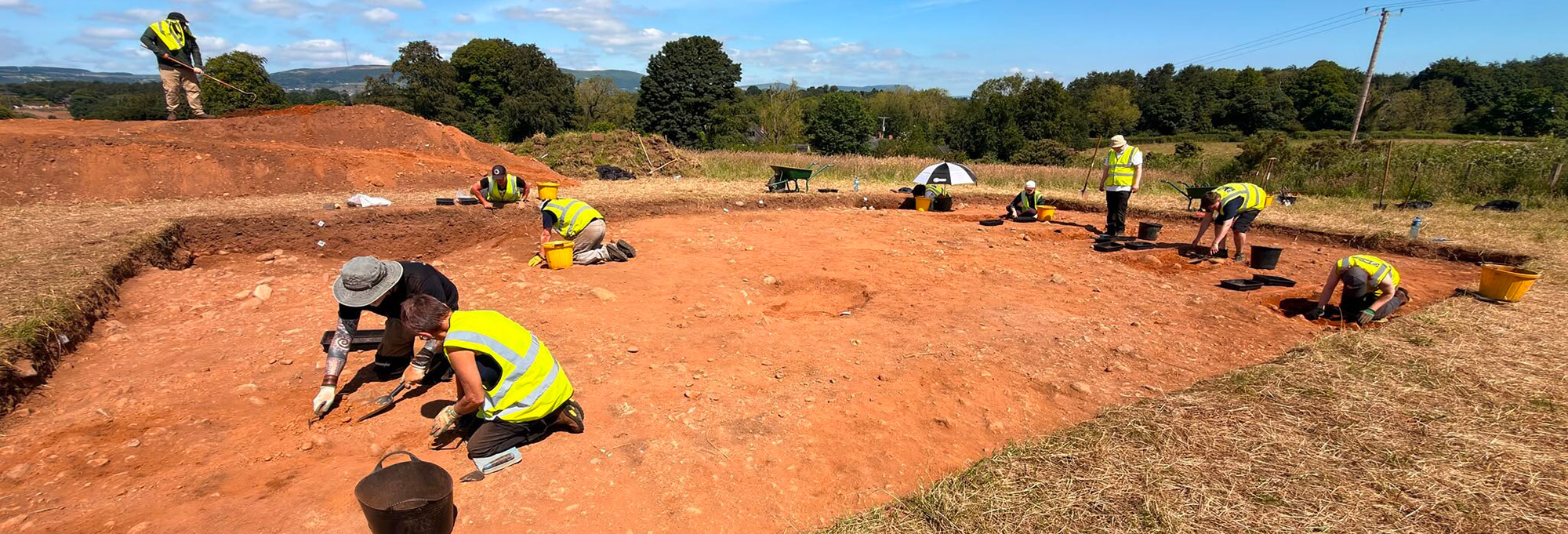
BELFAST, NORTHERN IRELAND—According to a statement released by Queen’s University Belfast, a 4,000-year-old stone circle has been discovered in Northern Ireland near the Giant’s Ring, an enclosure surrounded by an earthwork bank. A megalithic tomb rests in the center of the Giant’s Ring. “We came across aerial photography of the area and noticed a number of crop marks in the field, which suggested the Ballynahatty Ritual Complex extended further than we first thought,” said Brian Sloan of Queen’s University Belfast. Sloan assembled a team of volunteers and students to investigate the site. “There is no evidence yet that what we are excavating is associated with any burials,” he said. “We have discovered that the crop mark seems to be a stone circle dating back to the Late Neolithic/Early Bronze Age. Unfortunately, this was disturbed in the nineteenth century when farmers in the area dismantled sites that were getting in the way of agriculture.” For more on archaeology in the region, go to "Saving Northern Ireland's Noble Bog."
Traces of Stone Circle Discovered Near Belfast
News June 30, 2026
Recommended Articles
Letter from Ireland September/October 2026
A War Between Friends
How IRA volunteers survived the Irish Civil War in a secret mountain hideout
Digs & Discoveries November/December 2021
An Irish Idol
Top 10 Discoveries of 2020 January/February 2021
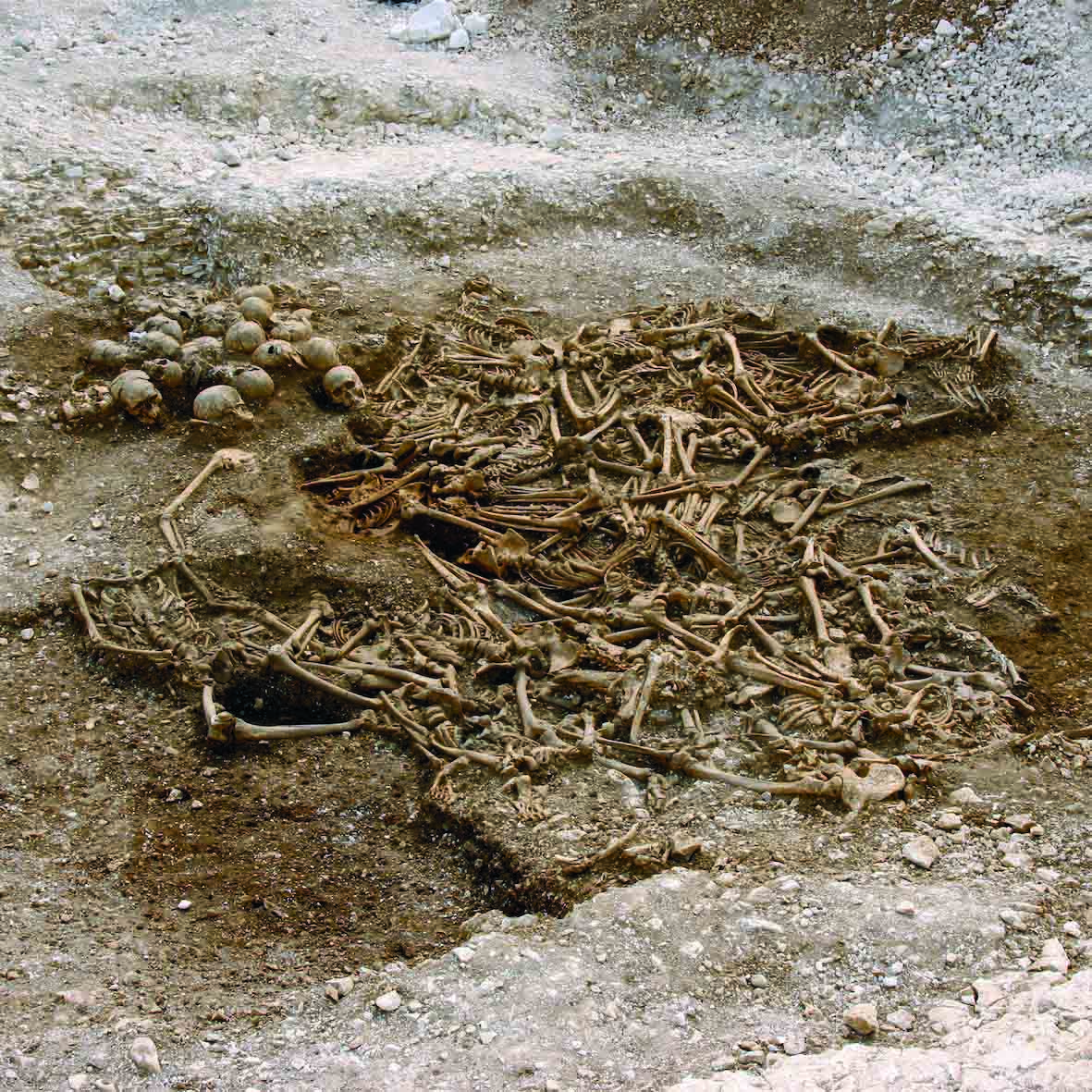
Largest Viking DNA Study
Northern Europe and Greenland
More to Discover
Features May/June 2026
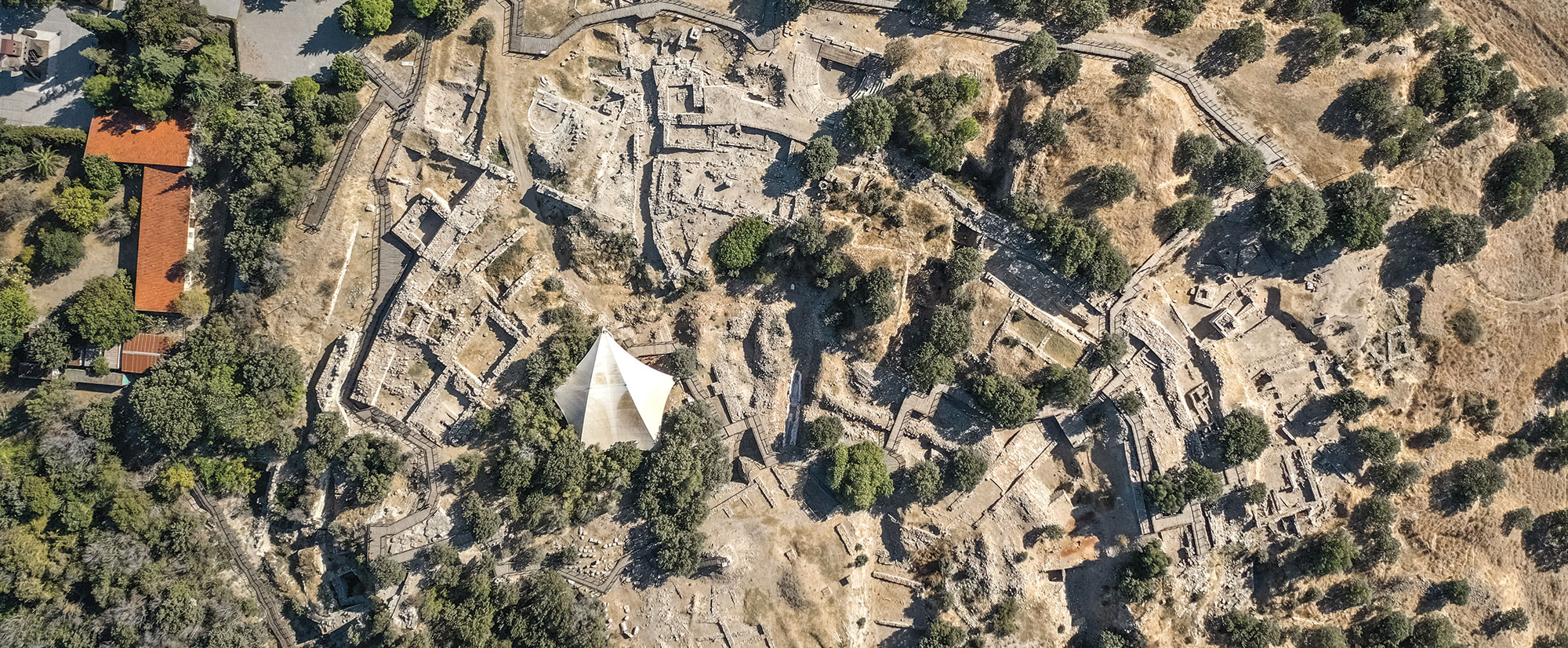
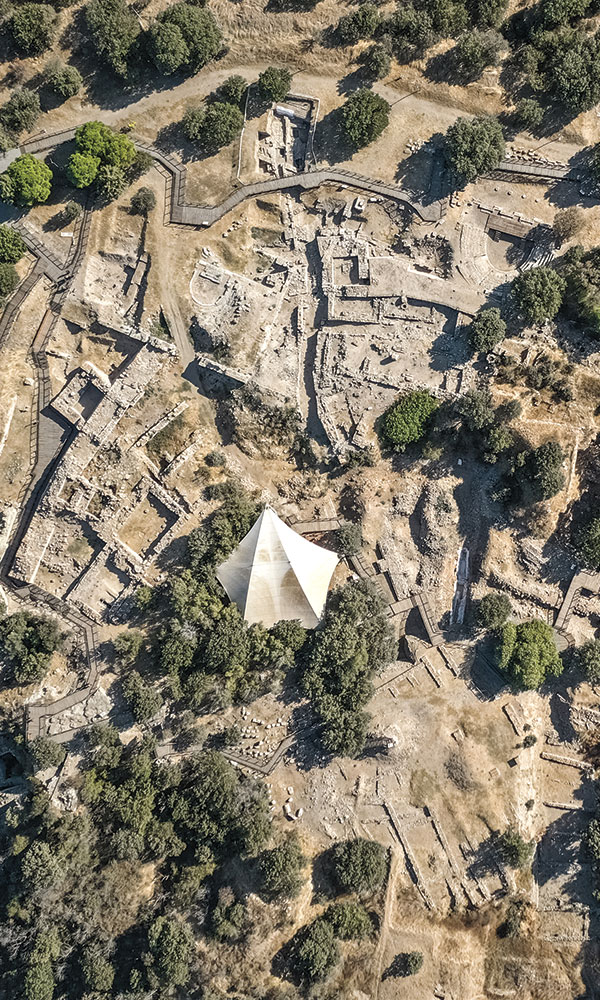
The Unexpected World of the Odyssey
Discovering the surprising inspirations behind Homer’s great tales of the Trojan War
-
Features May/June 2026
Pioneers of Lakefront Living
Why Neolithic and Bronze Age farmers in the Alps built their villages on stilts
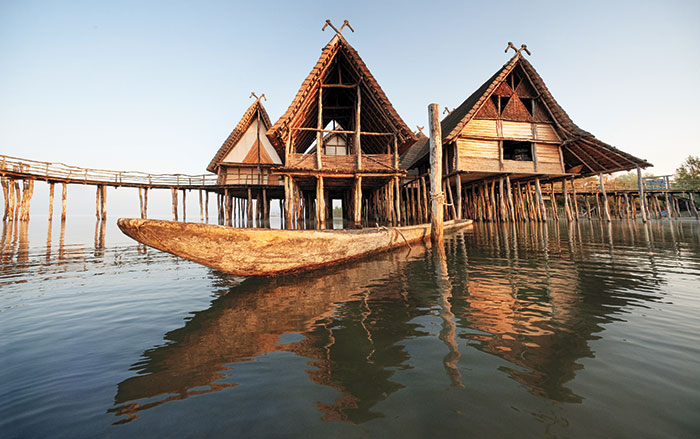 © APM/Frank Müller
 -
Features May/June 2026
The Last Maya Kingdom
On the shores of a lake in Guatemala, the Itzá people defied the Spanish for nearly 200 years
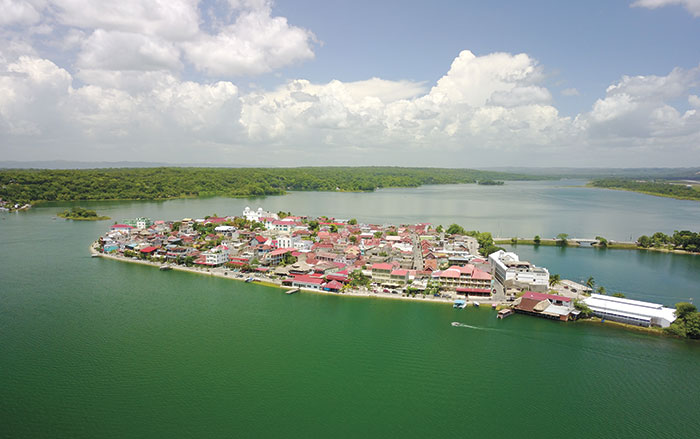 Courtesy Timothy Pugh/Itzá Archaeological Project
 -
Features May/June 2026
Art for the Ages
A surreal style of painting endured for 4,000 years in the canyonlands of West Texas
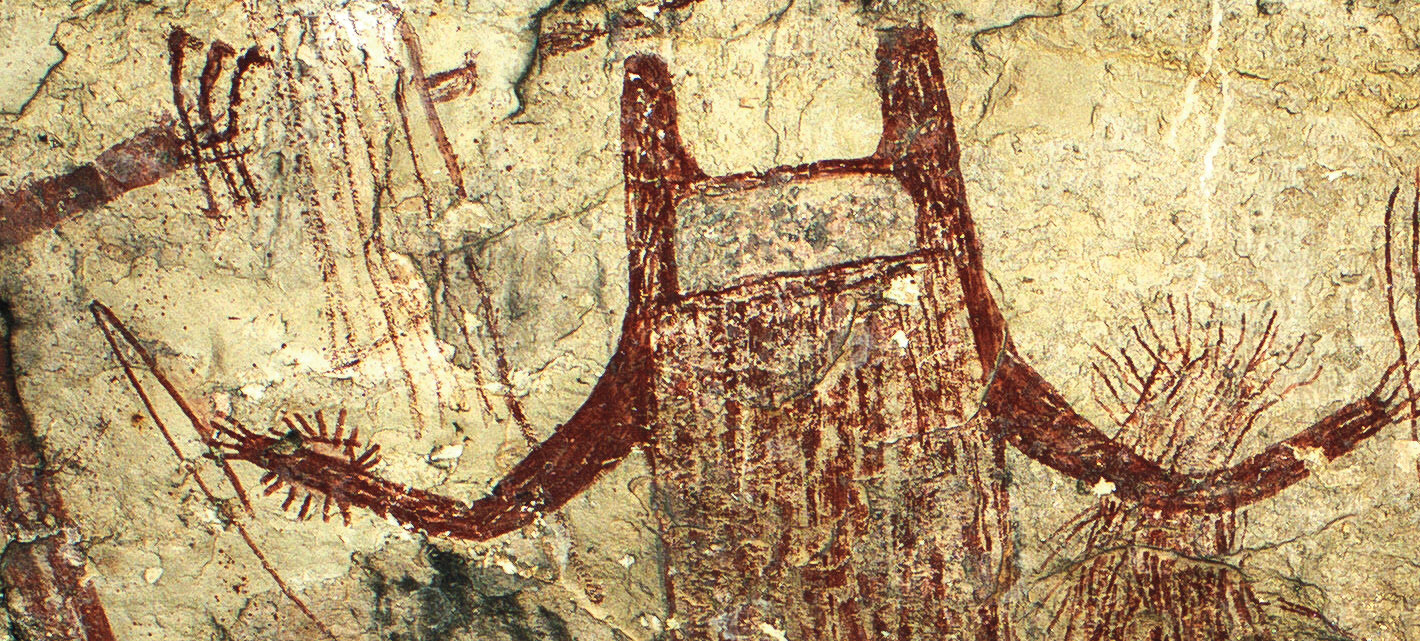 Shumla Archaeological Research and Education Center Archive
 -
Features May/June 2026
Bridge to the Past
The Yellow River brought both prosperity and calamity to China’s dazzling medieval capital
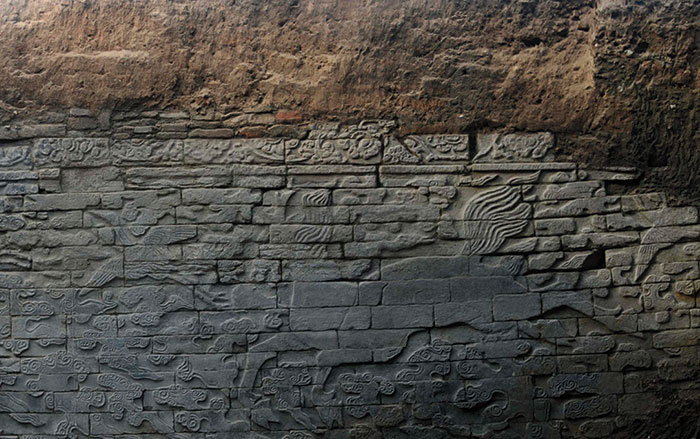 Henan Provincial Institute of Cultural Heritage and Archaeology