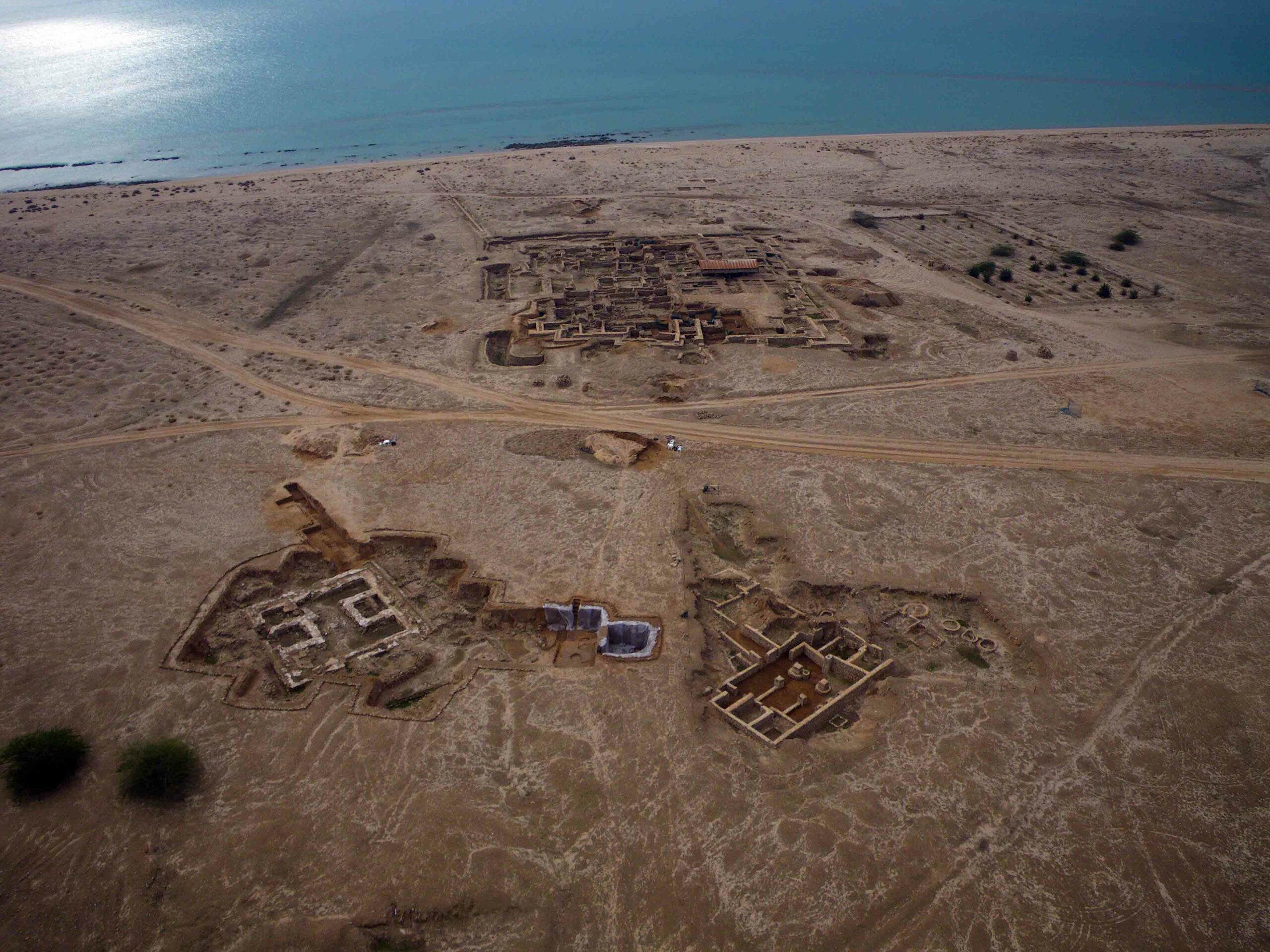
CAIRO, EGYPT—A third-century industrial zone where amphorae, tableware, and bronze statues were produced has been uncovered at the site of Tell Abu-Seifi, in the northern Sinai. Administrative buildings, galleries, and a residential area were also found. An engraving at the site shows how Roman soldiers in the region were divided and distributed among local military castles. “It is a very important discovery that highlights Egypt’s economical and commercial relation with its neighboring countries on the Mediterranean Sea,” said Mohamed Ibrahim, Minister of State for Antiquities.
Roman-Era Industrial Zone Discovered in Egypt
News April 25, 2013
Recommended Articles
Features July/August 2026
Egypt's First Queen
How a trailblazing ruler pulled her realm back from the brink
Features July/August 2026
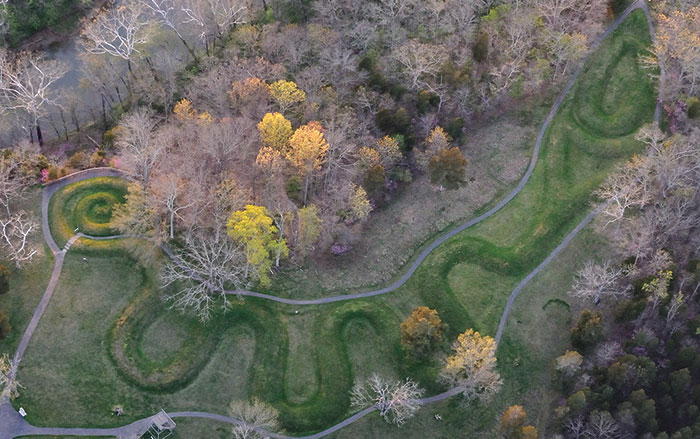
Secrets of the Serpent
Is a Native American origin story embedded in Ohio’s colossal earthwork?
Features July/August 2026
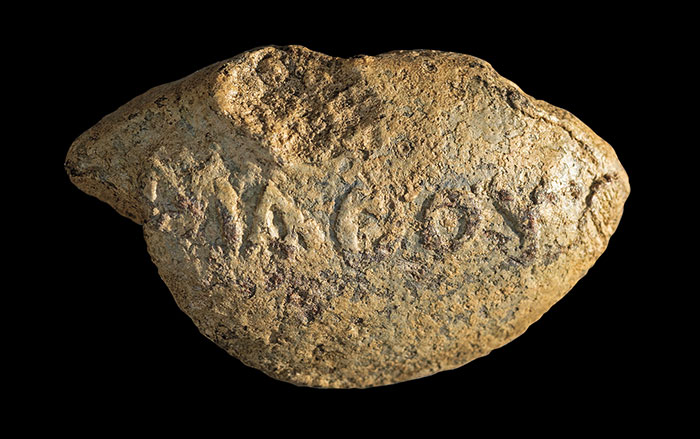
Slinging Insults
Greek and Roman soldiers fired pointed barbs at their enemies
Features July/August 2026
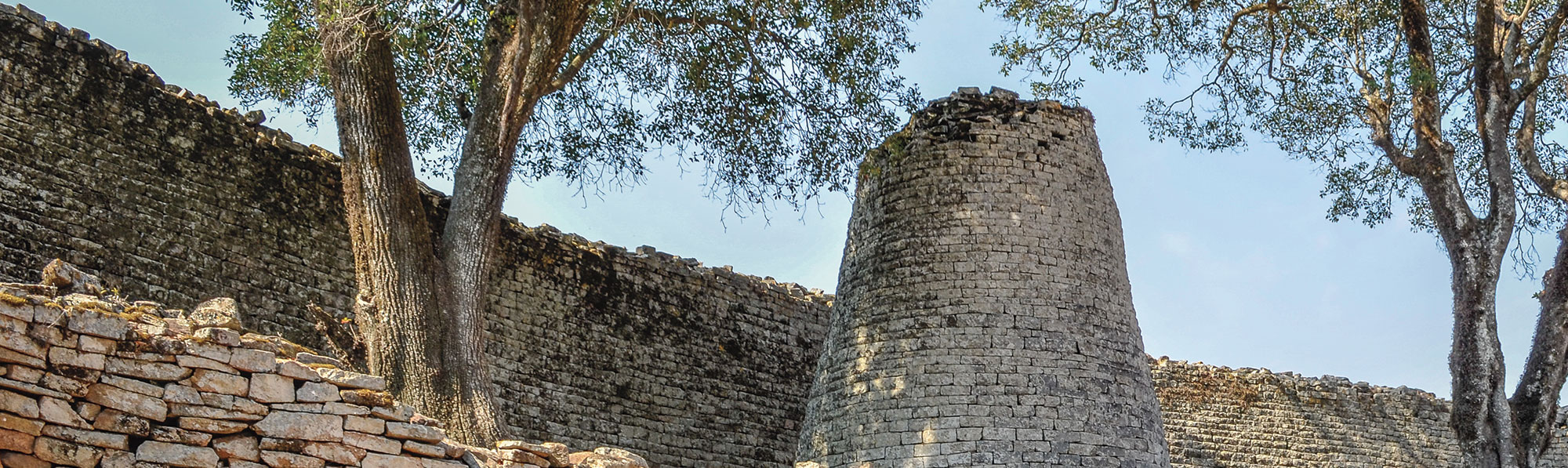
Inside Africa’s Houses of Stone
Archaeologists are rethinking how kings shared power beyond the great capitals of medieval Zimbabwe
-
Features March/April 2013
Pirates of the Original Panama Canal
Searching for the remains of Captain Henry Morgan's raid on Panama City
(Courtesy Captain Morgan Rum Co.) -
Features March/April 2013
A Soldier's Story
The battle that changed European history, told through the lens of a young man’s remains
(Courtesy Dominique Bosquet) -
Letter From Cambodia March/April 2013
The Battle Over Preah Vihear
A territorial dispute involving a 1,100-year-old Khmer temple on the Thai-Cambodian border turns violent
(Masuru Goto) -
Artifacts March/April 2013
Pottery Cooking Balls
Scientific analyses and experimental ARCHAEOLOGY determine that mysterious, 1,000-year-old balls of clay found at Yucatán site were used in cooking
(Courtesy Bolonchen Regional Archaeological Project)