MADISON, WISCONSIN—Flooding of the Mississippi River may be to blame for the eventual abandonment of Cahokia, the largest pre-Columbian city in North America north of Mexico. Sediment cores taken from a lake near the remains of the city contain a thick layer of silt dating to A.D. 1200, plus or minus 80 years. Samuel Munoz of the University of Wisconsin-Madison estimates that such a massive flood could have wiped out crops and destroyed the houses of more than 15,000 people. Munoz’s study of pollen in the area shows that the people deforested the land and grew corn, squash, sunflower, and little barley. “I think the relationships between flooding and the decision to abandon the settlement are pretty complicated, but it’s surprising and exciting to discover this flood happened right in the middle of a key turning point in Cahokia’s history,” he told Live Science.
Catastrophic Flood May Have Contributed to Cahokia’s Decline
News April 25, 2014
Recommended Articles
Features July/August 2026
Egypt's First Queen
How a trailblazing ruler pulled her realm back from the brink
Features July/August 2026
Secrets of the Serpent
Is a Native American origin story embedded in Ohio’s colossal earthwork?
Features July/August 2026
Slinging Insults
Greek and Roman soldiers fired pointed barbs at their enemies
Features July/August 2026
Inside Africa’s Houses of Stone
Archaeologists are rethinking how kings shared power beyond the great capitals of medieval Zimbabwe
-
Features March/April 2014
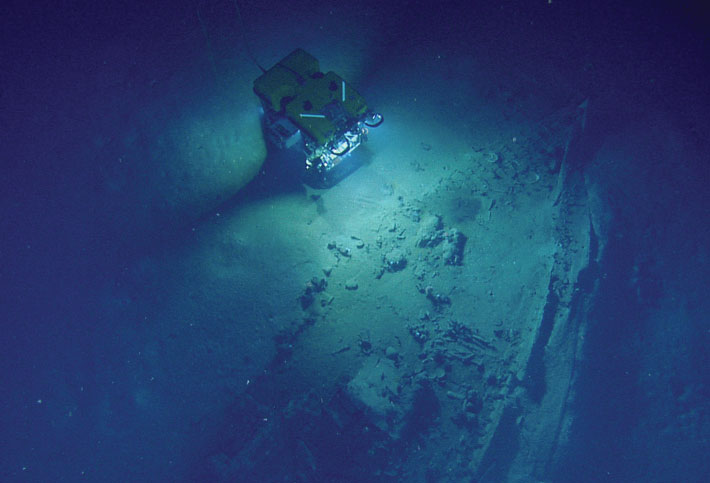
All Hands on Deck
Inviting the world to explore a shipwreck deep in the Gulf of Mexico
(Courtesy NOAA) -
Features March/April 2014
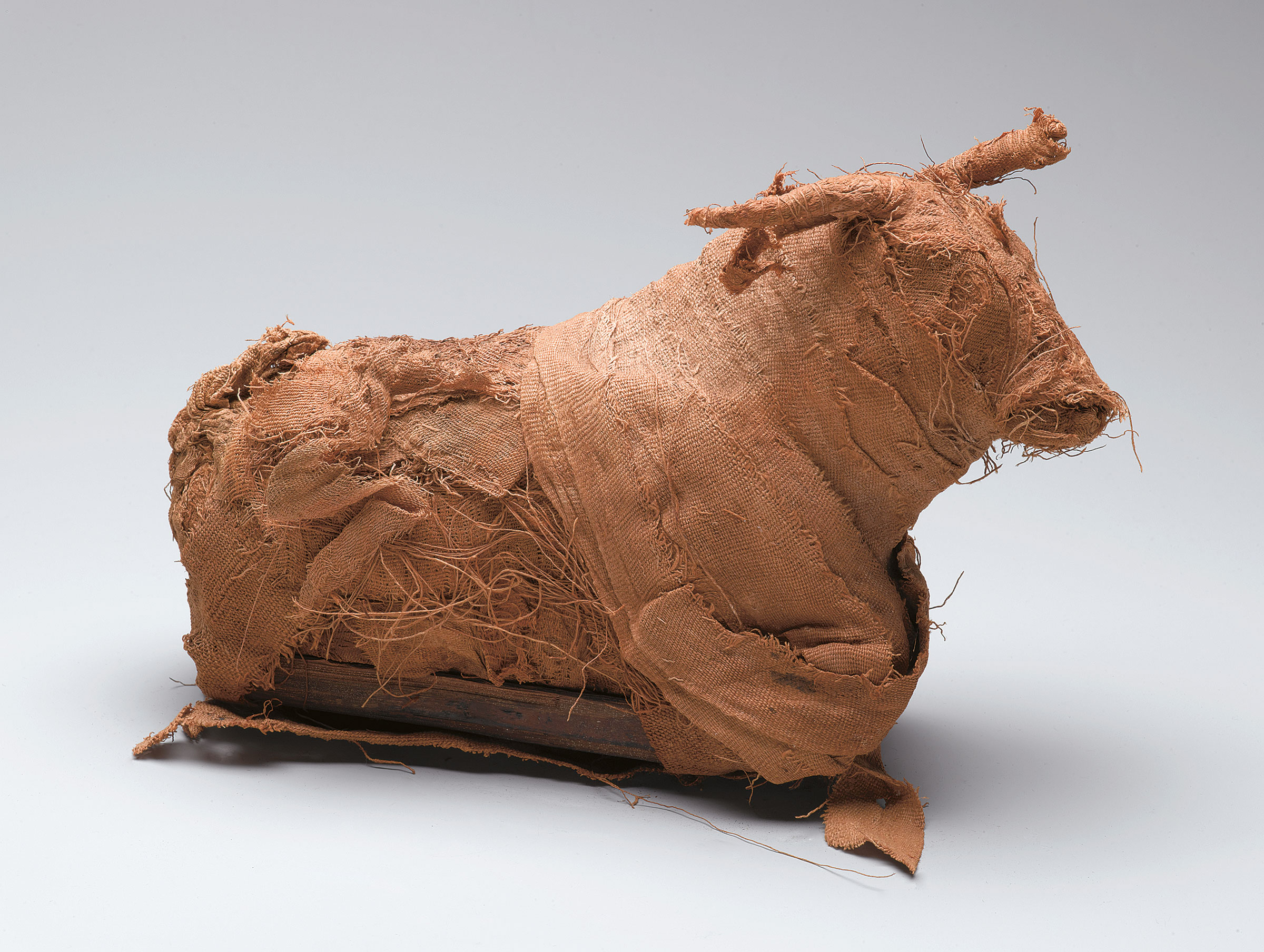
Messengers to the Gods
During a turbulent period in ancient Egypt, common people turned to animal mummies to petition the gods, inspiring the rise of a massive religious industry
Courtesy The Brooklyn Museum -
Letter From Borneo March/April 2014
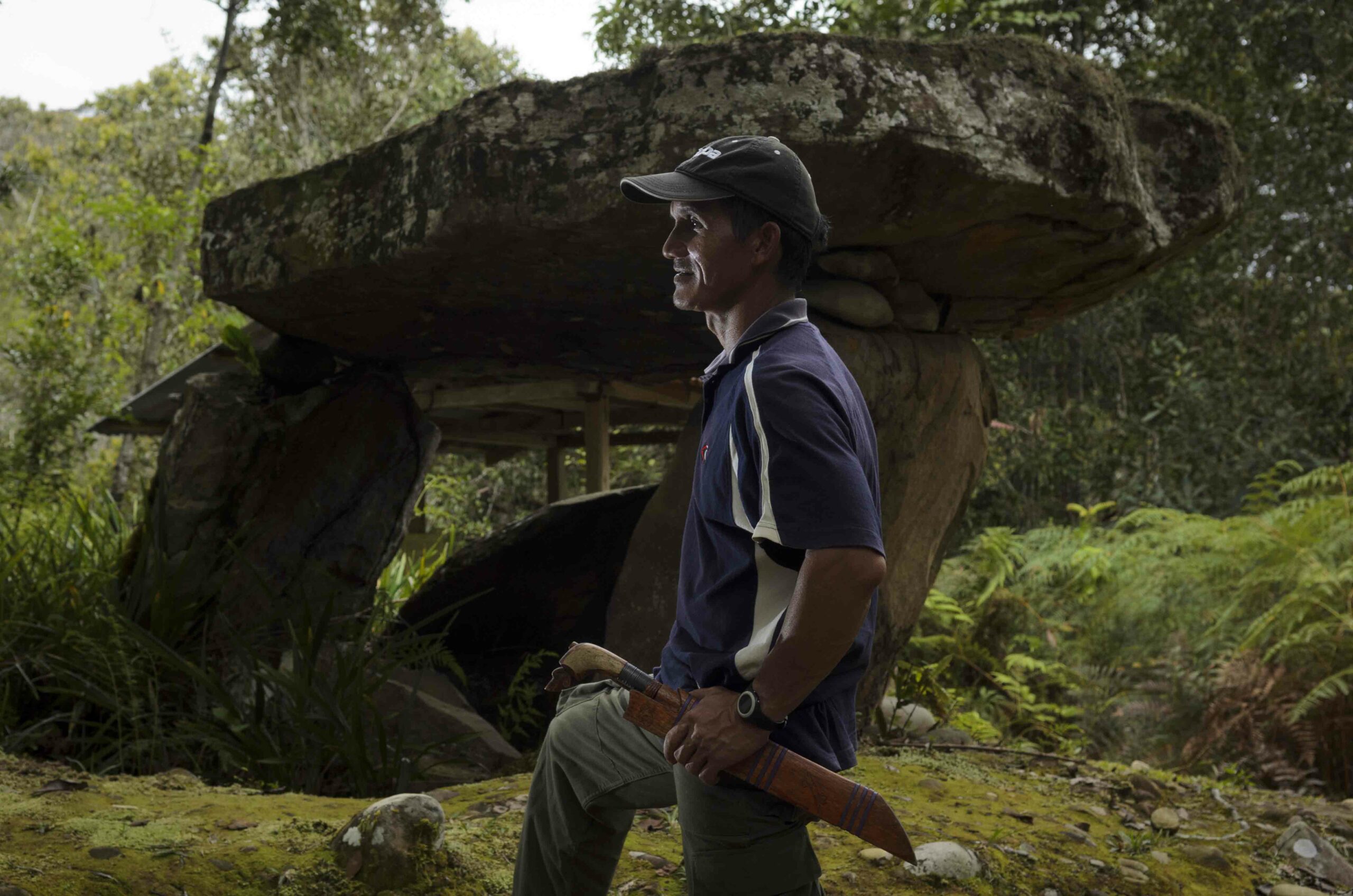
The Landscape of Memory
ARCHAEOLOGY, oral history, and culture deep in the Malaysian jungle
(Jerry Redfern) -
Artifacts March/April 2014
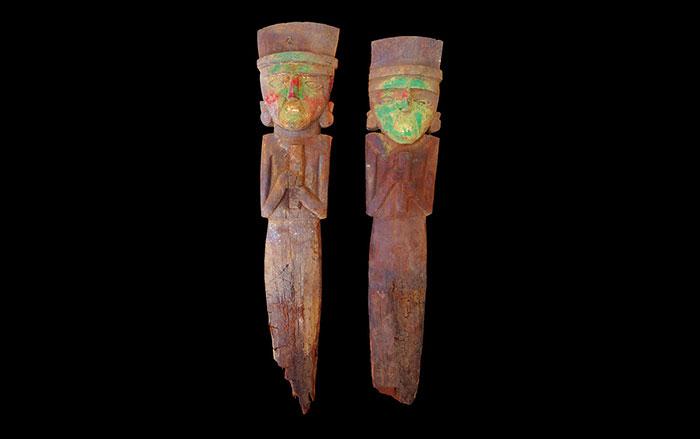
Chimú-Inca Funerary Idols
(Matthew Helmer)