

JERUSALEM, ISRAEL—The Jerusalem Post reports that archaeologists from The Hebrew University of Jerusalem, Azusa Pacific University in Los Angeles, and Cornell University are conducting the first excavations at Tell Avil al-Qamh, strategically located in northern Israel near the borders of Canaanite, Aramean and Phoenician lands and the road to Damascus. So far, Iron Age structures dating to the twelfth and eleventh centuries B.C. have been uncovered with the help of volunteers, including a feature that may have been a tower overlooking the Huleh Valley to the south. Among the recovered artifacts are a Phoenician ring flask, typically used for holding precious oils or drugs; and a small jug containing pieces of hacksilver, which may have been used as a means of exchange.
Excavations Begin at Strategic Biblical Town in Northern Israel
News June 23, 2014
Recommended Articles
Off the Grid September/October 2026
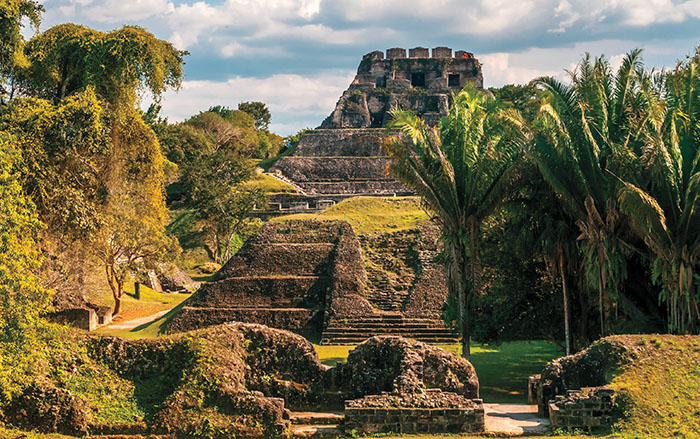
Xunantunich, Belize
Learning to draw monkeys at an ancient Maya art academy
Letter from Ireland September/October 2026
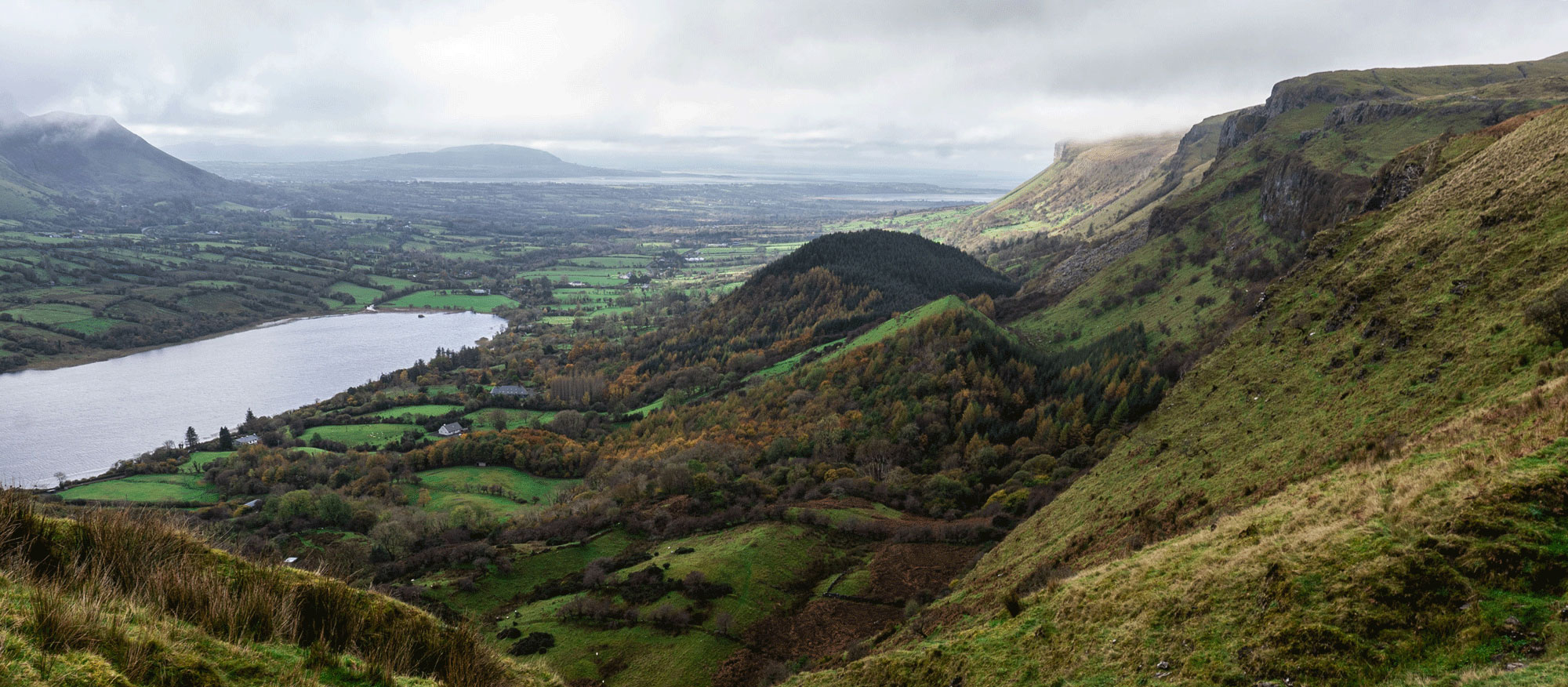
A War Between Friends
How IRA volunteers survived the Irish Civil War in a secret mountain hideout
Features September/October 2026
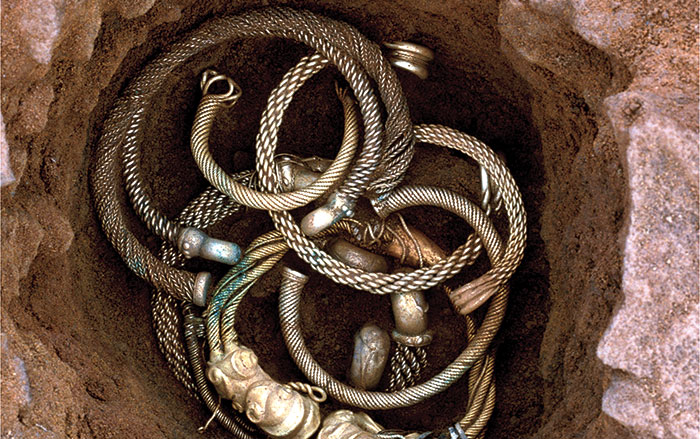
A Change in Fashion
Hoards of lavish gold and silver neck rings buried on an English hill reflect dramatic social change
Features September/October 2026
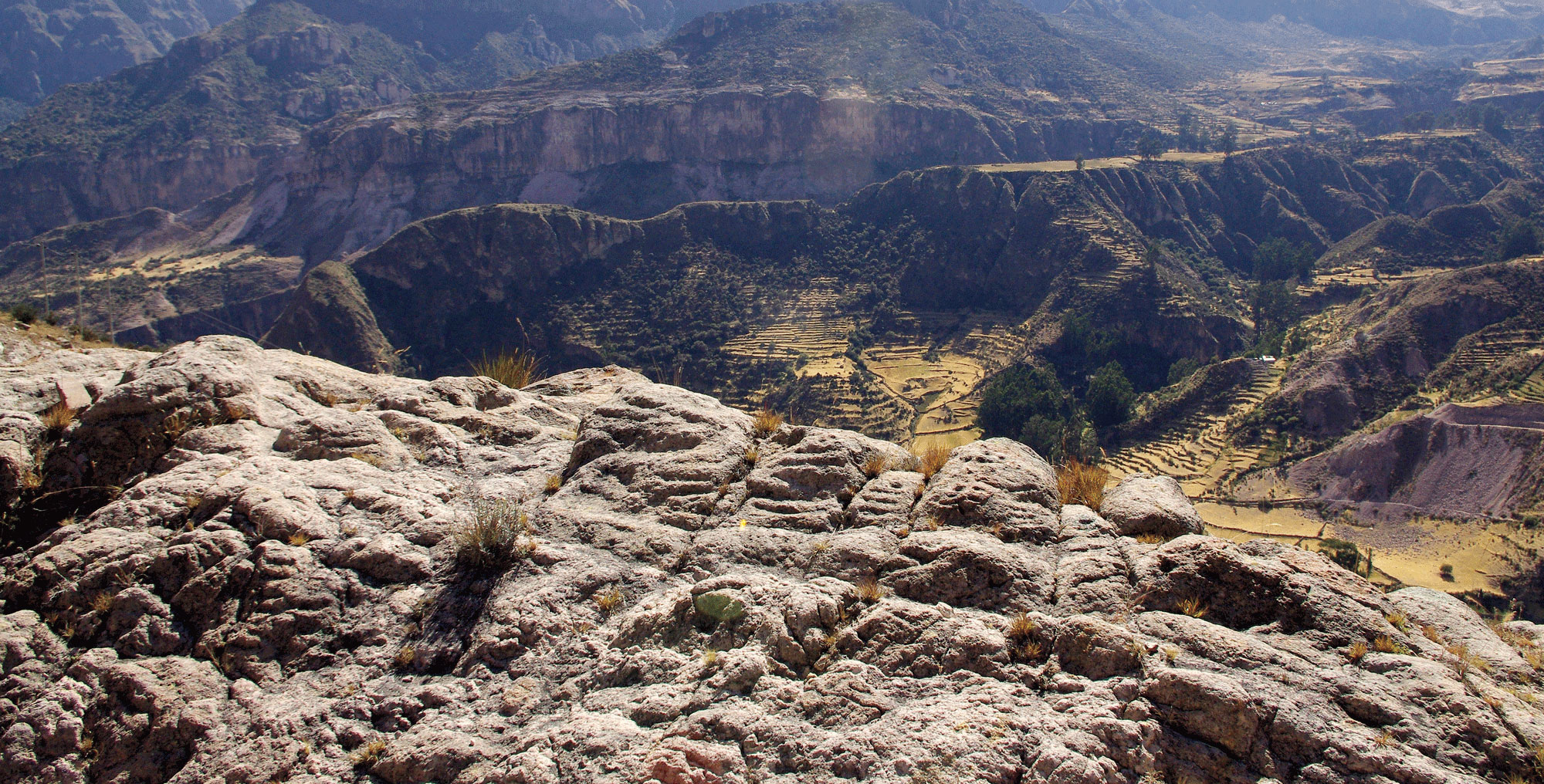
Cultivating Fields of Stone
Peru’s ancient farmers used intricate rock maps to plan for the future
More to Discover
Features May/June 2014
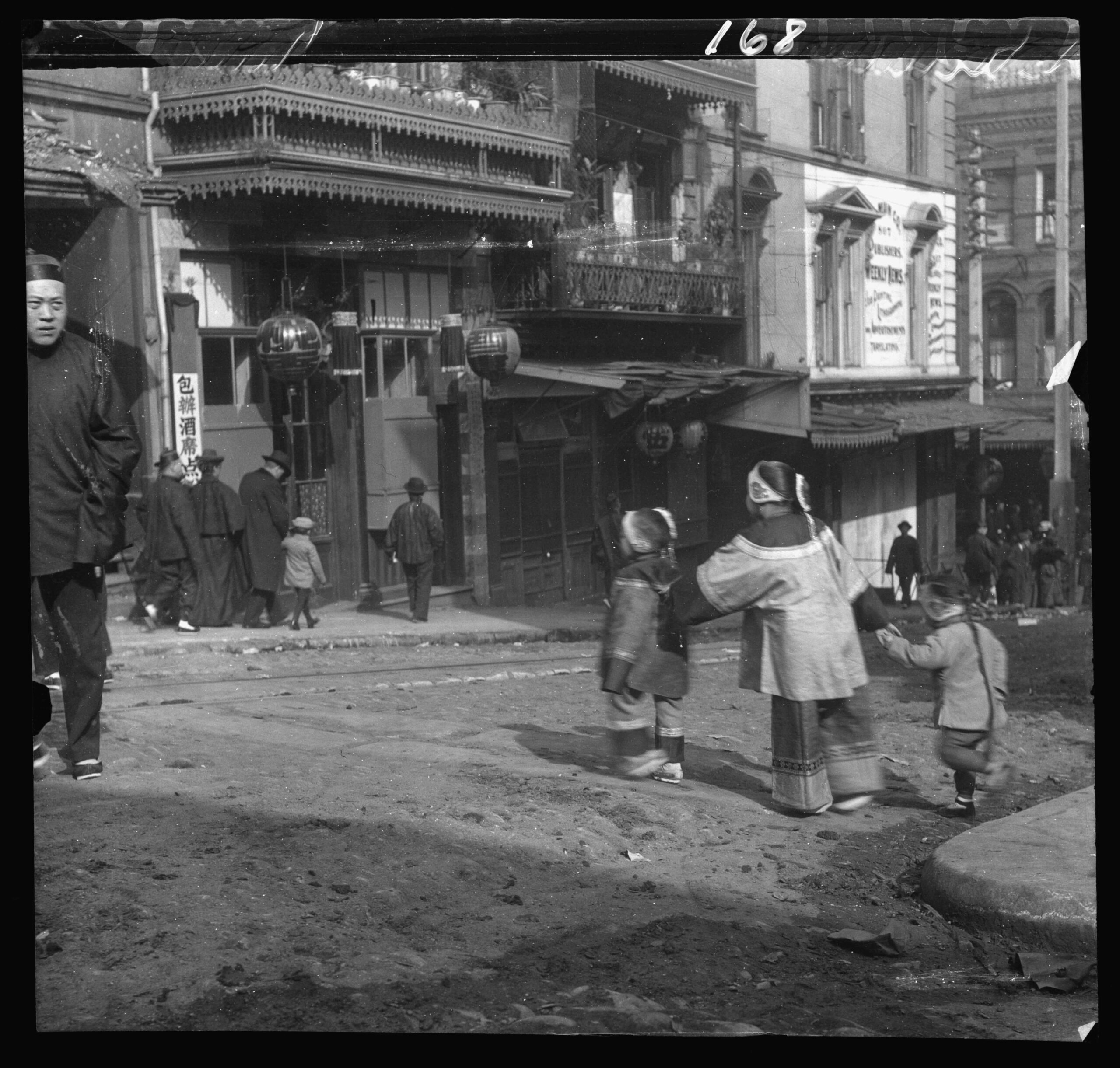
America’s Chinatowns
Dozens of digs and collections are revealing the culture, diversity, and challenges of the first Chinese Americans
-
Features May/June 2014
Searching for the Comanche Empire
In a deep gorge in New Mexico, archaeologists have discovered a unique site that tells the story of a nomadic confederacy's rise to power in the heart of North America
 (Smithsonian American Art Museum, Washington, DC/Art Resource, NY)
 -
Letter from Philadelphia May/June 2014
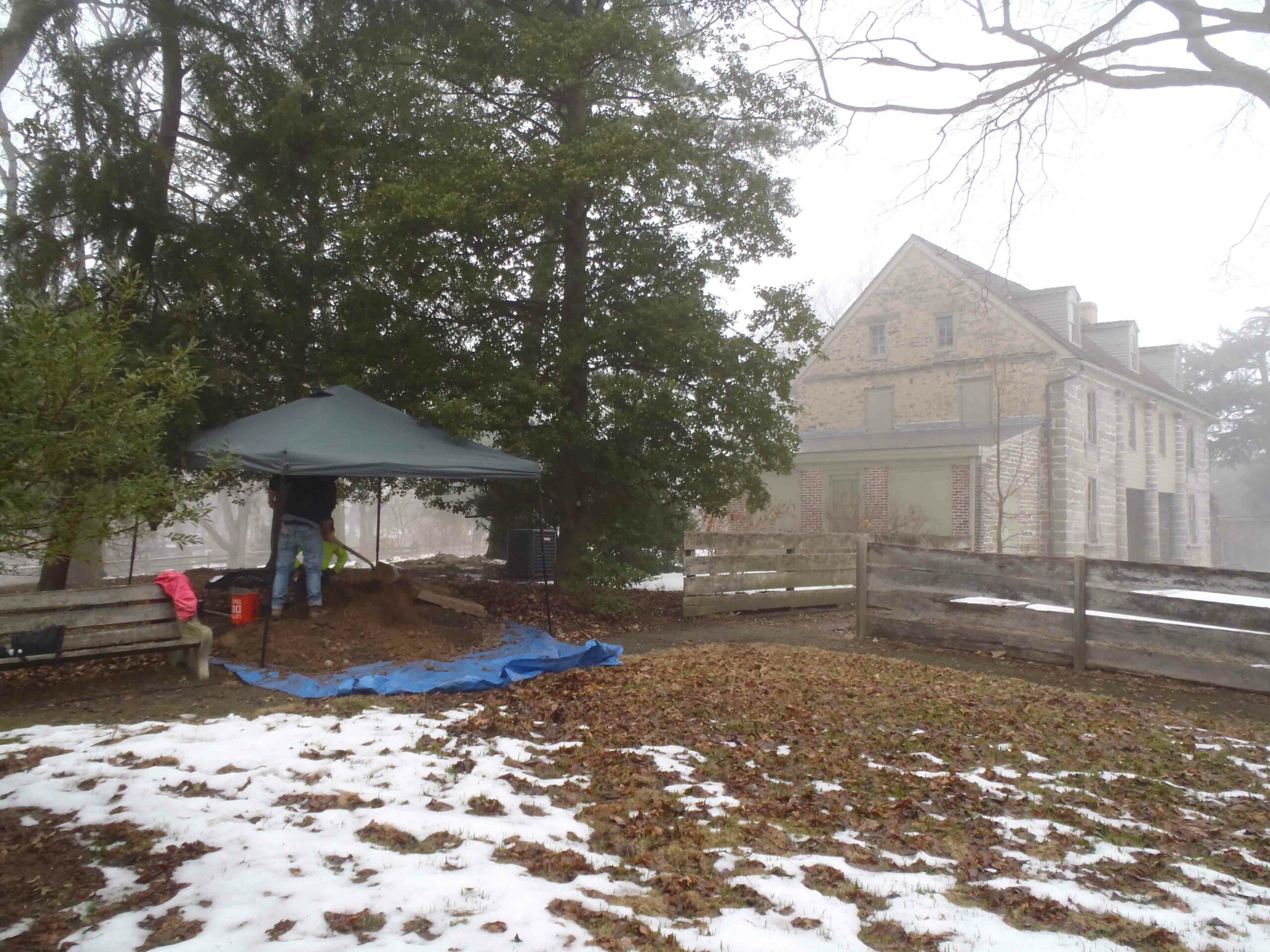
City Garden
The unlikely preservation of thousands of years of history in a modern urban oasis
 (Courtesy URS Corporation, Photo: Kimberly Morrell)
 -
Artifacts May/June 2014
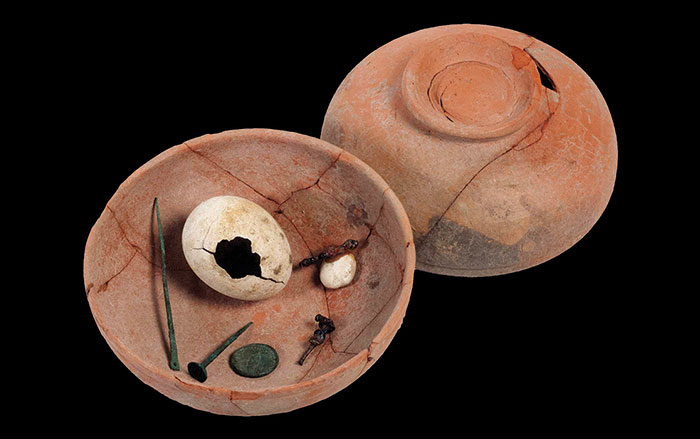
Roman Ritual Deposit
 (Archaeological Exploration of Sardis)
 -
Digs & Discoveries May/June 2014
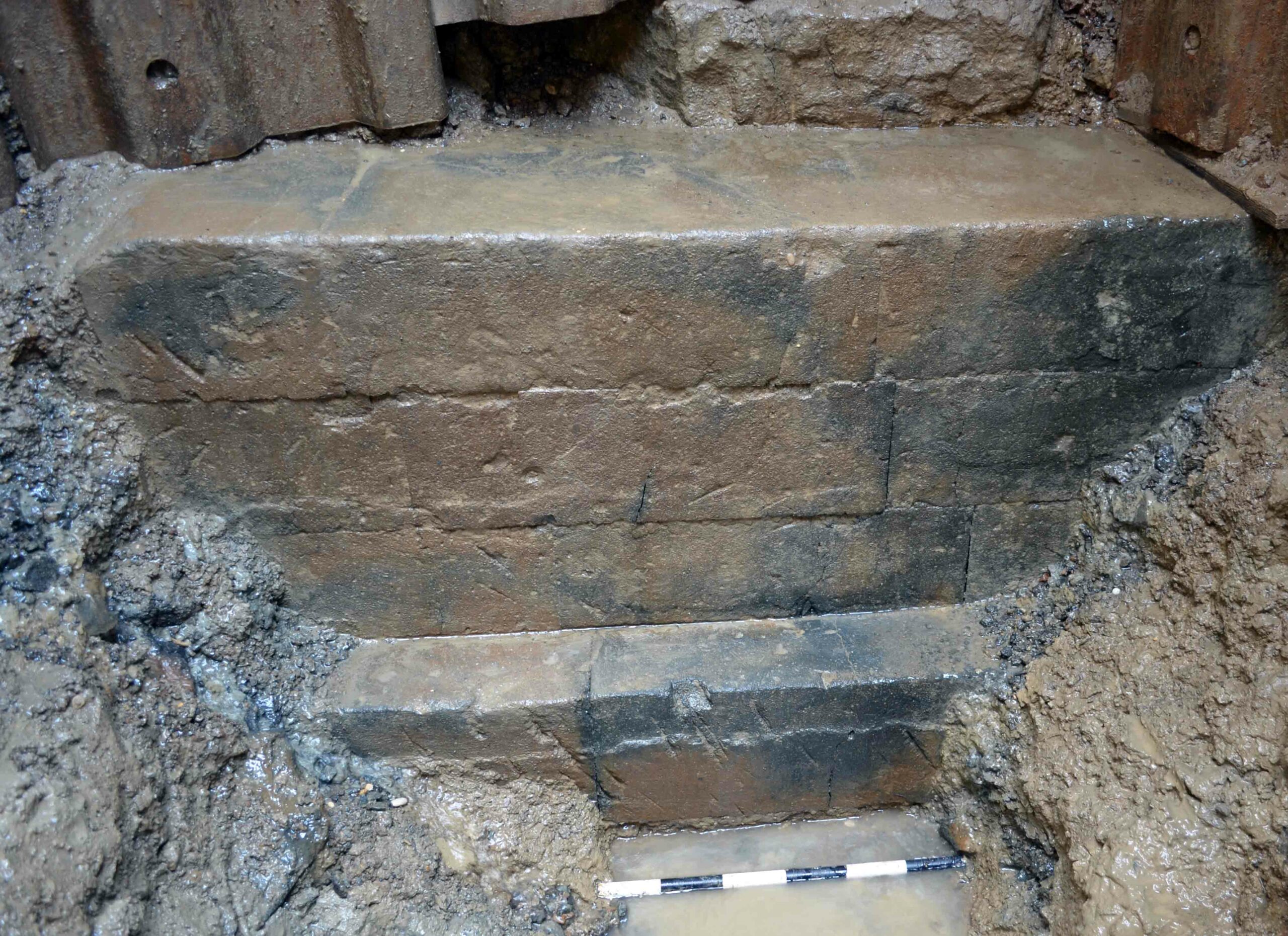
A Brief Glimpse into Early Rome
 (Courtesy Dan Diffendale/Sant'Omobono Project)