

CHENNAI, INDIA—The Times of India reports that the bones of 28 different animals have been identified at Molapalayam, a Neolithic site in the southernmost state of Tamil Nadu. “A faunal analysis reveals that people who lived here constituted a pastoral community that reared cattle, sheep, and goat,” said archaeologist V. Selvakumar of Tamil University. “They also hunted animals such as deer and antelope. Their food also included a diverse range of small millets and pulses,” Selvakumar added. Among the many animal bones, the researchers identified four bones of an Indian rhinoceros, which lives in grasslands and marshes. “This is a significant find as rhinos survived [in southern India] up to the middle of the second millennium B.C.,” explained Abhayan G.S. of the University of Kerala. “According to the current zoogeography, the animal is restricted to Assam and northeastern plans of India,” Abhayan concluded. To read about a third-century b.c. elephant sculpture unearthed in India's state of Odisha, go to "The Elephant and the Buddha."
Rhino Bones Discovered at Tamil Nadu Neolithic Site
News January 30, 2026
Recommended Articles
Digs & Discoveries July/August 2026
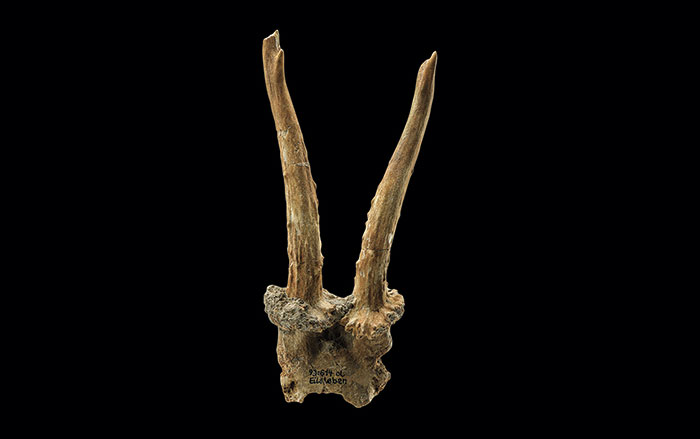
A Surprising Encounter
Features May/June 2026
Pioneers of Lakefront Living
Why Neolithic and Bronze Age farmers in the Alps built their villages on stilts

Model Homes March/April 2026
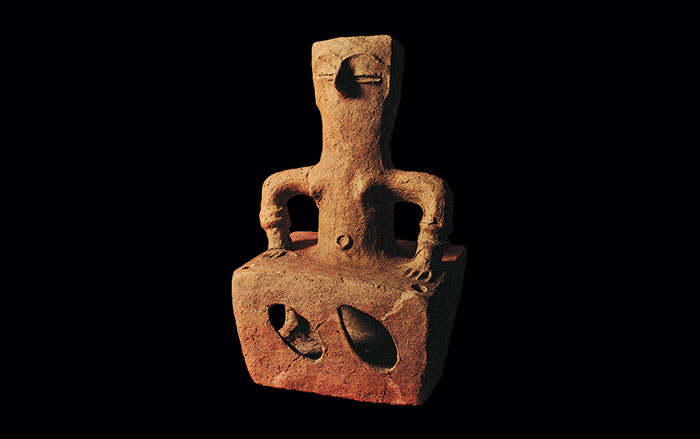
Head of the Household
LOCATION: North Macedonia
DATES: Ca. 6400
Letter from France January/February 2026
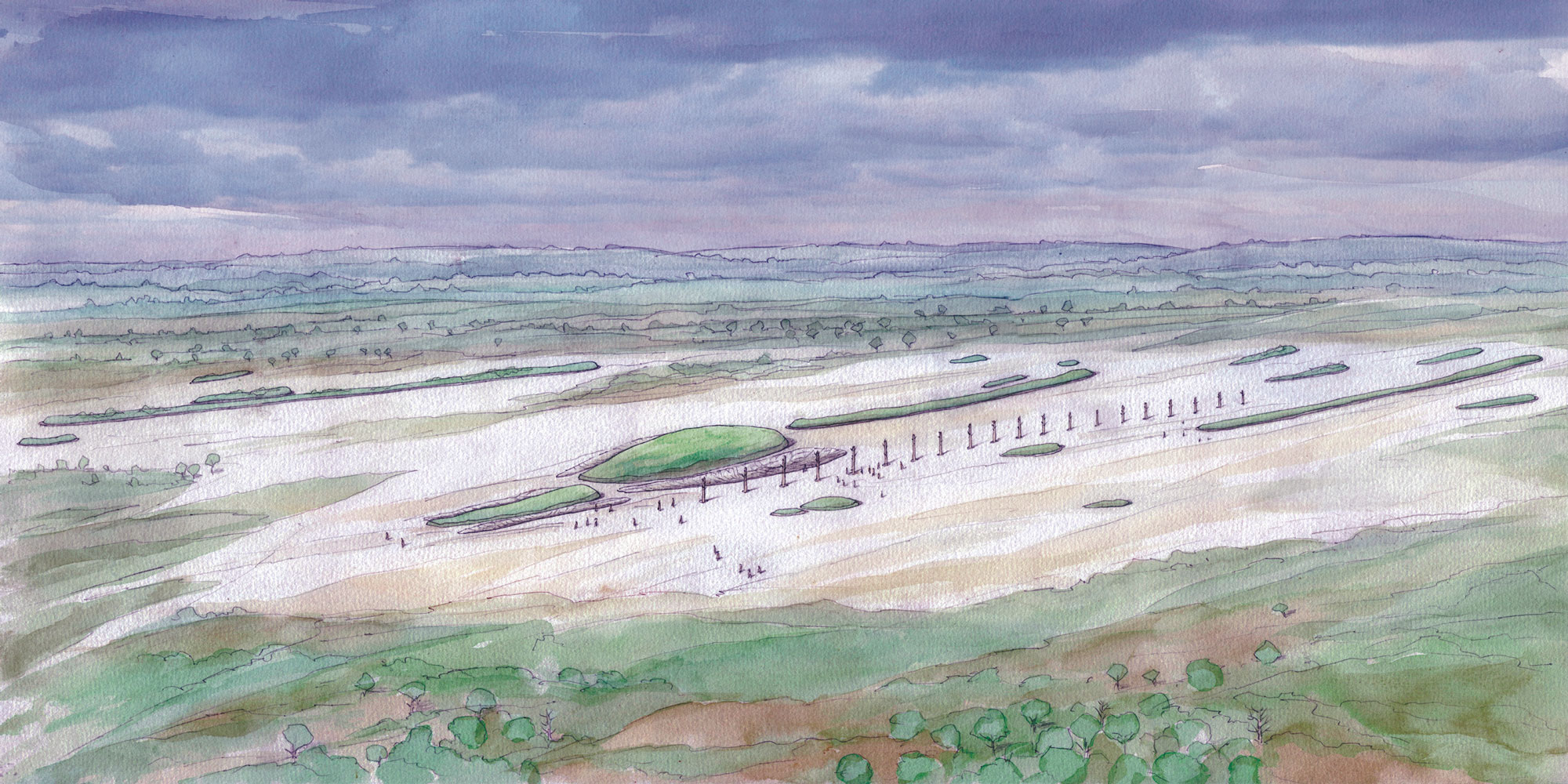
Neolithic Cultural Revolution
How farmers came together to build Europe’s most grandiose funerary monuments some 7,000 years ago
More to Discover
Features January/February 2026
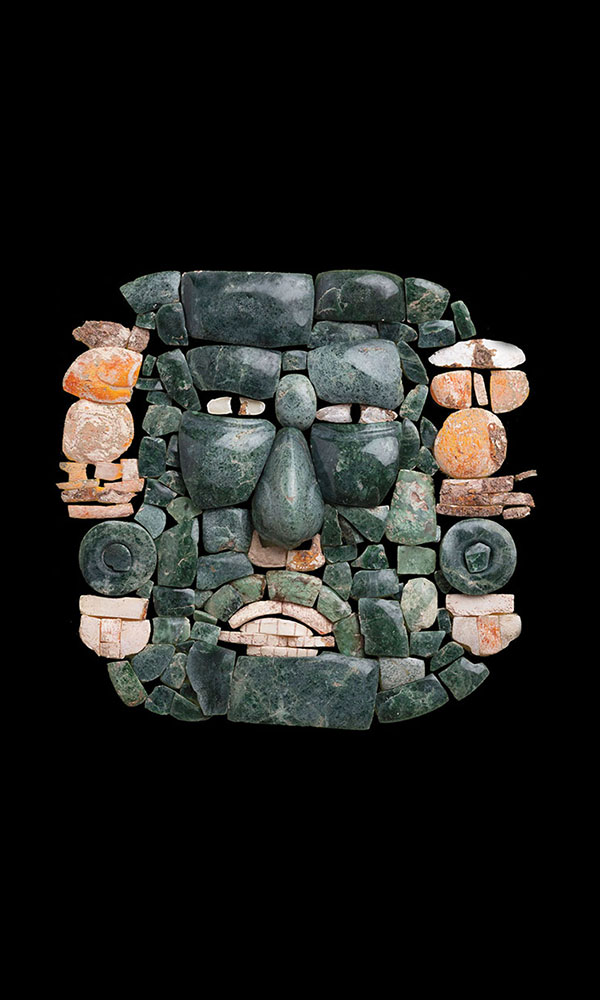
Top 10 Discoveries of 2025
ARCHAEOLOGY magazine’s editors reveal the year’s most exciting finds

-
Features January/February 2026
The Cost of Doing Business
Piecing together the Roman empire’s longest known inscription—a peculiarly precise inventory of prices
 Ece Savaş and Philip Stinson
 -
Features January/February 2026
The Birds of Amarna
An Egyptian princess seeks sanctuary in her private palace
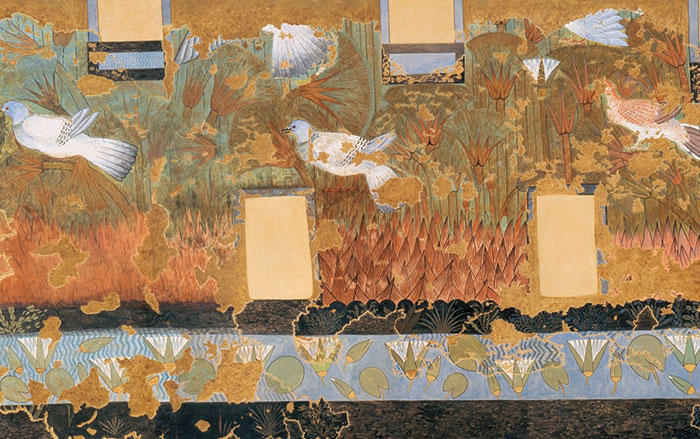 The Metropolitan Museum of Art, New York/ Rogers Fund, 1930
 -
Features January/February 2026
Taking the Measure of Mesoamerica
Archaeologists decode the sacred mathematics embedded in an ancient city’s architecture
 Courtesy Claudia I. Alvarado-León
 -
Features January/February 2026
Stone Gods and Monsters
3,000 years ago, an intoxicating new religion beckoned pilgrims to temples high in the Andes
 Courtesy John Rick