

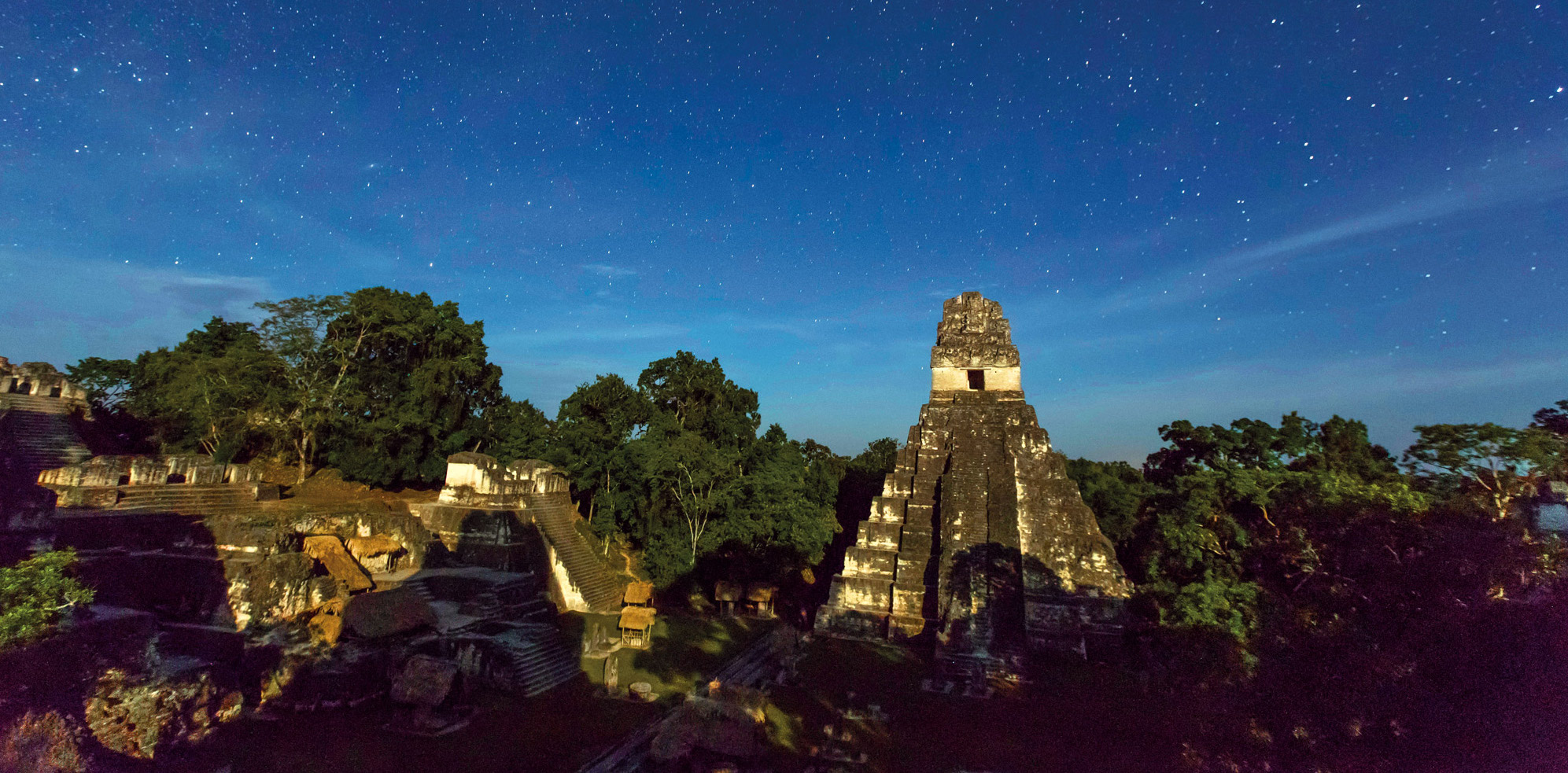
MONTREAL, CANADA—According to a statement released by the University of Montreal, recent analysis of the water system at the Maya city of Ucanal in northern Guatemala determined that it was effective at controlling visible pollutants and bacteria, but was contaminated by mercury, which would have been undetectable. Sediments from three reservoirs in the city were tested for biological pollution and chemical contamination: Aguada 2, located in a wealthy area; Aguada 3, located in a modest neighborhood; and Piscina 2, which was connected to the city’s drainage system. Jean Tremblay and Christina Halperin of the University of Montreal found that Ucanal’s water system was free of blue-green algae, which has been detected in other Maya water systems. The Aguada 2 reservoir was on high ground, where the water was filtered by rock-filled inlet channels. The study also suggests that the basins were surrounded by shady vegetation to keep the water cool, thereby hampering the growth of cyanobacteria. Additionally, the sediments were found to lack the phosphorus associated with algae growth. Low levels of fecal matter were detected in Aguada 2 as well. Aguada 3, however, was found to have been polluted with broken ceramics and domestic waste. This basin may have been used for wastewater collection or as a reservoir for workshop use rather than for drinking water. Less contamination was detected in Piscina 2, perhaps because it was connected to a drainage canal that kept the water flowing. But sediments from all three reservoirs were found to be contaminated with mercury from the bright red pigment cinnabar. The color was applied to steles, buildings, objects, and the dead. “It wasn’t just the elites using it—everyone was exposed,” said Halperin. As the use of cinnabar expanded, the levels of mercury in the basins increased. “They had no way of knowing it was toxic,” Tremblay said. For more on Ucanal, go to "A Dynasty Born in Fire."
Water Safety at Guatemala’s Maya City of Ucanal Analyzed
News March 5, 2026
Recommended Articles
Features May/June 2026
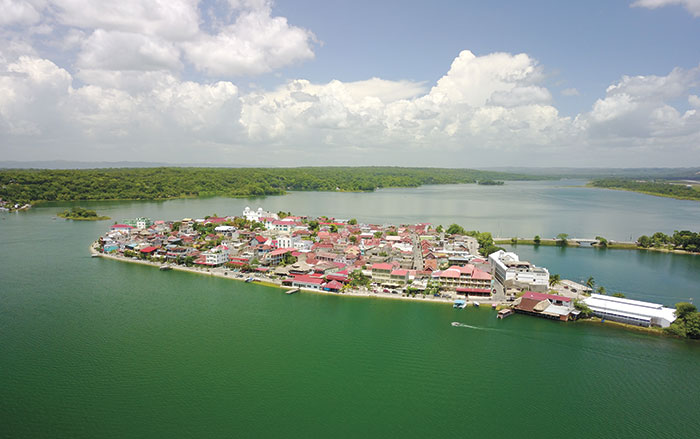
The Last Maya Kingdom
On the shores of a lake in Guatemala, the Itzá people defied the Spanish for nearly 200 years
Features January/February 2025
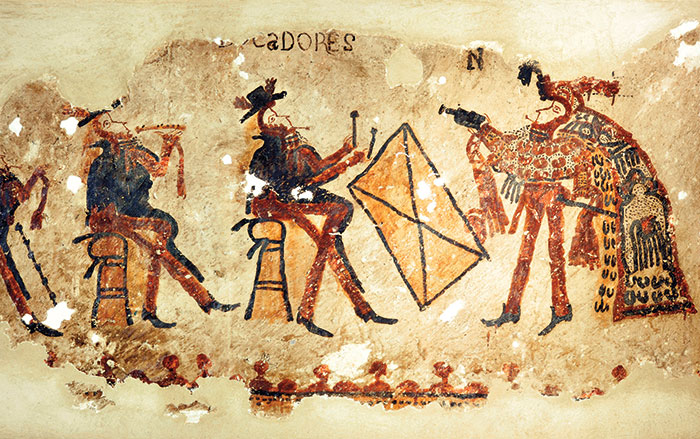
Dancing Days of the Maya
In the mountains of Guatemala, murals depict elaborate performances combining Catholic and Indigenous traditions
Features November/December 2024
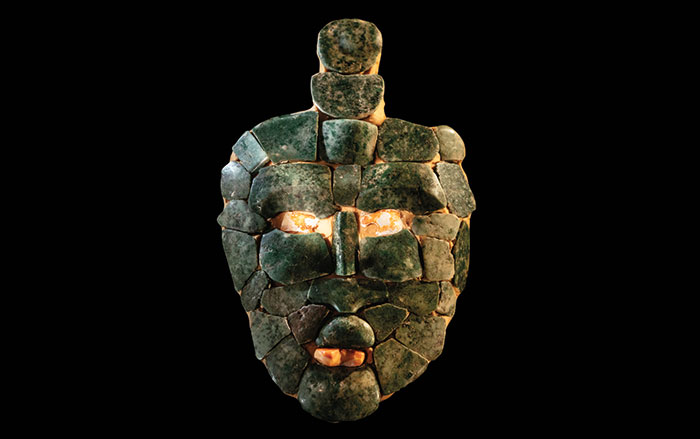
Chalice of Souls
A Maya jade heirloom embodies an enduring sacred tradition
More to Discover
Features March/April 2026
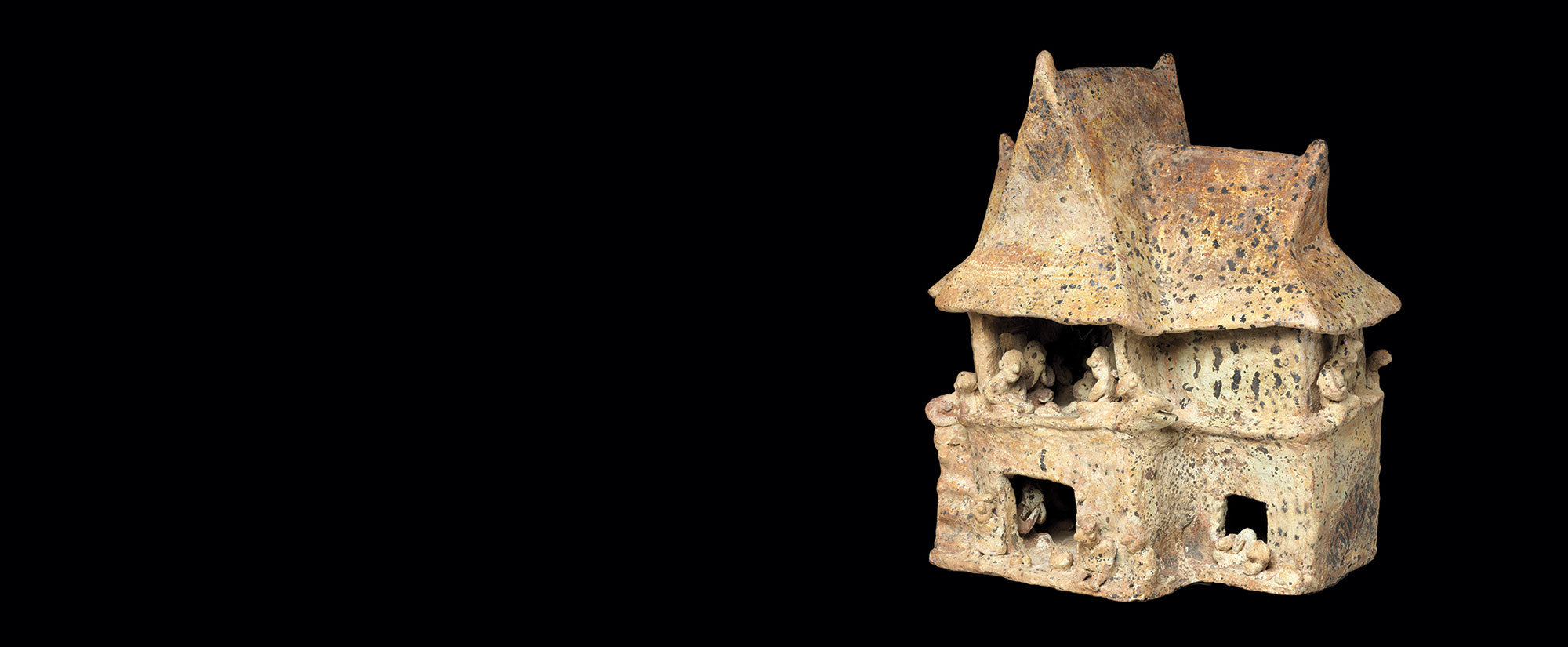
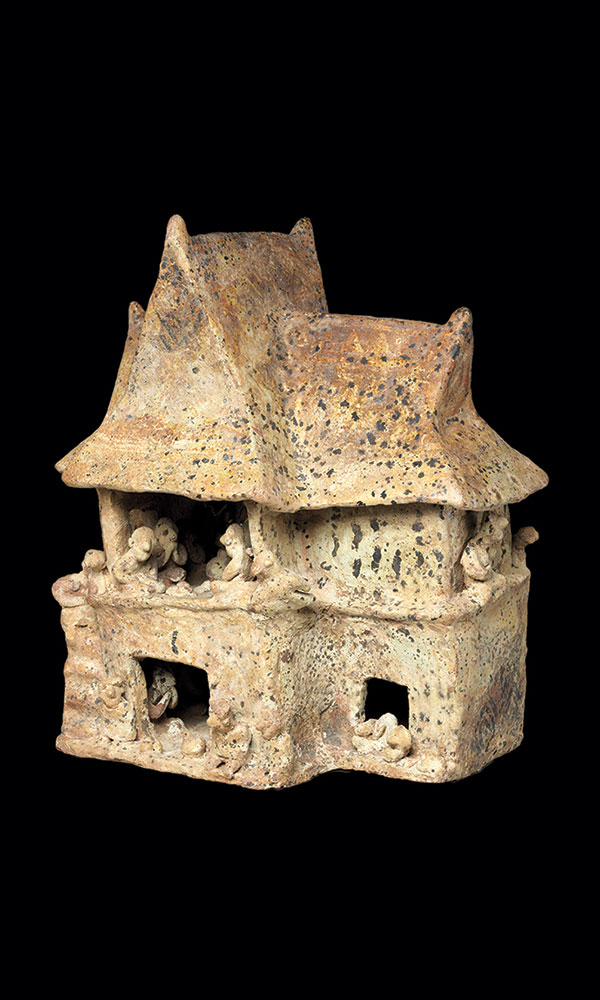
Model Homes
A look inside miniature worlds created for the living, the dead, and the divine
-
Features March/April 2026
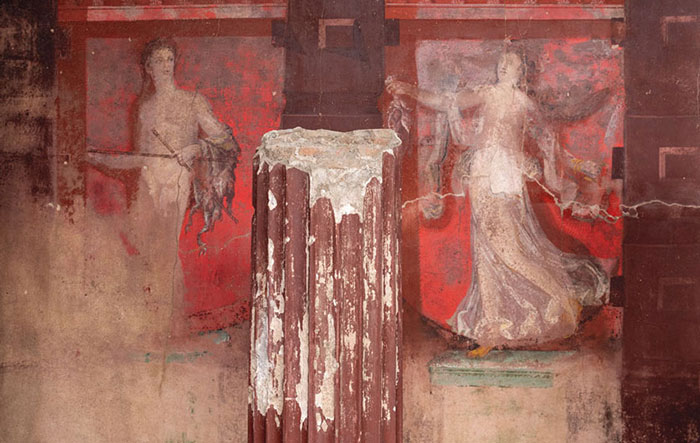
Pompeii's House of Dionysian Delights
Vivid frescoes in an opulent dining room celebrate the wild rites of the wine god
 Courtesy Archaeological Park of Pompeii
 -
Features March/April 2026
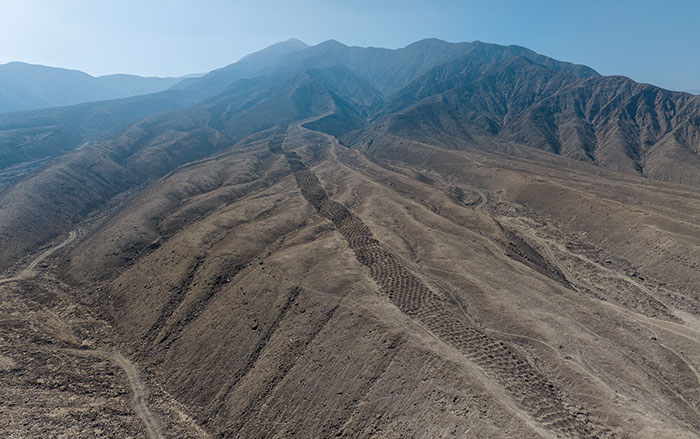
Return to Serpent Mountain
Discovering the true origins of an enigmatic mile-long pattern in Peru’s coastal desert
 Courtesy J.L. Bongers
 -
Features March/April 2026
Himalayan High Art
In a remote region of India, archaeologists trace 4,000 years of history through a vast collection of petroglyphs
 Matt Stirn
 -
Features March/April 2026
What Happened in Goyet Cave?
New analysis of Neanderthal remains reveals surprisingly grim secrets
 IRSNB/RBINSL