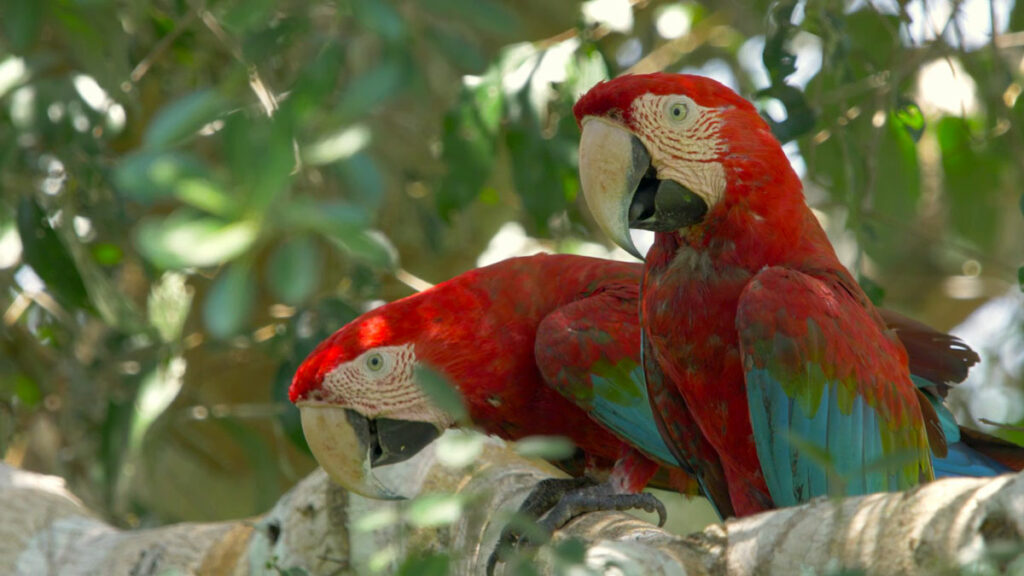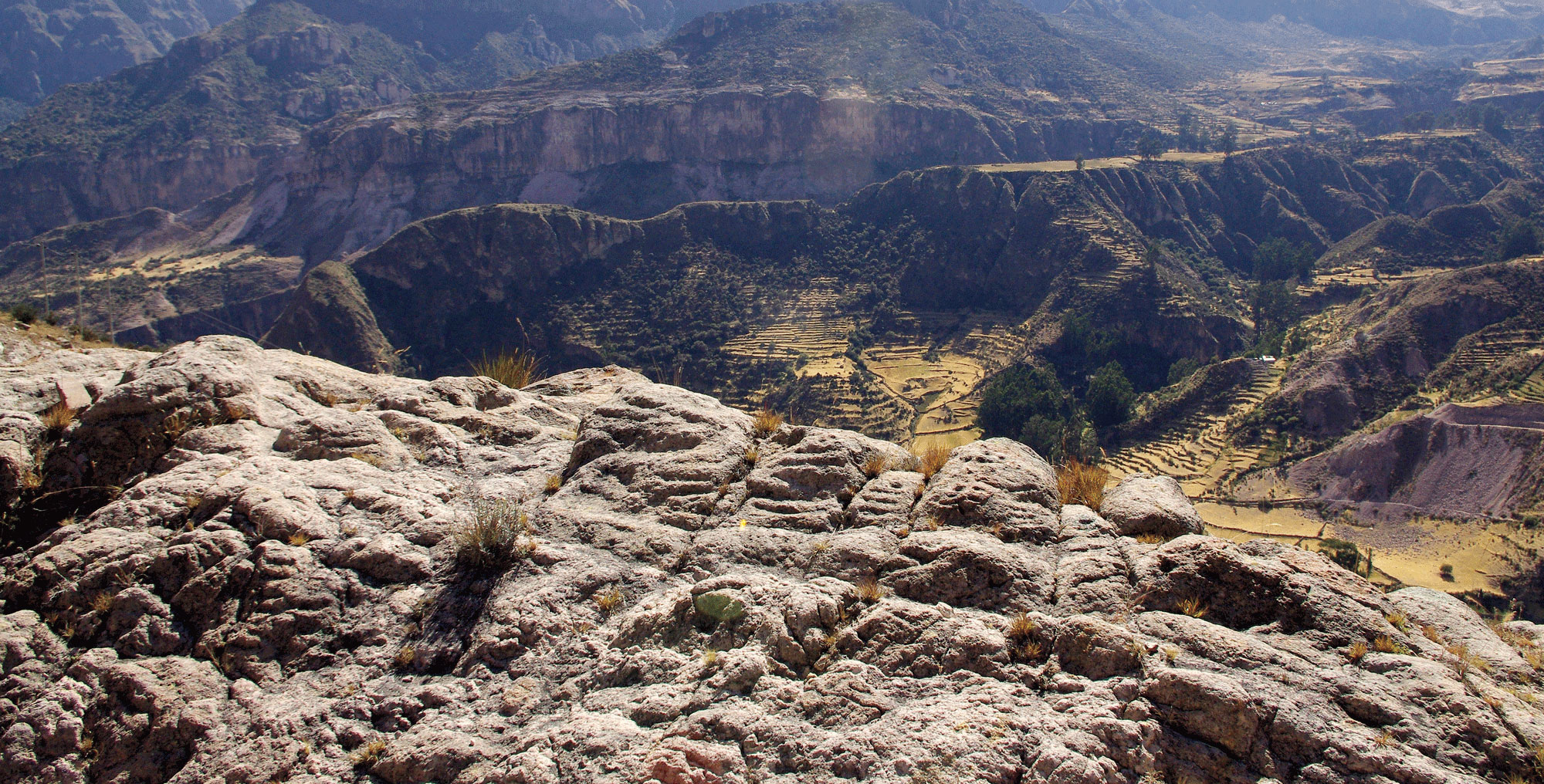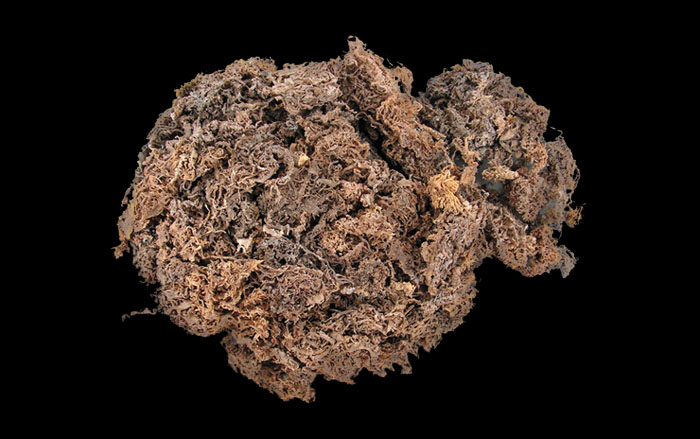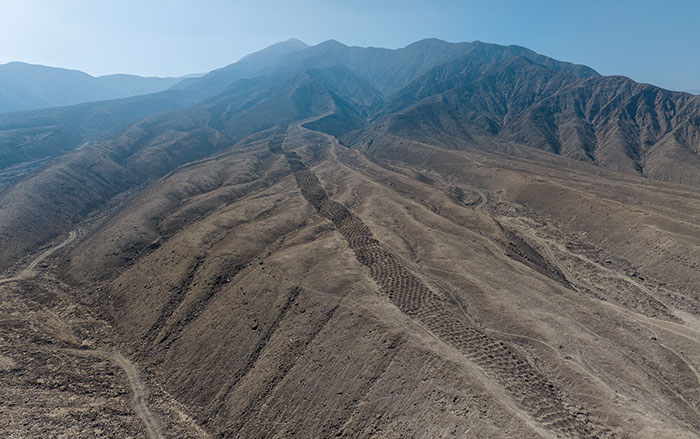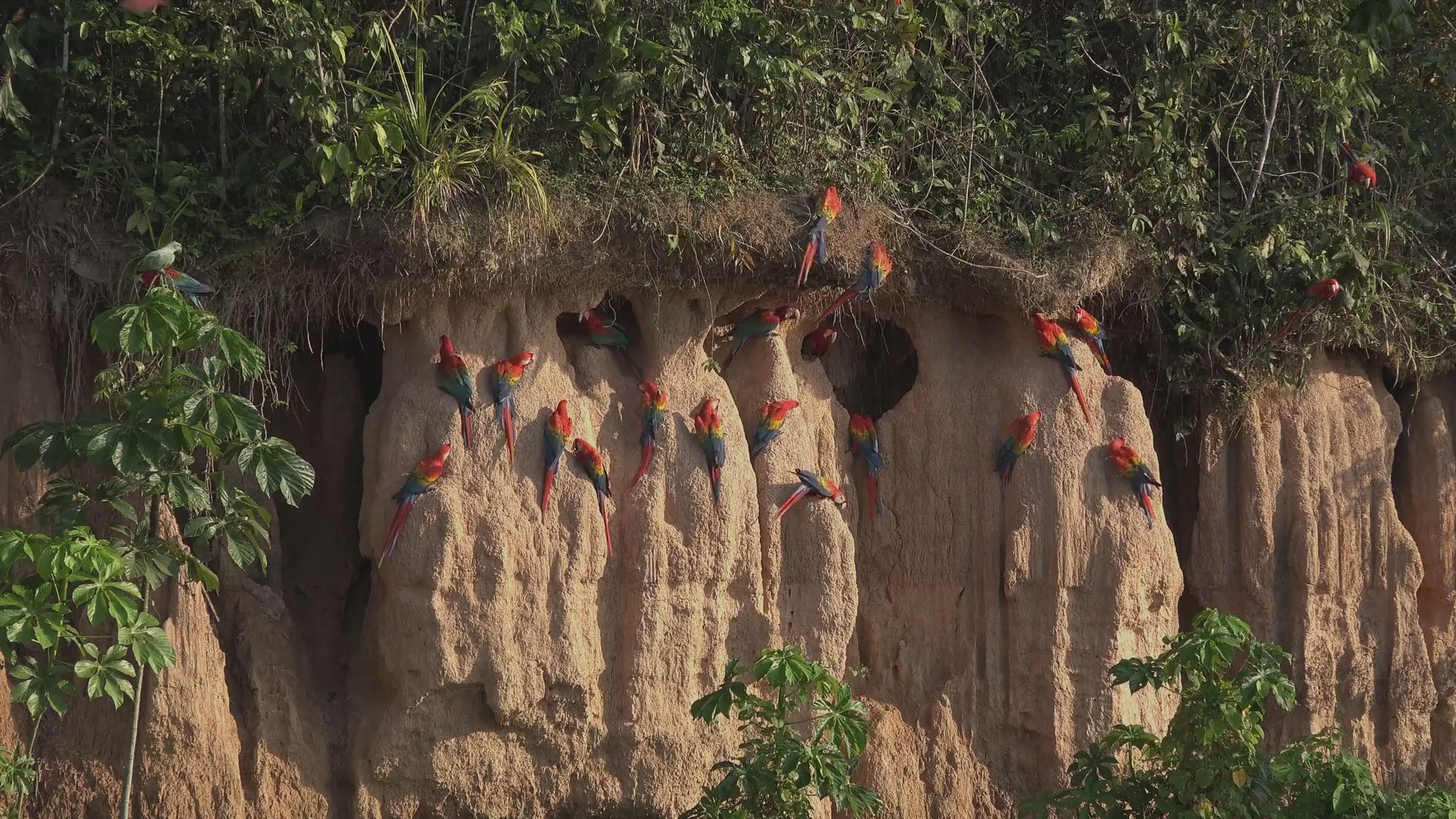

LIMA, PERU—Live Science reports that analysis of feathers discovered in a 1,000-year-old Yschma tomb in coastal Peru near the temple of Pachacamac indicates that they came from scarlet macaws (Ara macao), red-and-green macaws (Ara chloropterus), blue-and-yellow macaws (Ara ararauna), and mealy Amazons (Amazona farinosa), all of which live in lowland tropical forests to the east, more than 300 miles away across the Andes Mountains. No evidence for keeping birds, such as parrot skeletons, eggshells, or bird shelters, have been uncovered at Pachacamac, said George Olah of the Australian National University. The chemical makeup of the feathers showed, however, that the parrots had been fed a diet of maize and perhaps other crops grown in coastal soil enriched with seabird guano. “Because they showed a coastal diet, it proves the birds were brought to somewhere along the coast alive and kept in captivity long enough to molt and grow new feathers with the isotopic signature we detected,” Olah explained. Therefore, Olah and his colleagues think the Yschma could have obtained the feathers through trade with the Chimú Empire to the north, based upon computer models of possible routes across the mountains. “While it is tempting to think of [the parrots] as pets, the archaeological evidence suggests they were maintained primarily for their feathers, which were valuable prestige items used in elite tunics, headdresses, and funerary bundles,” Olah added. Read the original scholarly article about this research in Nature Communications. For more on the Painted Temple at Pachacamac, go to "Idol of the Painted Temple."