

TULSA, OKLAHOMA—The bow and arrow were first used in western North America some 1,400 years ago, according to a statement released by PNAS Nexus. Briggs Buchanan of the University of Tulsa and his colleagues radiocarbon dated 136 weapons made of organic materials, which were recovered from glacial ice patches, dry caves, and rock shelters where they had been preserved. The researchers determined that the bow appeared in a single place, then spread rapidly across North America through cultural transmission networks. In northern British Columbia and Alberta, people adopted the bow and arrow, but continued to use the atlatl to throw darts for more than 1,000 years. In contrast, people to the south—in California, the Southwest, and northern Mexico—rapidly replaced the use of the atlatl with the bow and arrow. Buchanan and his team members think that people living to the north may have found some advantages to throwing darts with the atlatl during the colder months or while hunting certain prey. Read the original scholarly article about this research in PNAS Nexus. To read about a rock art panel in central Montana that depicts an archer, go to "A Very Close Encounter."
Study Tracks Arrival of Bow and Arrow in North America
News March 24, 2026

Recommended Articles
Digs & Discoveries July/August 2026
Coyote’s Quest

Features November/December 2021
Ghost Tracks of White Sands
Scientists are uncovering fossilized footprints in the New Mexico desert that show how humans and Ice Age animals shared the landscape

Features July/August 2017
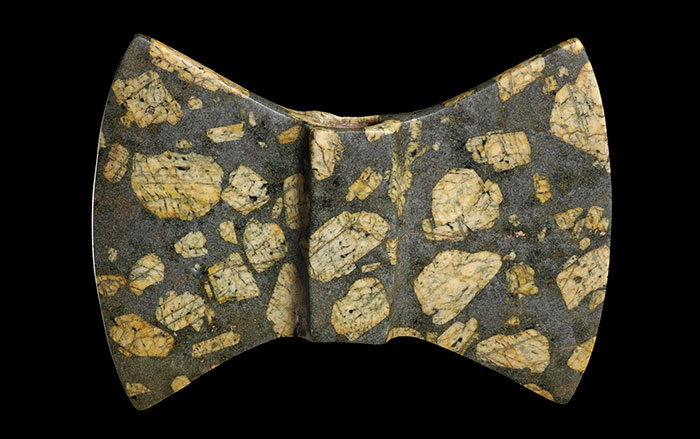
Set in Stone
Why did prehistoric Native Americans fashion the enigmatic objects known as bannerstones?
Digs & Discoveries May/June 2017
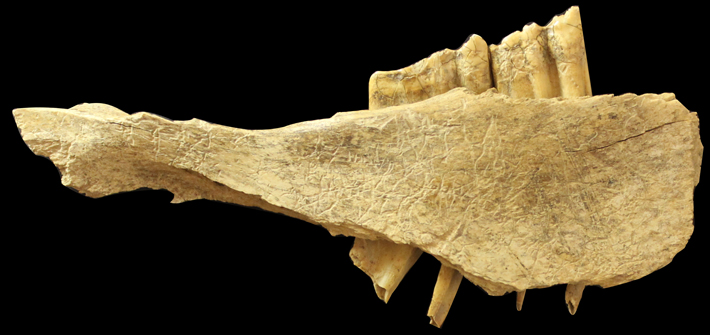
Standing Still in Beringia?
More to Discover
Features March/April 2026
Model Homes
A look inside miniature worlds created for the living, the dead, and the divine


-
Features March/April 2026
Pompeii's House of Dionysian Delights
Vivid frescoes in an opulent dining room celebrate the wild rites of the wine god
 Courtesy Archaeological Park of Pompeii
 -
Features March/April 2026
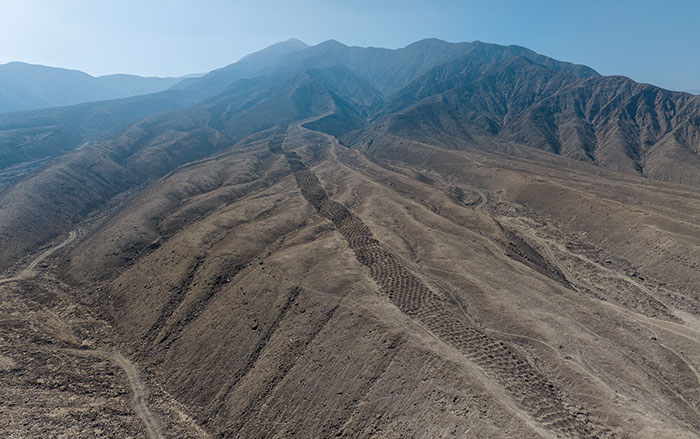
Return to Serpent Mountain
Discovering the true origins of an enigmatic mile-long pattern in Peru’s coastal desert
 Courtesy J.L. Bongers
 -
Features March/April 2026
Himalayan High Art
In a remote region of India, archaeologists trace 4,000 years of history through a vast collection of petroglyphs
 Matt Stirn
 -
Features March/April 2026
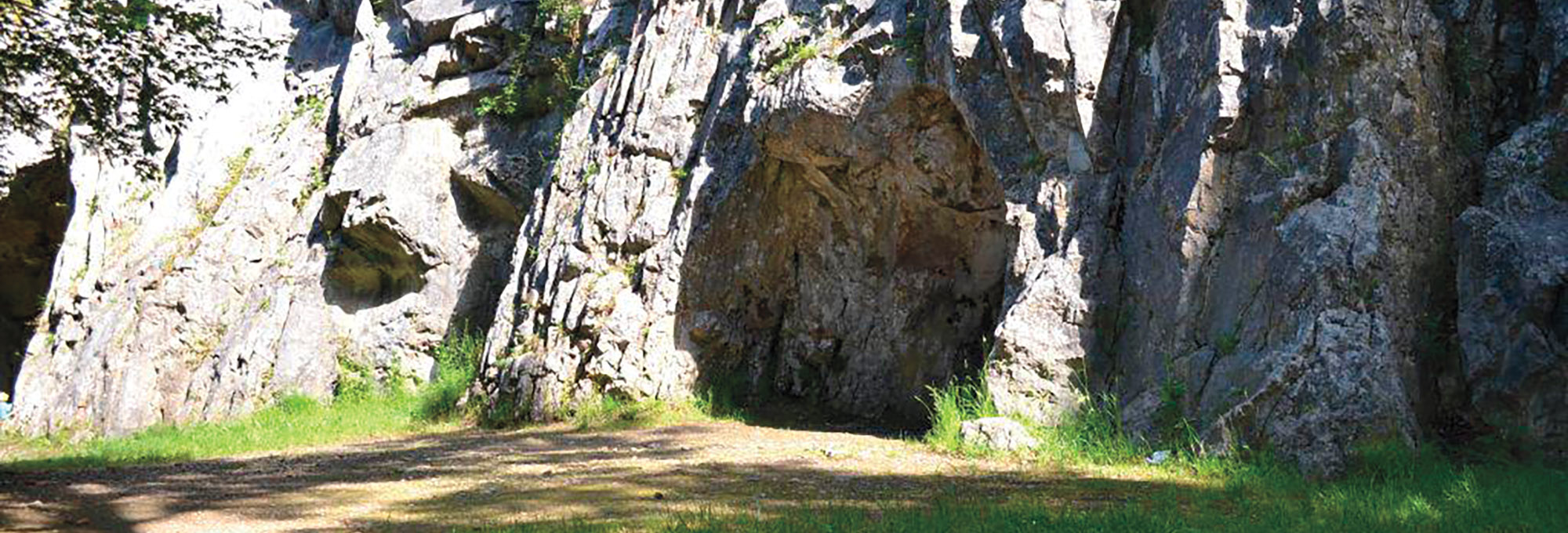
What Happened in Goyet Cave?
New analysis of Neanderthal remains reveals surprisingly grim secrets
 IRSNB/RBINSL