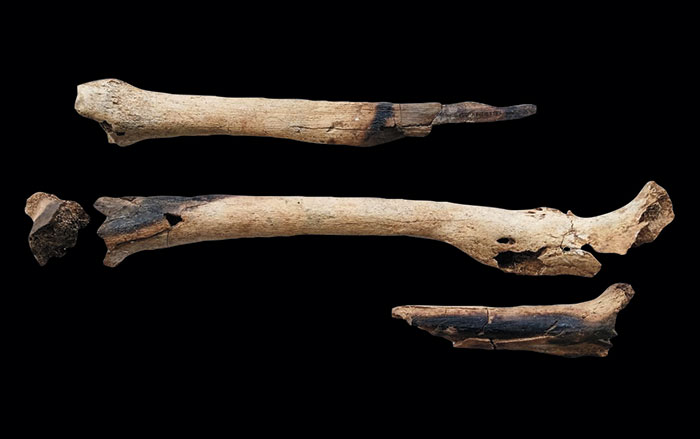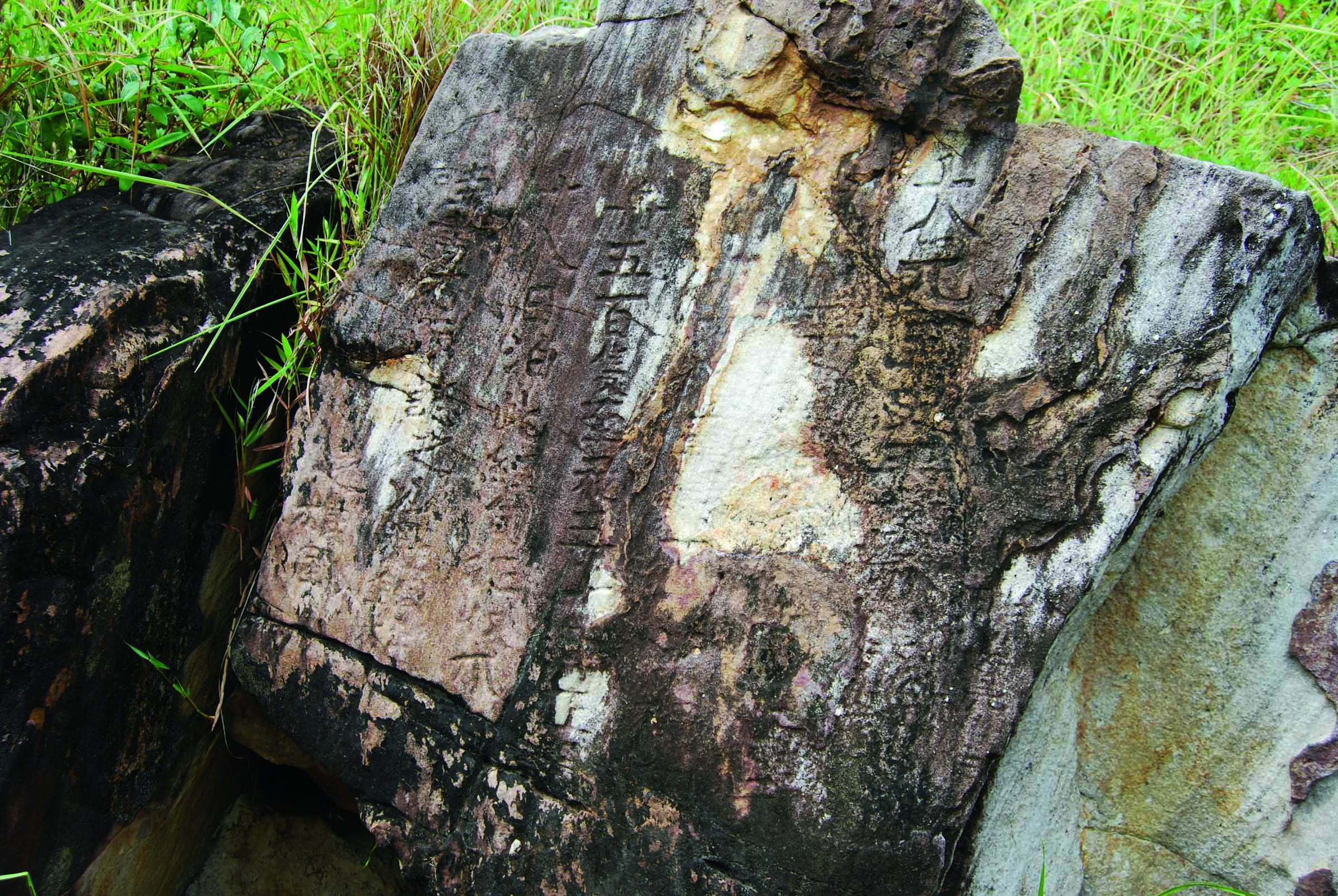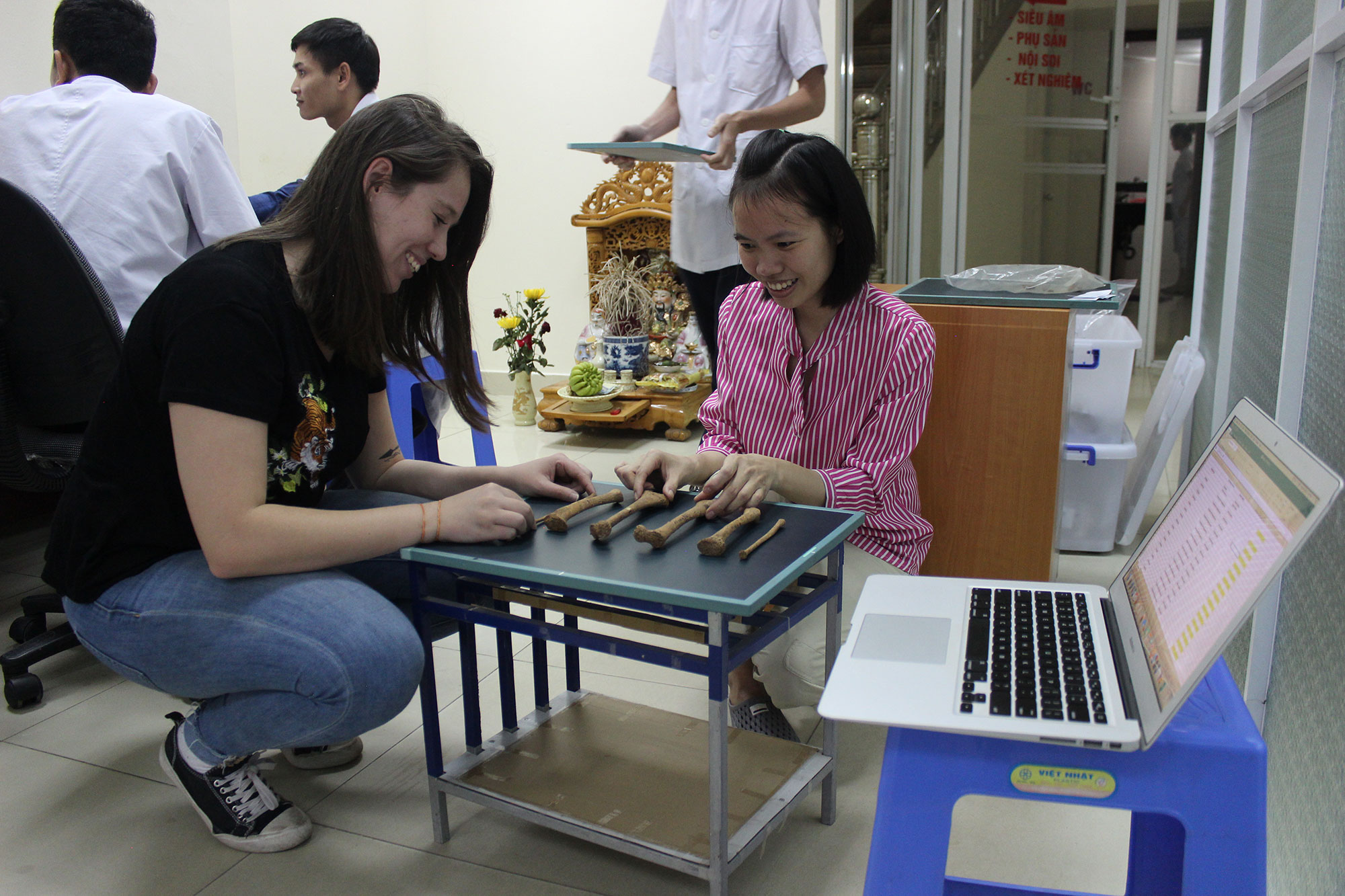
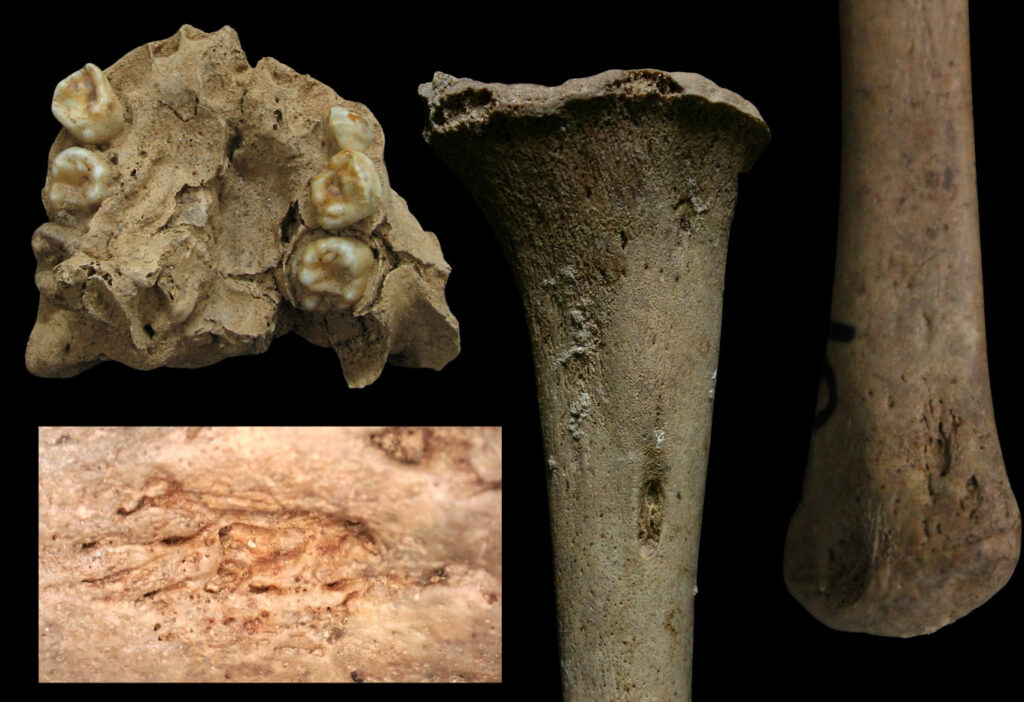
NEW SOUTH WALES, AUSTRALIA—A team of researchers from Australia and Vietnam examined skeletal remains of more than 300 people who lived in Vietnam between 10,000 and 1,000 years ago, according to a statement released by Charles Sturt University. The bones and teeth of three of the children who lived between about 3,200 and 4,000 years ago exhibited signs of infection with a congenital treponemal disease such as syphilis or yaws. Venereal syphilis was not found to be common in the larger population, however, which suggests that the children suffered from yaws, a non-venereal disease that can cause permanent disability. Two of the infected children lived at Man Bac, a site in northern Vietnam, where unusually high levels of treponemal disease were identified among skeletal remains of children and adolescents. They were likely infected through skin contact rather than sexual activity, the researchers explained. “The epidemiology of the site strongly points toward a non-venereal form of treponemal disease,” said Melandri Vlok of Charles Sturt University. “Yet we still see evidence of congenital transmission. That’s the surprising part,” she added. The researchers therefore suggest that signs of congenital infection with a treponemal disease on skeletal remains may not represent infection with venereal syphilis. “Some cases previously labeled as congenital syphilis may represent entirely different diseases,” Vlok concluded. Read the original scholarly article about this research in the International Journal of Osteoarchaeology. To read about hunter-gatherer burials uncovered in Vietnam, go to "Oldest Mummified People," one of ARCHAEOLOGY's Top 10 Discoveries of 2025.