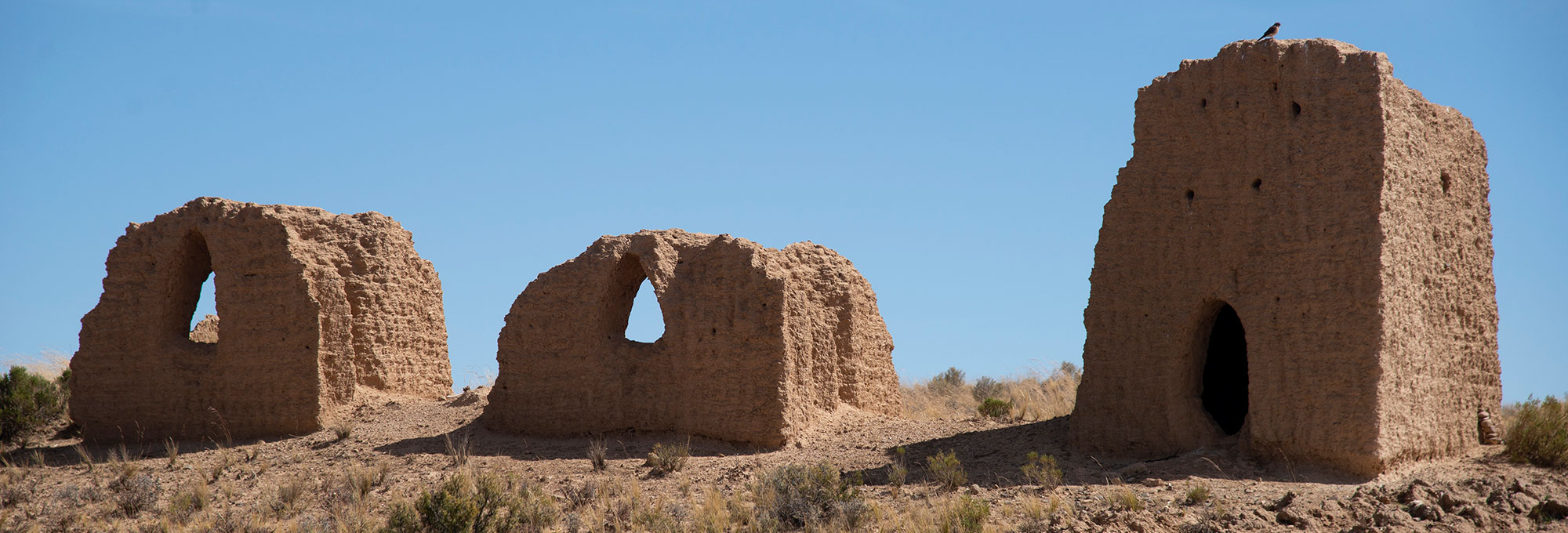
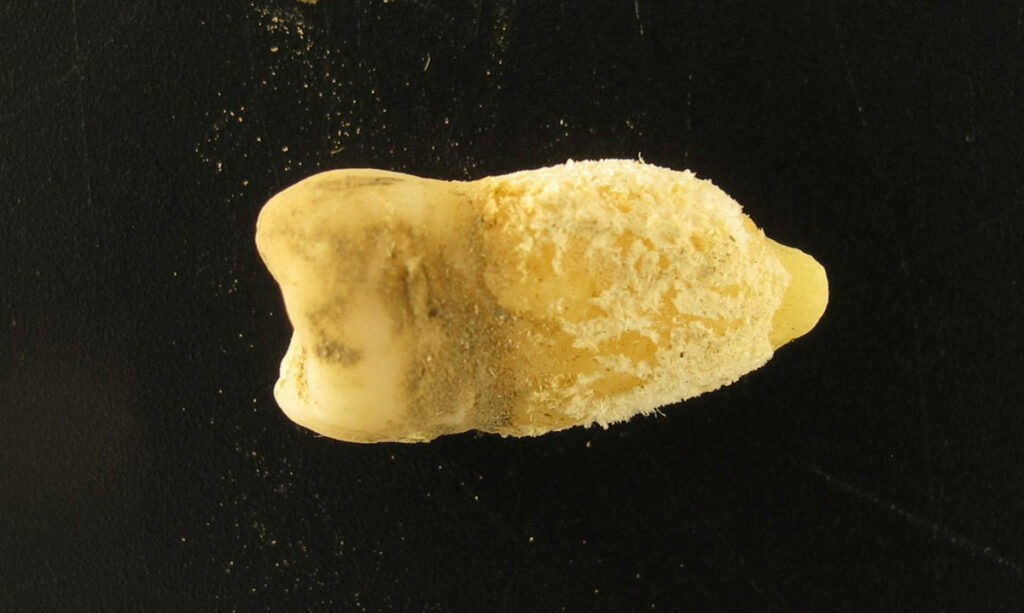
LA PAZ, BOLIVIA—According to a statement released by the Eurac Research Institute for Mummy Studies, genetic material from Streptococcus pyogenes, the bacterium that causes throat infections, scarlet fever, and toxic shock syndrome, has been detected in a 700-year-old tooth in the collection of Bolivia’s National Museum of Archaeology. It had been previously thought that the bacterium arrived in South America with Europeans. “We weren’t looking for this pathogen specifically,” said Frank Maizner of the Eurac Research Institute for Mummy Studies. The tooth came from the skull of a young man who lived between A.D. 1100 and 1450 in the arid Bolivian highlands. His body was likely recovered from a chullpa, a burial tower on the Bolivian Altiplano. “The DNA’s excellent preservation enabled us to reconstruct a nearly complete genome, yielding a wealth of information and demonstrating, for example, that the bacterium was already capable of causing disease: the ancient strain carried many—though not all—of the pathogenic genes found in modern Streptococcus pyogenes strains,” explained biochemist Guido Valverde. A search of available ancient DNA data revealed that Streptococcus pyogenes has also been detected in 35 DNA samples taken from Europeans who lived about 4,000 years ago and in a population of African gorillas that lived about 200 years ago. To read about finds from chullpas in southern Peru, go to "Dignity of the Dead."