Neolithic Pit Full of Beaver Bones Uncovered in Germany

News April 30, 2026

Charles J. Sharp
SHARE:

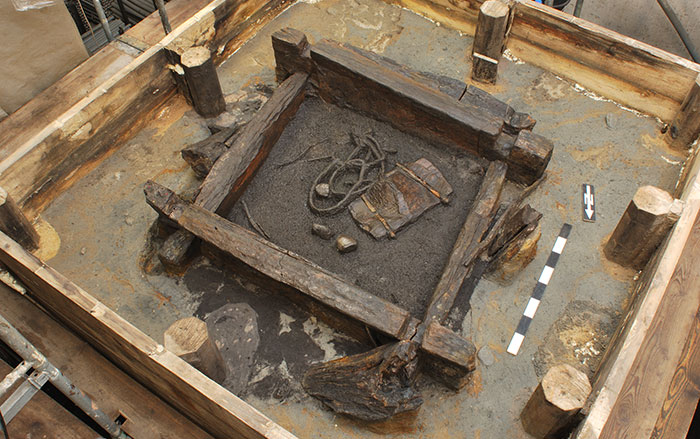
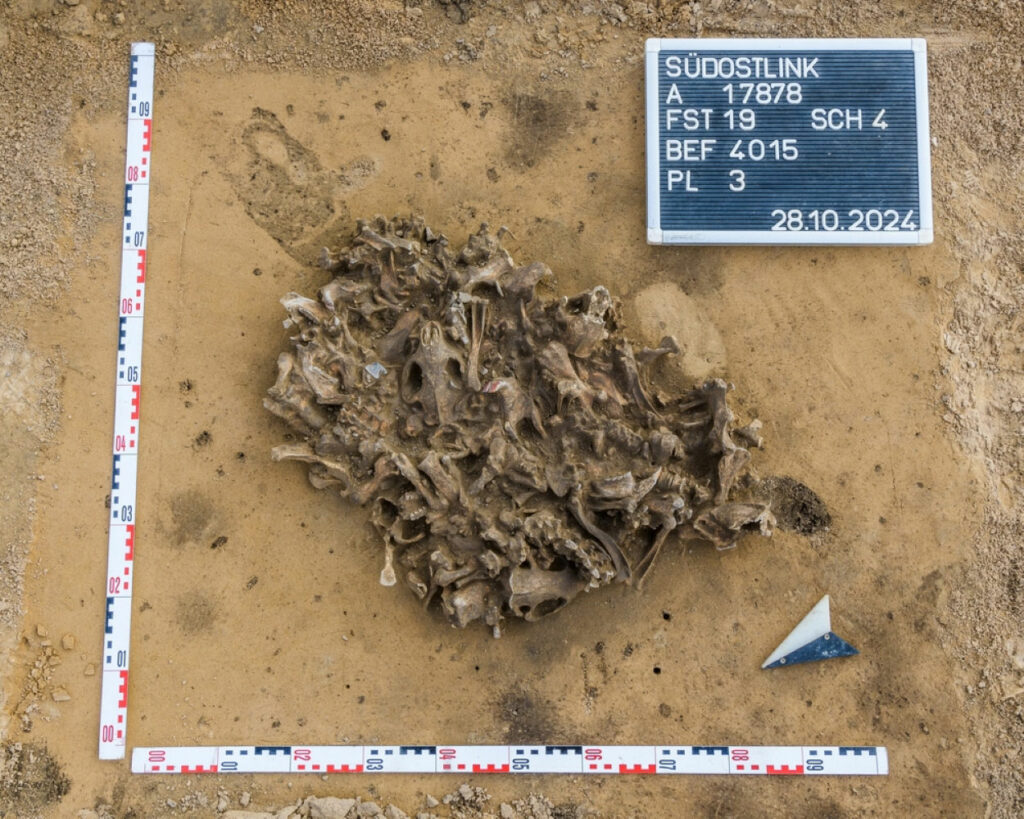
ALSLEBEN, GERMANY—A pit containing the 7,000-year-old remains of at least 12 beavers was discovered in central Germany during an investigation conducted ahead of the construction of an underground power line, according to the Science Information Service (IDW). Researchers from the State Office for Heritage Management and Archaeology Saxony-Anhalt found the pit near a Neolithic settlement site of the Stroke-Ornamented Ware Culture on the Saale River. Study of the well-preserved beaver bones shows that the animals ranged in age from one year old to more than eight years old at the time of death. They are thought to have been hunted, skinned for their fur, and the carcasses left to decompose. The beaver bones were later deposited in the pit. To read in-depth about Neolithic people living in what is today Germany, go to "Pioneers of Lakefront Living."

  • Features March/April 2026

    Pompeii's House of Dionysian Delights

    Vivid frescoes in an opulent dining room celebrate the wild rites of the wine god

    Read Article
    Frescoed panels in the House of the Thiasus portray a satyr (left) and a woman (right)
    Courtesy Archaeological Park of Pompeii
  • Features March/April 2026

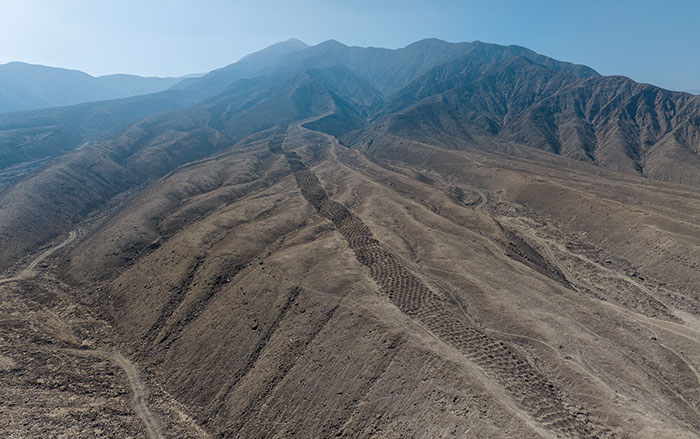
    Return to Serpent Mountain

    Discovering the true origins of an enigmatic mile-long pattern in Peru’s coastal desert

    Read Article
    Courtesy J.L. Bongers
  • Features March/April 2026

    Himalayan High Art

    In a remote region of India, archaeologists trace 4,000 years of history through a vast collection of petroglyphs

    Read Article
    Matt Stirn
  • Features March/April 2026

    What Happened in Goyet Cave?

    New analysis of Neanderthal remains reveals surprisingly grim secrets

    Read Article
    The Third Cave, one of the galleries in a cave system in central Belgium known as the Goyet Caves
    IRSNB/RBINSL