

KUJAWY, POLAND—Science in Poland reports that high nitrogen levels detected in the isotopic analysis of human and animal bone collagen recovered from more than 30 archaeological sites in northern Poland indicate that Neolithic farmers fertilized their fields. The study also showed that these early farmers ate little fish and other freshwater foods. Then, between around 2800 and 2200 B.C., populations such as the people of the Corded Ware culture from an area near the Danube River arrived in what is now northern Poland, said Łukasz Pospieszny of the University of Gdańsk. The newcomers adapted to local conditions, he explained, but they maintained their own dietary patterns based on meat and dairy consumption. In the Bronze Age, the farmers in this region began to grow millet, which may have been introduced by a new population. “Millet is a prehistoric superfood,” Pospieszny said. “It is highly nutritious and can feed a large group of people. It has a very short growing season. It is a good safeguard, for example, in the event of drought, due to its high resistance to high temperatures,” he explained. Yet Pospieszny and his colleagues confirmed the presence of two distinct populations groups in the area, based upon their food consumption patterns, material culture, and burial practices. Within those populations, some individuals consumed more meat, perhaps reflecting emerging social differentiation within the communities, he concluded. Read the original scholarly article about this research in Royal Society Open Science. To read about millet cultivation in ancient China, go to "You Are How You Cook."
Neolithic Farmers in Poland Fertilized Their Fields
News May 14, 2026
Recommended Articles
Features May/June 2026
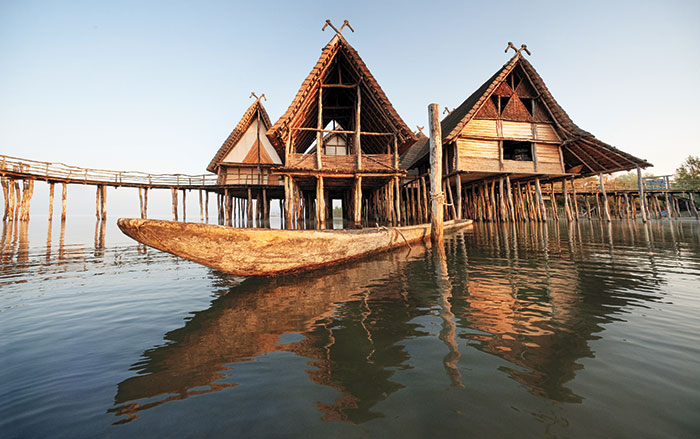
Pioneers of Lakefront Living
Why Neolithic and Bronze Age farmers in the Alps built their villages on stilts
Letter from the Levant March/April 2025
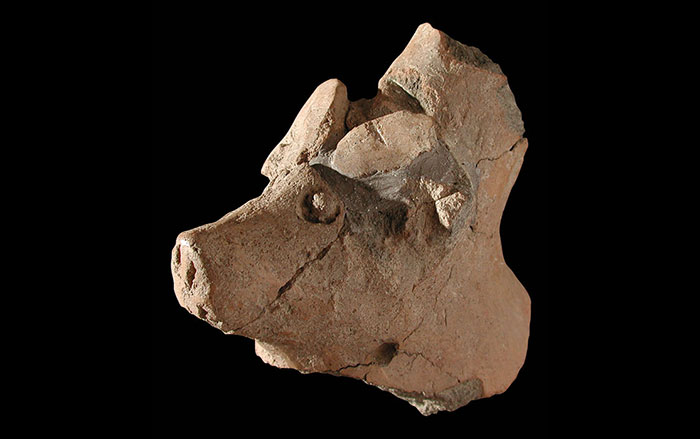
On the Origin of the Pork Taboo
Exploring ancient people’s shifting beliefs about rearing and eating pigs
Features November/December 2024
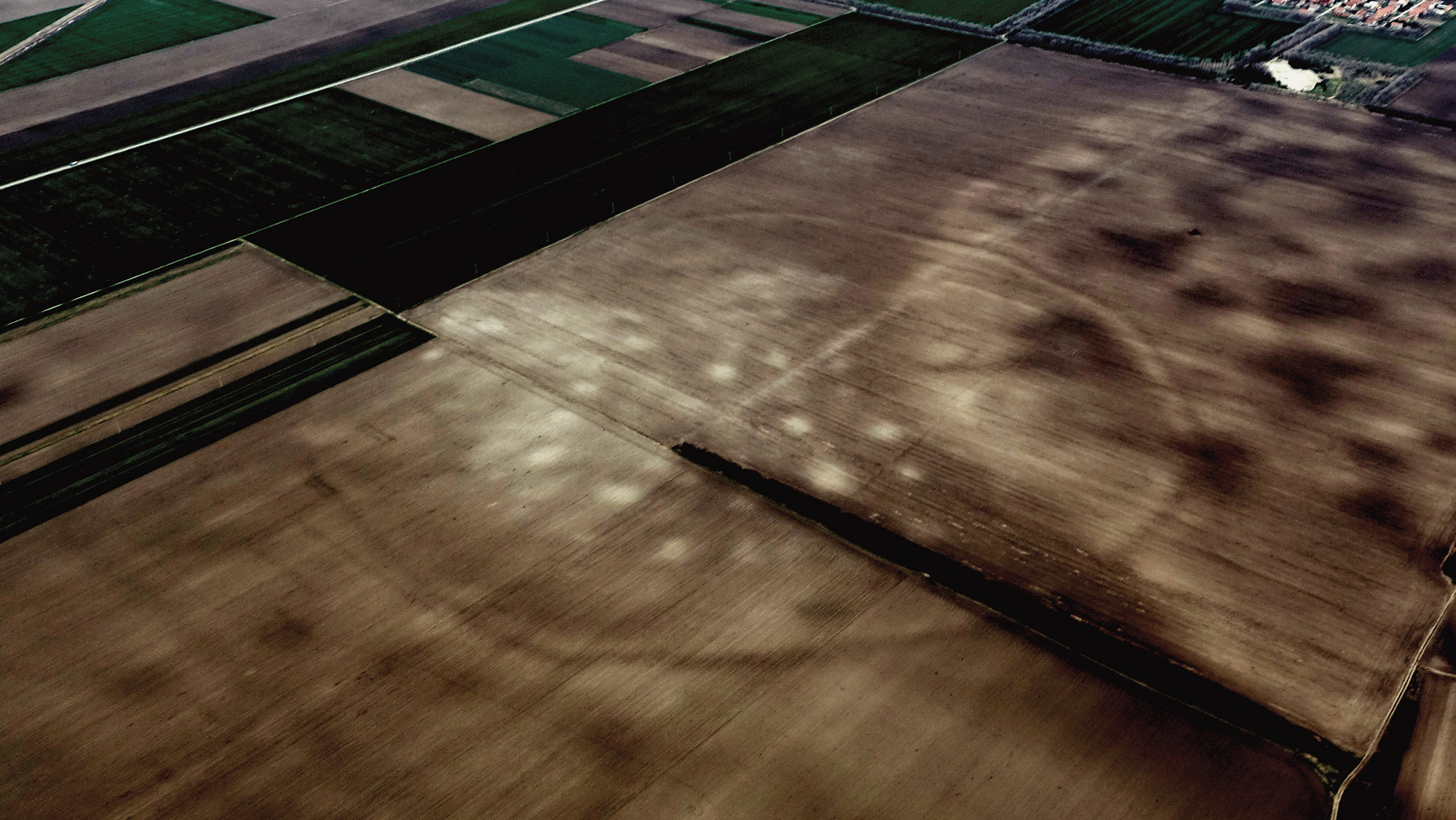
Europe’s Lost Bronze Age Civilization
Archaeologists have discovered more than 100 previously unknown megasites north of the Danube
Digs & Discoveries July/August 2023
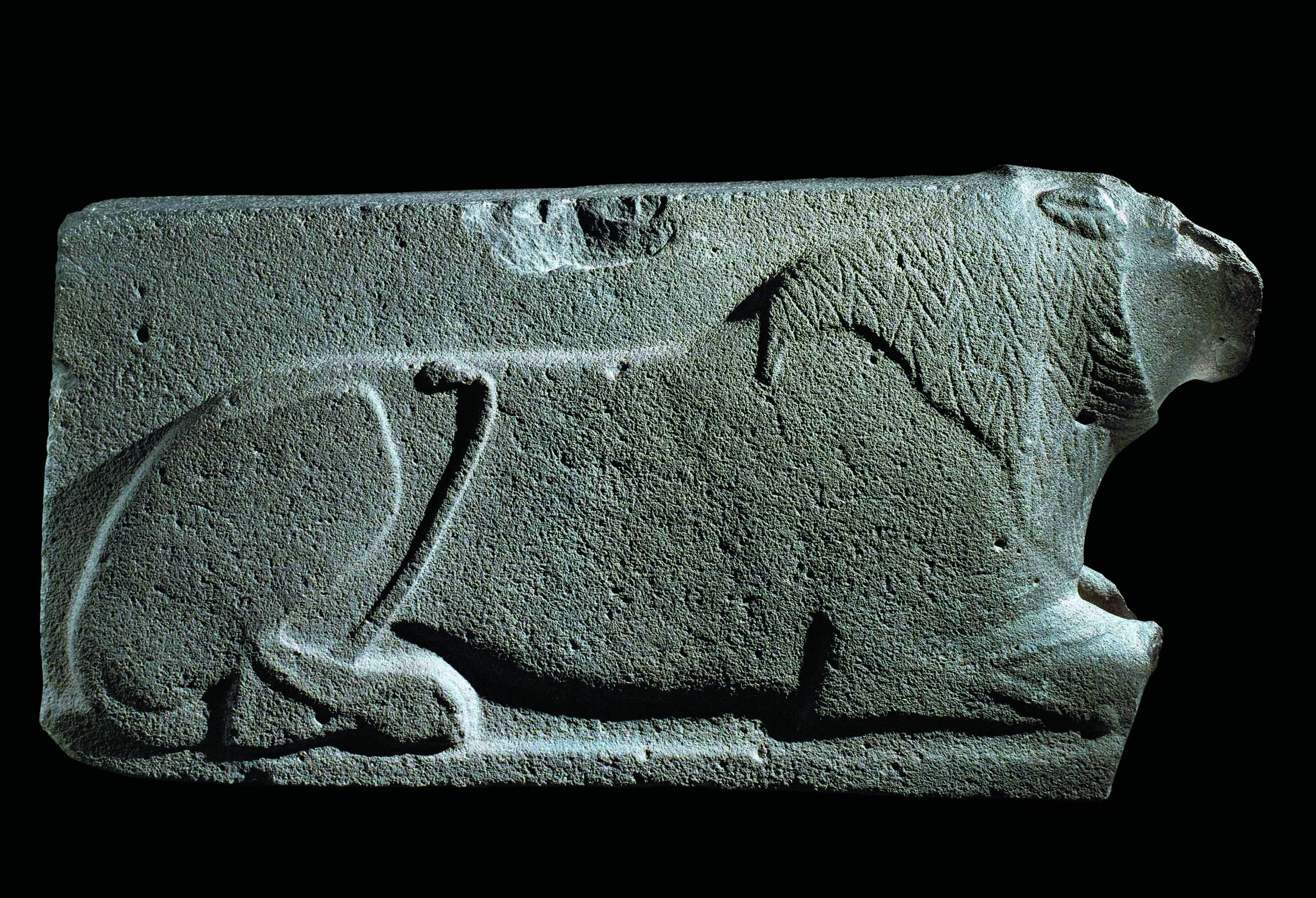
Big Game Hunting
More to Discover
Features May/June 2026
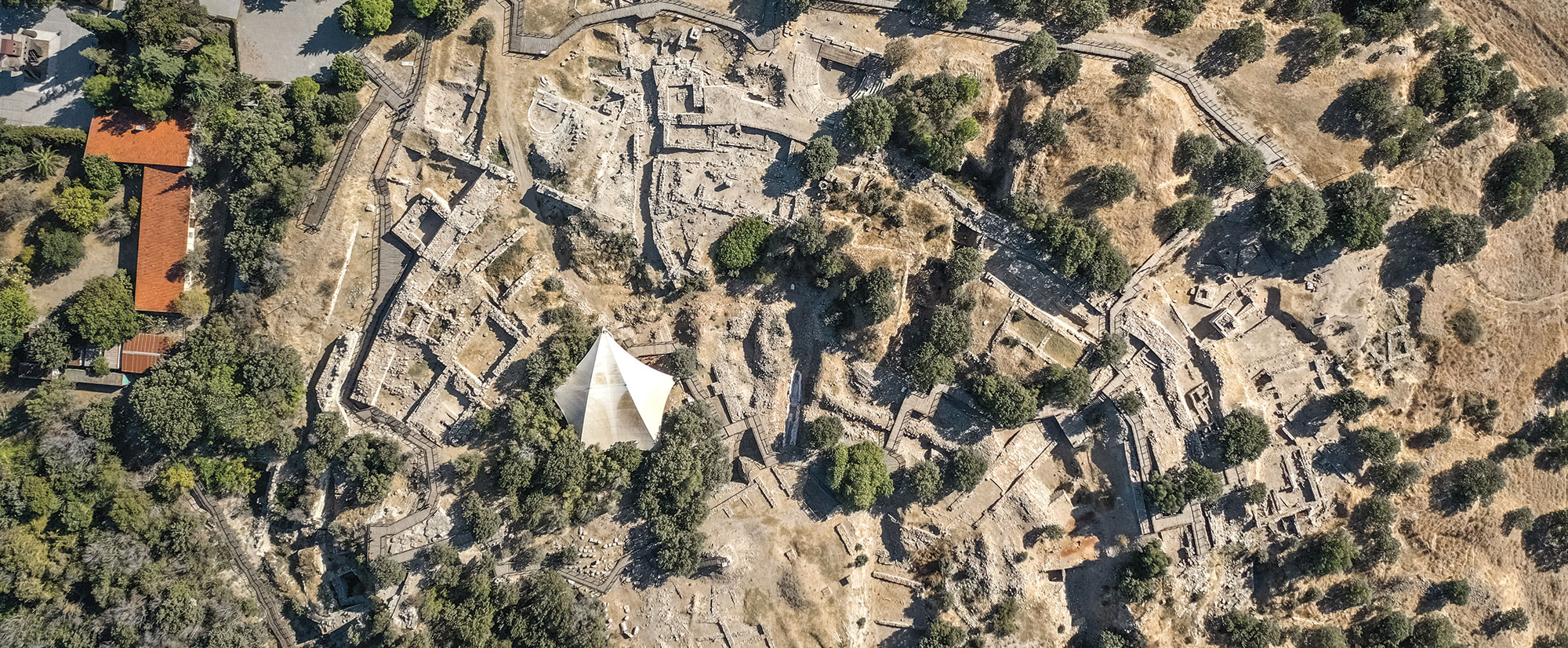
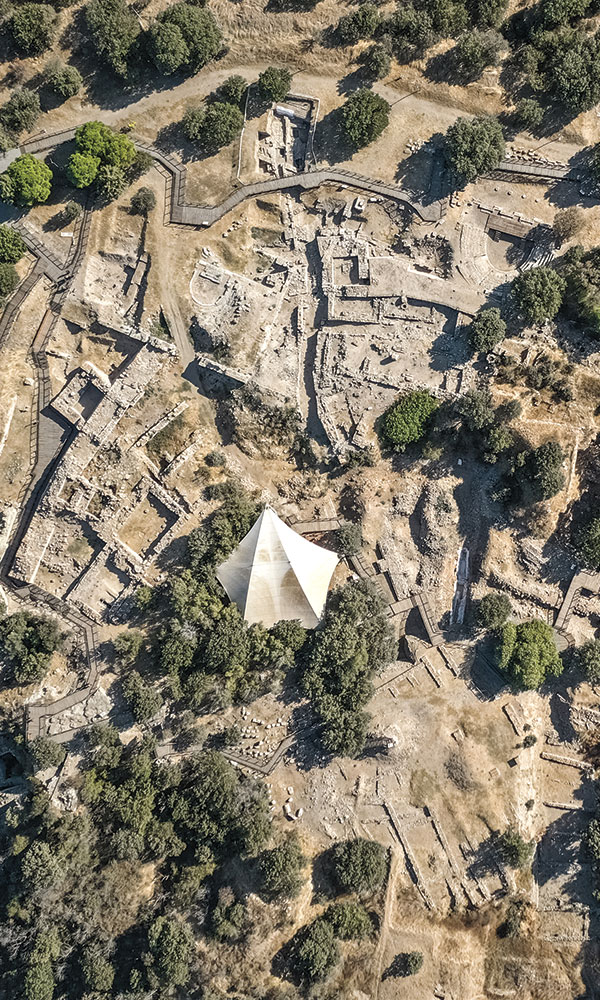
The Unexpected World of the Odyssey
Discovering the surprising inspirations behind Homer’s great tales of the Trojan War
-
Features May/June 2026
The Last Maya Kingdom
On the shores of a lake in Guatemala, the Itzá people defied the Spanish for nearly 200 years
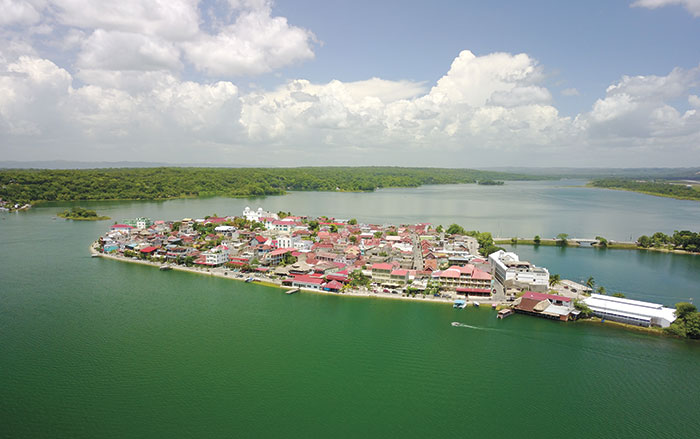 Courtesy Timothy Pugh/Itzá Archaeological Project
 -
Features May/June 2026
Art for the Ages
A surreal style of painting endured for 4,000 years in the canyonlands of West Texas
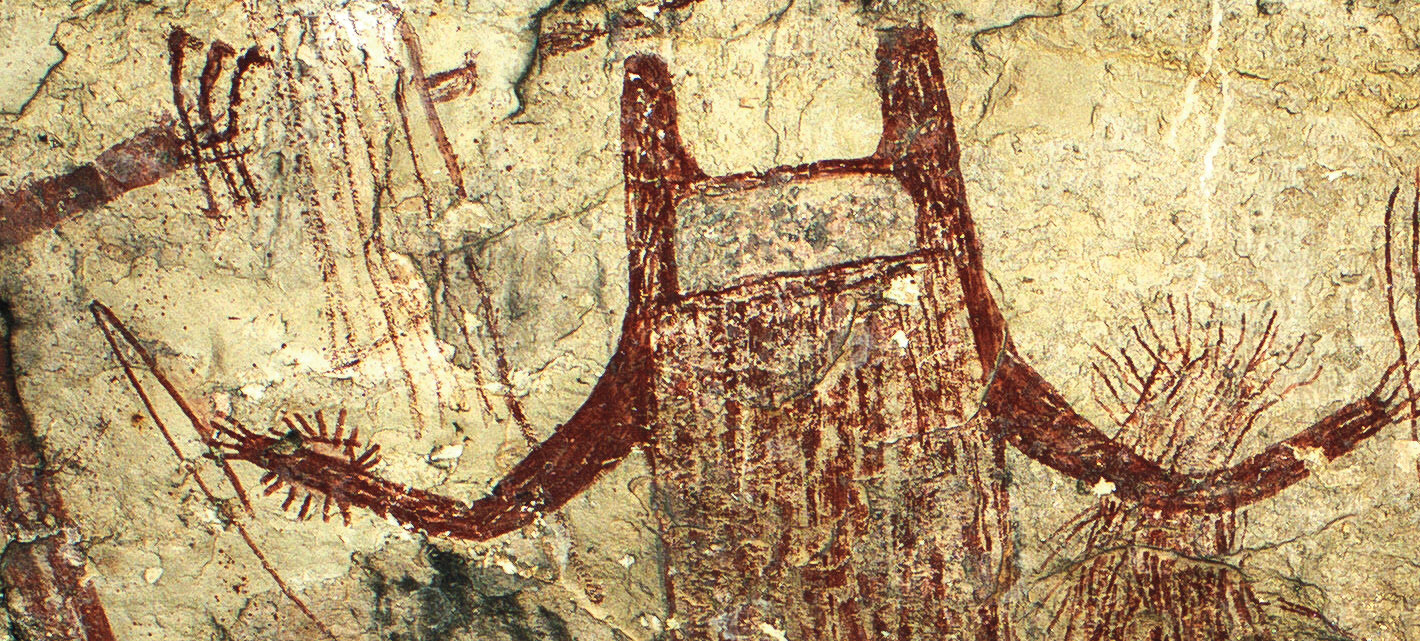 Shumla Archaeological Research and Education Center Archive
 -
Features May/June 2026
Bridge to the Past
The Yellow River brought both prosperity and calamity to China’s dazzling medieval capital
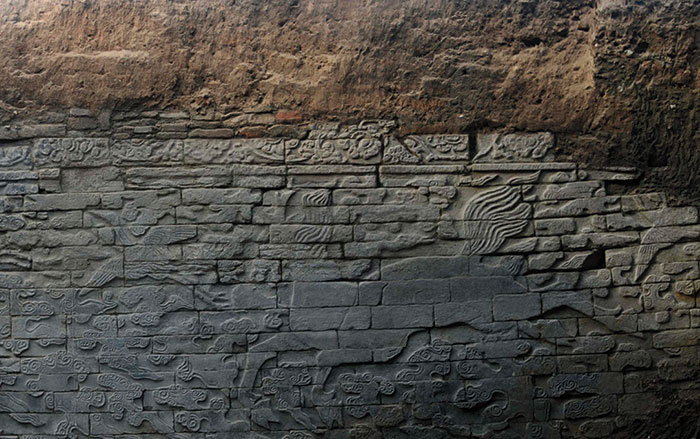 Henan Provincial Institute of Cultural Heritage and Archaeology
 -
Letter from Bulgaria May/June 2026
Capitals of Khans and Tsars
The untold story of how the Bulgarian Empire challenged medieval Europe’s great powers
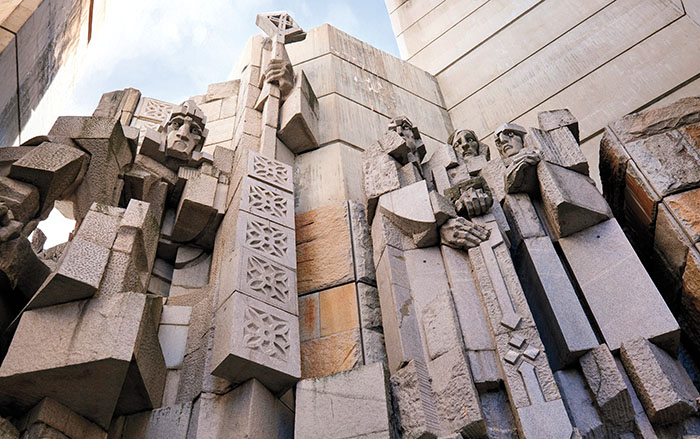 Ben O’Donnell