Marble Stele Unearthed in Nineveh

News June 29, 2026

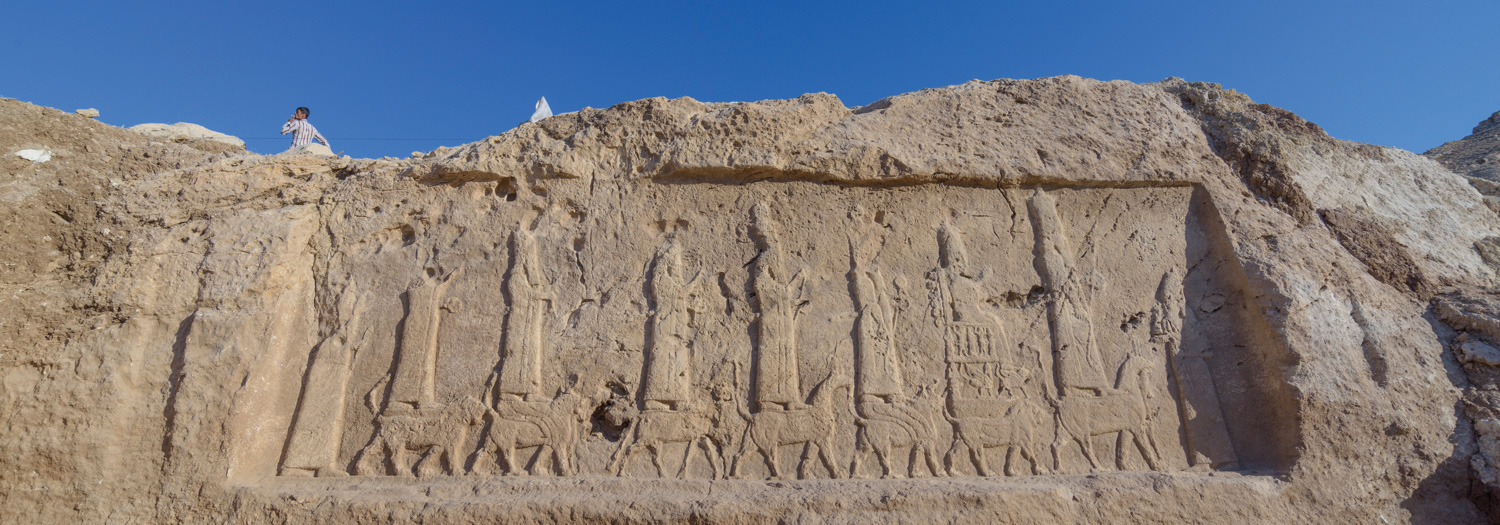
Cuneiform text on Assyrian stele during excavation, Ninevh, Iraq
Iraq’s State Board of Antiquities
SHARE:

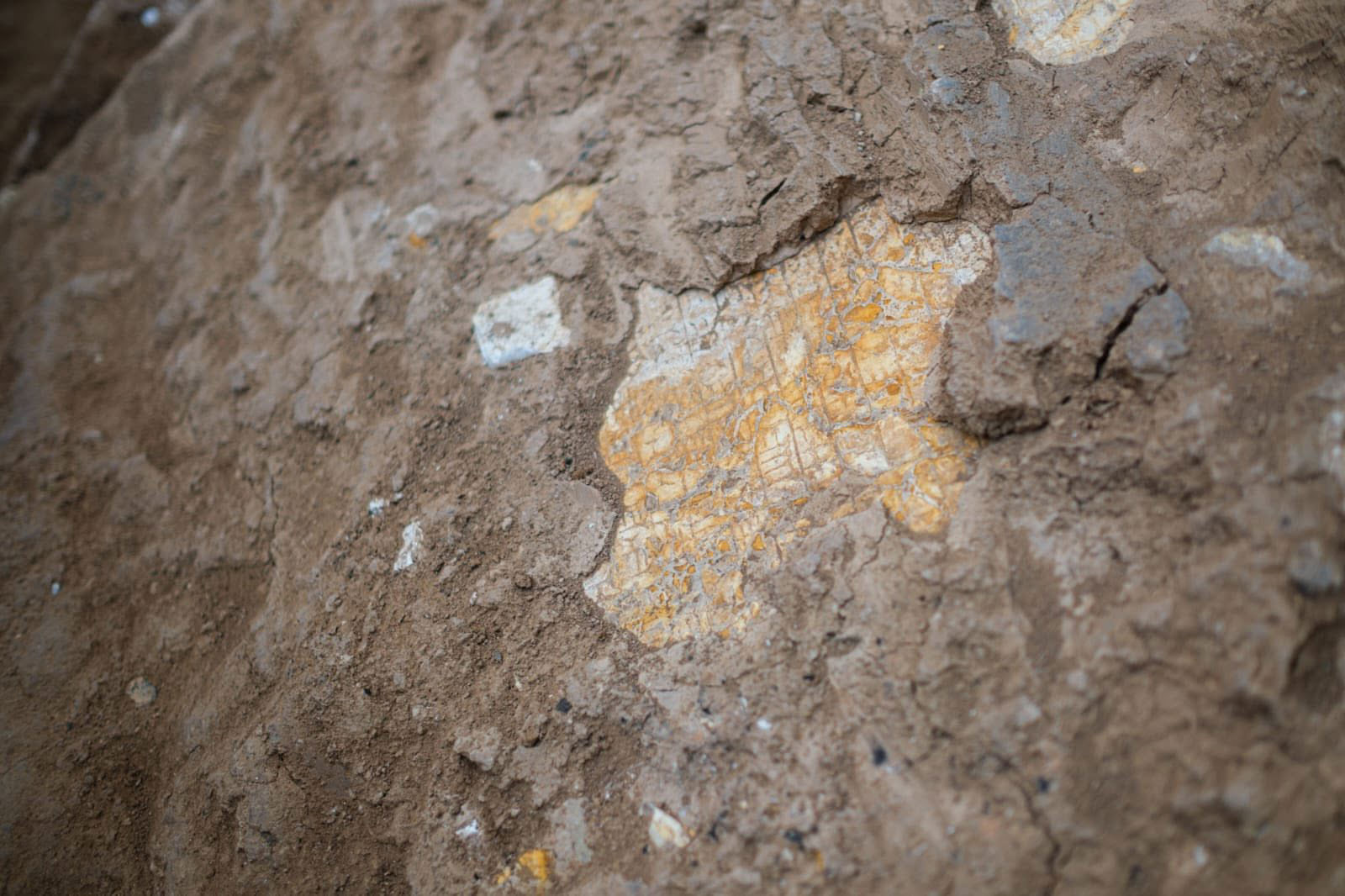
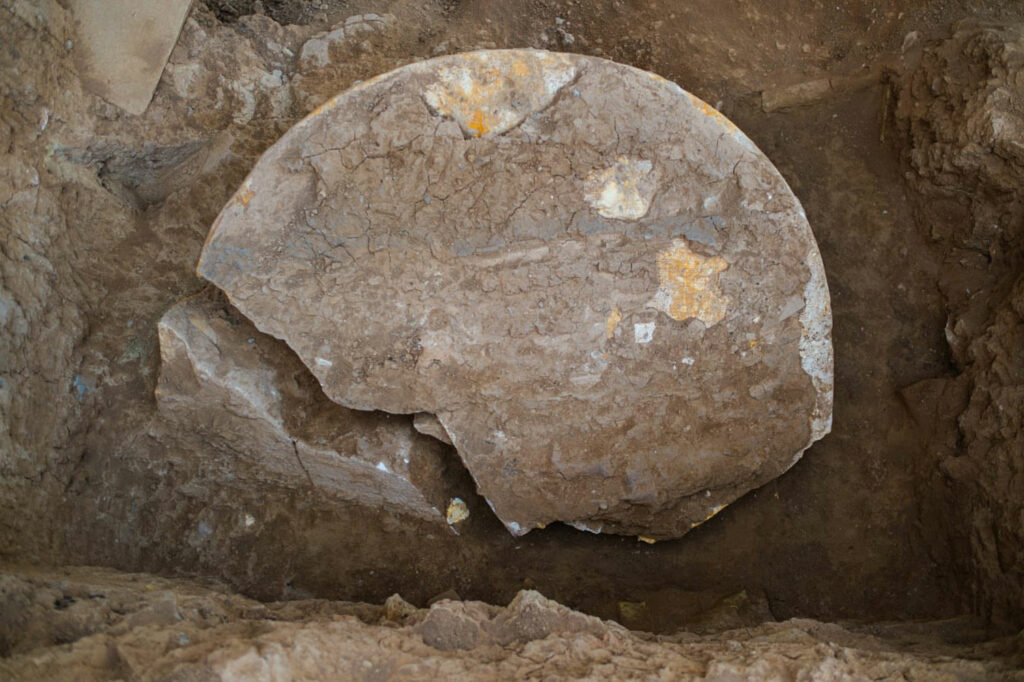
MOSUL, IRAQ—The National reports that an Assyrian stele that stood more than six feet tall has been uncovered near the Sun Gate in the eastern wall of the ancient city of Nineveh by a team of archaeologists from Iraq and the University of Chicago. Ali Obaid Shalgham of Iraq’s State Board of Antiquities said that the marble stele dates to the seventh century B.C., during the last years of the Assyrian Empire. Although the cuneiform text on the stele has not been fully translated, it is thought to record building projects carried out by King Ashurbanipal, who ruled Assyria from 668 to 631 B.C. He is shown in relief on the front of the monument, while two other Assyrian kings are depicted on the back. Nineveh was invaded by a coalition of the Medes and the Babylonians, who sacked the city in 612 B.C. To read more about excavations in Nineveh, go to "The Assyrian Renaissance."
  • Features May/June 2026

    Pioneers of Lakefront  Living

    Why Neolithic and Bronze Age farmers in the Alps built their villages on stilts

    Read Article
    Modern replicas of Bronze Age houses in Lake Constance
    © APM/Frank Müller
  • Features May/June 2026

    The Last Maya Kingdom

    On the shores of a lake in Guatemala, the Itzá people defied the Spanish for nearly 200 years

    Read Article
    Flores Island, Guatemala
    Courtesy Timothy Pugh/Itzá Archaeological Project
  • Features May/June 2026

    Art for the Ages

    A surreal style of painting endured for 4,000 years in the canyonlands of West Texas

    Read Article
    Shumla Archaeological Research and Education Center Archive
  • Features May/June 2026

    Bridge to the Past

    The Yellow River brought both prosperity and calamity to China’s dazzling medieval capital

    Read Article
    Henan Provincial Institute of Cultural Heritage and Archaeology