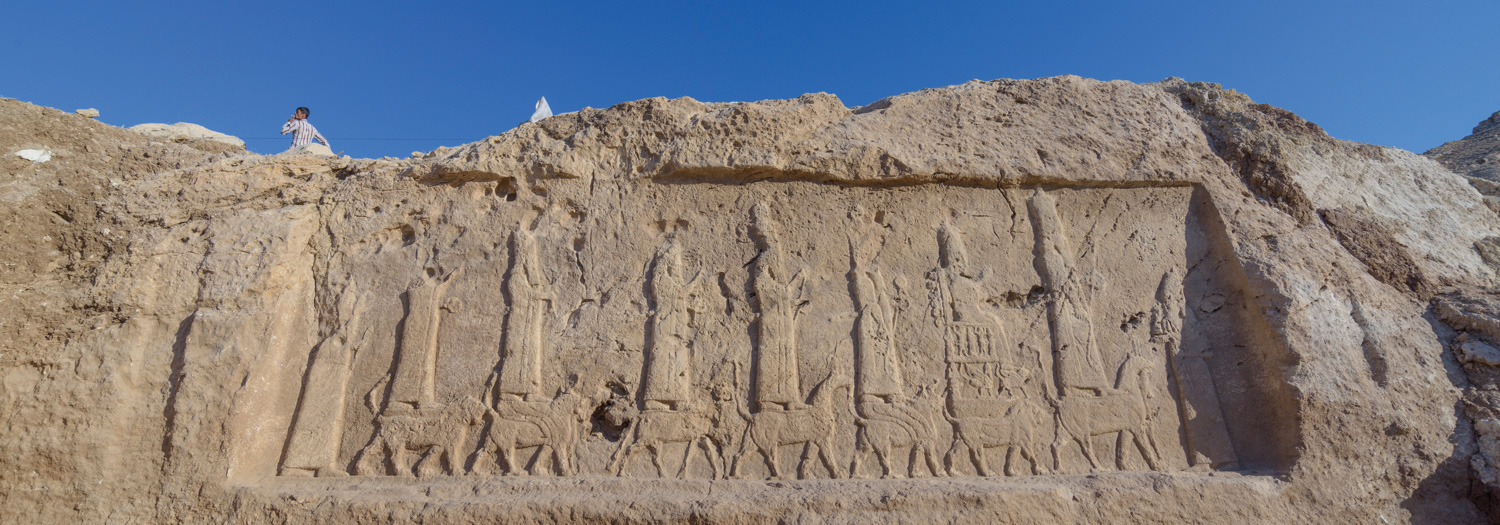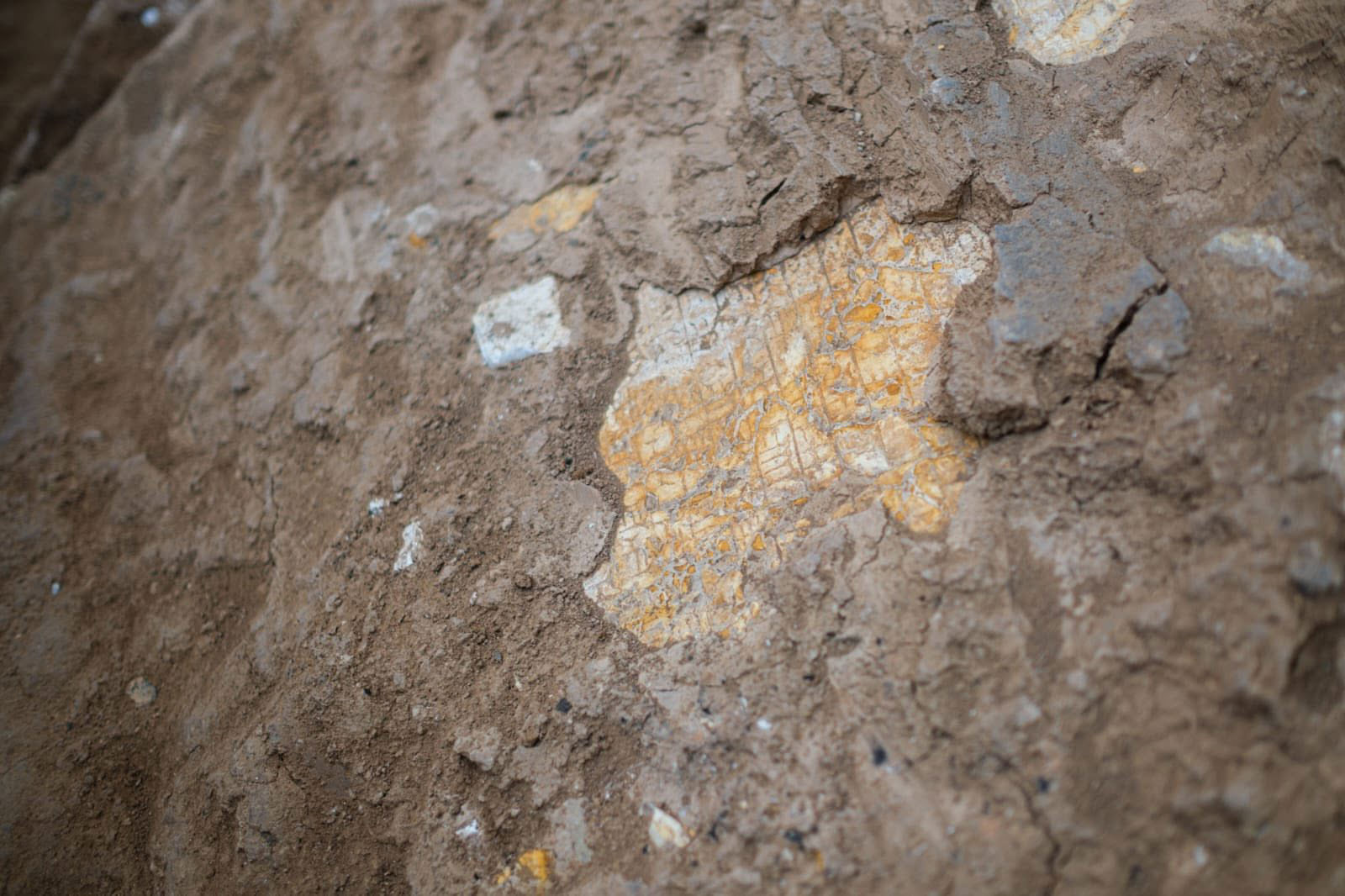
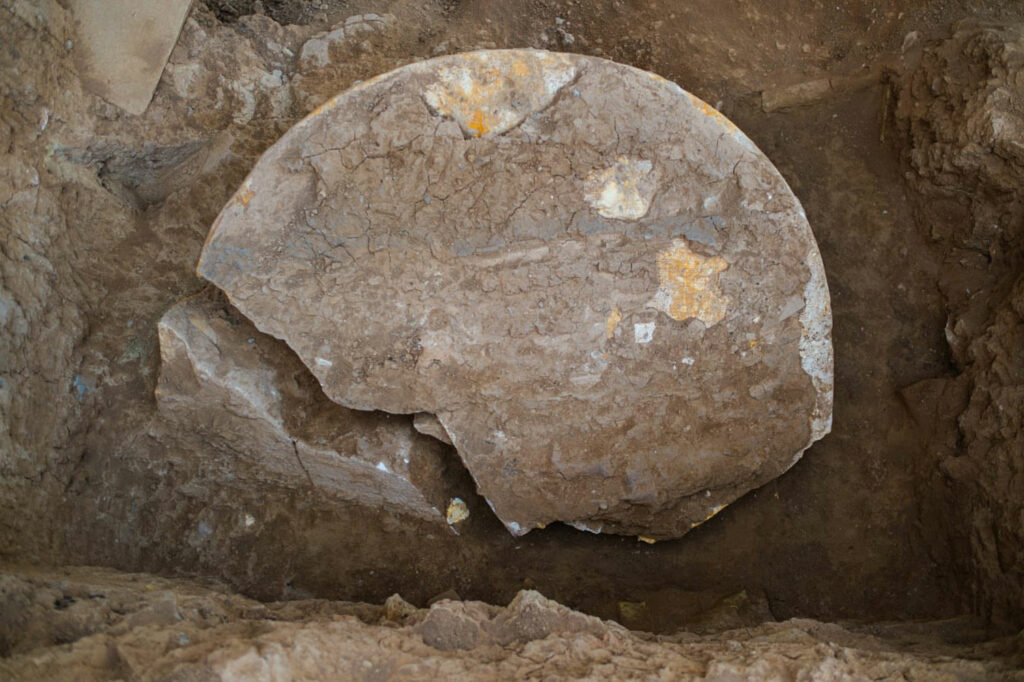
MOSUL, IRAQ—The National reports that an Assyrian stele that stood more than six feet tall has been uncovered near the Sun Gate in the eastern wall of the ancient city of Nineveh by a team of archaeologists from Iraq and the University of Chicago. Ali Obaid Shalgham of Iraq’s State Board of Antiquities said that the marble stele dates to the seventh century B.C., during the last years of the Assyrian Empire. Although the cuneiform text on the stele has not been fully translated, it is thought to record building projects carried out by King Ashurbanipal, who ruled Assyria from 668 to 631 B.C. He is shown in relief on the front of the monument, while two other Assyrian kings are depicted on the back. Nineveh was invaded by a coalition of the Medes and the Babylonians, who sacked the city in 612 B.C. To read more about excavations in Nineveh, go to "The Assyrian Renaissance."