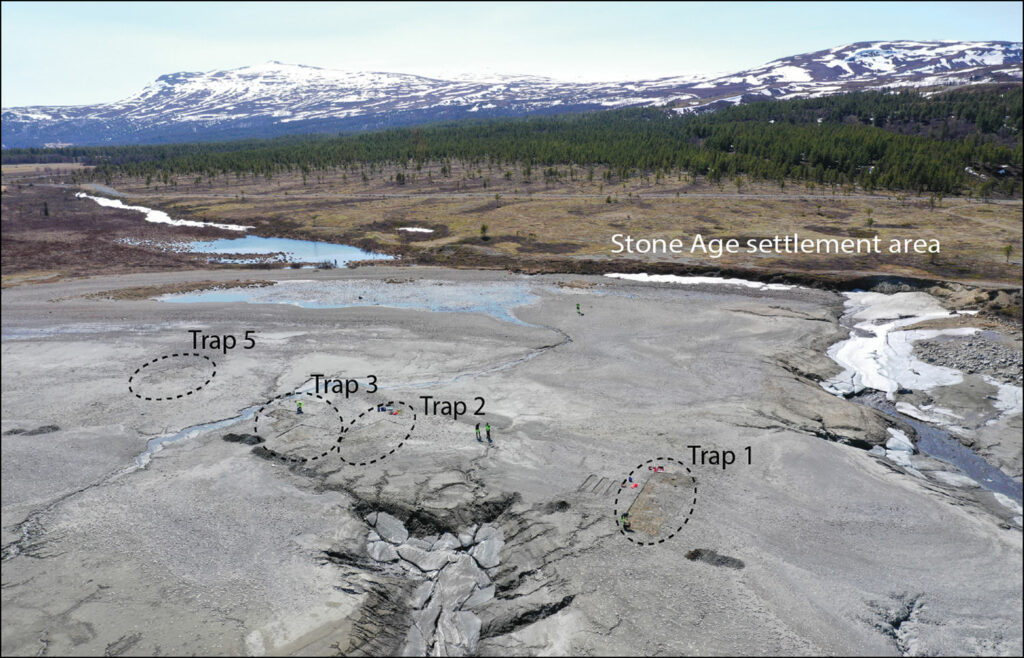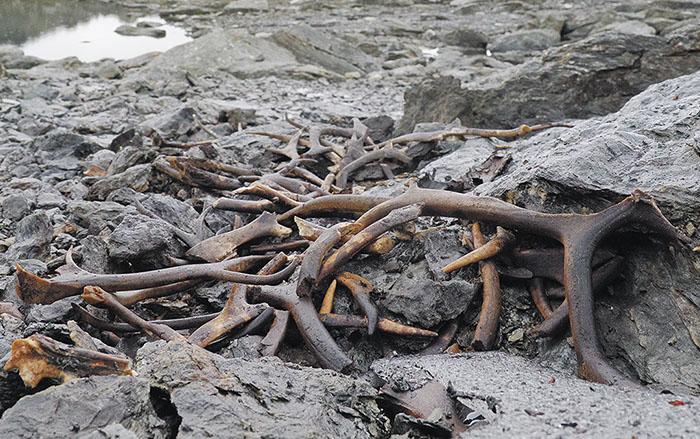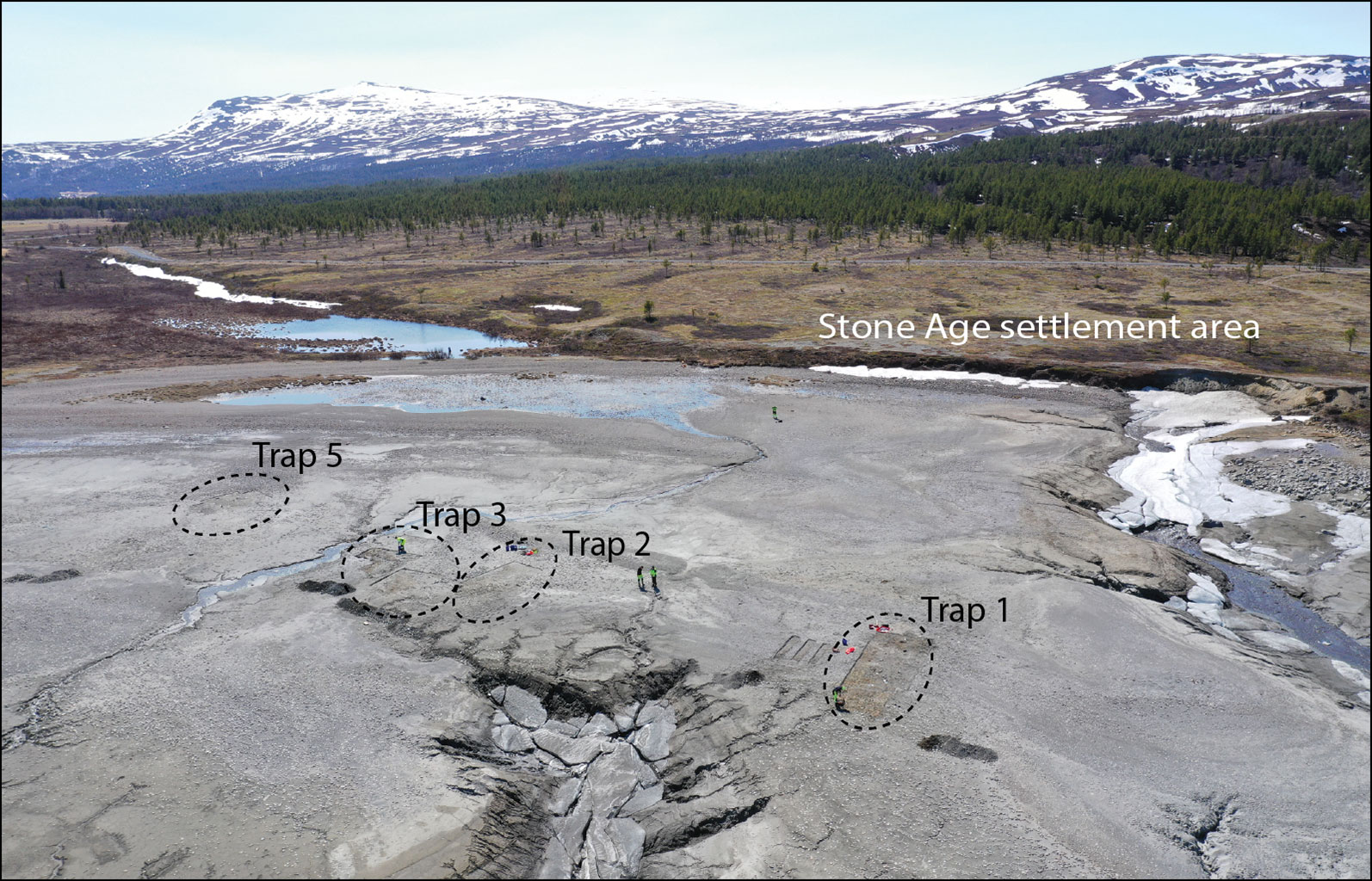
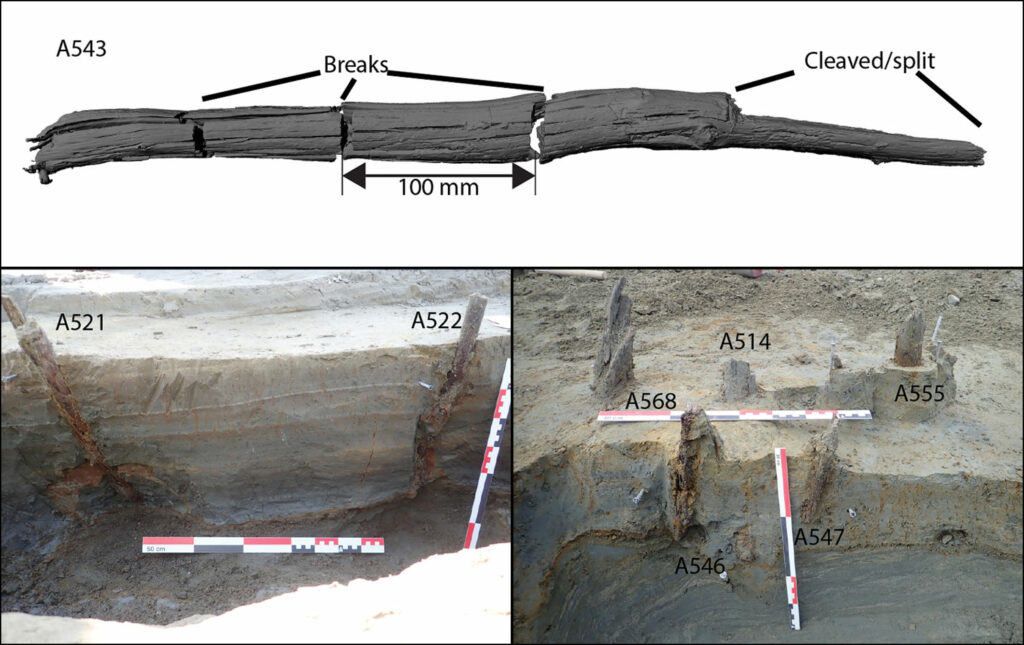
OSLO, NORWAY—Fish traps radiocarbon dated to 7,000 years ago have been identified in Lake Tesse, which is located in the mountains of southern Norway, according to a La Brújula Verde report. Some 10,000 years ago, as glaciers retreated from the area, people were able to migrate into the mountains. Fish, however, would not have been able to swim upstream against waterfalls and rapids. Humans were thought to have transported fish to higher elevations in order to establish them as a food source, but it was not known when this happened. Axel Mjærum of the University of Oslo and his colleagues have now determined that fish, likely brown trout (Salmo trutta), were introduced to the high-altitude lake during the Mesolithic period. Mjærum suggests that this could be interpreted as an early form of food production and human intervention in the environment before the development of agriculture. He also noted that brown trout can still be caught in the mountains today. Read the original scholarly article about this research in Antiquity. To read about submerged remnants of a Mesolithic world in the North Sea, go to "Letter from Doggerland: Mapping a Vanished Landscape."