

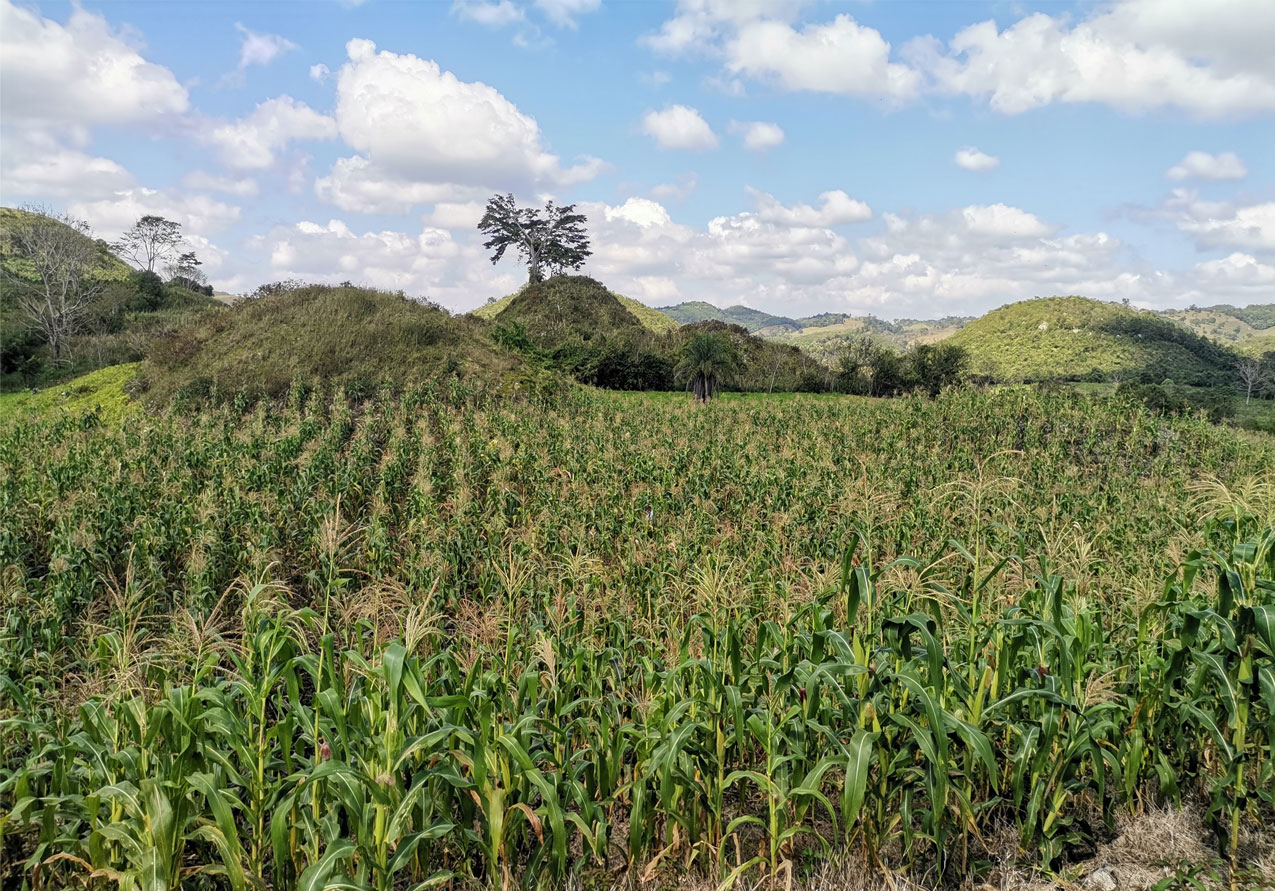
PETÉN, GUATEMALA—Phys.org reports that a team of researchers led by Gloria Hernandez of the University of Mérida measured stable carbon and nitrogen isotopes in the bone collagen of 57 people, and carbon isotopes in the tooth enamel of 37 people, who lived in small communities in northern Guatemala during the Maya Classic period (A.D. 250–950). The scientists then compared their results with published data obtained from human remains dated to the Classic period that have been recovered in other regions of the Maya world. The researchers determined that people who lived in the southeastern Petén region consumed a maize diet similar to that of people who lived in large Maya centers such as Tikal, Calakmul, and Caracol. The people who lived in smaller communities, however, also consumed other plants as well as animals that ate maize, including deer, peccaries, dogs, and turkeys. “Diets in the mountainous zone appear to be more strongly maize-based, while those in the savanna include slightly higher-trophic animal protein,” Hernandez said. “These patterns may reflect the availability of freshwater resources such as fishes, snails, and reptiles in the savannas’ rivers and lakes,” she elaborated. The study also suggests that younger children ate less maize than older people, likely due to the consumption of breast milk. Maize-based gruels are thought to have been introduced into the diet around three or four years of age. Read the original scholarly article about this research in PLOS One. To read about the beginning of maize cultivation in the Maya world, go to "The Great Maize Migration."
Study Suggests Smaller Maya Communities Relied on Maize
News July 28, 2026
Recommended Articles
Features May/June 2026
The Last Maya Kingdom
On the shores of a lake in Guatemala, the Itzá people defied the Spanish for nearly 200 years

Features January/February 2025
Dancing Days of the Maya
In the mountains of Guatemala, murals depict elaborate performances combining Catholic and Indigenous traditions
Features November/December 2024
Chalice of Souls
A Maya jade heirloom embodies an enduring sacred tradition

More to Discover
Features July/August 2026
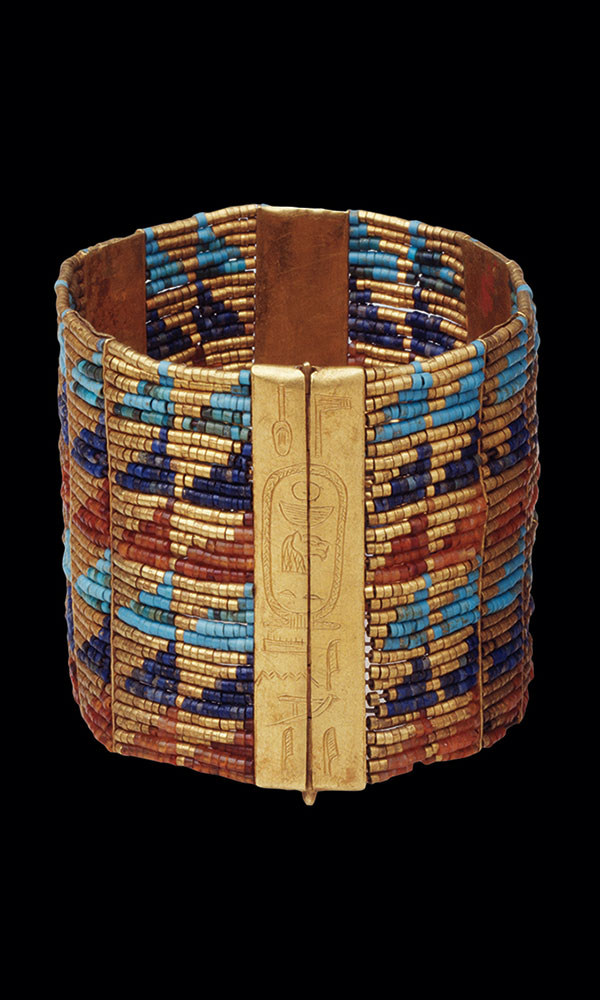
Egypt's First Queen
How a trailblazing ruler pulled her realm back from the brink
-
Features July/August 2026
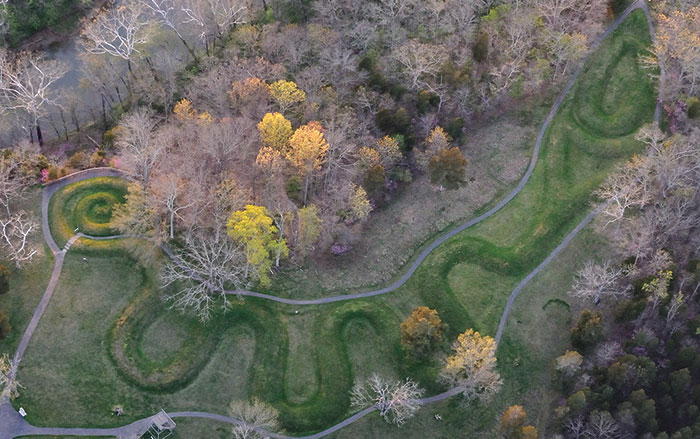
Secrets of the Serpent
Is a Native American origin story embedded in Ohio’s colossal earthwork?
 Timothy E. Black
 -
Features July/August 2026
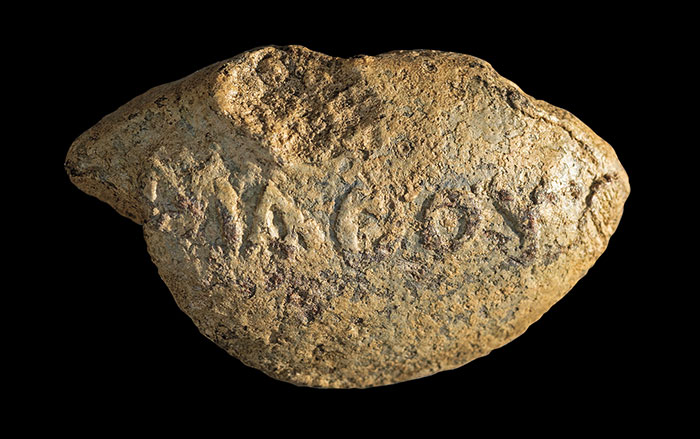
Slinging Insults
Greek and Roman soldiers fired pointed barbs at their enemies
 Courtesy Michael Eisenberg
 -
Features July/August 2026
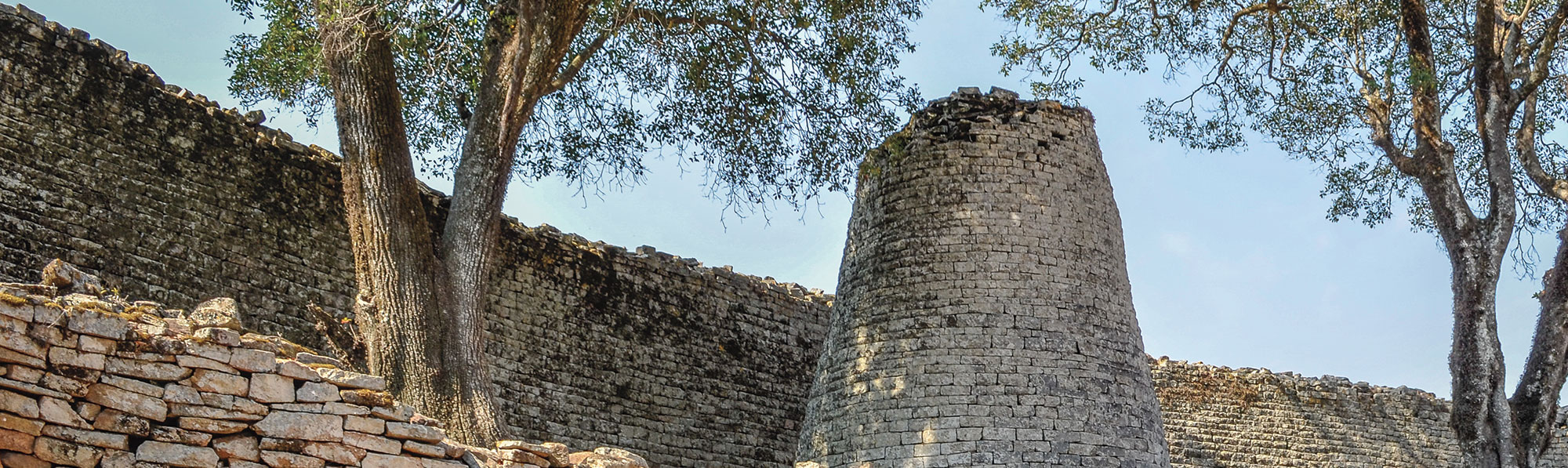
Inside Africa’s Houses of Stone
Archaeologists are rethinking how kings shared power beyond the great capitals of medieval Zimbabwe
 Ad/AdobeStock
 -
Features July/August 2026
Tennis, Anyone?
Discovering the origins of the peculiar racket game that swept sixteenth-century France
 © Denis Gliksman, Inrap