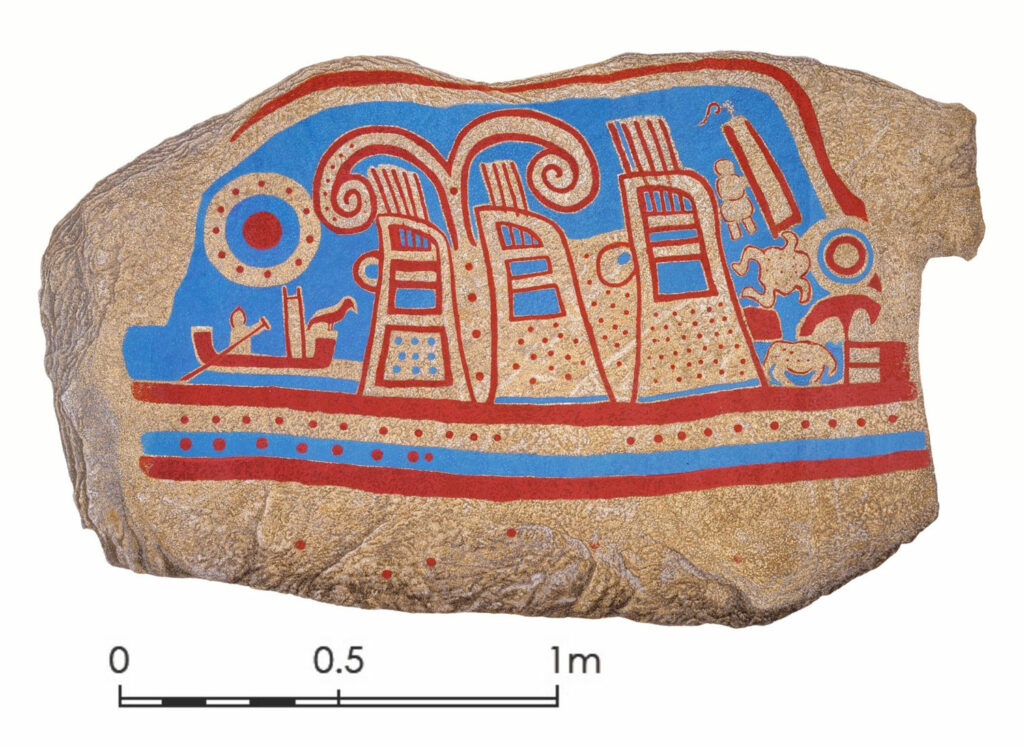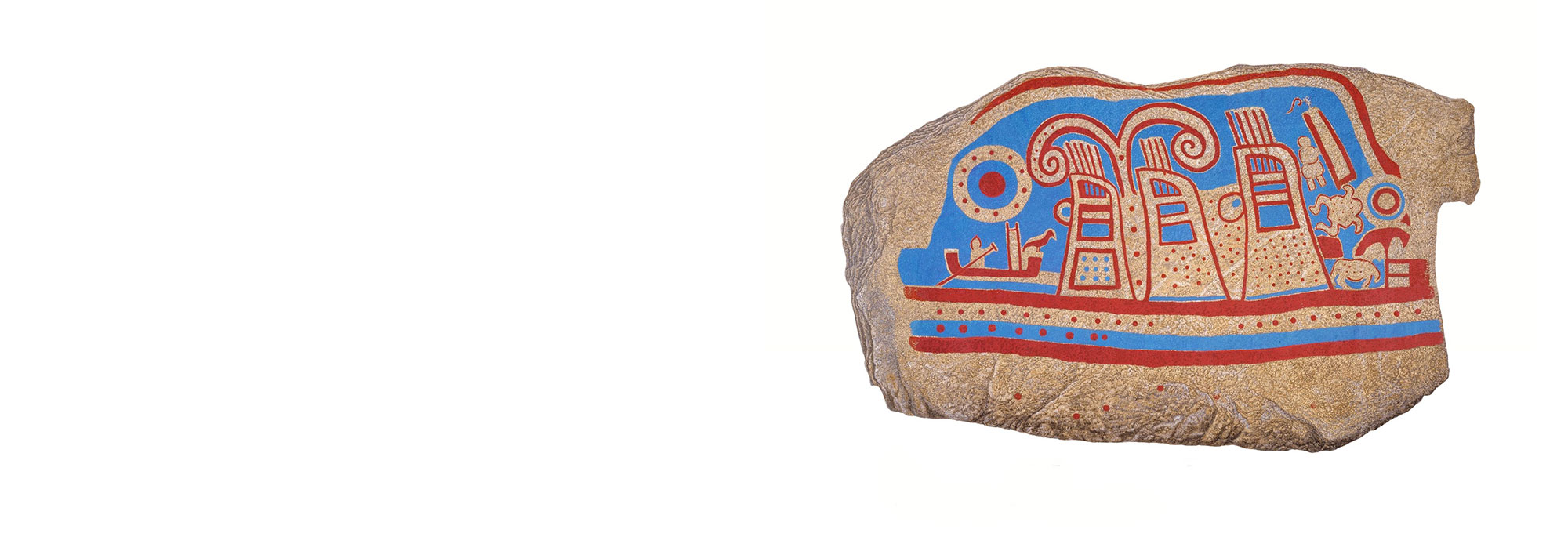
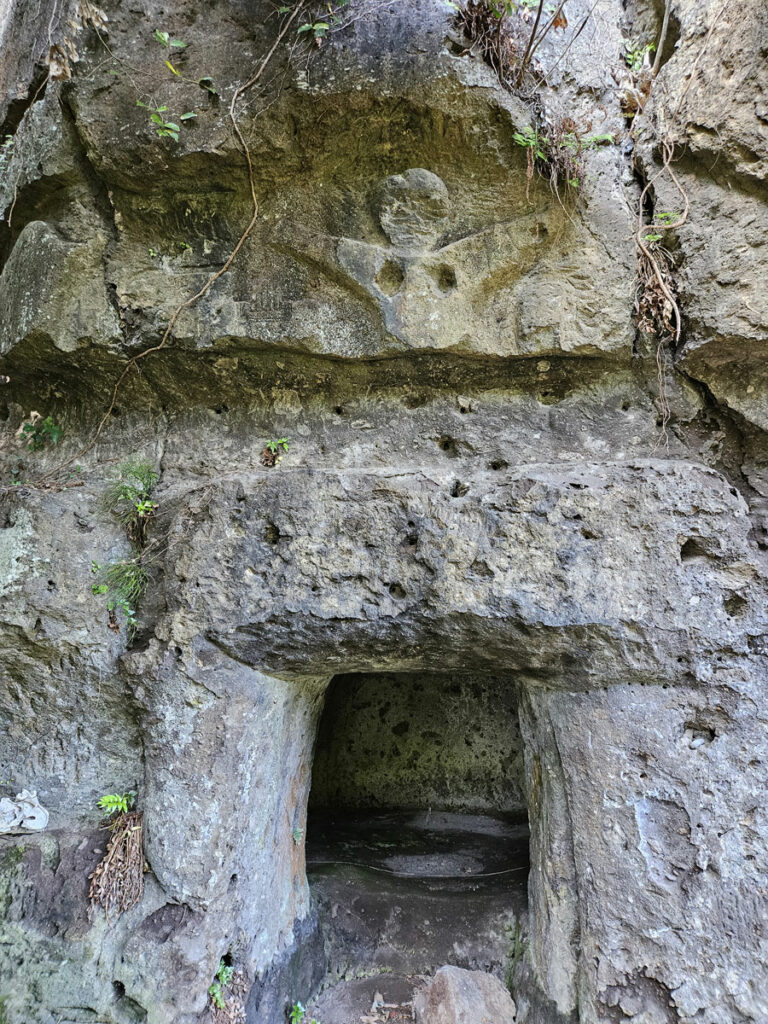
VENICE, ITALY—According to a Phys.org report, a new study of the paintings in southern Japan’s Kyushu tombs conducted by Claudia Zancan of Ca’Foscari University suggests that the images are not portraits of the dead, but anonymous figures who symbolize the journey undertaken by any dead person. Dated to the sixth and seventh century A.D., the tombs are horizontal stone chambers that could be reopened and were reused for generations. They were decorated with colorful images of spiral circles, horses, boats, and stick-like people. These stick figures were often depicted without faces and shown as smaller than other objects in the paintings. For example, images in one tomb show five horses and six riders. The horses were painted in detail, with large eyes, decorated harnesses, curved backs, and genitalia. The riders, however, are faceless stick figures. One is even four times smaller than the horse it is riding, Zancan said. As she cataloged these images, she noted that the figures tended to be clustered in three areas of the tombs. Figures with faces typically guard the outside of the tombs and figures within the entrances marked the threshold between the living and the dead. The smallest figures appear on the rear walls, where the body would be laid and the dead made their journey to become ancestors, Zancan concluded. Read the original scholarly article about this research in Antiquity. To read about the Hirota people who lived on the Japanese island of Tanegashima from the third to seventh century A.D., go to "Trading on Their Looks."