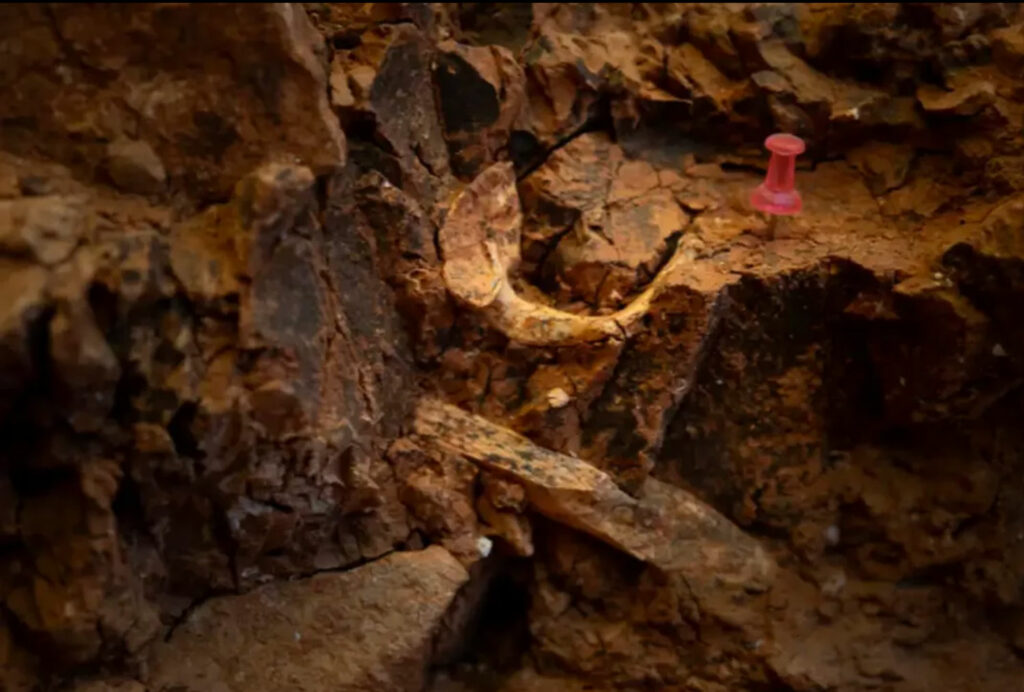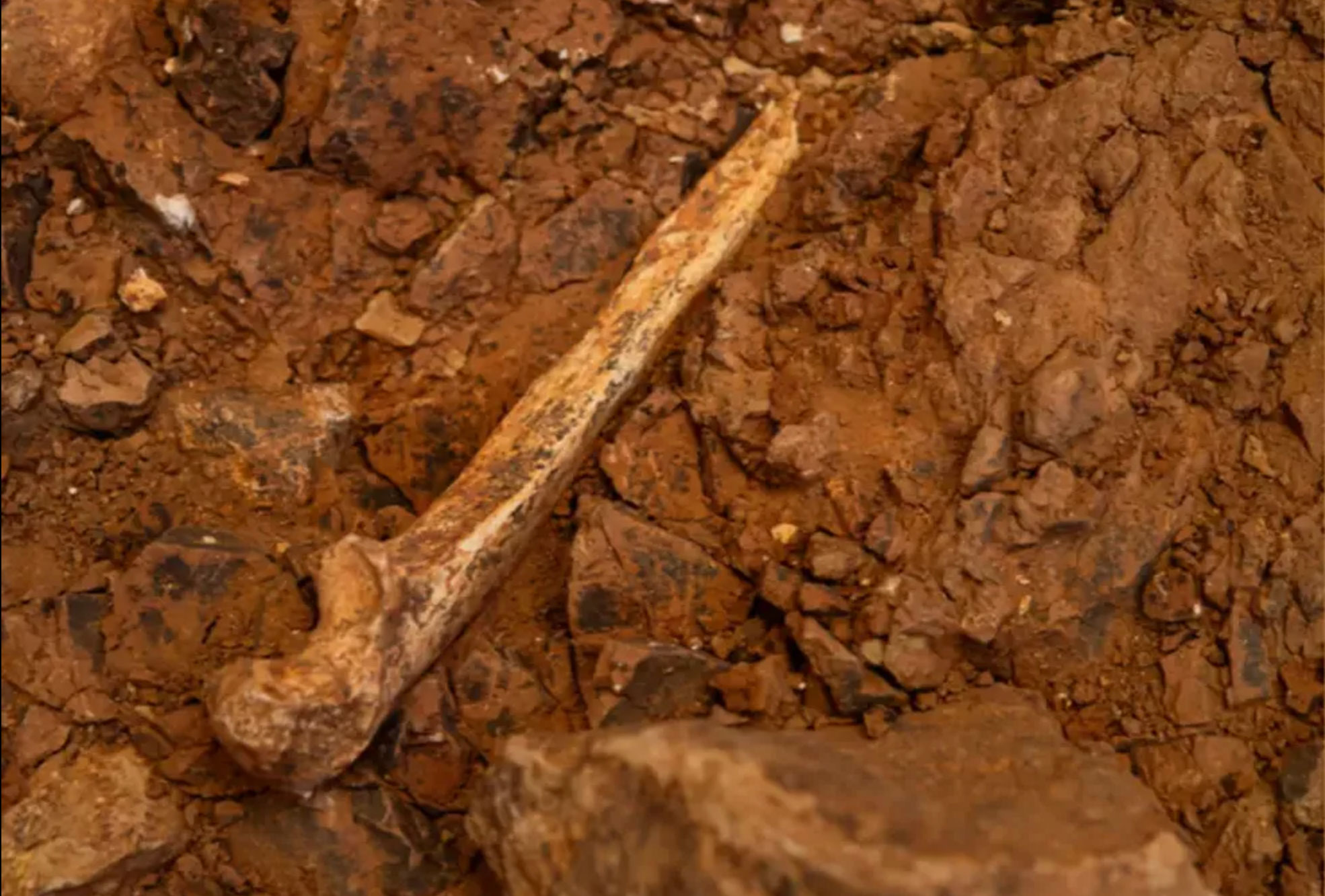
TARRAGONA, SPAIN—Gizmodo reports that analysis of the remains of 24 Homo antecessor fossils recently discovered at the Gran Dolina site in Spain revealed cut marks associated with cannibalism. It had been previously suggested that H. antecessor limited cannibalism to younger individuals, primarily due to the large number of infant and juvenile skeletons uncovered at Gran Dolina. Stone tools, and the remains of hyenas, beavers, horses, rhinos, and other animals, have now been found, in addition to the bones of adult H. antecessor individuals dated to 850,000 years ago. “For the first time, we can approach its demographic structure with a representativeness that we did not have until now,” said Andreu Ollé of the Catalan Institute of Human Paleoecology and Social Evolution (IPHES). “Each new campaign brings us a little closer to understanding how these human groups lived, how they exploited resources, and how they were socially organized,” he explained. To read about evidence of cannibalism on Neanderthal remains recovered in Belgium, go to "What Happened in Goyet Cave?"