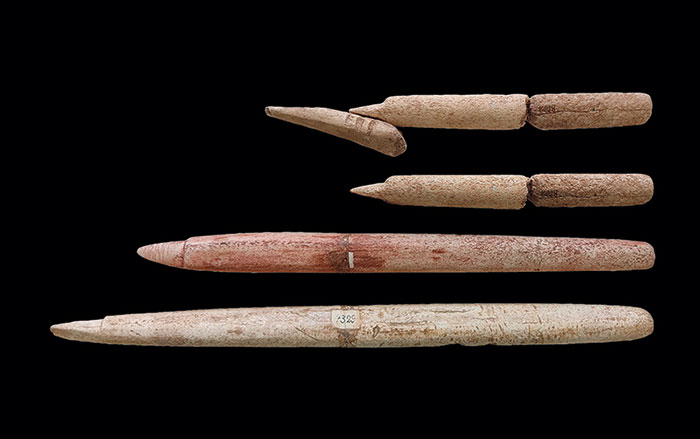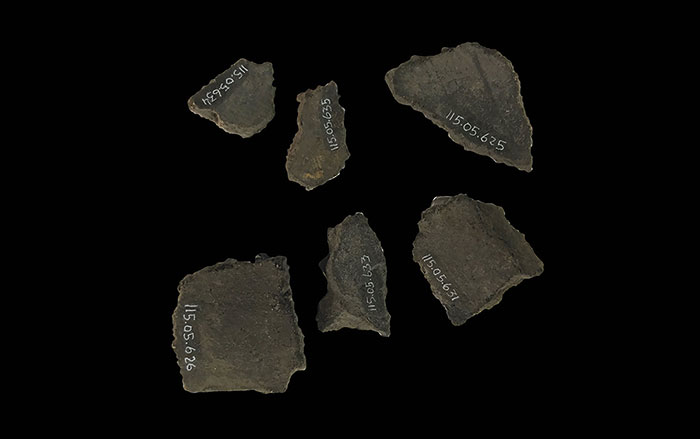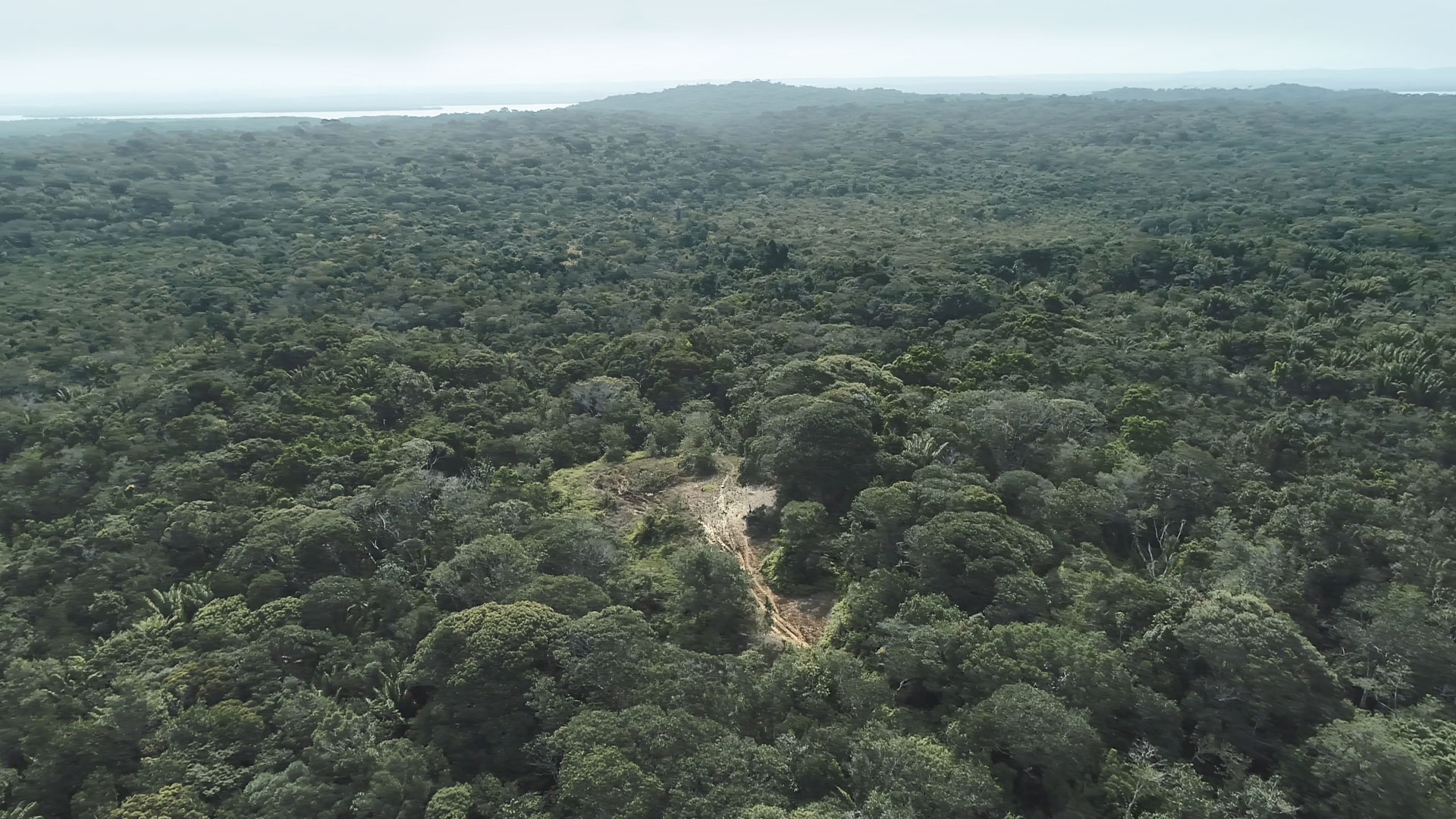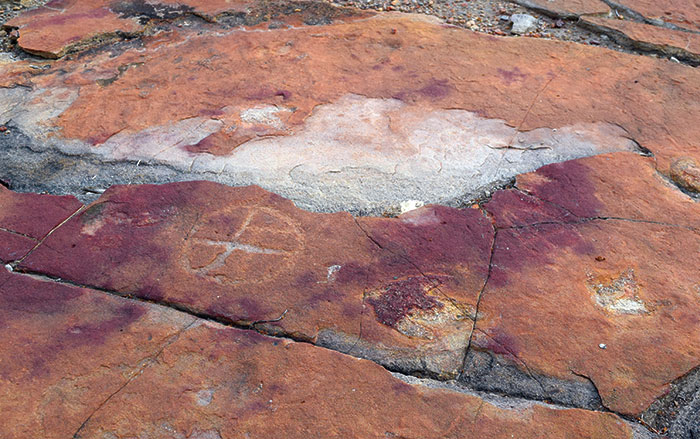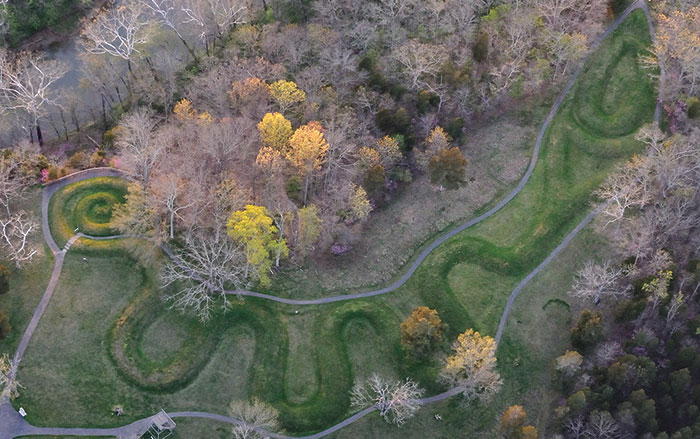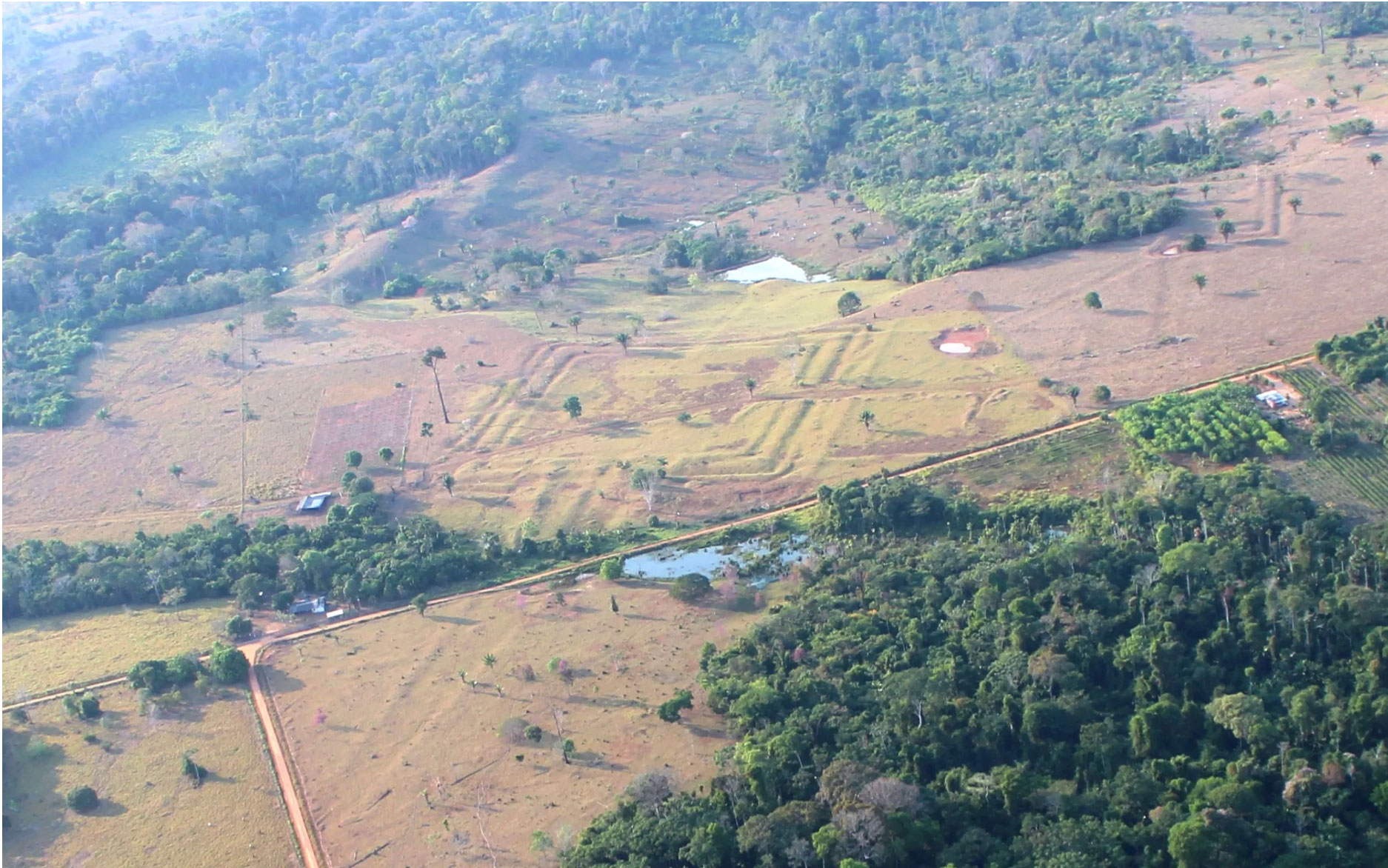
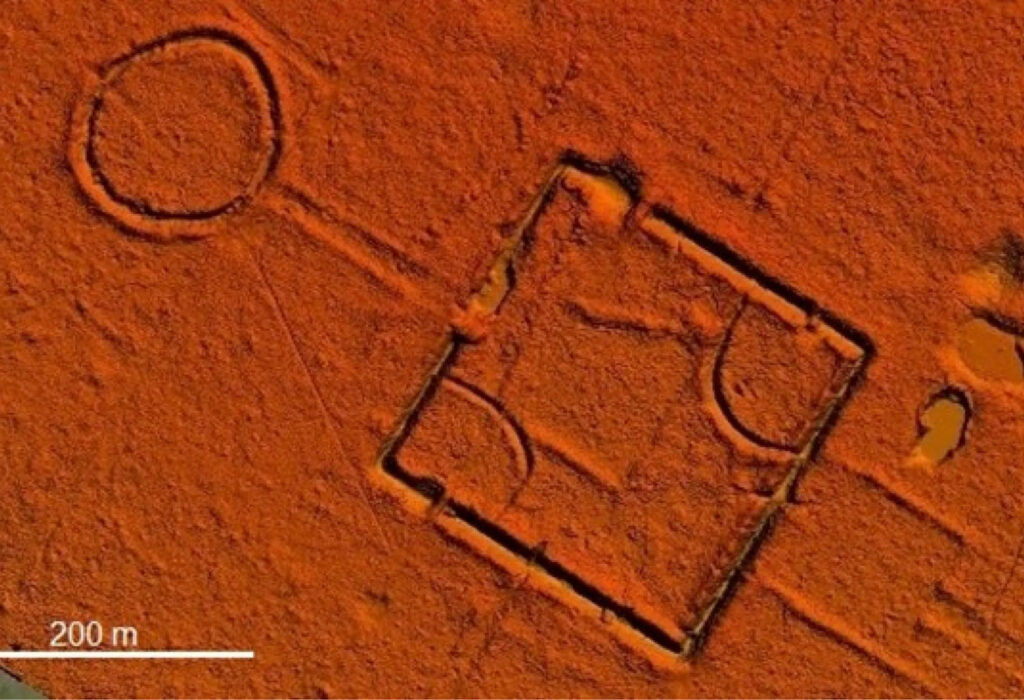
HELSINKI, FINLAND—Live Science reports that a lidar survey of more than 1,700 square miles of the Amazon rainforest in western Brazil has detected nearly 400 earthworks dated to between 600 B.C. and A.D. 850. The geoglyphs were constructed by the Aquiry, a multicultural group made up of as many as three million people, based upon an estimate of 300 people needed to build and maintain each geoglyph. “The cultures and societies that composed the Aquiry shared a common worldview and constructed ceremonial centers in a variety of monumental geometric forms, characterized by deep ditches and high outer embankments, commonly known as Amazonian geoglyphs,” said Martti Pärssinen of the University of Helsinki. People lived in multifamily longhouses around these earthworks and grew crops including maize and squash, Pärssinen added. “According to native oral traditions, the Aquiry centers were built to foster relations among communities,” he explained. As many as 20,000 earthworks may still be hidden in the rainforest. “We do not know why the geoglyphs were suddenly abandoned between A.D. 850 and 950,” Pärssinen continued. The collapse may be related to the disappearance of other groups of people, such as the Classic Maya in Central America and the Tiwanaku and Wari civilizations in the Andes, he concluded. Read the original scholarly article about this research in Nature. To read more about archaeological research in the region, go to "Dark Earth in the Amazon."