

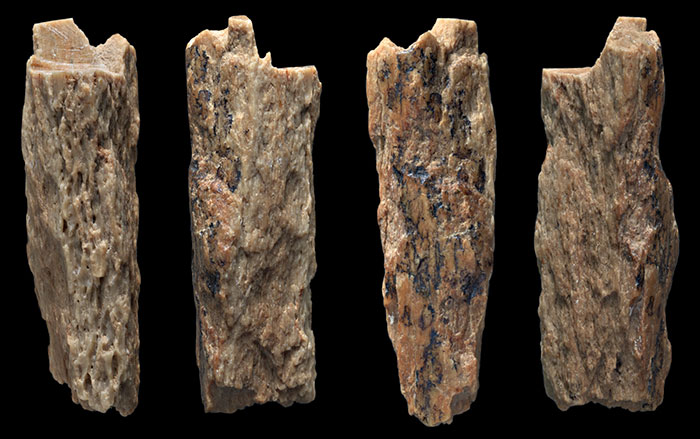
PENGHU CHANNEL, TAIWAN—Surprising new research suggests that Denisovans, an extinct species of hominin, were much taller than their Pleistocene contemporaries, Science reports. Denisovans were related to Neanderthals but genetically split from them around 550,000 years ago. They came to inhabit much of Asia, from Siberia to China. Two decades ago, two mysterious and ancient leg bones were dredged up from the seafloor of the Penghu Channel off the coast of Taiwan. Recent proteomic analysis of proteins in the tibia and femur conducted by a Japanese and Taiwanese team has confirmed that they belonged to two Denisovan male individuals who lived around 45,000 years ago. The team also concluded that the hominins were exceptionally tall for their time period as well, standing six feet two inches and five feet eleven inches, respectively. In comparison, Neanderthals were typically around six to eight inches shorter, while members of Homo erectus were on average even shorter than that. Read the original scholarly article about this research in bioRxiv. For more, go to "Denisovans at Altitude," one of ARCHAEOLOGY's Top 10 Discoveries of 2019.
Denisovans Were Much Taller Than Previously Thought
News August 18, 2026
Recommended Articles
Digs & Discoveries May/June 2026
Turning Over the Soil
Digs & Discoveries September/October 2021
Neanderthal Hearing
More to Discover
Features July/August 2026
Egypt's First Queen
How a trailblazing ruler pulled her realm back from the brink


-
Features July/August 2026
Secrets of the Serpent
Is a Native American origin story embedded in Ohio’s colossal earthwork?
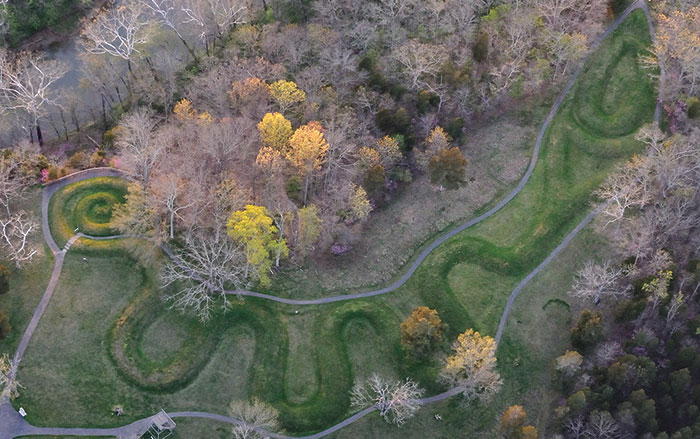 Timothy E. Black
 -
Features July/August 2026
Slinging Insults
Greek and Roman soldiers fired pointed barbs at their enemies
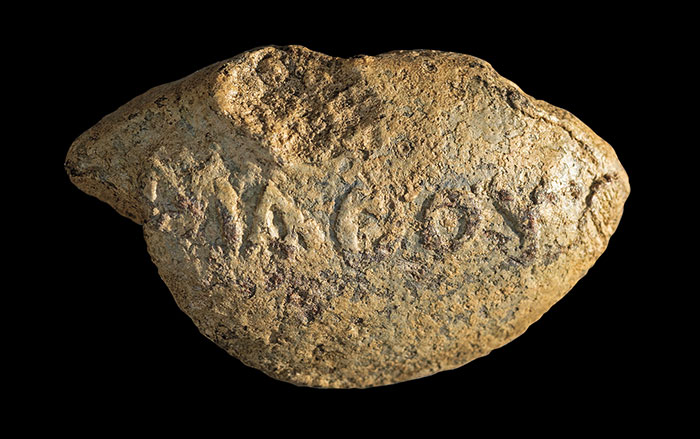 Courtesy Michael Eisenberg
 -
Features July/August 2026
Inside Africa’s Houses of Stone
Archaeologists are rethinking how kings shared power beyond the great capitals of medieval Zimbabwe
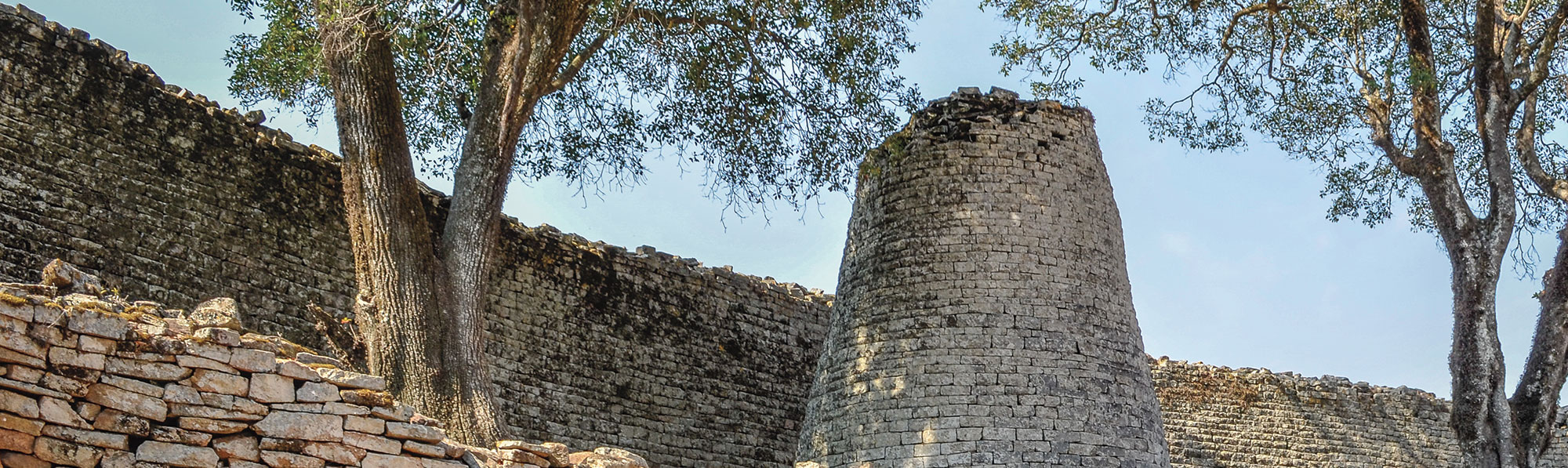 Ad/AdobeStock
 -
Features July/August 2026
Tennis, Anyone?
Discovering the origins of the peculiar racket game that swept sixteenth-century France
 © Denis Gliksman, Inrap