

SASKATCHEWAN, CANADA—CBC News reports that two bone samples found in separate pits under a sandstone cliff carved with petroglyphs in southern Saskatchewan have been radiocarbon dated. The first bone sample was dated to A.D. 900, while the second was dated to 120 B.C. “It doesn’t date the carvings directly, but it’s very suggestive that people were using this particular site, maybe making carvings, as far back as 2,100 years ago,” said archaeologist Tim Jones. The findings suggest that First Nations people who traveled through the area seasonally made the carvings. “There’s over 360 carvings here, so it’s a very, very important site for Saskatchewan, in terms of our heritage,” Jones explained. Researchers plan to date another bone recovered from a deeper layer of the pit. “It comes down to understanding that Saskatchewan has been occupied since time immemorial,” commented Karin Steuber of the Saskatchewan Archaeological Society. To read about the earliest inhabitants of British Columbia, go to "The Edible Seascape."
New Dates Obtained at Canada’s St. Victor Petroglyph Site
News August 26, 2026

Recommended Articles
Off the Grid May/June 2026
SGang Gwaay, British Columbia, Canada
Saving an ancestral Haida village after a devastating storm
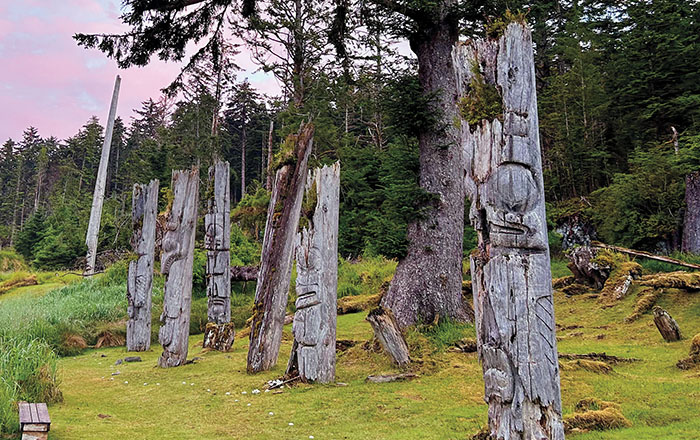
Features September 1, 2011
The Edible Seascape
A reevaluation of evidence along North America's western coast shows how its earliest inhabitants managed the sea's resources.

Digs & Discoveries January/February 2026
Purple Purchasing Power

Top 10 Discoveries of 2024 January/February 2025
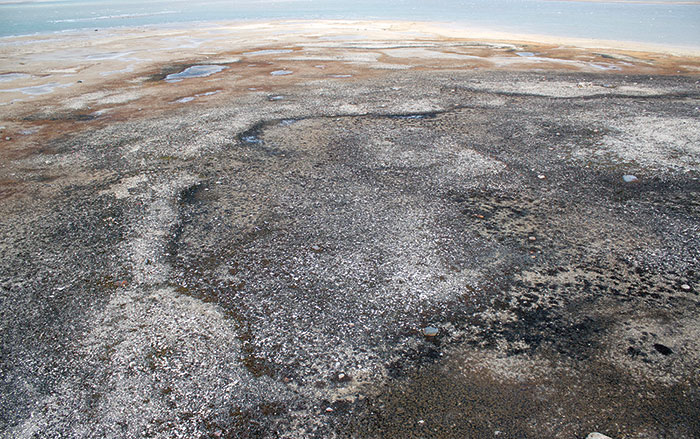
Grim Evidence from the Arctic
King William Island, Canada
More to Discover
Features July/August 2026
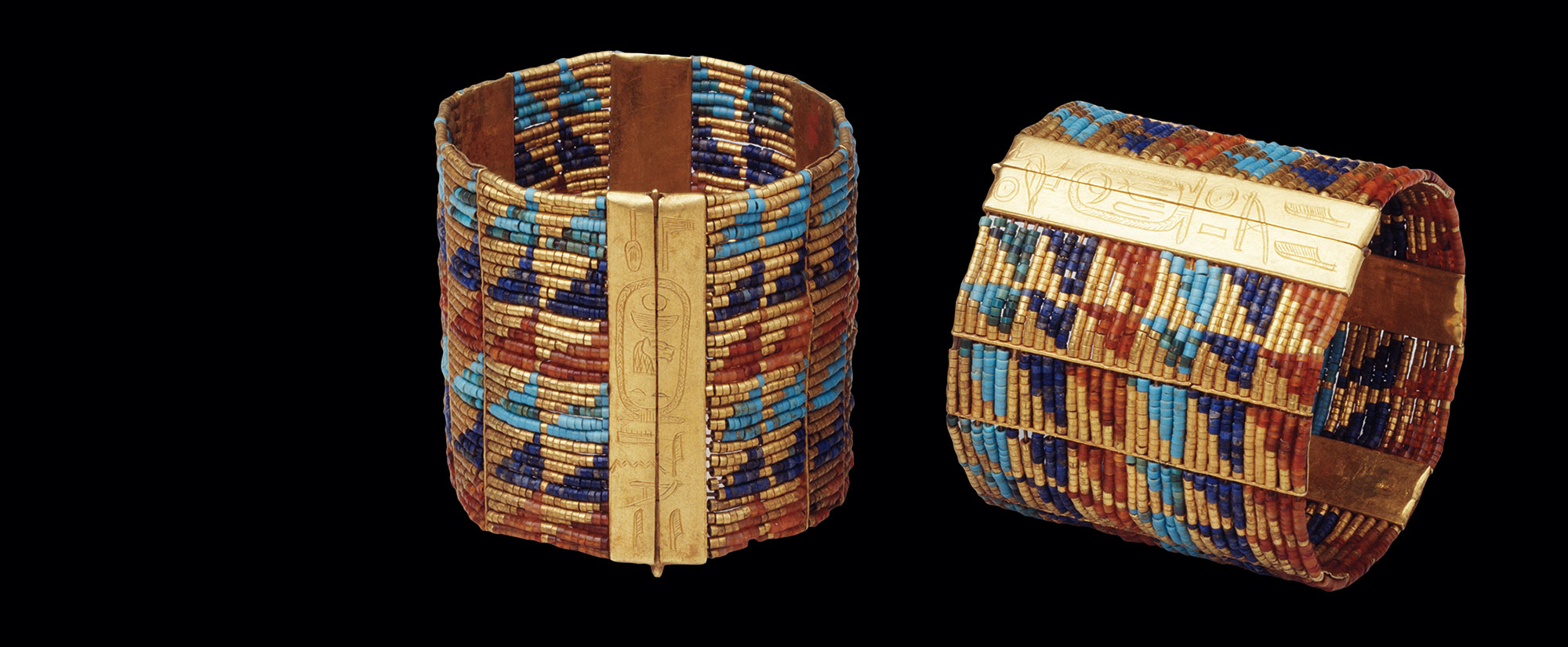
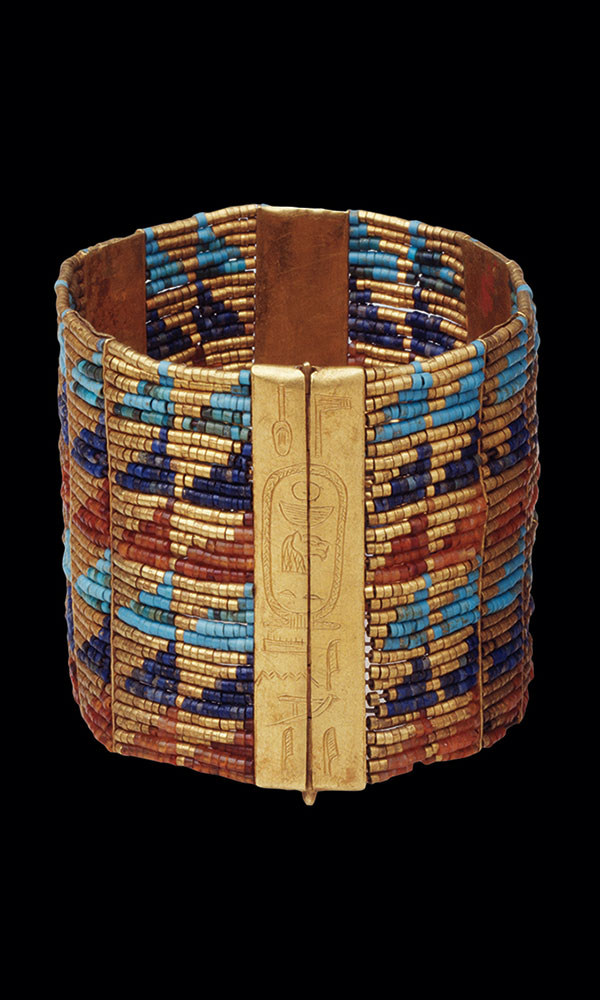
Egypt's First Queen
How a trailblazing ruler pulled her realm back from the brink
-
Features July/August 2026
Secrets of the Serpent
Is a Native American origin story embedded in Ohio’s colossal earthwork?
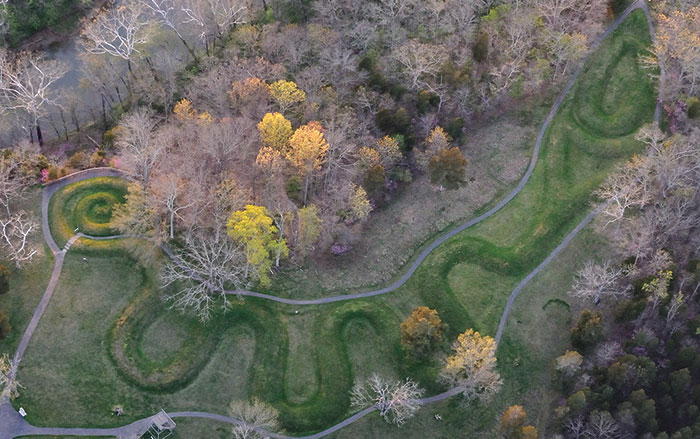 Timothy E. Black
 -
Features July/August 2026
Slinging Insults
Greek and Roman soldiers fired pointed barbs at their enemies
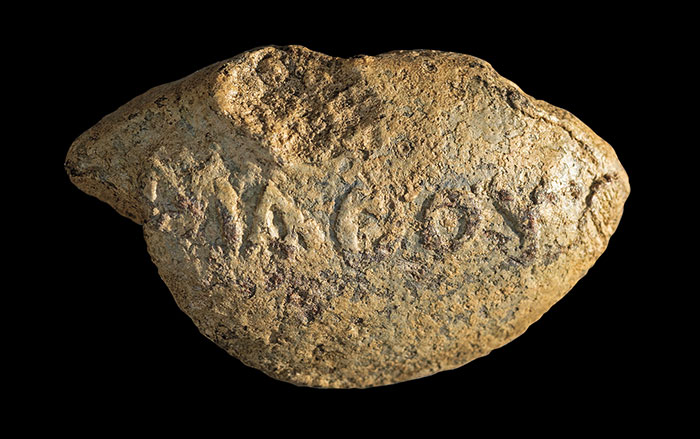 Courtesy Michael Eisenberg
 -
Features July/August 2026
Inside Africa’s Houses of Stone
Archaeologists are rethinking how kings shared power beyond the great capitals of medieval Zimbabwe
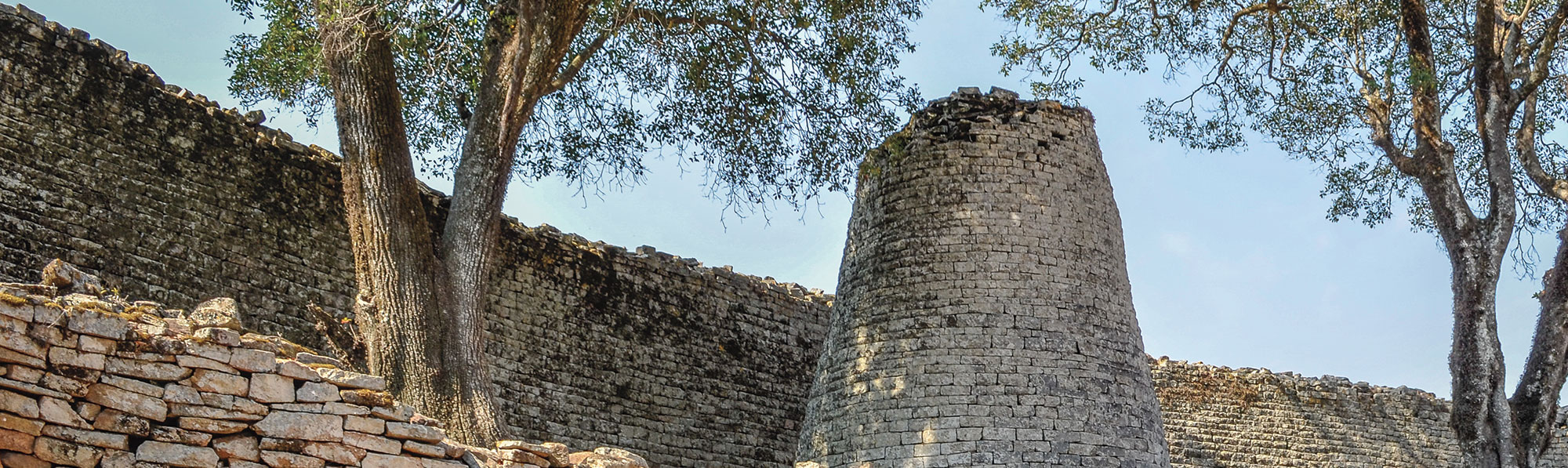 Ad/AdobeStock
 -
Features July/August 2026
Tennis, Anyone?
Discovering the origins of the peculiar racket game that swept sixteenth-century France
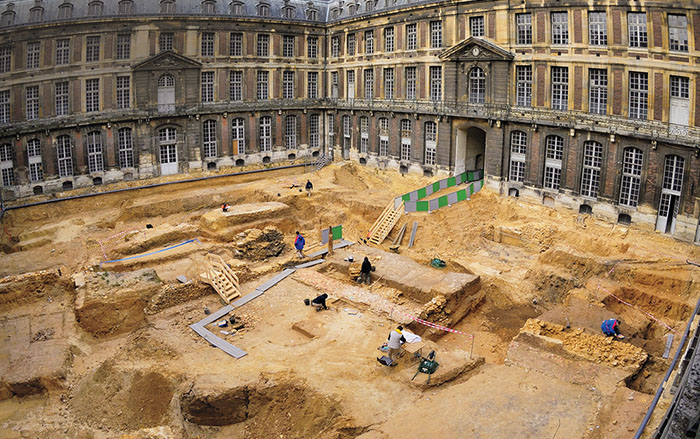 © Denis Gliksman, Inrap