

LEIDEN, THE NETHERLANDS—According to a Phys.org report, Alex Tutwiler and Rachel Schats of Leiden University examined the spines of more than 140 children and young people who lived in the Netherlands between the seventeenth and nineteenth centuries. These children worked hauling milk and cheese at rural dairy farms, and in urban factories where they spent their days spinning, sewing, and weaving. The researchers compared the bones with those of children from affluent families who did not perform physical labor. “It was honestly heartbreaking,” Tutwiler said. Worn-down spinal joints, bony lips growing on the edges of vertebrae, and dents in the spinal discs were found in the remains of the children, who began working as early as the age of four. The heaviest damage was found in the bones of the children who repeatedly carried heavy loads on dairy farms. The children who worked in factories had lower back problems, as did the affluent children. Tutwiler and Schats think the affluent children may have been injured while horseback riding, playing, or by sitting still and studying for hours at a time. “Reading the historical accounts of child labor in the Netherlands during this period is one thing, but actually seeing the effects of child labor on growing bones is entirely different,” Tutwiler concluded. Read the original scholarly article about this research in the International Journal of Paleopathology. To read about sanitation in medieval Holland, go to "Letter from Leiden: Of Cesspits and Sewers."
Bones Reveal Effects of Child Labor in the Netherlands
News September 3, 2026
Recommended Articles
Digs & Discoveries July/August 2023
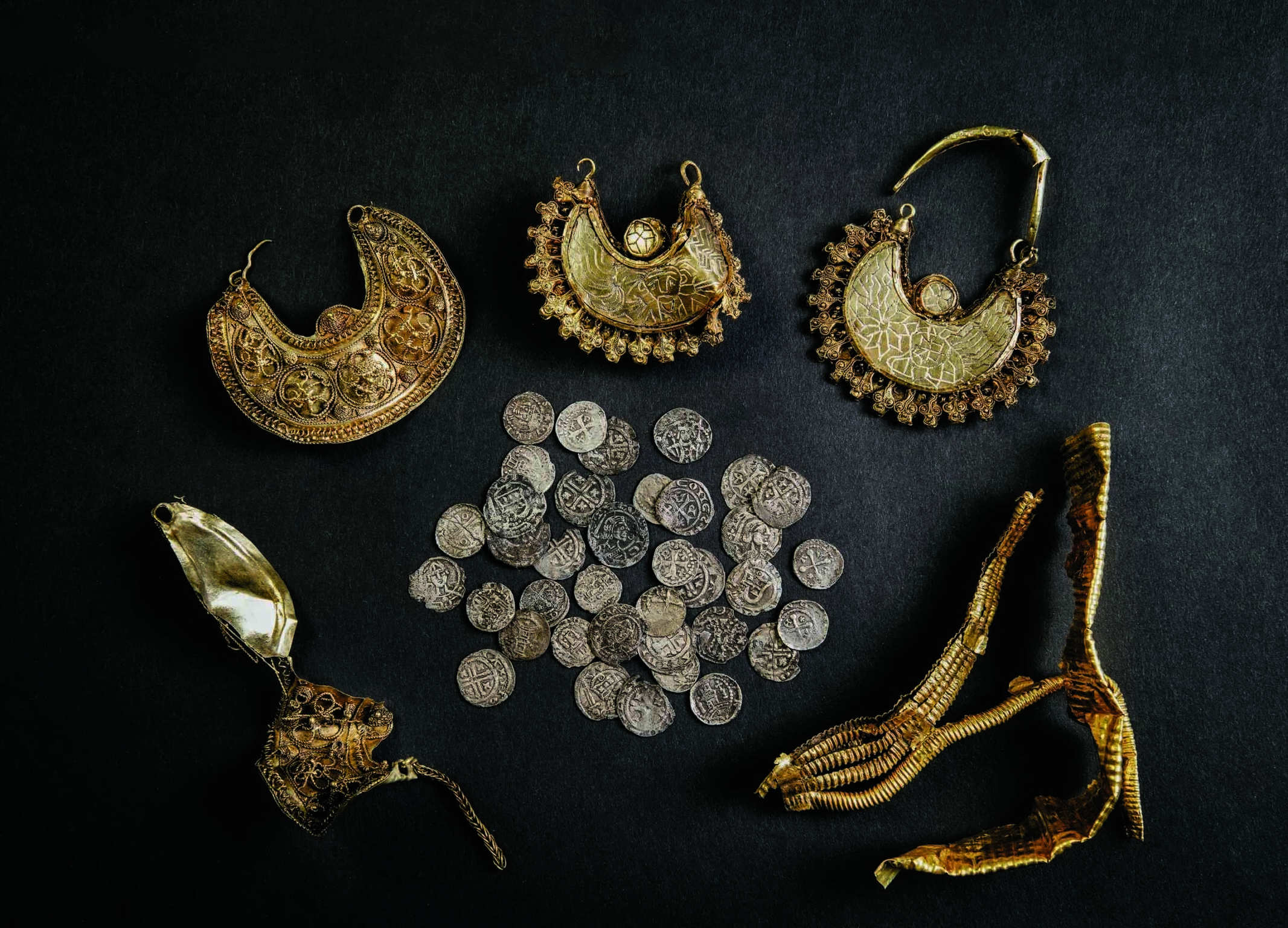
Hybrid Hoard
Features July/August 2023
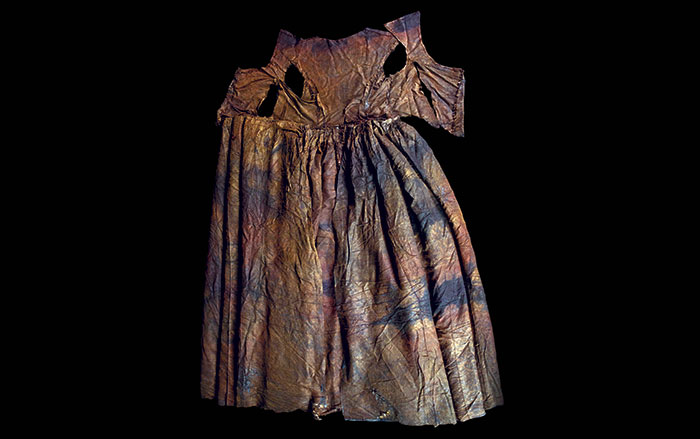
An Elegant Enigma
The luxurious possessions of a seventeenth-century woman continue to intrigue researchers a decade after they were retrieved from a shipwreck
Digs & Discoveries September/October 2022
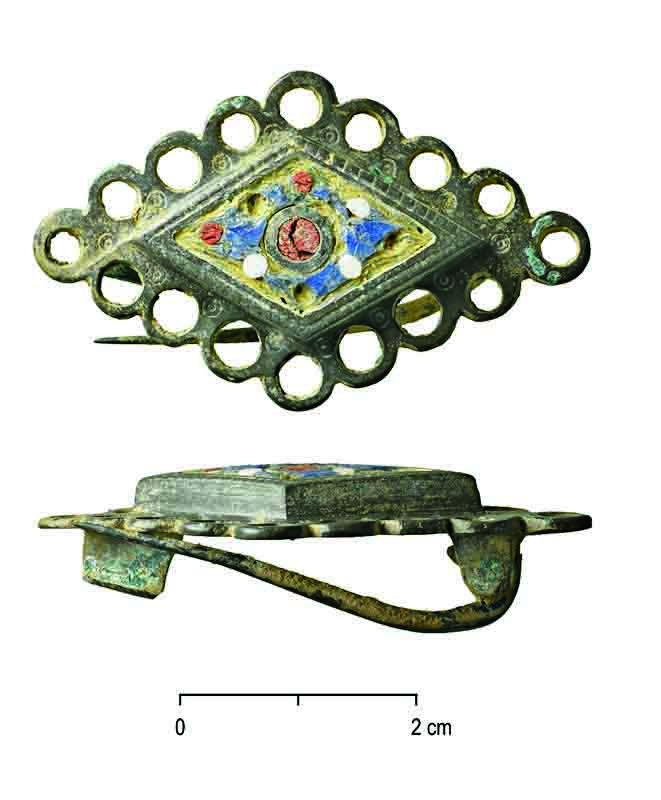
Romans Go Dutch
Digs & Discoveries July/August 2021
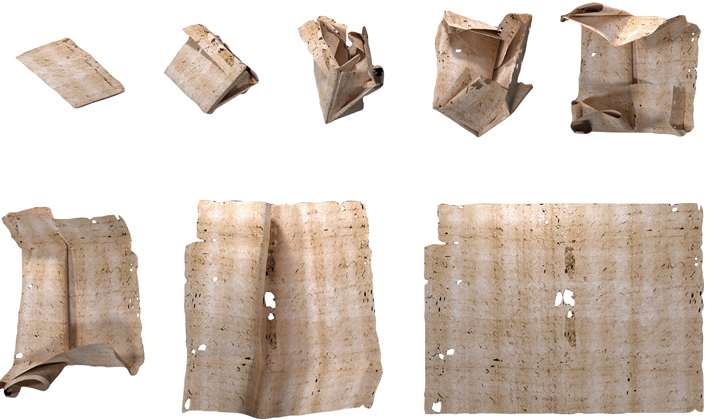
Return to Sender
More to Discover
-
Features September/October 2026
A Change in Fashion
Hoards of lavish gold and silver neck rings buried on an English hill reflect dramatic social change
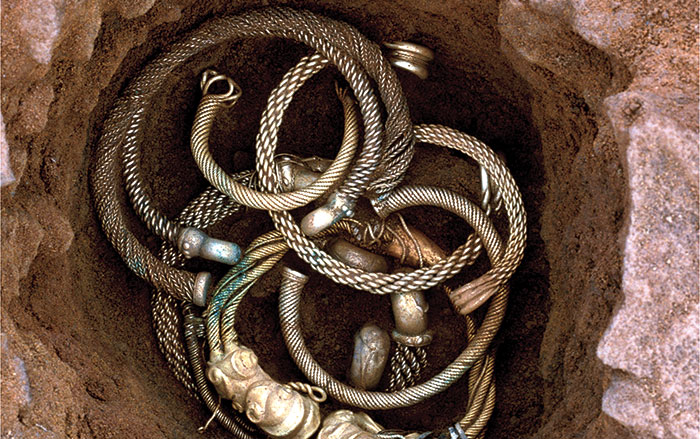 Photo © 2026 The Trustees of the British Museum
 -
Features September/October 2026
Cultivating Fields of Stone
Peru’s ancient farmers used intricate rock maps to plan for the future
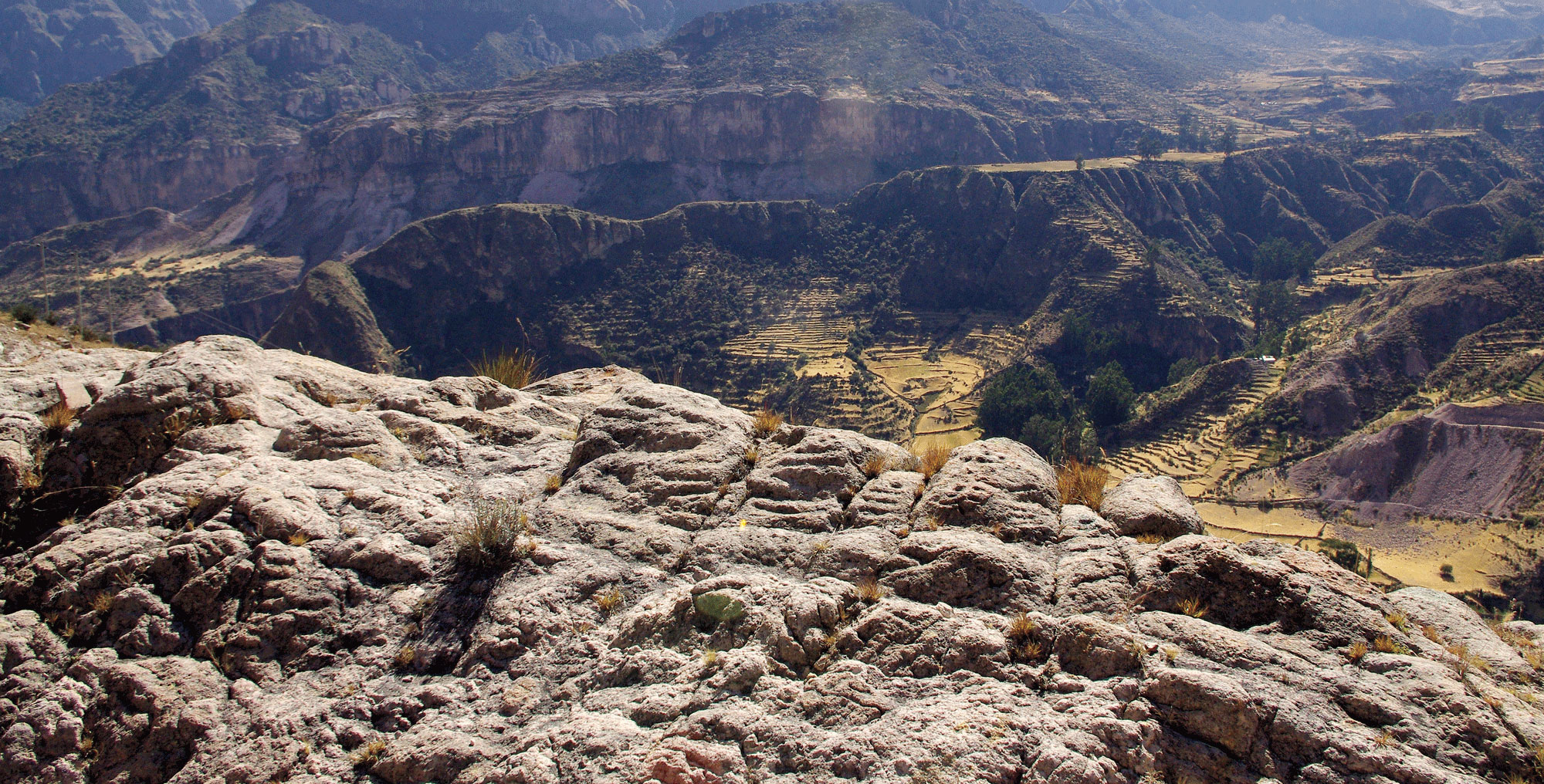 Courtesy Patricia Aparicio Martínez
 -
Features September/October 2026
Where Was Ancient Egypt Born?
Archaeologists are reimagining a time before the first pharaohs
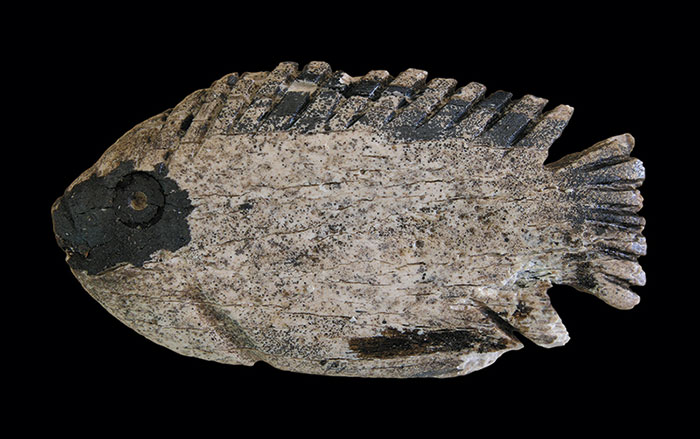 Courtesy Robert Słaboński/Tell el-Farkha Expedition
 -
Features September/October 2026
2,000 Years Under the Sea
The story of Greece’s famed Antikythera wreck is finally being revealed
 © ESAG/UNIGE