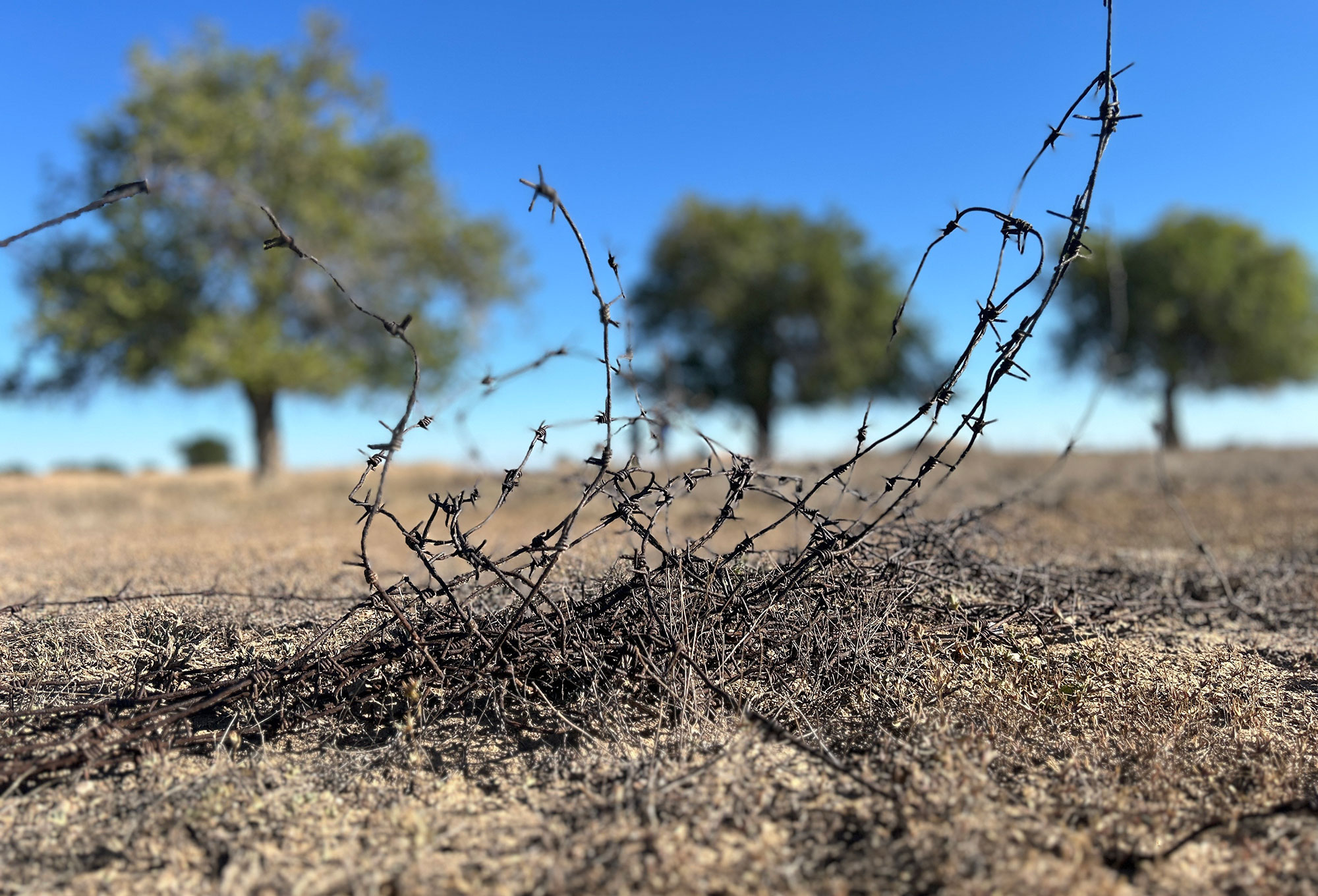
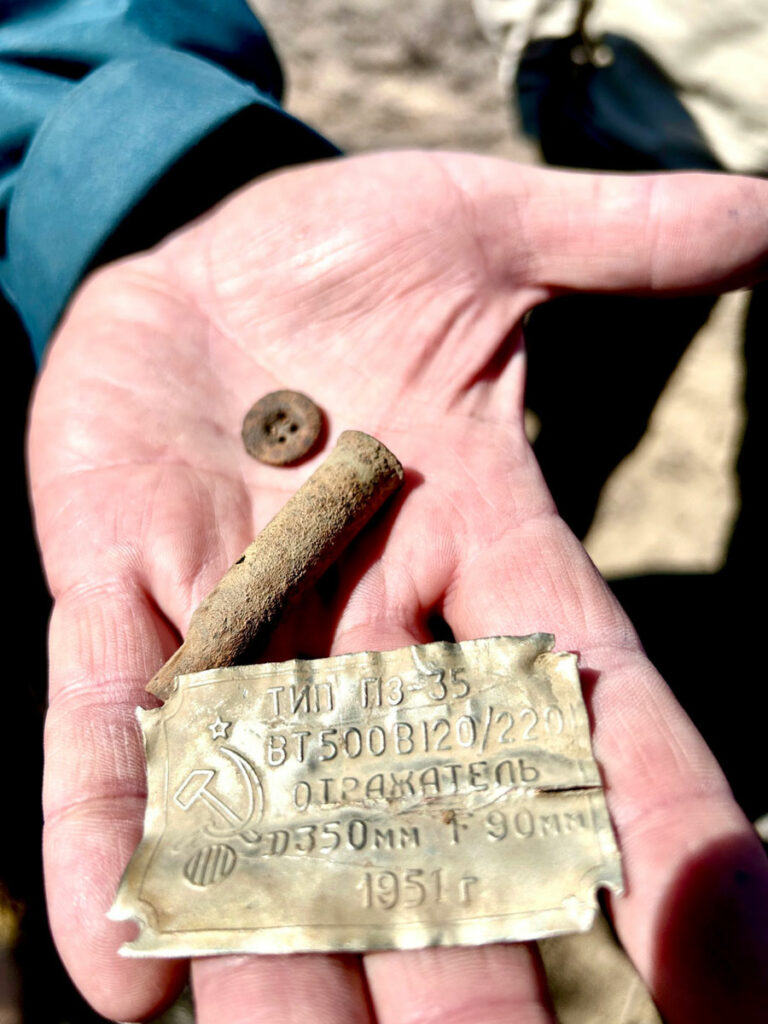
PILSEN, CZECH REPUBLIC—Radio Prague International reports that archaeologists from the University of West Bohemia and the group Gulag.cz have examined the site of a Soviet gulag in Kazakhstan. More than 20,000 people had been held in the camp. “We focused on the area around the town of Zhezkazgan, where there was a steppe camp, the so-called Steplag, after the Second World War, from 1948 to around 1956,” said Štĕpán Černoušek of Gulag.cz. “It was a special camp for political prisoners,” he explained. The team members have also examined camp sites in Siberia and documented the first evidence for a gulag in Uzbekistan. “Our research so far suggests that there was a great deal of variation in what the camps looked like, what materials the barracks were built from, and how the individual barracks were arranged within the camp,” Černoušek explained. At least three layers of massive barbed-wire fencing have been found at all of the camps. Every camp also had guard towers, he added, and most had a solitary confinement cell. A local witness suggests that even though records show that administrators in Moscow closed the Steplag camp in 1956, the camp continued to imprison women into 1959. Broken bottles dating to 1959 and 1960 support the witness’ testimony, Černoušek said. “It shows that we cannot rely solely on archival material,” he concluded. To read about archaeology at another Soviet site, go to "Cold War Storage."