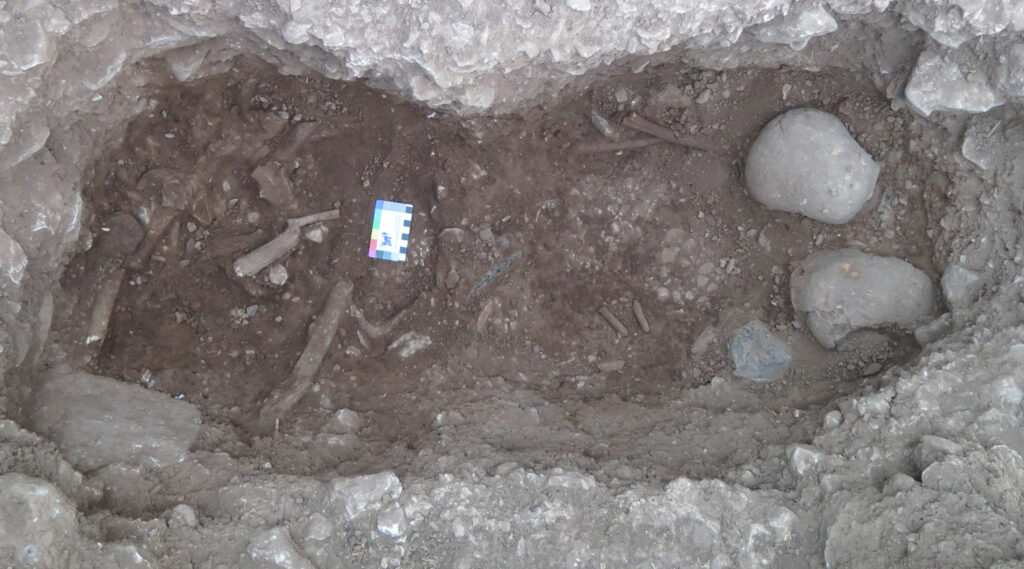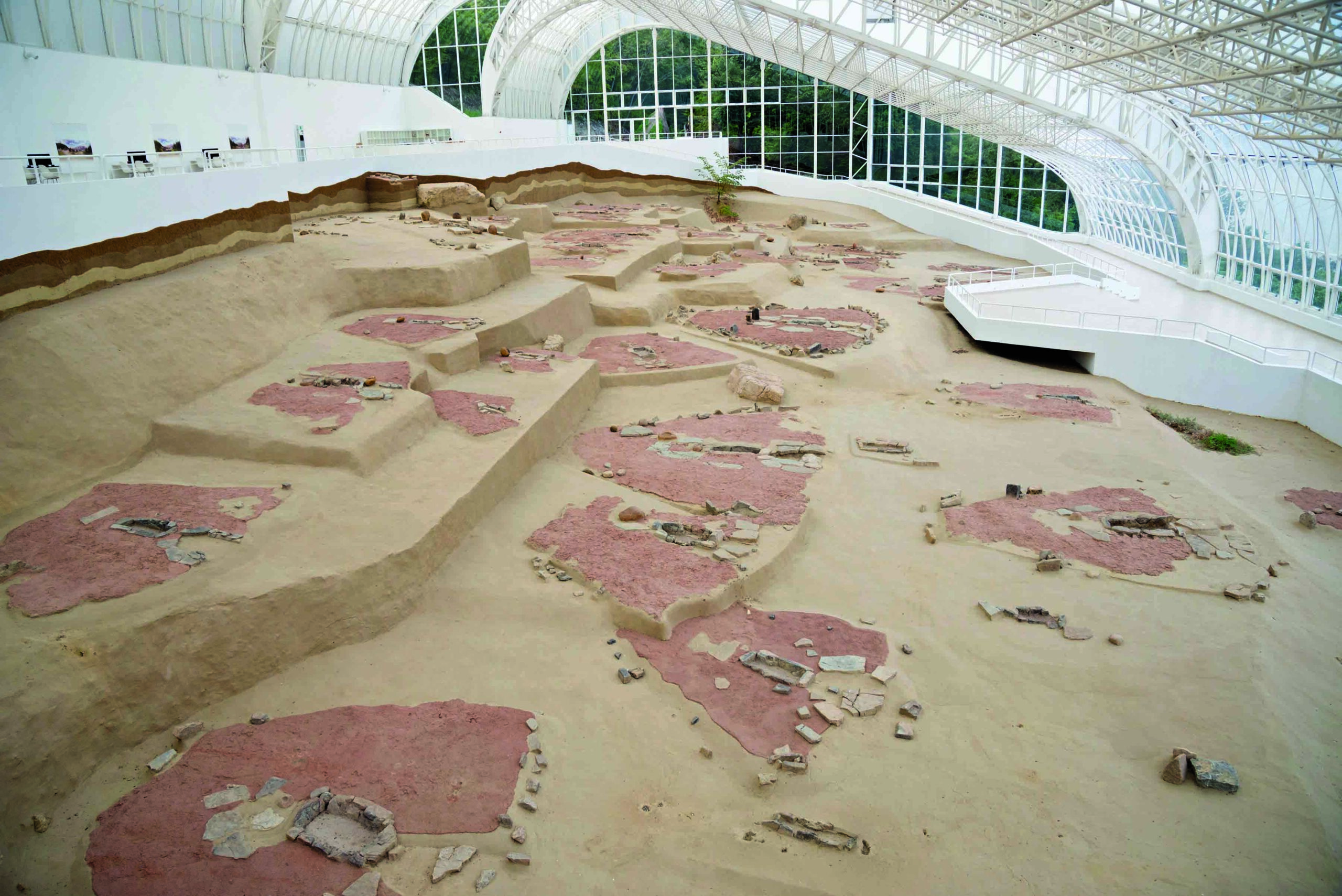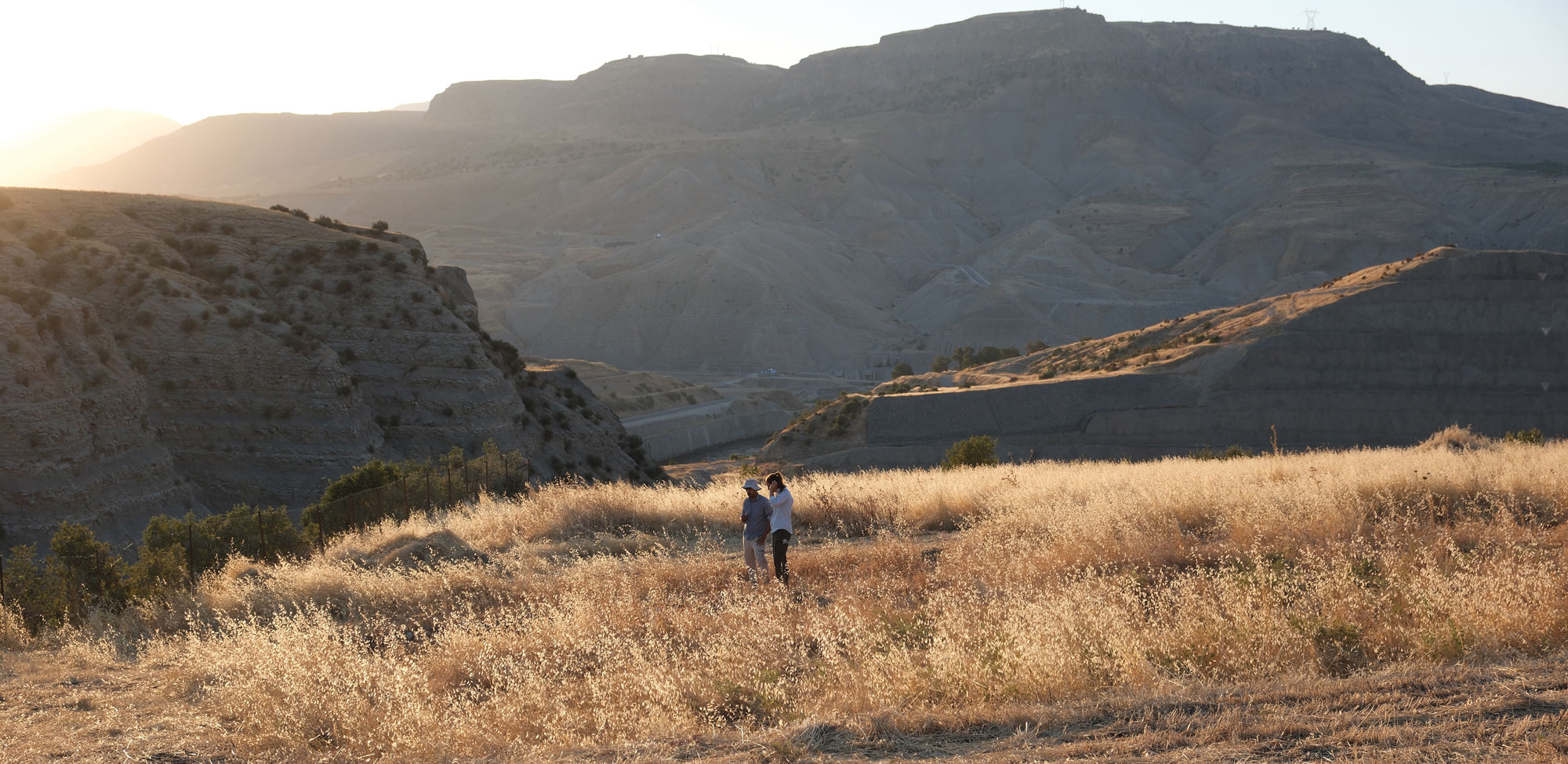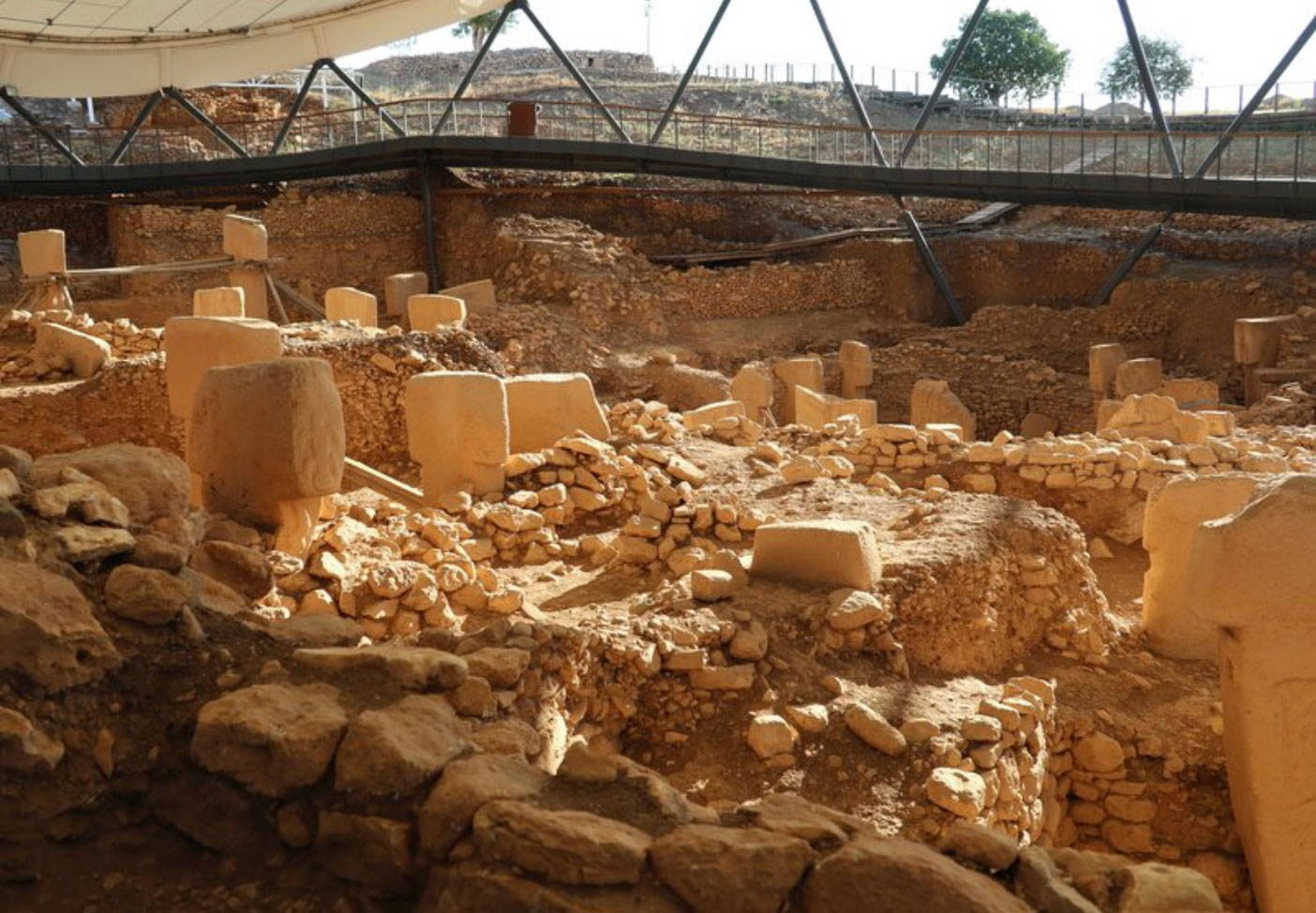
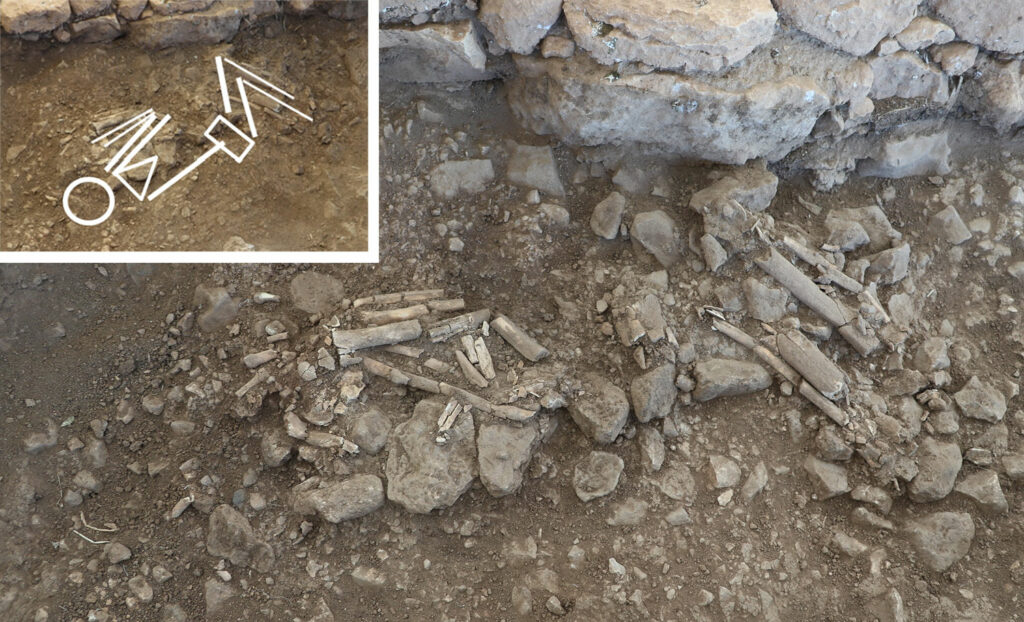
ISTANBUL, TURKEY—Researchers led by Julia Gresky of the German Archaeological Institute have discovered intact burials at Göbekli Tepe, according to an IFL Science report. Located in southeastern Turkey, the monumental structures and pillars were built by hunter-gatherers in several stages between 9600 and 8200 B.C. During previous excavations of certain buildings at the site, archaeologists have uncovered fragments of human bones mixed in with debris. A kidney-shaped pit was found to contain the remains of a woman, a young man, and an adolescent girl. The remains of a young woman were found in a flexed position in a single burial. These graves have been dated to between about 8700 and 8000 B.C. The researchers now think that the bone fragments found in buildings may have been placed there during ritual activity. It is also possible that erosion and landslides carried the bones into the site from burials that had been placed higher up on the city’s mound, Gresky said. The scientists note that the bones found in the burials had been broken, coated in calcium deposits, and had been gnawed on by rodents, similar to the bones found in the building fill. The discovery also suggests that people may have lived at the site, rather than meeting there only for rituals, as had been previously suggested. Read the original scholarly article about this research in PLOS One. To read more about excavations at the site, go to "Last Stand of the Hunter-Gatherers?"