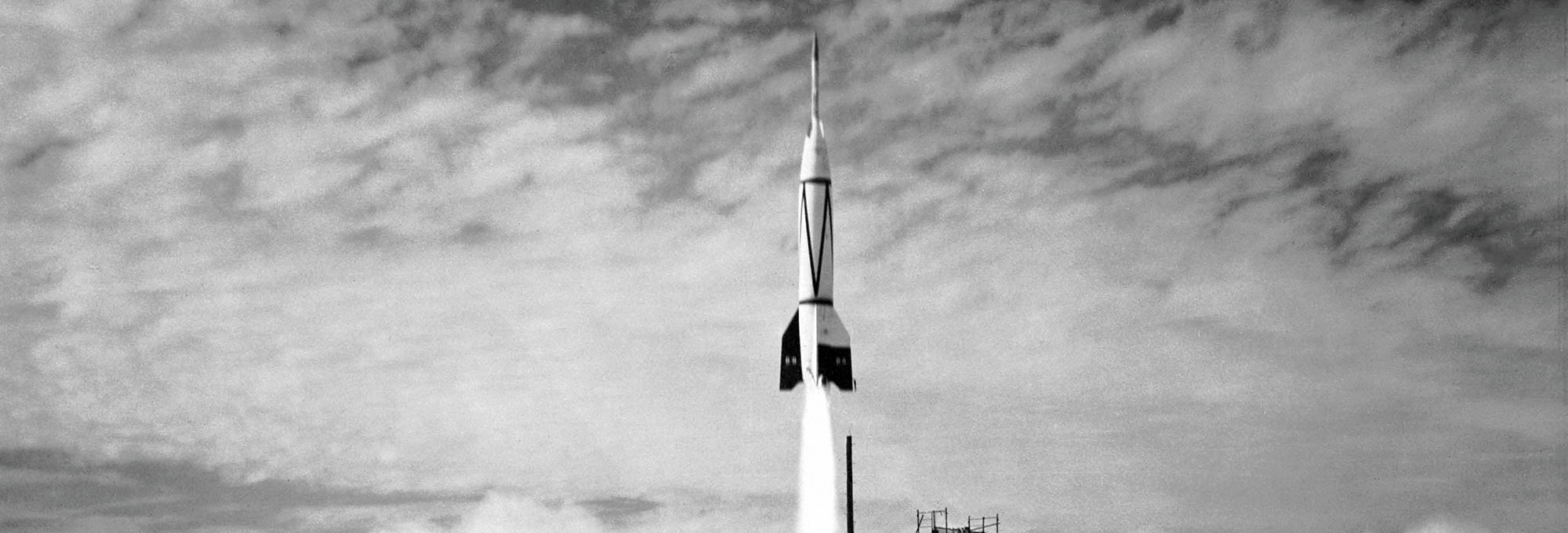
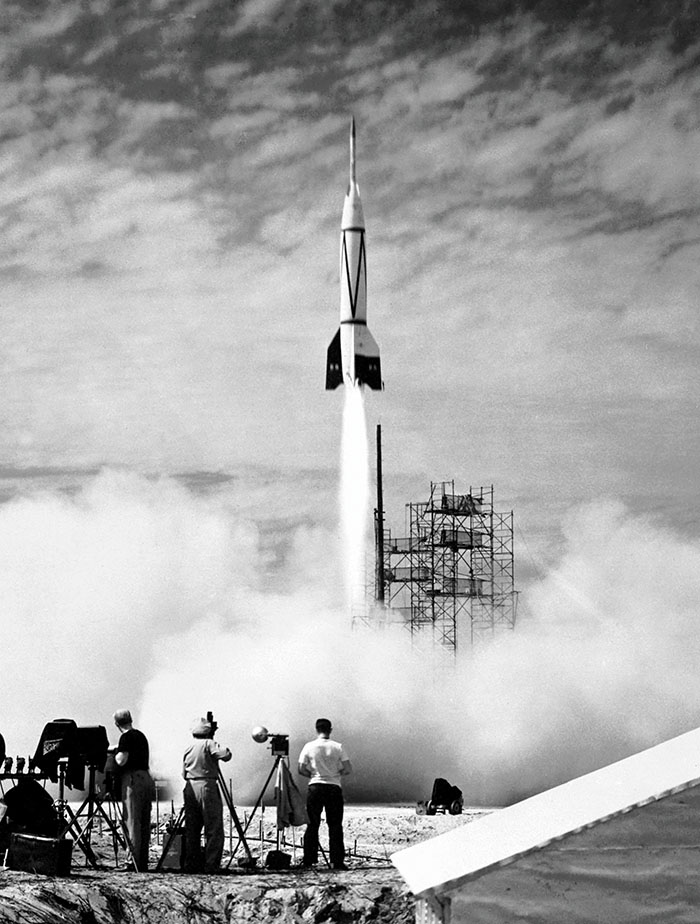
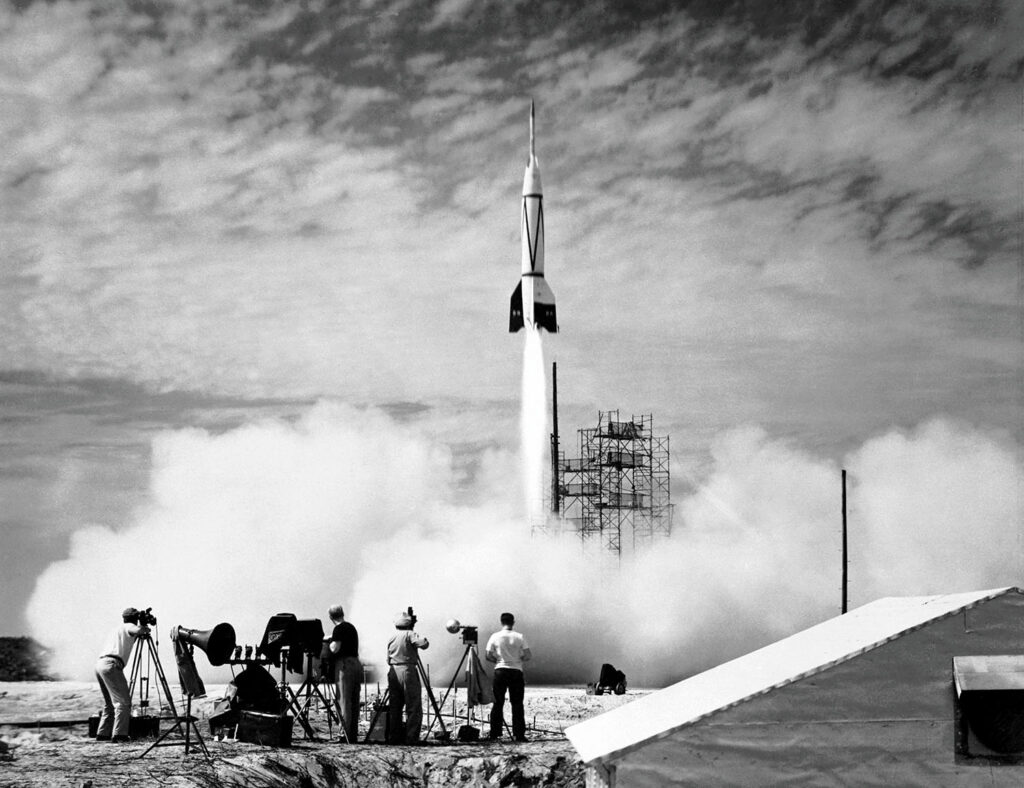
In May 1950, construction workers began pouring concrete for a 100-square-foot launchpad near the elbow of Cape Canaveral on Florida’s Atlantic Coast, where the U.S. Army planned to launch the final tests of a new class of rocket, called the Bumper. Project Bumper was intended to answer crucial questions—namely, how high and how fast can we shoot a rocket?
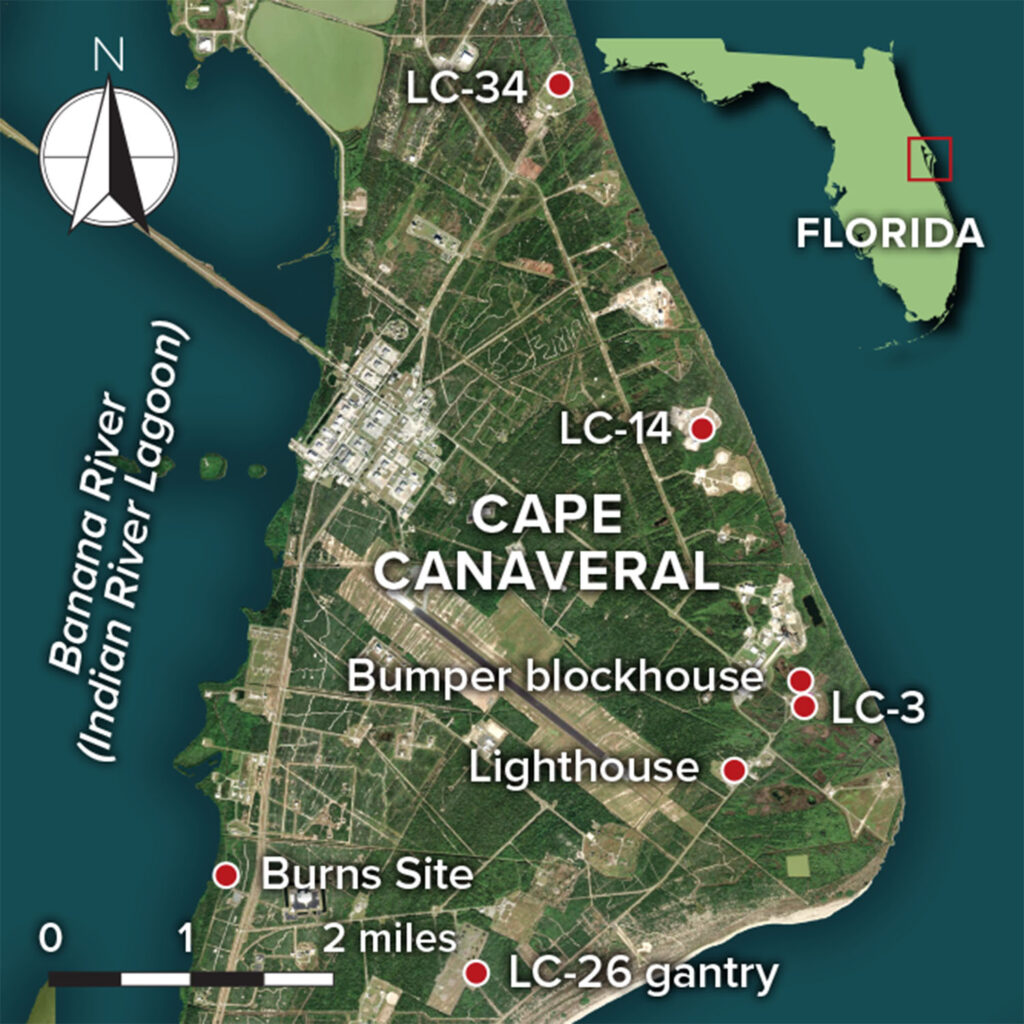
Almost the entirety of the Cape—15,800 acres of barren sand and scrub palmetto comprising the eastern portion of a barrier island—had been acquired the previous year by the U.S. government to build a long-range-missile proving ground. The Cape would need to be equipped to launch a 57-foot-tall, 14-ton behemoth of highly sophisticated, highly explosive aerospace engineering—and the first flight was just two months away. Nuclear bombs could be dropped from planes, but to stay ahead of the Soviets in the arms race, the United States needed the ability to fire warheads from land. Air Force, Army, and Navy engineers, technicians, and contractors scrambled to lay cables, burrow tunnels, install a fire-extinguishing system, and erect steel scaffolding to support the Bumper at Launch Complex 3 (LC-3). The Cape’s military base had no permanent mess area, bathrooms, or potable water. Workers carried antidote kits in case of rattlesnake bites and labored in a fog of mosquito repellent.
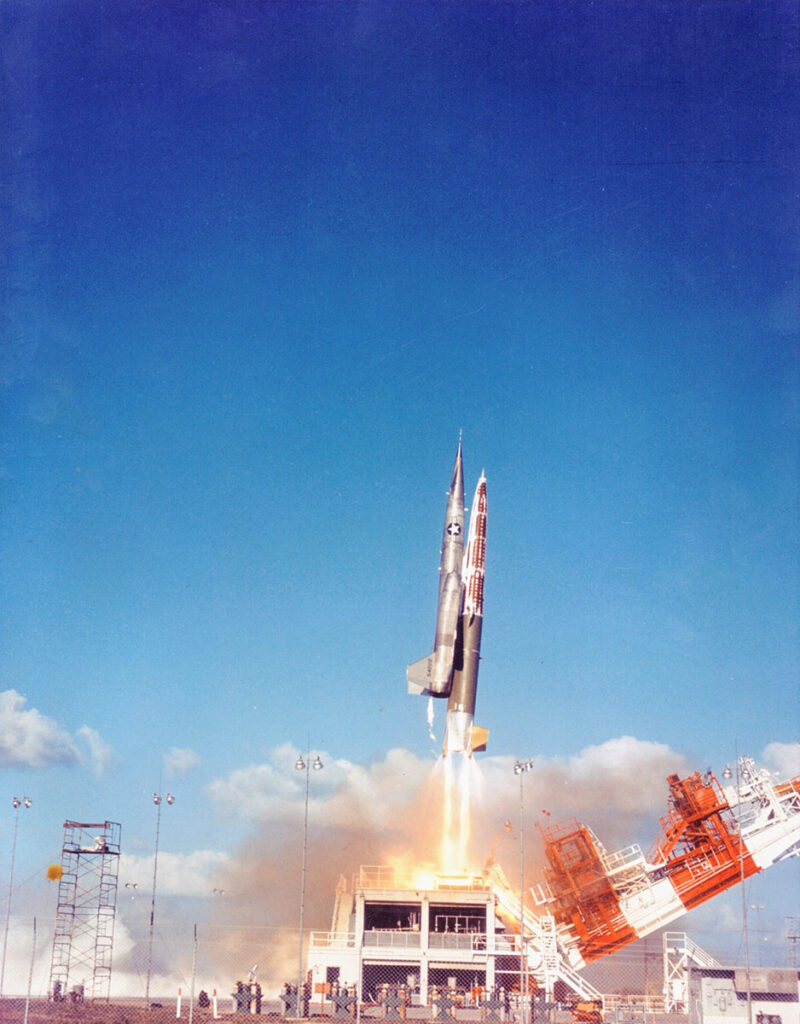
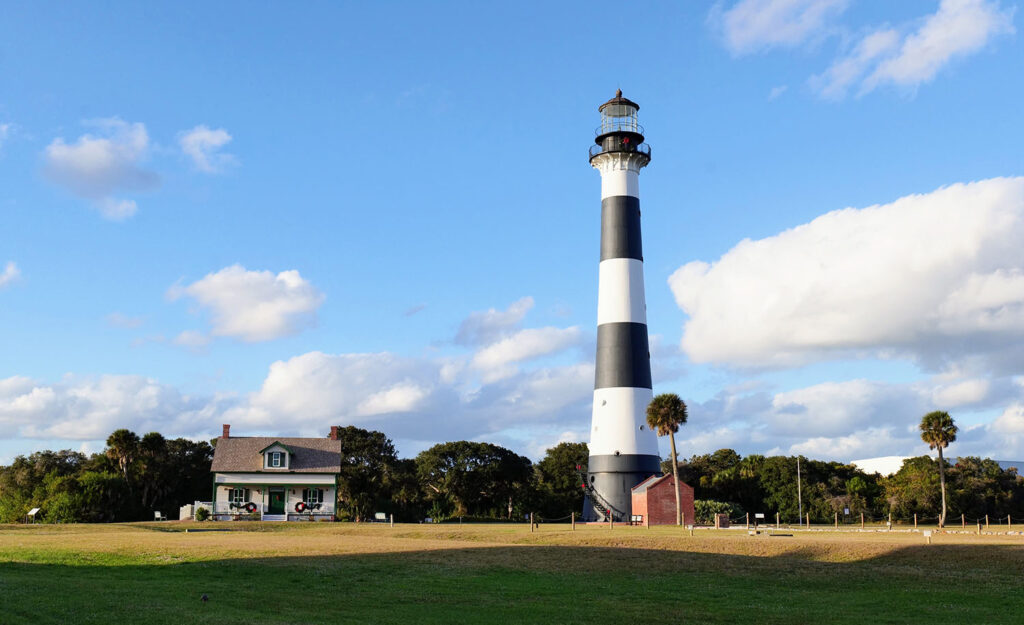
The RTV-G-4 Bumper, the first two-stage rocket fueled by liquid propellant, was based on the V-2 ballistic missile developed by Nazi Germany. The fifth Project Bumper rocket, launched from White Sands Proving Ground in New Mexico in February 1949, had reached 5,000 miles per hour and ascended about 240 miles, as far from Earth as the International Space Station orbits the planet today. The seventh Bumper would be the first rocket fired from Cape Canaveral. On the morning of July 24, 1950, technicians huddled inside a blockhouse that served as a control bunker just a few hundred feet from the rocket and its 60,000 pounds of thrust. Photographers set up their tripods next to the blockhouse, protected only by a small earthen berm. Canaveral lore has it that V-2 designer Wernher von Braun, who had surrendered to American forces in 1945 and was an adviser on the Bumper project—he would become the leading U.S. spaceflight engineer in the 1960s—vaulted up the stairs of the Cape’s iconic striped lighthouse to catch a glimpse. The rocket disappeared into the clouds, veered off its planned trajectory, whiffed its target velocity, and partially crumpled in flight. The Army publicly declared the launch a complete success.
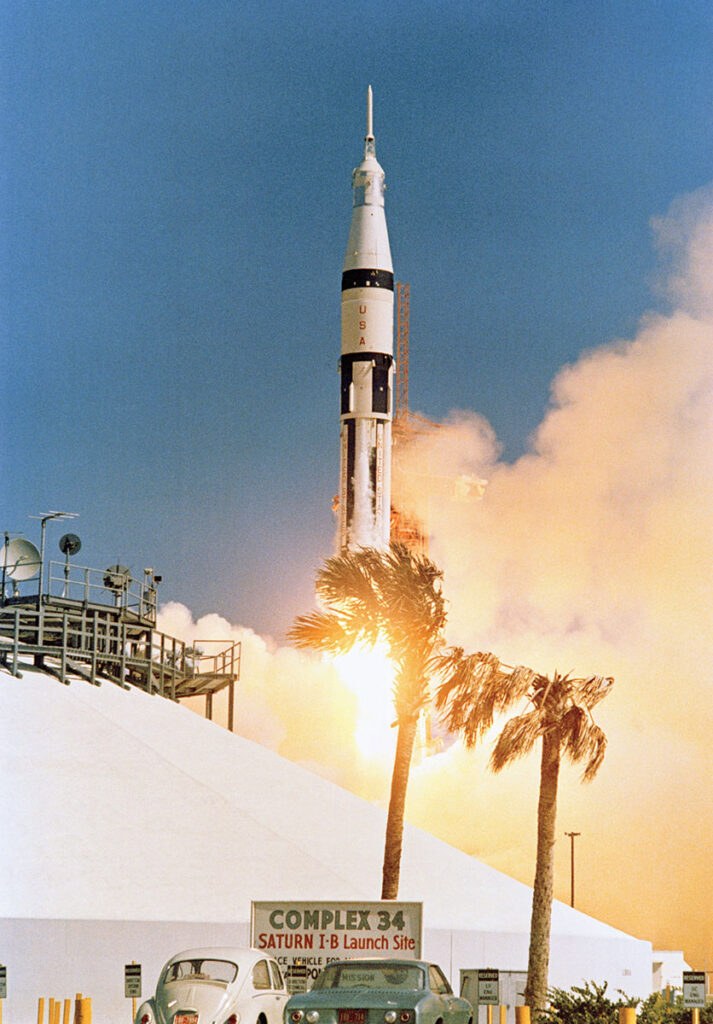
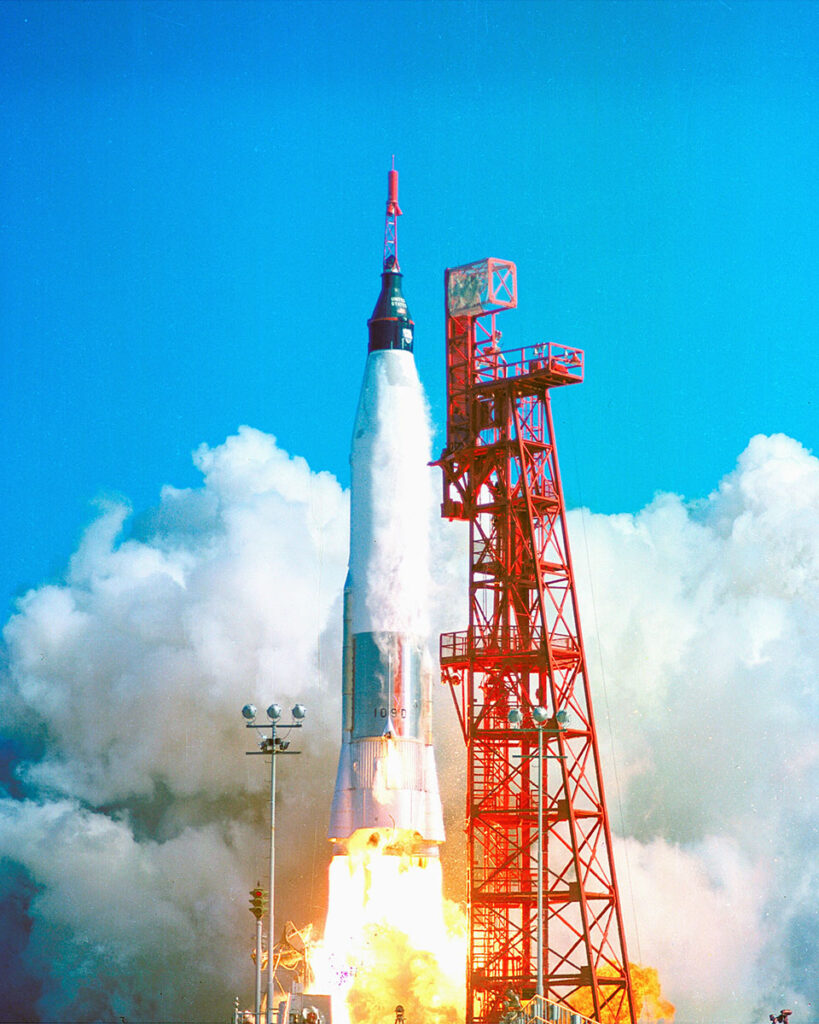
In 1961, the newly formed National Aeronautics and Space Administration (NASA) shot the first American into space from Cape Canaveral, in a capsule atop a similar rocket. The next year, NASA launched a man from the Cape, who orbited Earth three times, and, in 1968, executed the first successful crewed mission of the Apollo program. LC-3 hosted its final launch in 1958, and most of its outbuildings were demolished over the years. The location of the blockhouse where harried rocketeers counted down Cape Canaveral’s first launch was eventually forgotten.
These days, roughly twice a week, rockets are launched from Florida’s Space Coast, which includes state-of-the-art launchpads on Cape Canaveral and at the Kennedy Space Center to the northwest across the Banana River. Between NASA’s first crewed mission, Freedom 7 in 1961, and Apollo 7 in 1968, all U.S. spaceflights carrying astronauts flew from the Cape. Canaveral continued boosting such pathbreaking missions as Voyager 1 and 2, the 1977 probes that hurtled past Jupiter, Saturn, and Neptune, and then deep into interstellar space, as well as all five American Mars rover missions since 1996.
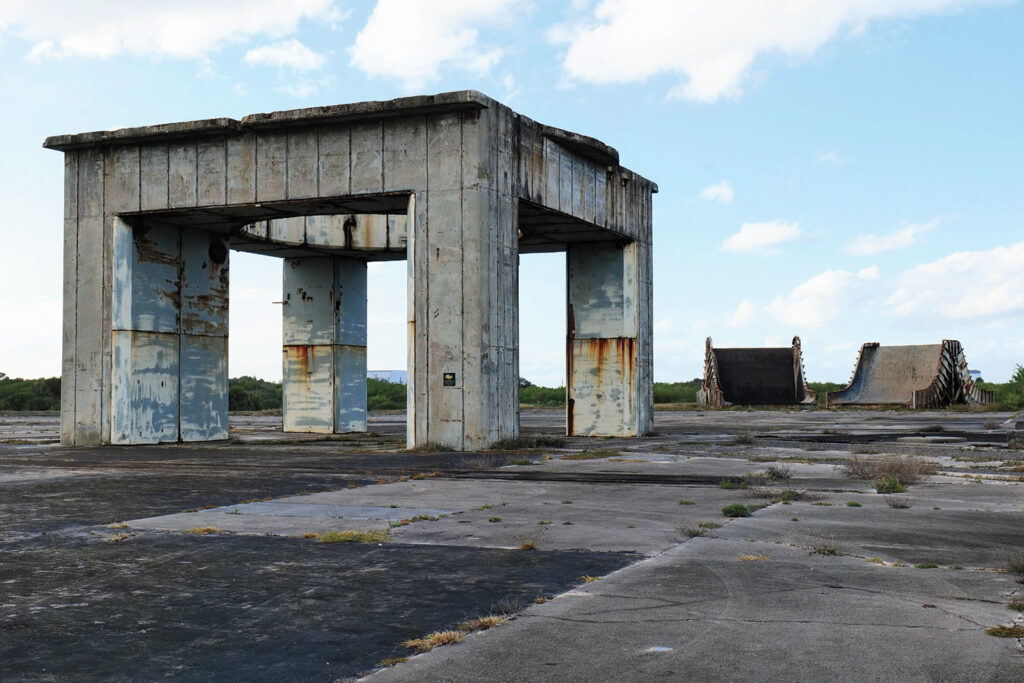
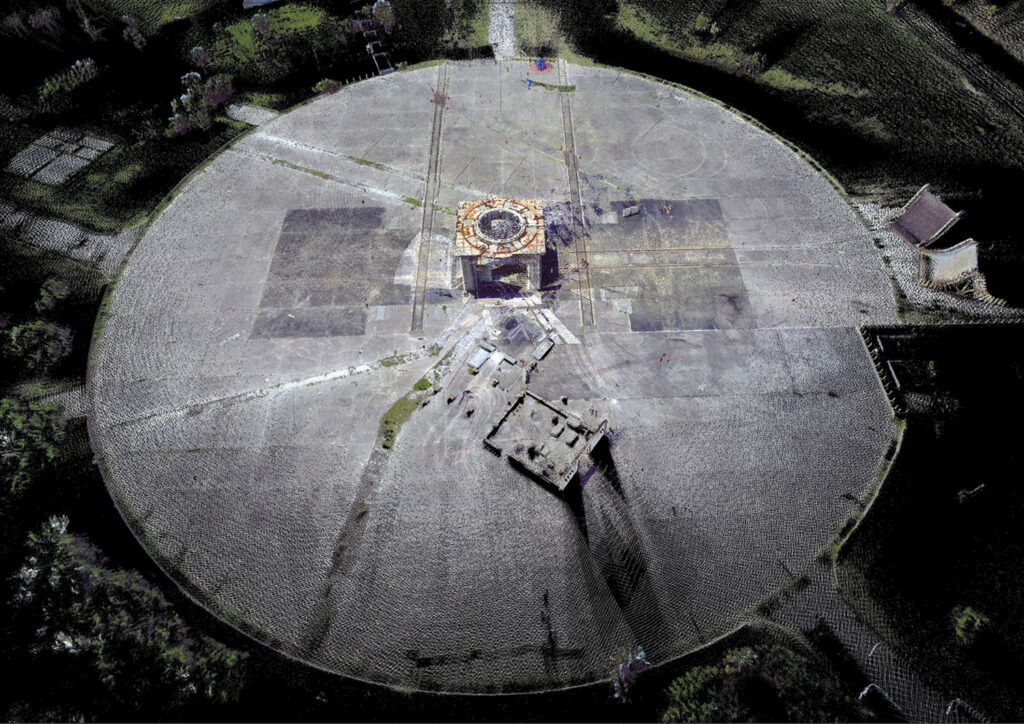
On a typically pleasant Florida December afternoon under the sun—a star that is being examined at close range by a probe launched from Canaveral—cultural resources manager Thomas Penders of Space Launch Delta 45, the unit of the U.S. Space Force that operates Cape Canaveral Space Force Station, is inspecting LC-34. The complex is a vestige of space exploration’s heroic era as well as an archaeological site. LC-34’s launchpad was designed to withstand the 1.6 million pounds of thrust produced by the Saturn IB rockets of the Apollo program. A 27-foot-tall launch pedestal silently presides over the pad. Nearly six decades have passed since clouds of fiery exhaust last billowed from under the pedestal, whooshing up the curved steel flame deflectors, which now corrode in situ. Rusty rails on which the enormous Saturn rockets, the even larger service tower, and the deflectors were moved into position before launches crisscross the pad. Apollo 1 caught fire on this pad in 1967, killing all three astronauts. The ruins are evocative, but the site of LC-34, which extends to the Atlantic shore, is fracturing. “Erosion is the big threat,” says Penders. “Every time we have a tropical storm, it eats up the beach, and more and more pieces of the facilities fall into the ocean.”
Like other Space Age launch complexes and hangars on the Cape, LC-34 is sprawling and hazardous, and thus difficult to study using traditional fieldwork methods. Penders partnered with archaeologists at Argonne National Laboratory (ANL) to document the launch complex using such tools as lidar and photogrammetry. He also closely collaborates with the Seminole Tribe of Florida, stewards of the ancestral Indigenous sites on the Cape, to understand and protect ancient heritage there.
Over the past 20 years, archaeologists from the U.S. Space Force, ANL, the University of Central Florida (UCF), and the Seminole Tribe have endeavored to explore, excavate, and preserve the more than 600 archaeological and historic sites on Canaveral, revealing as much about the surprising diets, lifestyles, and tools of coastal Floridians who lived here 1,000 years ago as they have about the engineering marvels that led to the moon landing, the Space Race’s crowning achievement in 1969. The research is urgent—complexes where rockets for the Mercury, Gemini, and Apollo programs were launched are vanishing—and the work is ever-changing. “It’s an archaeologist’s dream out here,” Penders says. “You want to look at the ancient Late Archaic Orange period? We got it. You want to look at missile crash sites? We got them. We have fish camps, homesteads, subdivisions from the early ’20s, and trailer parks from the early ’50s. It’s not boring.”
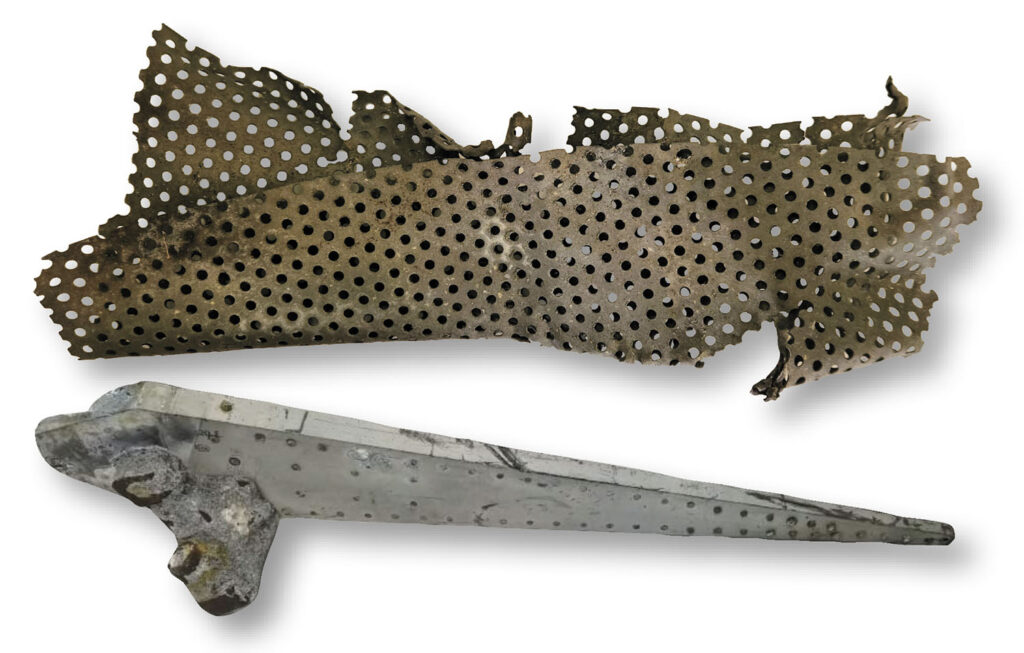
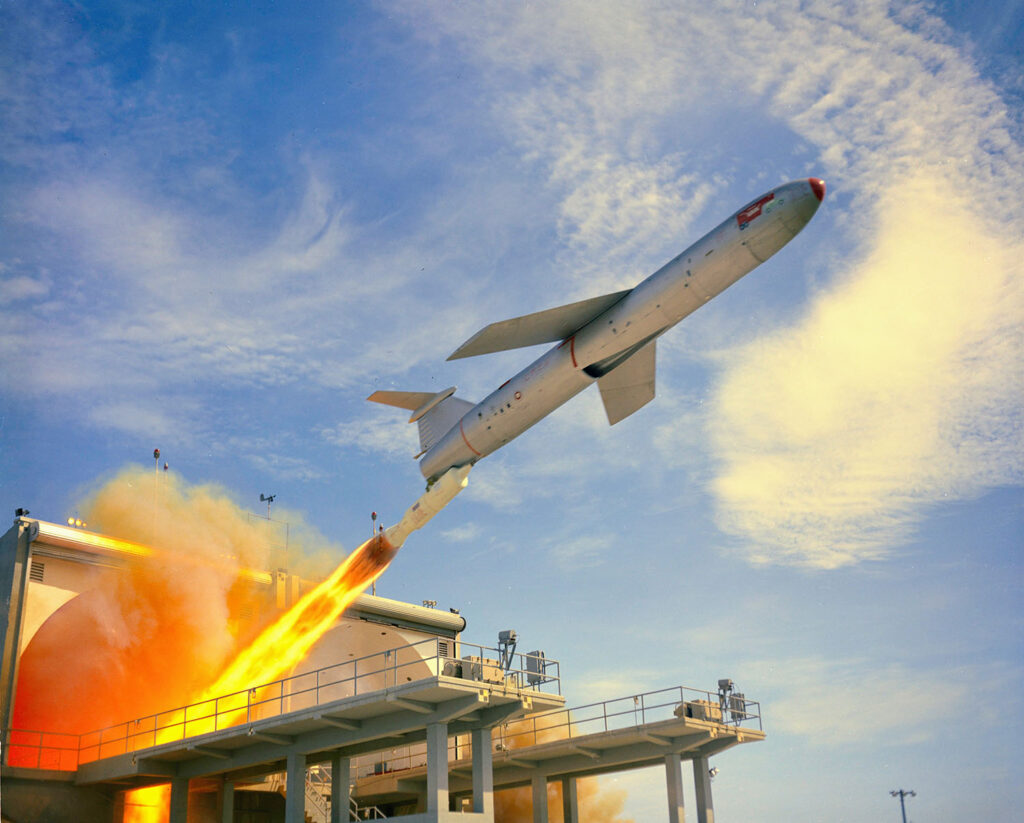
Returning to his office, part workstation and part cabinet of curiosities, Penders points out some favorite showpieces and newly unearthed artifacts: a twisted shred of perforated missile metal called a baffle; shark denticles, abrasive scales that ancient Canaveral artisans used like sandpaper to refine wood and bone; a 3D-printed model of an astronaut’s glove; and a scuffed-up five-foot-long propeller blade. “Researchers were studying scrub jays when they found wreckage over there,” Penders says, gesturing toward a window. “I naturally assumed it was a missile, because in the ’50s the Snark and Navaho missiles landed on that strip.” Then he noticed the propeller blade alongside a piece of a plexiglass window. “Missiles don’t have windows,” he says. After reading archival Air Force reports, Penders learned that the military had flown QB-17s from Canaveral. These aircraft were B-17 bombers stripped of valuable parts, outfitted with remote controls, and used as flying targets for Bomarc surface-to-air missiles in the late 1950s. No QB-17s survive in aviation museums—or anywhere else, for that matter.
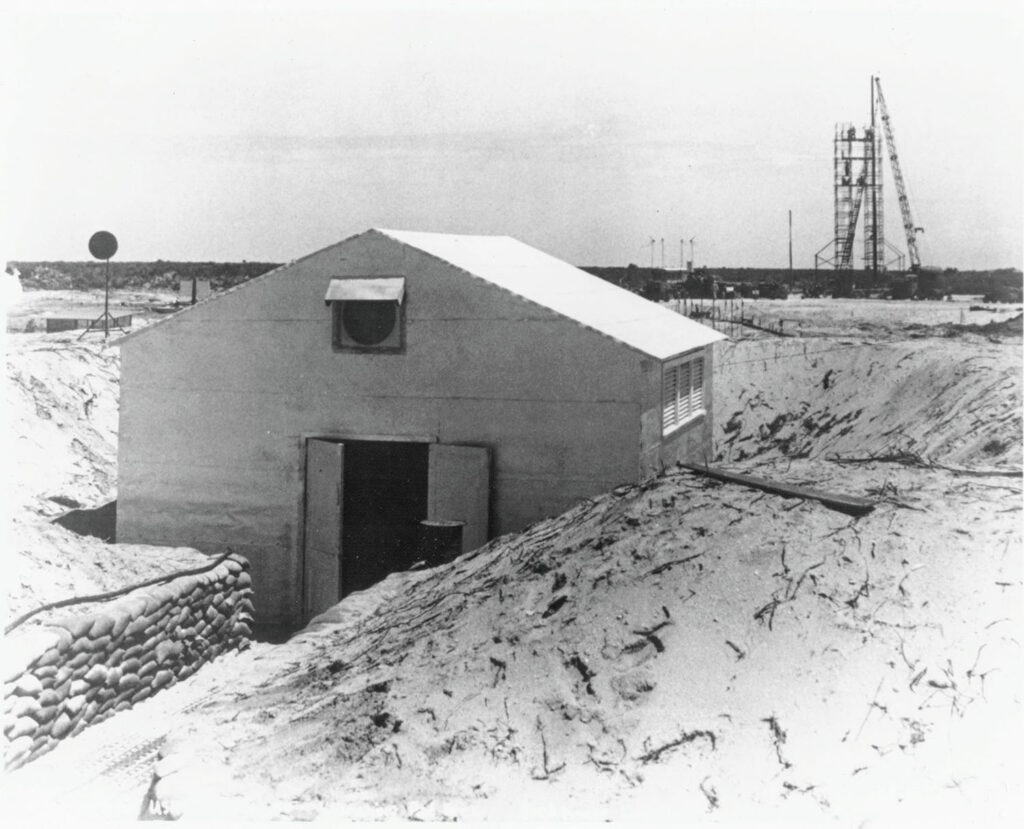
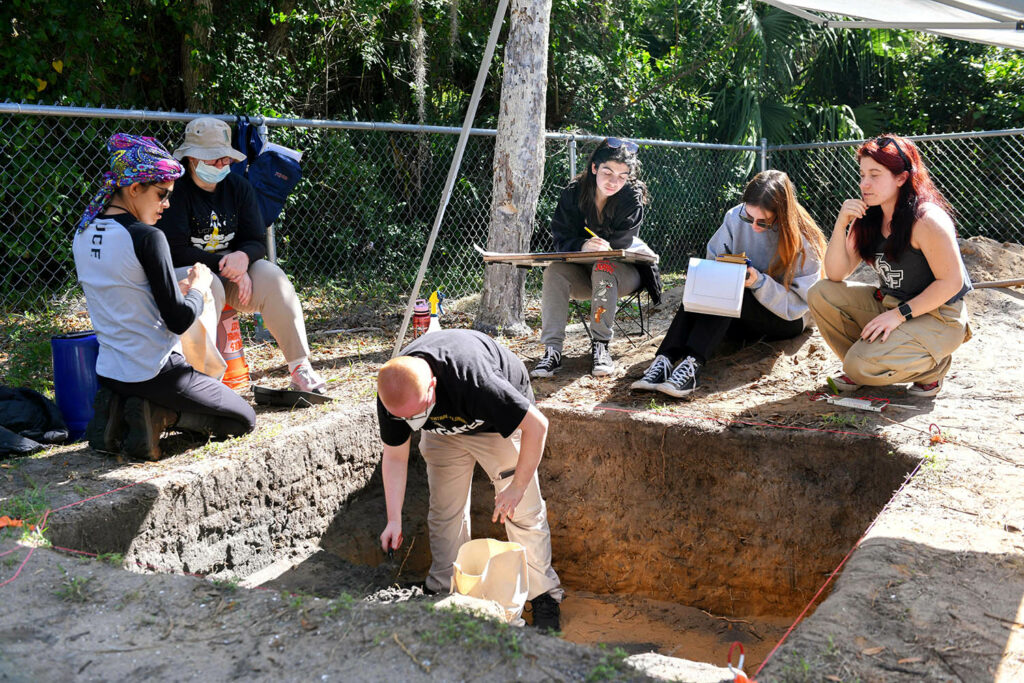
Cape archaeologists aim to fill in the gaps left by terse launch reports and incomplete blueprints. Years ago, Penders set his sights on the lost Bumper blockhouse. Only its basic appearance—a windowless shedlike building—was known from a few old photos. He fielded leads on the blockhouse’s location, some better than others. “Everybody said they knew where the blockhouse was,” he says. “And it was in all different places.” In 2023, Penders and a team of UCF students dug test pits at intervals around LC-3 and scoured the area using ground-penetrating radar and handheld metal detectors. In a densely wooded area 400 feet from the launchpad, they uncovered a concrete slab that had been part of the building’s floor, pieces of tar-paper roofing, chunks of military-grade prefabricated steel planks used to build walkways, and shards of a periscope mirror that operators used to watch launches. “We found out that the blockhouse was nothing but a tar-paper shack with a wood frame,” says Penders. “The early missile and NASA launch complexes weren’t built to be permanent structures. They were built to get the program done, to beat the USSR, and to be thrown away.”
Starting some 6,000 years ago, as Canaveral’s landmass began to be formed by deposits of sand and silt, fisher-gatherers ventured onto the Cape. Beginning around 500 b.c., members of an Indigenous people scholars call the Malabar culture lived and moved along the Banana River, an offshoot of the 156-mile-long Indian River Lagoon, which is abundant with mullet, turtles, and sharks. “When you look at Cape Canaveral, it’s not too surprising to find that our ancestors enjoyed living there,” says Tina Osceola, a member and tribal historic preservation officer of the Seminole Tribe of Florida. “People who live in Florida today flock toward coastal areas. Humans are humans, regardless of when we lived and walked this Earth. We wanted to be near resources that would provide for our people.”
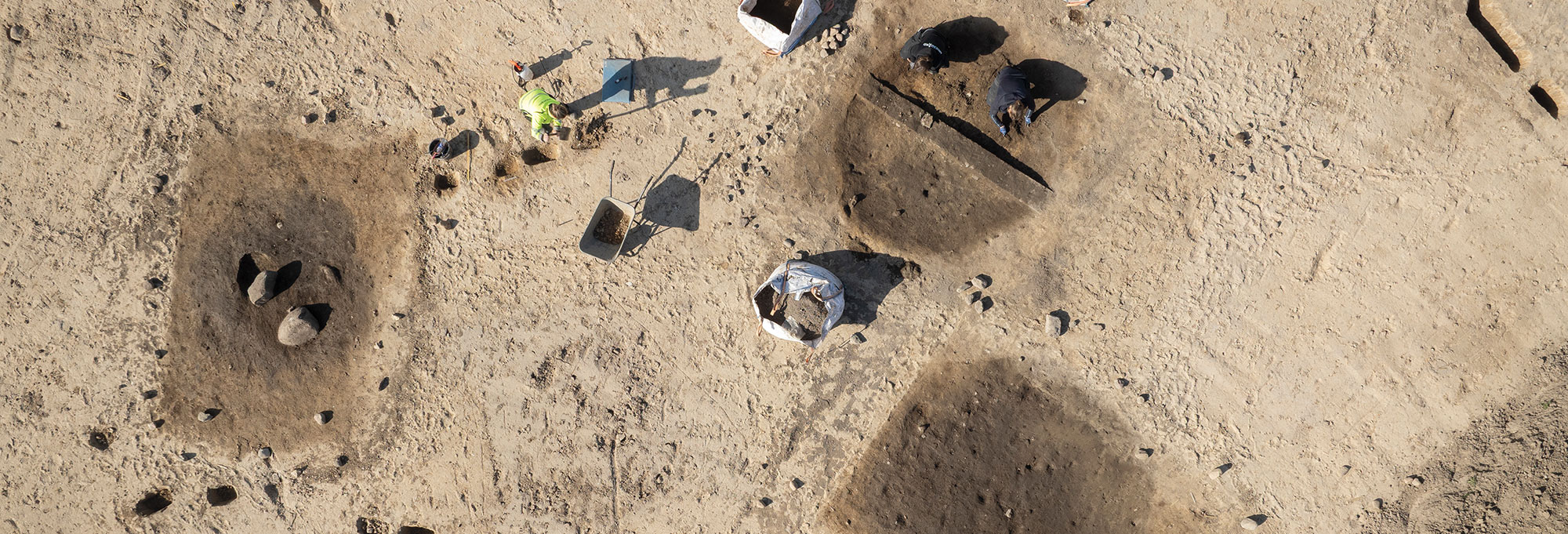
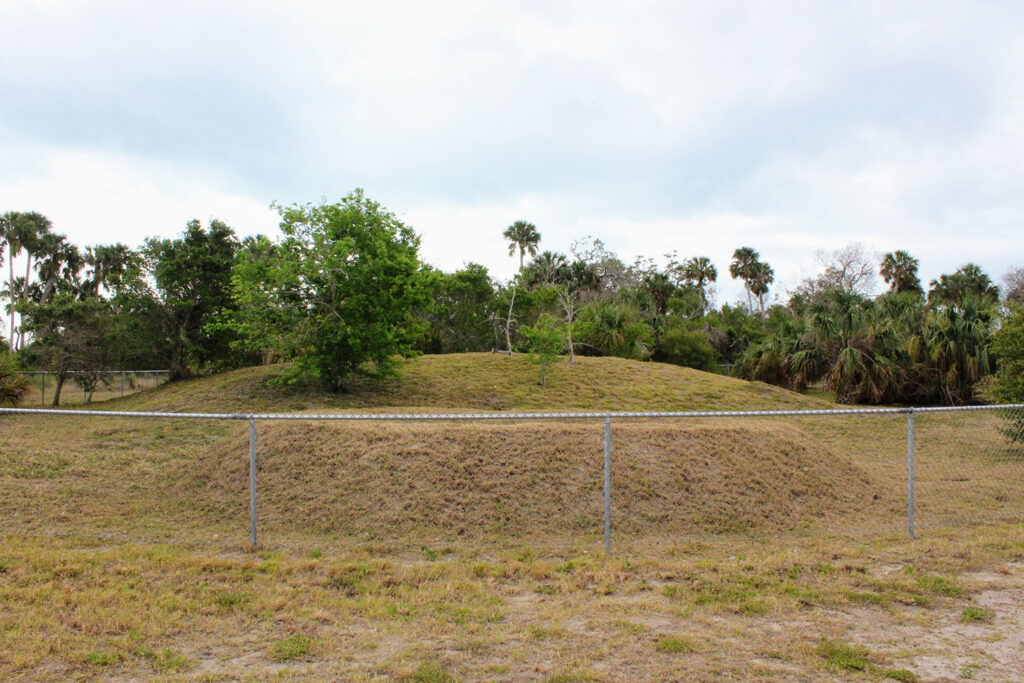
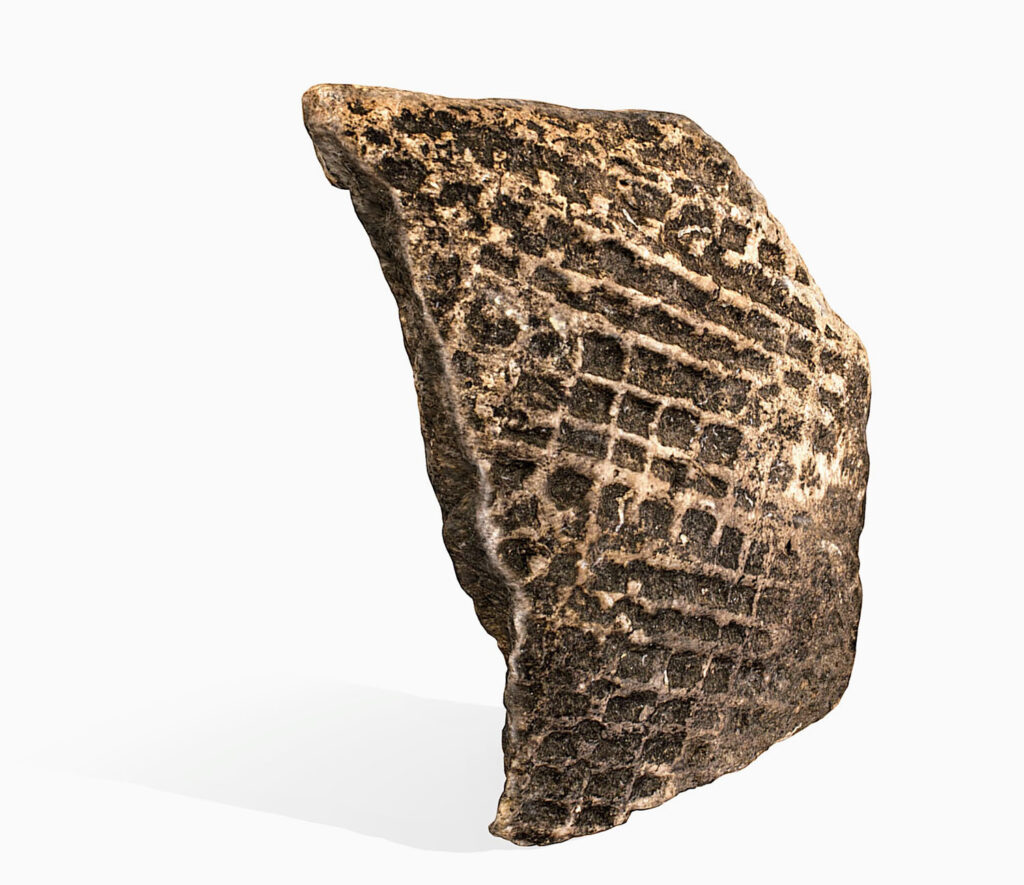
In 2017, UCF archaeologist Sarah Barber began working with Penders on excavations of several Malabar sites. The pair had hatched the idea of the Cape Canaveral Archaeological Mitigation Project for UCF undergrads interested in archaeology careers. The project began its first season at the Burns Site, known to looter-antiquarians since at least the 1850s. A 90-foot-long burial mound at the site was largely bulldozed in the 1960s, and little was known about the surrounding settlement. During the Malabar period, the mound stood as a beacon on the Banana River, possibly as a navigational or territorial landmark that signaled a spiritually significant location. Near the mound, the team found a rich trove of animal bones, shells, and teeth, along with pottery sherds and bone tools. Radiocarbon dating of the animal remains suggests the site was just a fishing hole until around a.d. 1050. Beginning in the twelfth century, roughly when archaeologists think construction of the mound began, people came and stayed for longer periods. But by 1700, Europeans had displaced or eradicated the Cape’s Indigenous inhabitants.
To help determine how ancient people used the Burns Site, the team analyzed residues on the sherds. They detected the presence of caffeine, likely from yaupon holly tea, a ritual beverage sometimes called black drink, which was imbibed by many Indigenous cultures of eastern North America. The team also discovered a special type of lightning whelk–shell cup, further evidence that the Burns Site was visited for feasts and ceremonies. Some scholars had suggested that the site was only occupied seasonally, so UCF archaeologists looked for indications of when people spent time there.
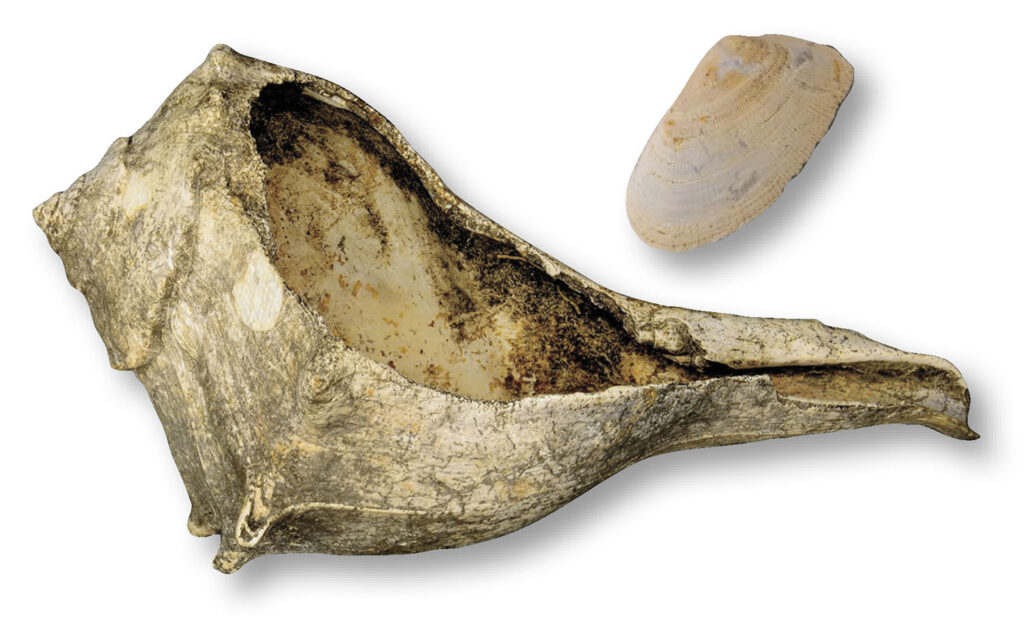
On the ceramics, archaeologists identified microscopic remnants of processed acorns and coontie palms, which are starchiest and thus most nutritious in fall. They found seeds in the soil, charred by cooking, including those of plants such as blackberry, purslane, and amaranth, whose edible leaves and fruits emerge in summer. UCF archaeologist Zachary Boal analyzed oxygen isotopes in centuries-old coquina clamshells, which accumulate layers during the clam’s life, similar to tree rings. The ratios of oxygen isotopes in layers of a clam’s shell change with fluctuations in the temperature of the water in which the clam lives. Boal determined that the water temperature was coolest when the Burns Site clams’ final shell layers grew, shortly before they were consumed. It was clear that people had harvested them in autumn and winter. “We have multi-season occupation,” says Barber. “You could call it a village, but it’s not like a ‘ye merry olde England’ village. People didn’t invest a huge amount in super permanent architecture because the chances of it getting blown away in a storm were solid to high.”
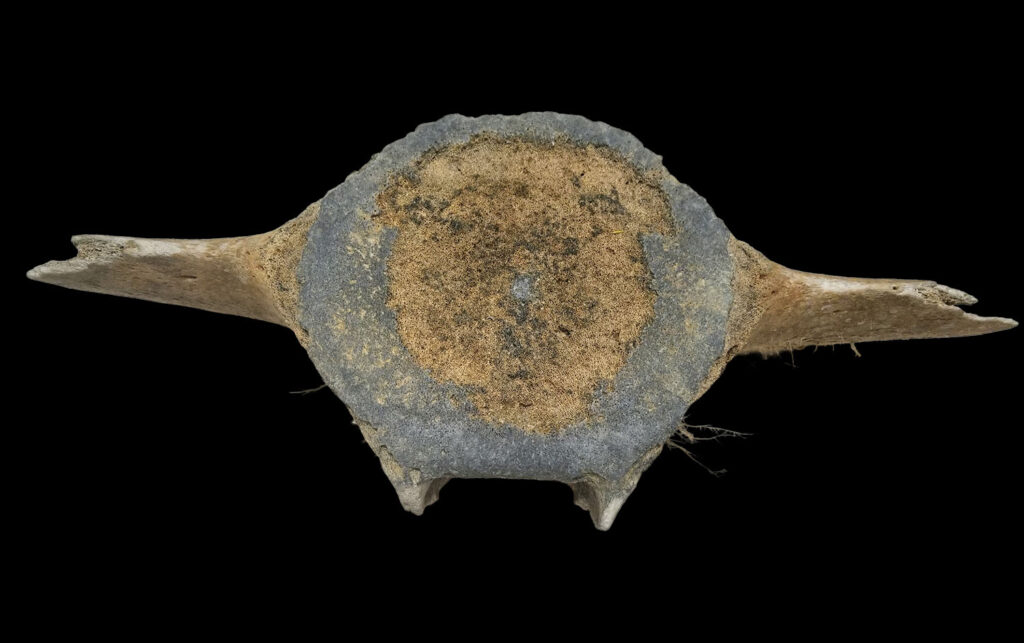
The most arduous study from the Burns Site may be the most impactful. Archaeologists retrieved and counted 16,725 pieces of the remains of around 2,000 individual animals, enabling them to compile an in-depth picture of the Indian River Lagoon ecosystem 1,000 to 500 years ago, when fisher-gatherers managed its resources. In 2026, ecologists finished a thoroughgoing comparison of lagoon species and environmental health then versus now. The scientists found that most historical fish species are still present in the lagoon, but at nowhere near Malabar levels. Metrics for biomass, energy recycling within the ecosystem, and ecological resilience against disasters and pollution have nose-dived. “The scale of the losses is catastrophic,” says Barber. Ecologists now understand which species to nurture to restore the coastal lagoon to better health. “If you want to protect these environments and respect the history that created them, you have to have archaeology to identify ancient choices,” she says. “It was Indigenous American choices a thousand years ago that created the landscape that now enables us to launch rockets.” The shell mounds Indigenous people built to protect against storm surges raised and bolstered the Cape.
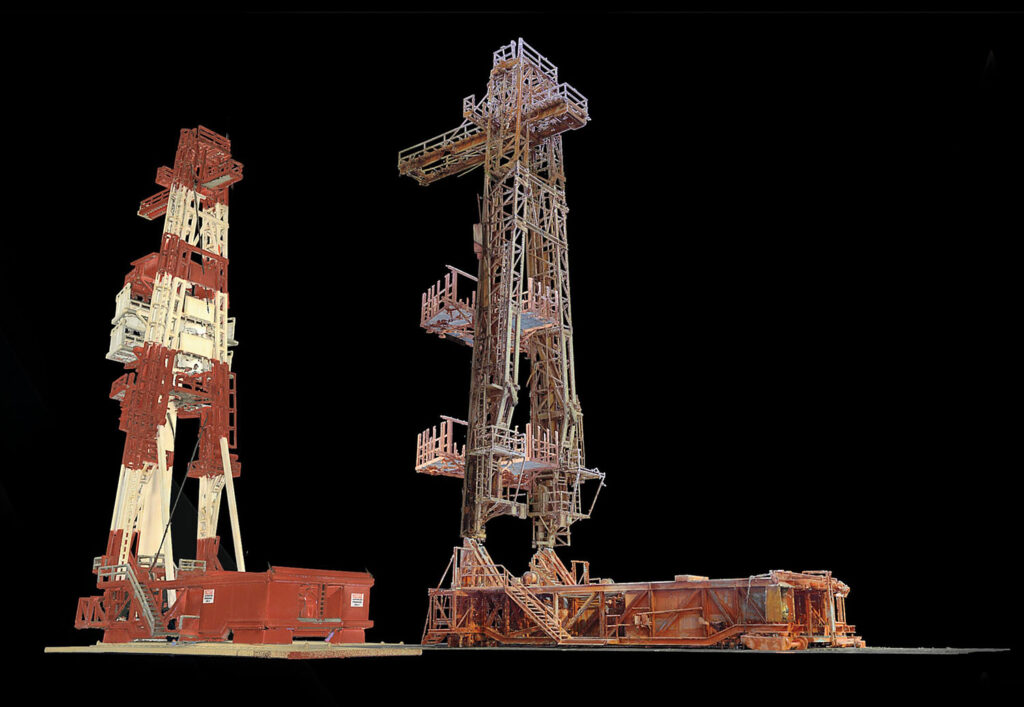
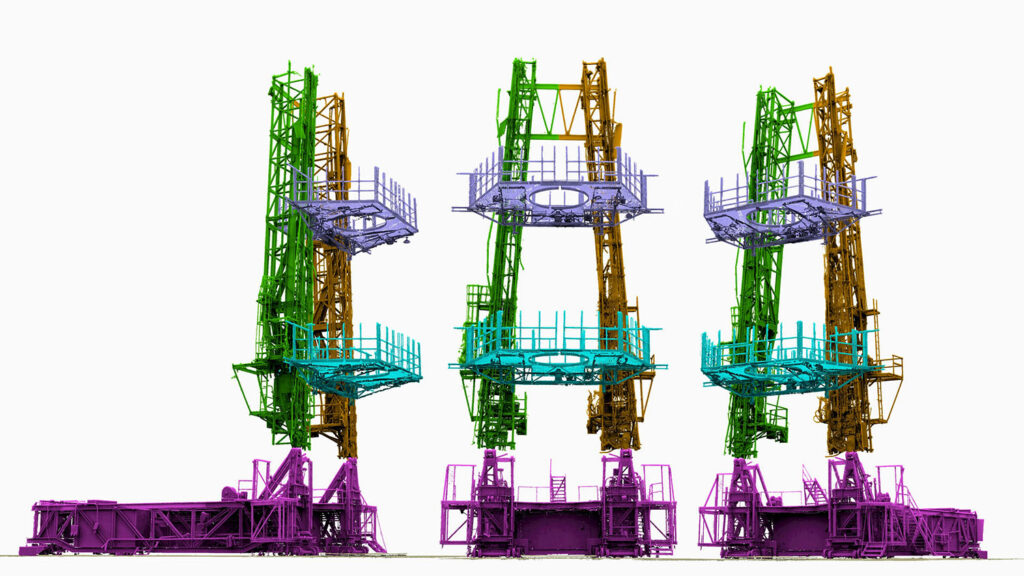
It was people’s choices, too, that left Canaveral’s landscape punctuated with deteriorating artifacts of the Space Age. Near LC-26, a 120-foot-tall, 210-ton gantry that stabilized a Juno I rocket for the launch of the first American satellite in 1958 lies disassembled and degrading. Archaeologists from ANL surveyed the gantry’s pieces with ground-based lidar and structured-light 3D scanning, a technique that projects light patterns onto an object to measure how they warp, capturing the object’s shape. This work has allowed researchers to raise the colossal gantry anew in the form of a virtual replica, restoring the scaffolding, platforms, trusses, and rocket-hoisting components to their original appearance. Most civilians cannot visit much of the Space Force station in person, so the researchers have created an extensive digital tour of its sites, including the gantry.
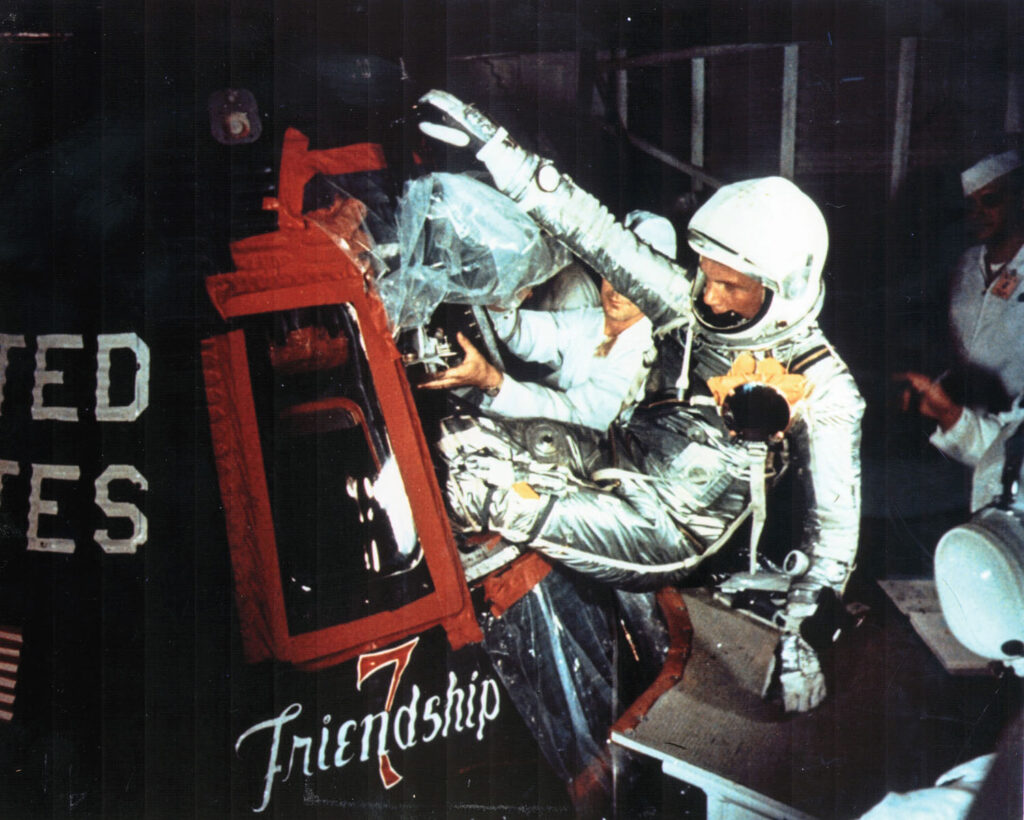
Speed was essential for documenting LC-14, where astronaut John Glenn braced himself in a six-by-seven-foot nose-cone capsule called Friendship 7 atop a Mercury-Atlas rocket. At the site, a plaque quotes President John F. Kennedy hailing “one of the most complex tasks ever presented to man in this country…the achievement of manned flight in orbit around the Earth.” Researchers from ANL laser scanned LC-14’s blockhouse and launchpad, along with its ramp and rocket stand. Shortly thereafter, most of the launch complex was demolished by Stoke Space, a private spaceflight company that leased the land in 2023. “People take sites from the recent past for granted,” says archaeologist Lori Collins of ANL. “They think that’s all in our collective memory. However, as time goes by, it’s really not.”
For archaeology at Cape Canaveral, 2026 was a trying year. As the tenth season of the UCF undergraduate archaeological project got underway, news came that the U.S. government had eliminated much of its funding. The base is being overhauled for construction of the Spaceport of the Future, a hub of primarily commercial spaceflight intended to facilitate more than 1,000 launches per year. The project would usually require a vast amount of land to be reviewed for the presence of burials or historic sites under Section 106 of the National Historic Preservation Act. However, in July, the federal government proposed changes that would gut Section 106, eliminating many such requirements. Penders retired in May. The same week, a Blue Origin New Glenn rocket blew up on LC-36. It was the largest explosion in Cape Canaveral history and it blasted shock waves across the more than 600 fragile archaeological and historic sites on the base—and for 135 miles beyond.
Nevertheless, the Canaveral archaeologists and preservationists press on. “Americans love archaeological sites, but once you destroy one, it’s gone forever,” says Barber. “You can’t remake it.” Osceola, too, understands what’s at stake. “We will be vigilant in the protection of these sites, because this work is the last battleground for us,” she says. “Hope provides the foundation for the fight.”
Slideshow: Cape Canaveral’s Surprising History
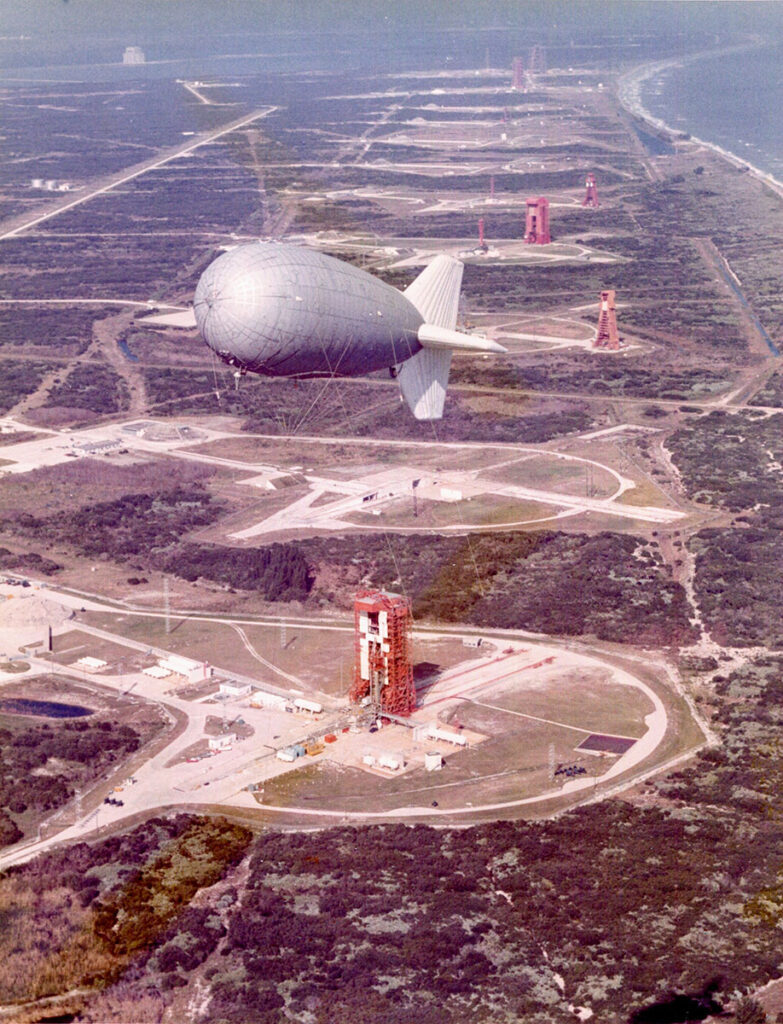
On a clear day or night, you can see a rocket launched from Cape Canaveral on Florida’s Atlantic coast from 400 miles away. The flame, the contrail, and the separation of boosters all announce the hubbub in the sky, but there’s also excitement for scientists, including archaeologists, on the ground at Cape Canaveral Space Force Base. Here, the U.S. government built Cold War–era missile test sites and the launch complexes for the Mercury, Gemini, and Apollo program rockets that first sent Americans into space in the 1960s. These titanic structures of rocketry and spaceflight infrastructure are now archaeological sites.
Before the rockets, Canaveral had homesteads, a luxury hotel, and a factory for processing shark livers into fad medicine. More than 3,000 years before that, ancient Floridians began fishing and foraging on the Cape. The descendants of those people established settlements, performed ceremonies, traded for food and goods across Florida, and built huge burial mounds. From this 15,800-acre area, archaeologists have a vantage point spanning the recent past to the deep history of Indigenous people on the continent. Get your copy of the November/December 2026 issue of ARCHAEOLOGY on newsstands, and subscribe to explore more.
Further Reading
Searching for the Fisher Kings
In the waters of southern Florida, the creative Calusa people forged a mighty empire
V-2 Rocket from the Muck
Nazi Germany’s weapon of terror later inspired American rocket engineering
Cape Canaveral, Past and Present: Virtual Tours
Archaeologists at Argonne National Laboratory have brought the Cape’s historic sites to life
Cape Canaveral in 3D
Explore 3,000 years of Canaveral through pottery sherds, missile fragments, and launchpads