

SANTA BARBARA, CALIFORNIA—According to a statement released by the University of California, Santa Barbara (UCSB), a study conducted by scientists from UCSB and Stanford University has determined that the forager-farmer Tsimané people of lowland Bolivia and the hunter-gatherer Hadza people of Tanzania have highly diverse yet similar gut microbiomes, sharing more than 1,200 bacterial species. More than 60 percent of these bacterial species are rare or absent in the microbiomes of people living in industrialized populations. The researchers were surprised because the Hadza consume mammals, birds, fish, and foraged fruits and vegetables, while the Tsimané eat more fiber in the form of plantains, rice, manioc root, and corn, in addition to fish, peccary, and other mammals. “That made us wonder if there really is a core set of bacterial and other species that traveled with the ancestors of the Tsimané as they migrated around the globe,” said Benjamin Good of Stanford University. The researchers identified genetic signatures in the bacterial DNA of both populations, and used mutation rates to estimate when bacterial species diverged from a common ancestor thousands of years ago. “The analysis shows strong evidence that their ancestors, and presumably all of us, had these same bacteria long ago,” said Michael Gurven of UCSB. Read the original scholarly article about this research in Nature. To read about microbial DNA, go to "Worlds Within Us."
Gut Microbiome Analysis Links Populations in Africa and South America
News October 9, 2026
Recommended Articles
Digs & Discoveries July/August 2022
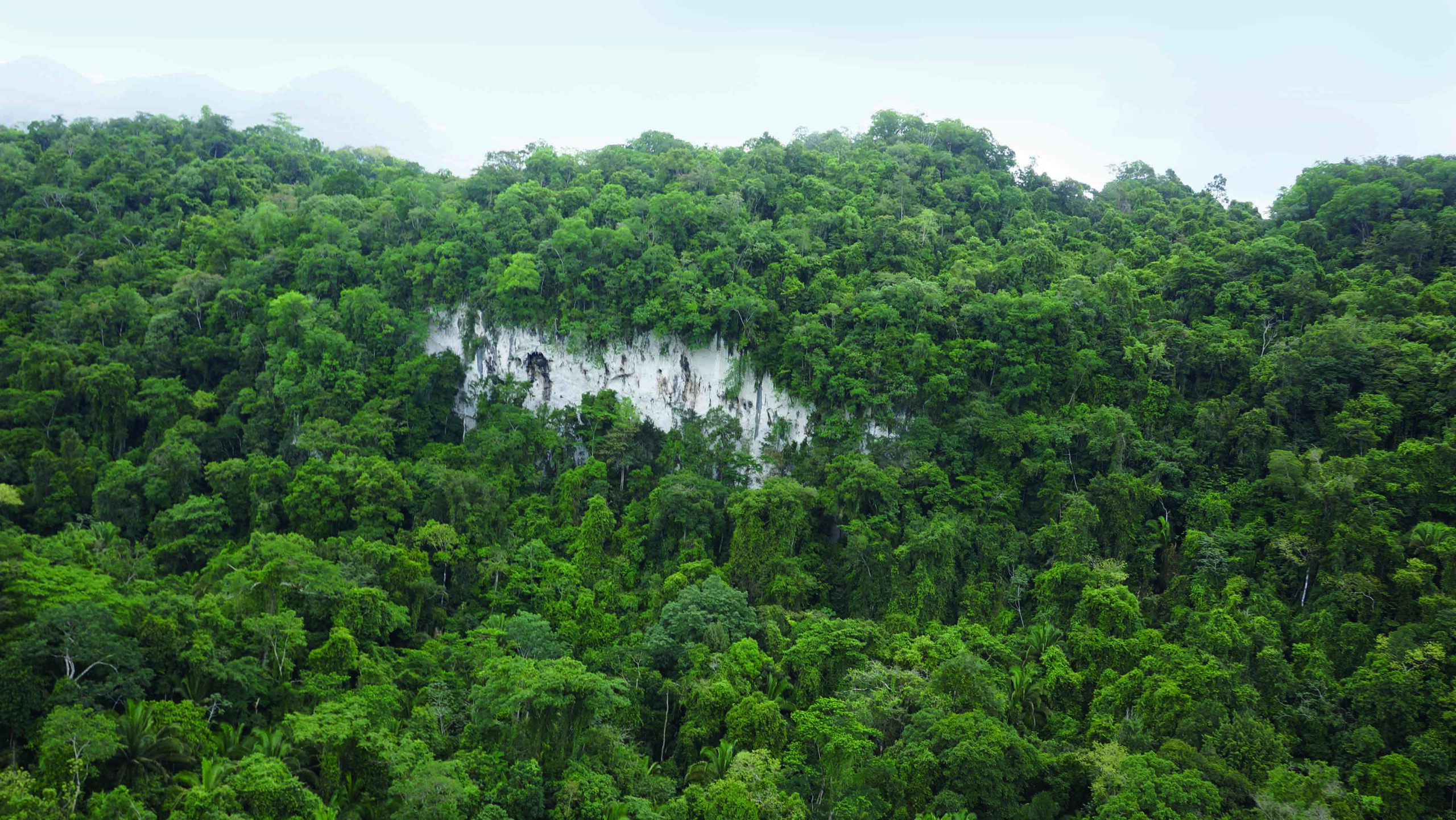
The Great Maize Migration
Digs & Discoveries January/February 2022
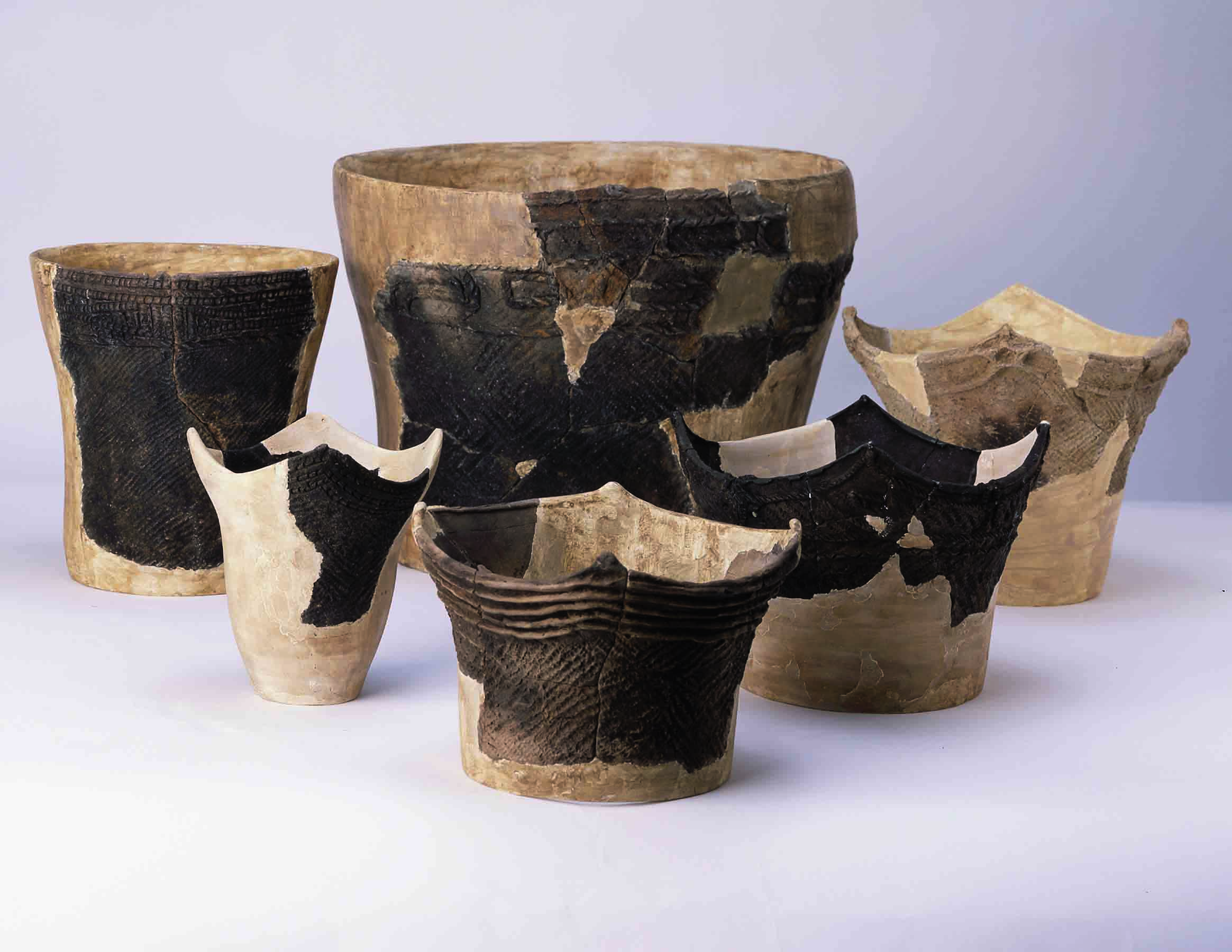
Japan's Genetic History
Digs & Discoveries November/December 2016
Coast over Corridor
Off the Grid November/December 2026
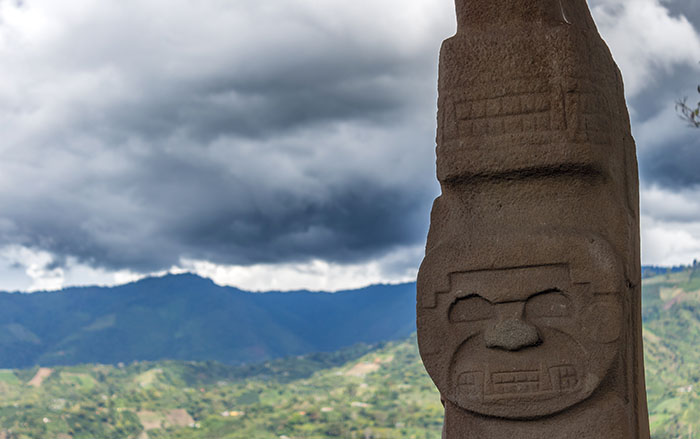
San Agustín, Colombia
More to Discover
-
Features September/October 2026
A Change in Fashion
Hoards of lavish gold and silver neck rings buried on an English hill reflect dramatic social change
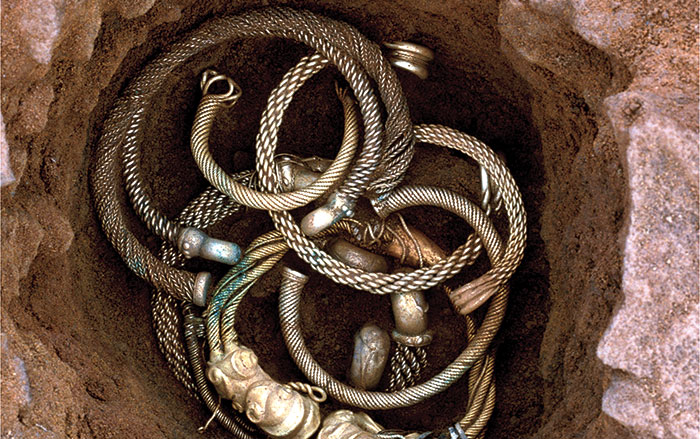 Photo © 2026 The Trustees of the British Museum
 -
Features September/October 2026
Cultivating Fields of Stone
Peru’s ancient farmers used intricate rock maps to plan for the future
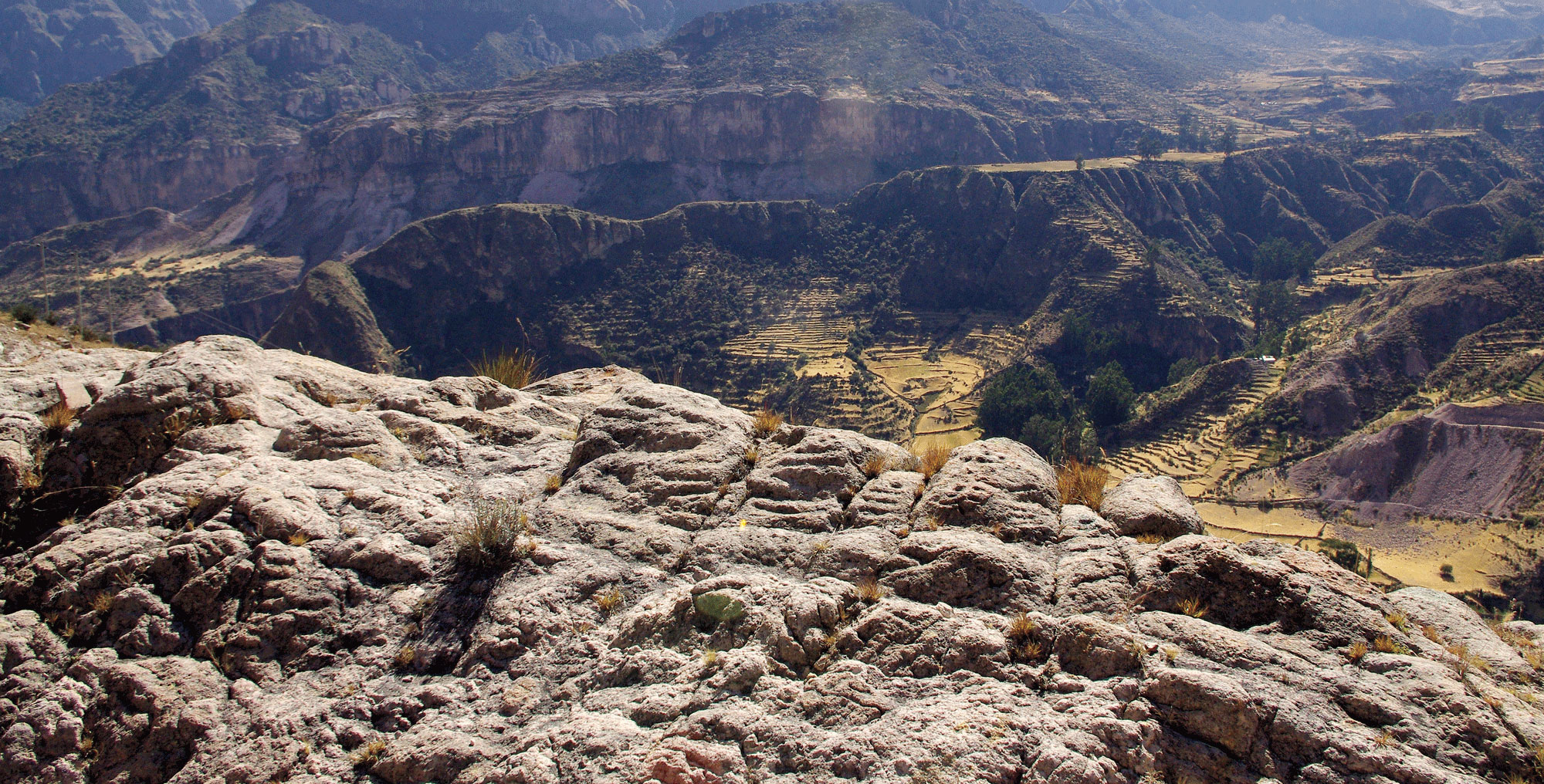 Courtesy Patricia Aparicio Martínez
 -
Features September/October 2026
Where Was Ancient Egypt Born?
Archaeologists are reimagining a time before the first pharaohs
 Courtesy Robert Słaboński/Tell el-Farkha Expedition
 -
Features September/October 2026
2,000 Years Under the Sea
The story of Greece’s famed Antikythera wreck is finally being revealed
 © ESAG/UNIGE