

MAINZ, GERMANY—According to a statement released by the Leibniz Center for Archaeology (LEIZA), Aleksandr Diachenko of the National Academy of Sciences of Ukraine and Detlef Gronenborn of LEIZA and Johannes Gutenberg University evaluated the roles of population size, production capacity, and information exchange in societal changes through pottery. “We developed a mathematical model to describe how the organization and intensity of pottery production can influence the number of decoration styles,” said Diachenko. “Additionally, the model reveals how pottery styles evolve through human information exchange and population growth,” he explained. The study examined 7,000-year-old pottery from the Linear Pottery culture unearthed in southwestern Germany, and 6,000-year-old pottery from the Western Trypillia culture recovered in central Ukraine. The model determined that both groups grew rapidly, then declined. But in Germany, increased social complexity was first accompanied by greater diversity in pottery decorations that later diminished. In Ukraine, however, pottery styles became more uniform as social complexity increased, likely due to craft specialization, the researchers concluded. Read the original scholarly article about this research in PLOS One. To read more about Germany's Linear Pottery culture, go to “A Surprising Encounter.”
Mathematical Model Tracks Changes in Neolithic Societies Through Pottery
News October 12, 2026
Recommended Articles
Digs & Discoveries September/October 2026
The Best Place to Read
How did a rare medieval wood notebook and pieces of silk tissue end up in a toilet?
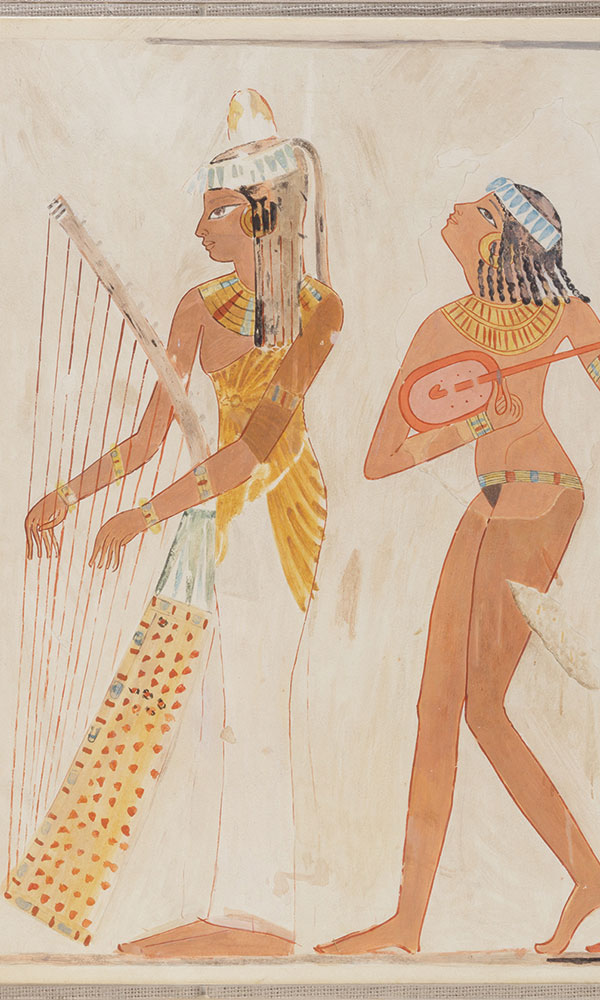
The Music of Time September/October 2026
Medieval Warrior Troubadours

Digs & Discoveries July/August 2026
A Surprising Encounter
Features May/June 2026
Pioneers of Lakefront Living
Why Neolithic and Bronze Age farmers in the Alps built their villages on stilts

More to Discover
-
Features September/October 2026
A Change in Fashion
Hoards of lavish gold and silver neck rings buried on an English hill reflect dramatic social change
 Photo © 2026 The Trustees of the British Museum
 -
Features September/October 2026
Cultivating Fields of Stone
Peru’s ancient farmers used intricate rock maps to plan for the future
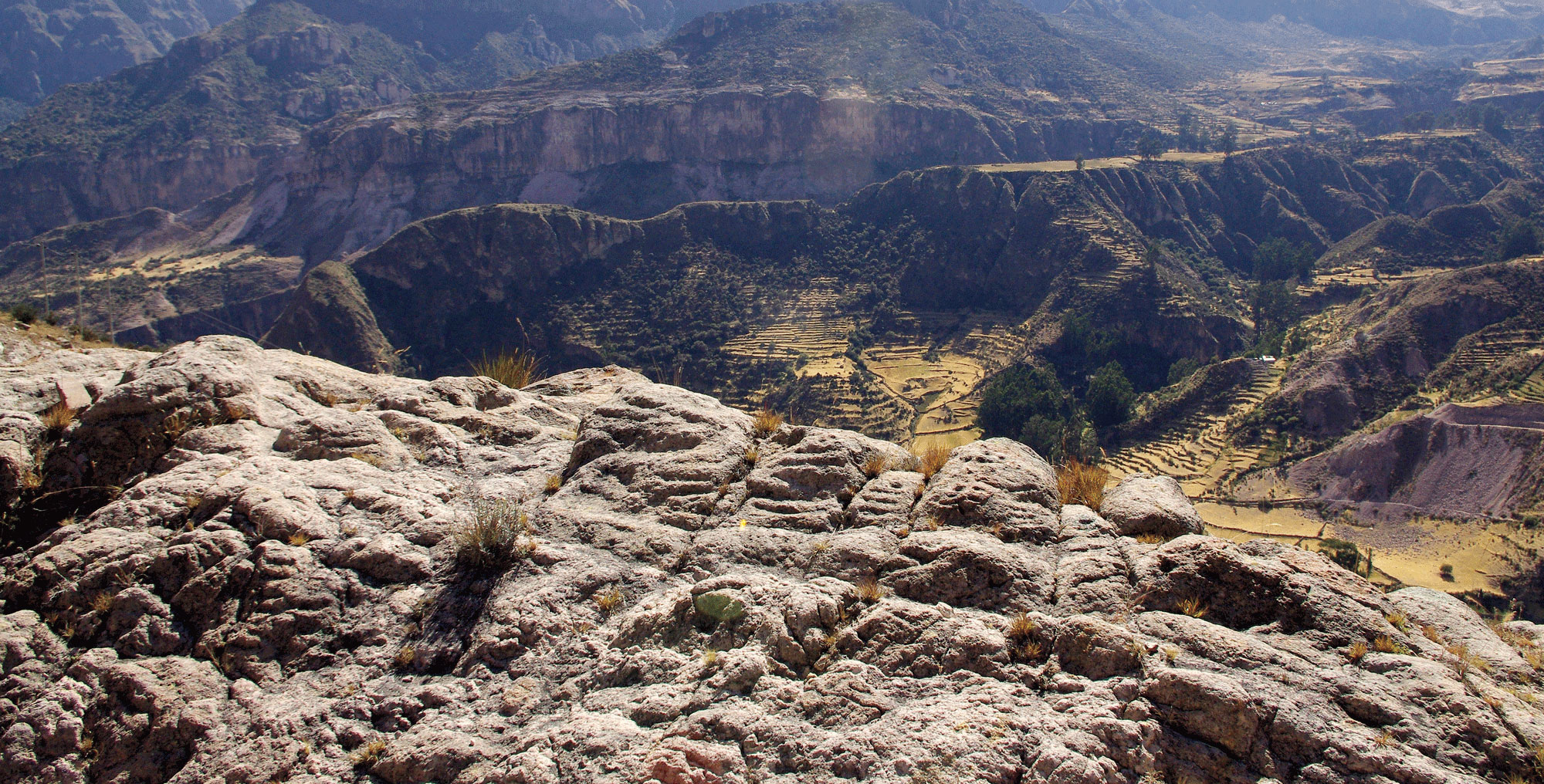 Courtesy Patricia Aparicio Martínez
 -
Features September/October 2026
Where Was Ancient Egypt Born?
Archaeologists are reimagining a time before the first pharaohs
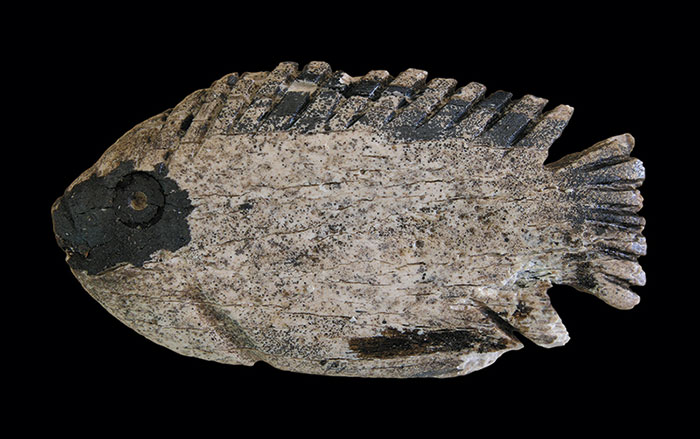 Courtesy Robert Słaboński/Tell el-Farkha Expedition
 -
Features September/October 2026
2,000 Years Under the Sea
The story of Greece’s famed Antikythera wreck is finally being revealed
 © ESAG/UNIGE