

STANFORD, CALIFORNIA—Science Alert reports that Alexander Ioannidis of Stanford University and his colleagues analyzed the genomes of more than 1,000 people who live in French Polynesia; 12 genomes from individuals on the island of Rapa Nui; and the genomes of people native to Hawaii, Samoa, Tonga, and Tahiti. First, the researchers isolated segments of Polynesian ancestry with machine learning, and then they applied an identity by descent method, which can identify common ancestors of living people and people from the past. The study shows that people traveled across Polynesia in small populations, sometimes resulting in a genetic bottleneck of reduced genetic variation that can increase the odds of the occurrence of harmful mutations known as the founder effect. People who became Native Hawaiians are thought to have experienced a series of bottlenecks as they traveled long distances on small double-hulled catamarans. “Hawaii is the only Polynesian island in the Northern Hemisphere, so it’s a long way from everything,” Ioannidis explained. The study also suggests that Native Hawaiians are most closely related to the people of Rapa Nui. The two islands are more than 4,000 miles apart, and each one is about 2,000 miles from another island. Both populations were also found to be related to people on Mangareva Island, which may have been their launching point in French Polynesia, Ioannidis concluded. For more on early Hawaiian history, go to “Letter from Hawaii: Inside Kauai’s Past.”
Genetic Study Tracks the First Hawaiians
News November 2, 2026
Recommended Articles
Digs & Discoveries July/August 2022
The Great Maize Migration
Digs & Discoveries January/February 2022
Japan's Genetic History
Digs & Discoveries November/December 2016
Coast over Corridor
Off the Grid November/December 2026
San Agustín, Colombia
Archaeologists are finally deciphering the mystery megaliths of a vanished Andean people
More to Discover
Features November/December 2026
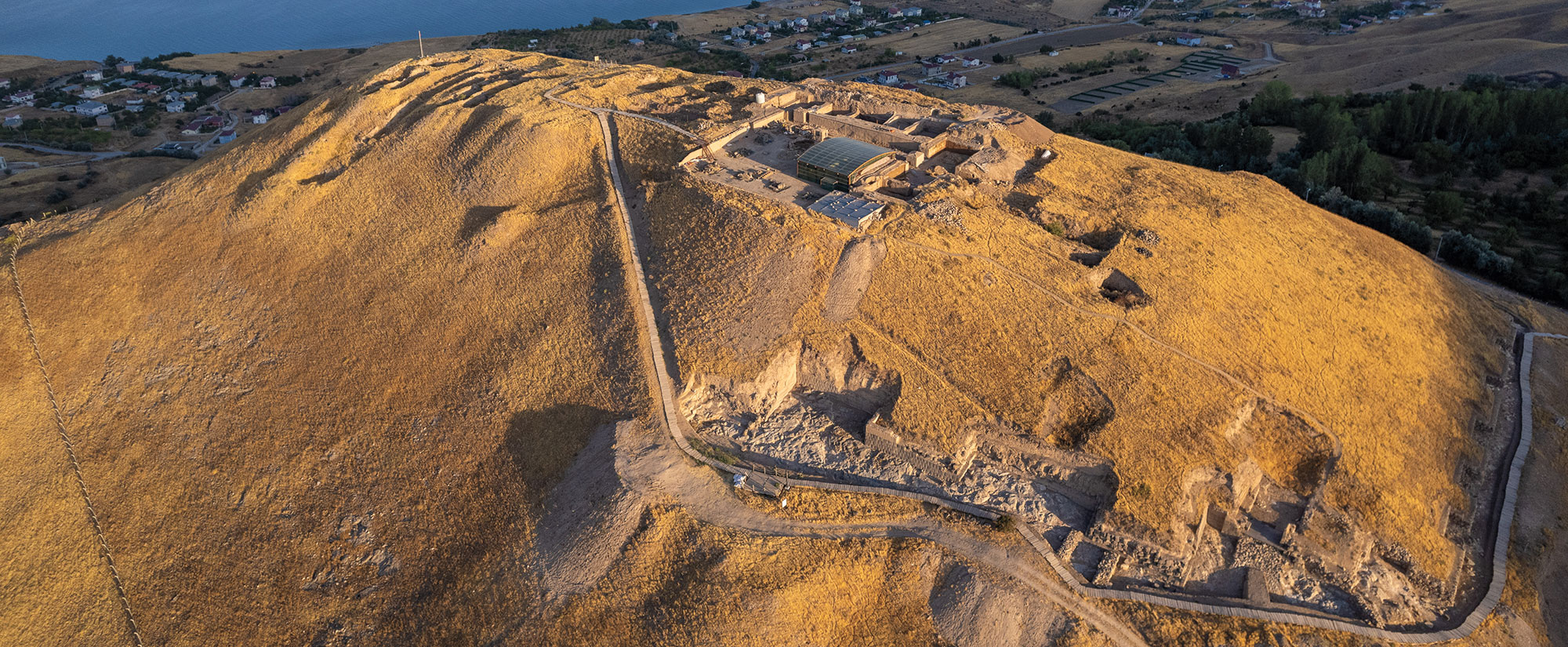
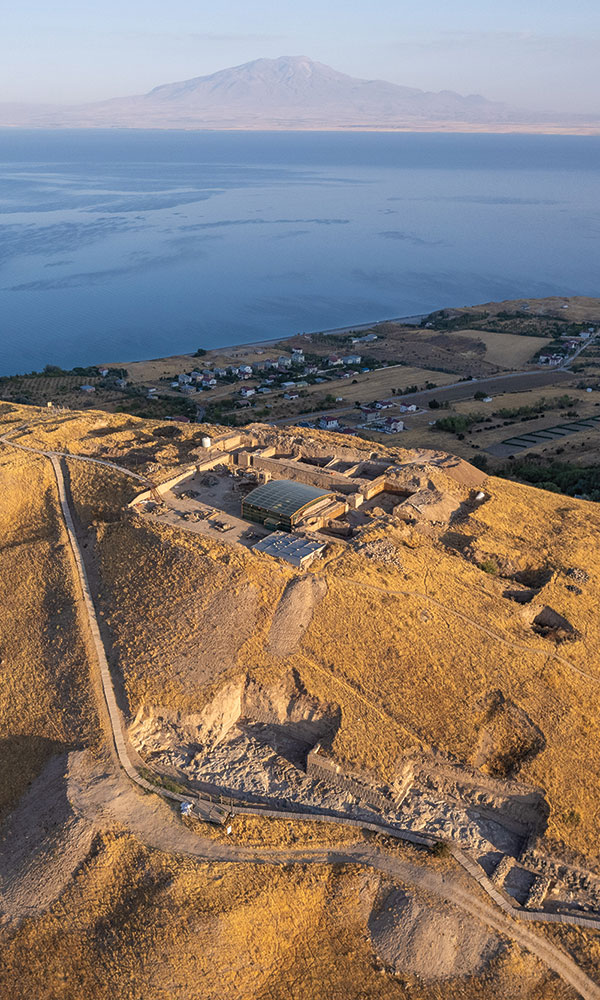
Kingdom of Fortresses
How diverse and far-flung Iron Age chiefdoms united to challenge the Assyrian Empire
-
Features November/December 2026
A Tomb of One’s Own
Life behind the scenes in Egypt’s Valley of the Kings
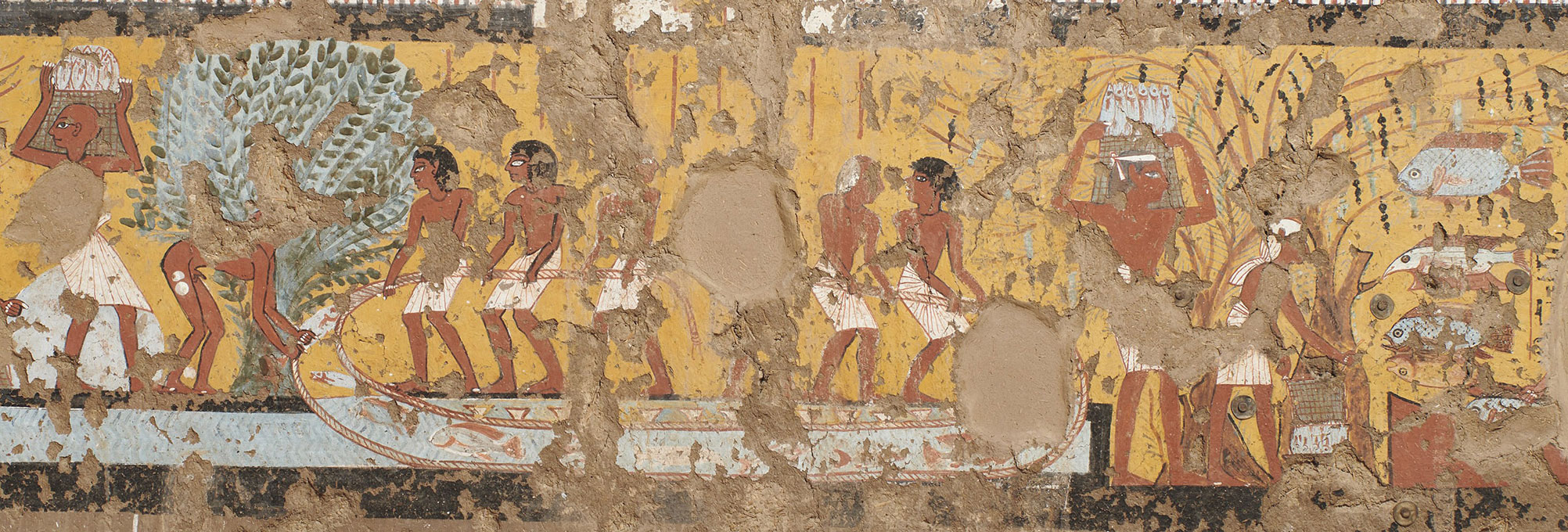 © Matjaz Kacicnik/Project TT 217–The Tomb of the Sculptor Ipuy in Context (JGU Mainz, IFAO Cairo)
-
Features November/December 2026
Outfitting Viking Voyagers
In Denmark, archaeologists have discovered a massive factory that equipped an innovative fleet
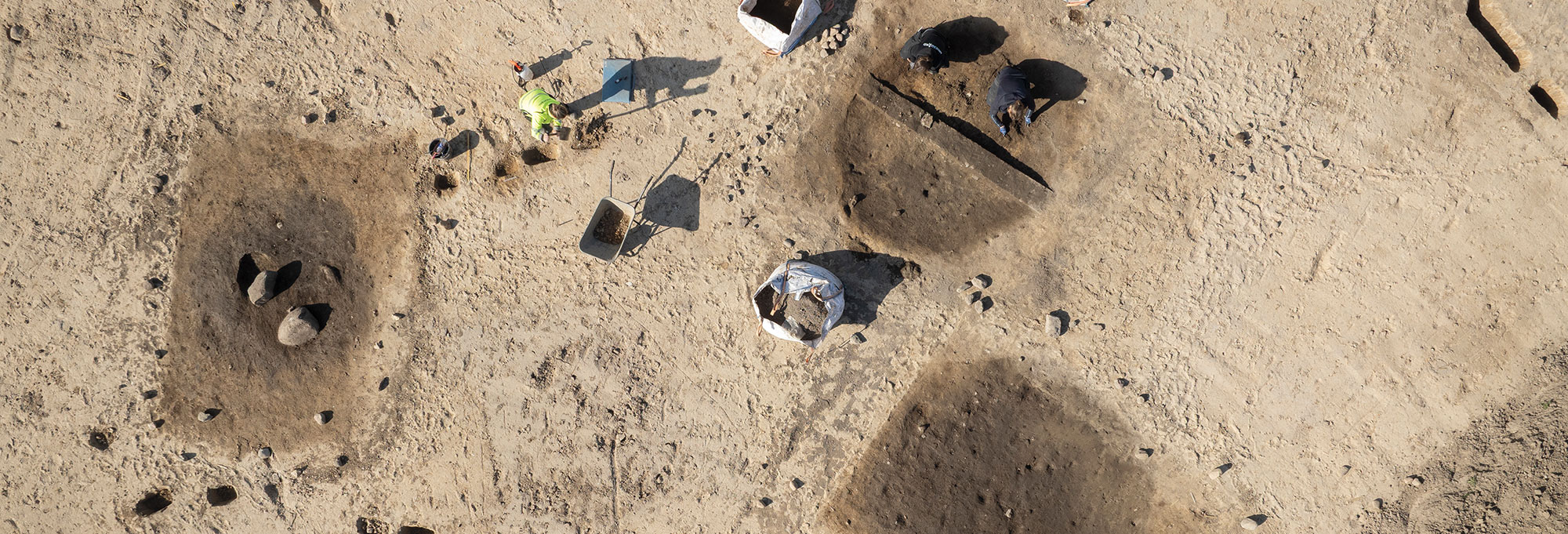 Moesgaard Museum
-
Features November/December 2026
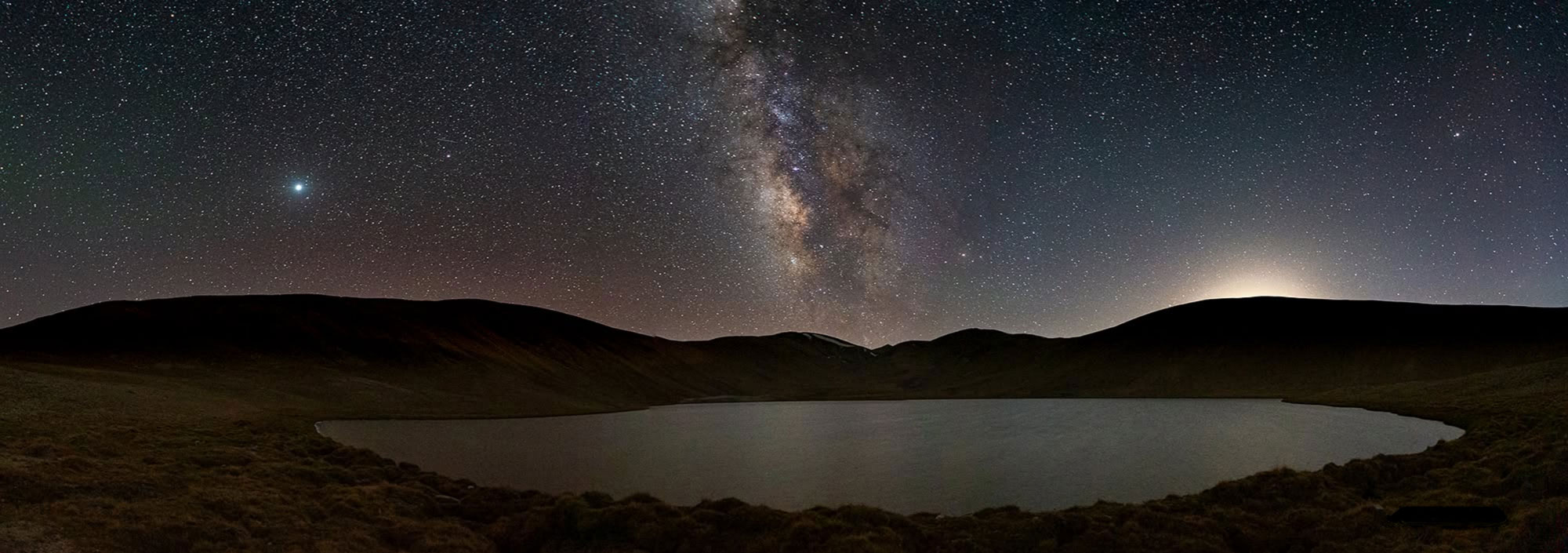
Stone Age Stargazers
Did artists 12,000 years ago illuminate a cave in Tajikistan with their vision of the Milky Way?
 ˝© Nodir Tursun-Zade
-
Features November/December 2026
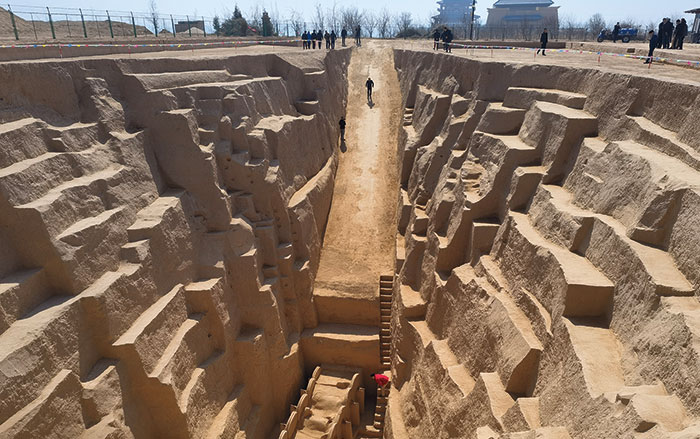
Unearthing the Outlanders
New discoveries challenge ancient prophecies about the peoples living on China’s borders three millennia ago
 Courtesy Shaanxi Provincial Institute of Archaeology