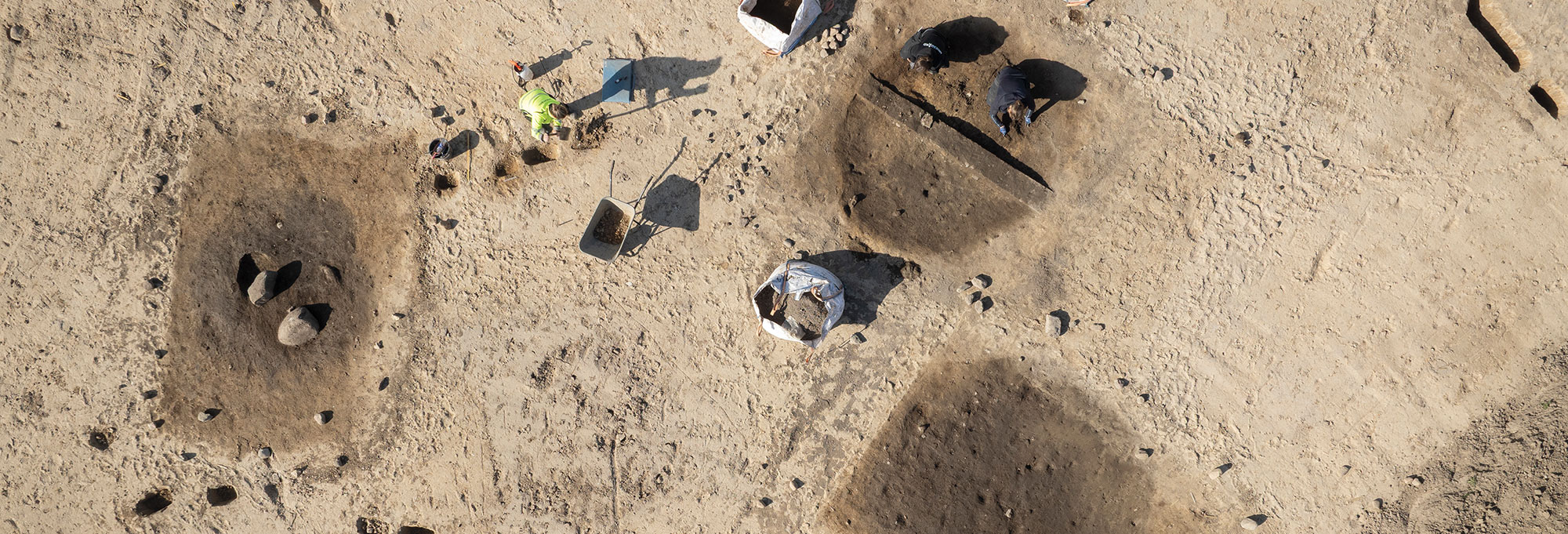

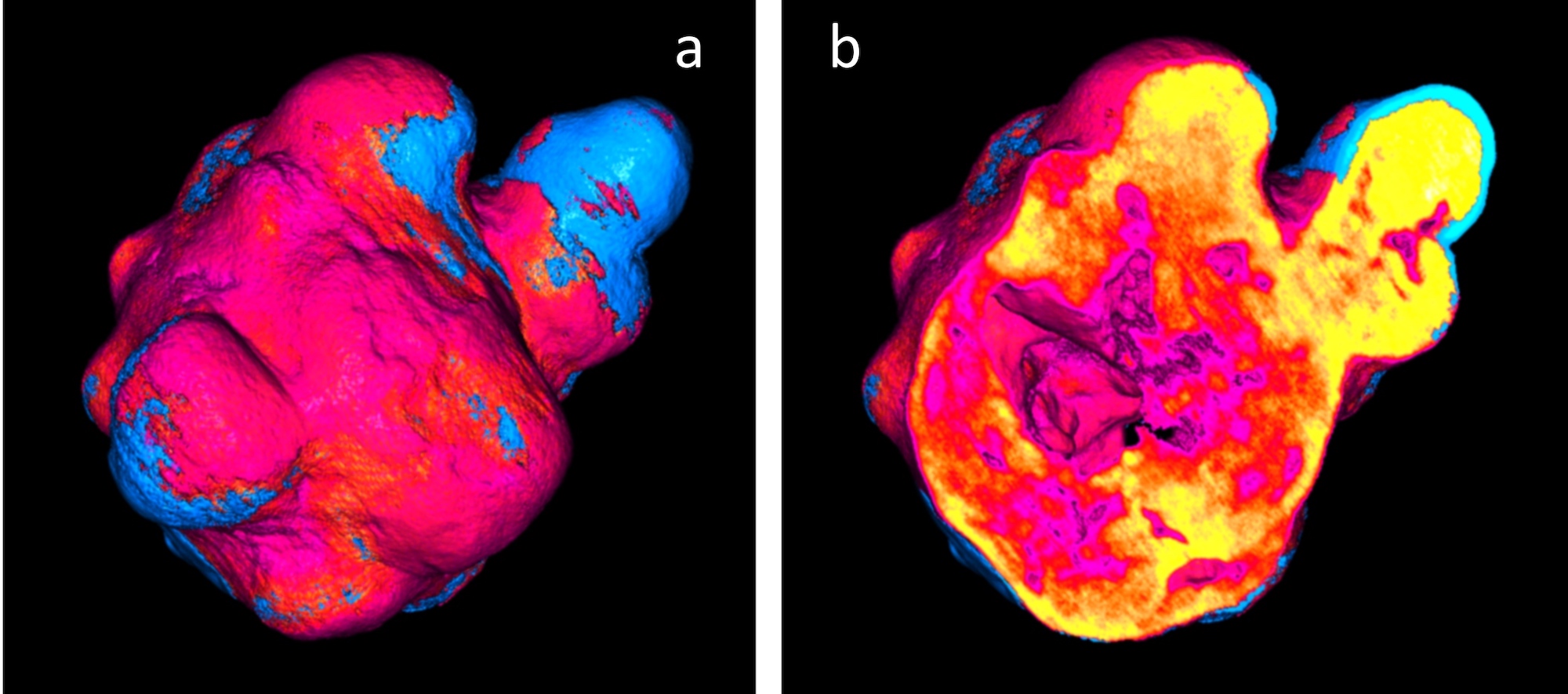
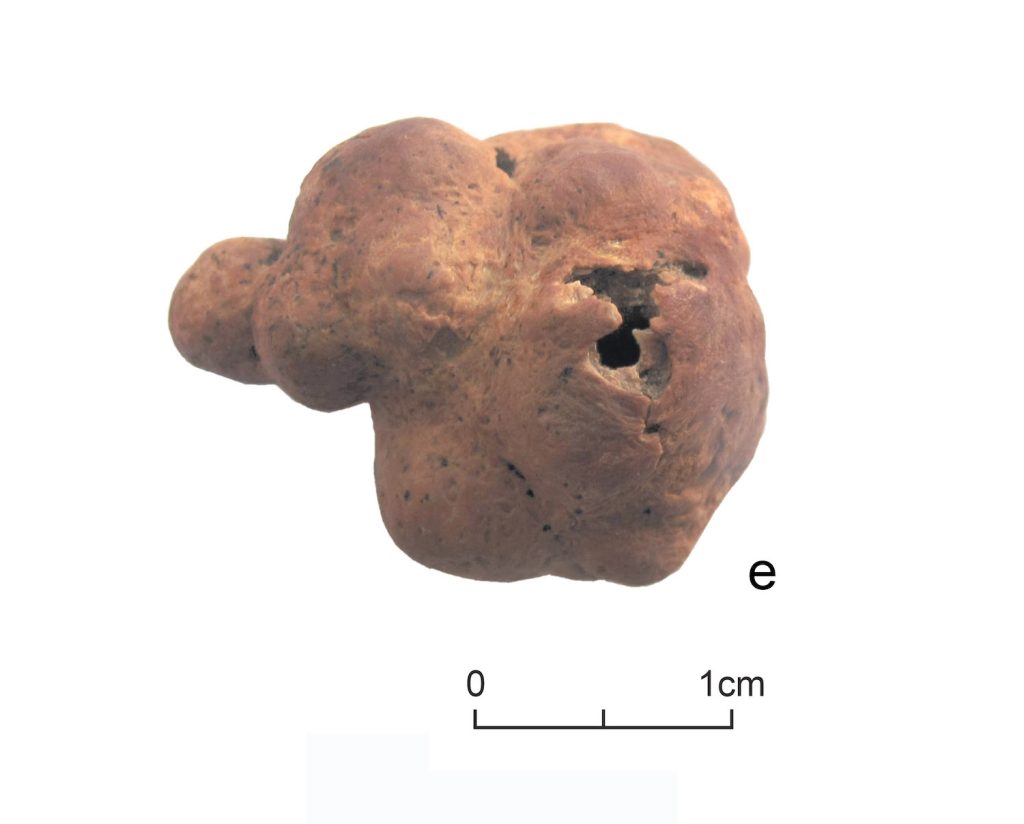
MOSCOW, RUSSIA—A grape-sized kidney or bladder stone has been recovered from the grave of a Bronze Age man who was buried in a kurgan cemetery near the Black Sea in southwestern Russia, Live Science reports. “He lived with a chronic urogenital infection,” said Natalia Berezina of Lomonosov Moscow State University. “It was not a brief episode. His last years were probably marked by considerable and more or less constant pain,” she added. To identify the lumpy, hard object, X-ray fluorescence analysis was employed to determine that it was made up of calcium and phosphorus. X-ray powder diffraction analysis was used to identify its crystal structures, revealing the presence of whitlockite, a rare calcium salt only found in kidney, bladder, and prostate stones. Whitlockite is associated with bacterial infections in the body, Berezina added. A urinary tract infection can alter the acidity of urine and make the formation of a stone more likely to occur. It is not clear if the stone led to his death, however. If the stone was caught in a ureter, one of the two tubes connecting the kidneys to the bladder, it may have caused a fatal infection, she explained. Study of the man’s bones showed that he had degenerative joint disease in his spine, shoulders, hips, hands, and feet, along with healed fractures in his right shoulder, ribs, and forearm. “These were people who worked with cattle and heavy wagons on the open steppe, and the injuries that follow from that are the injuries we find,” Berezina concluded. To read about a barrow burial uncovered in Siberia, go to “Membership Has Its Privileges.”