(Courtesy Lee Berger and the University of the Witwatersrand)
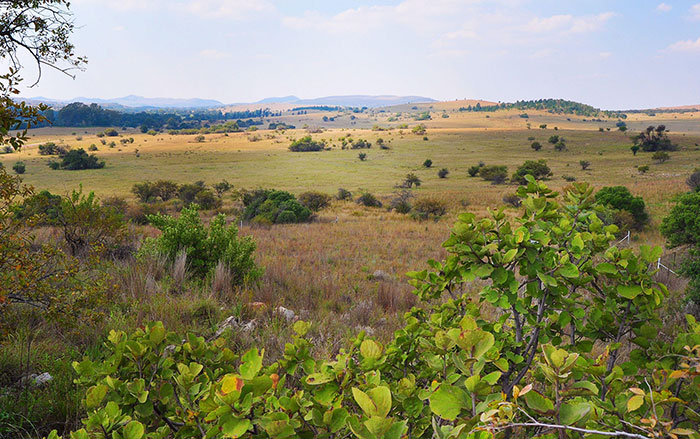
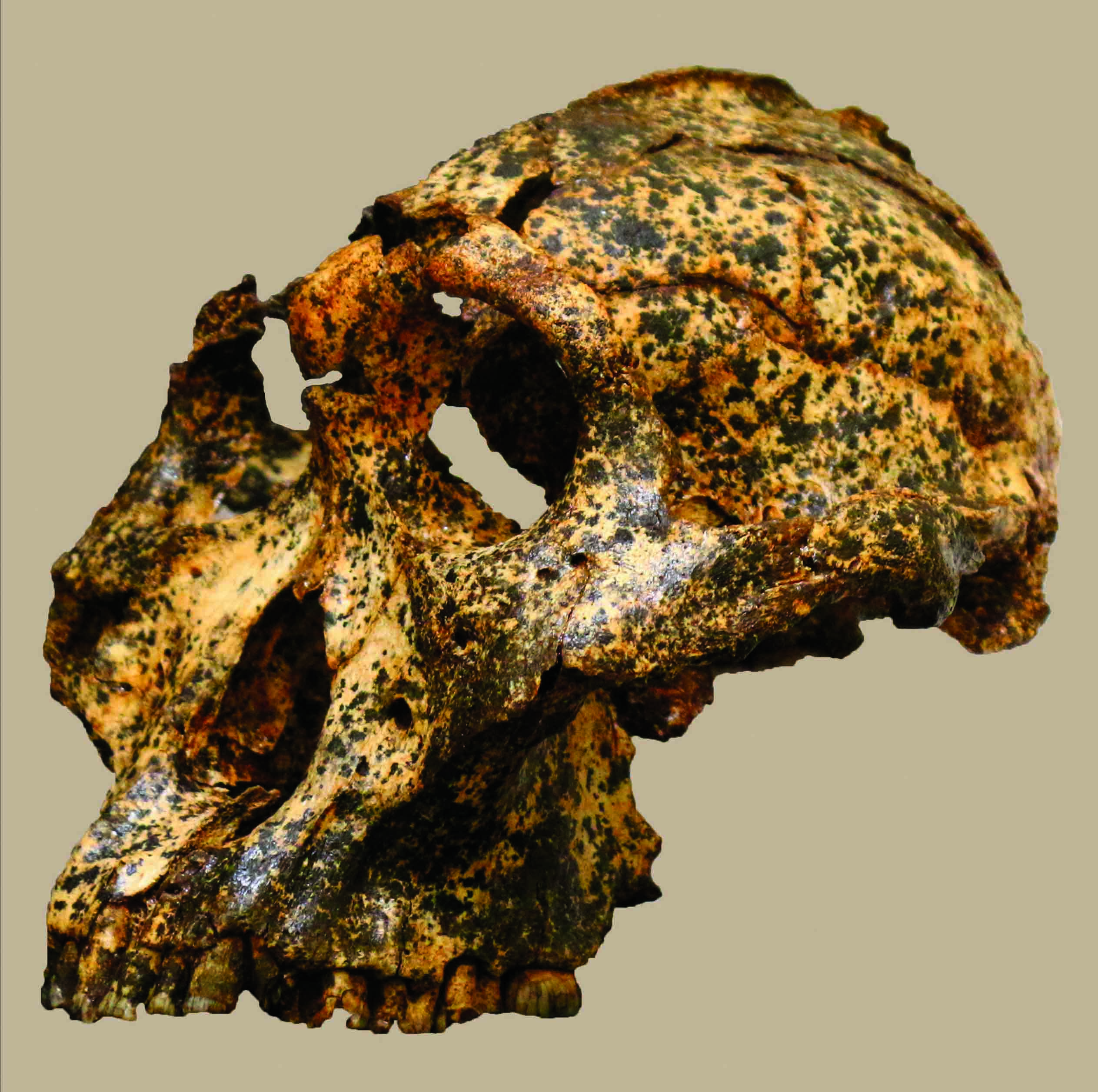
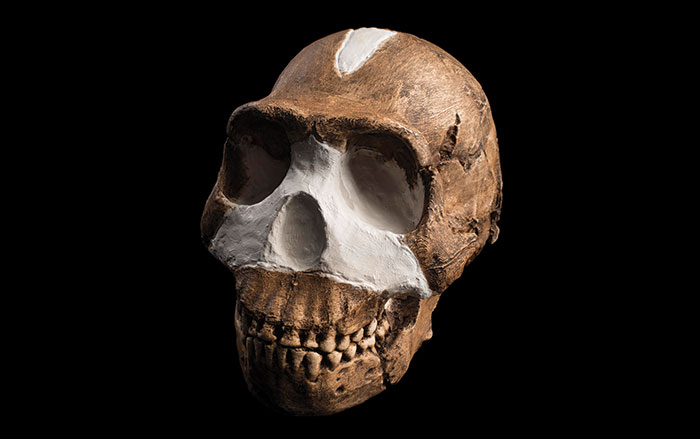
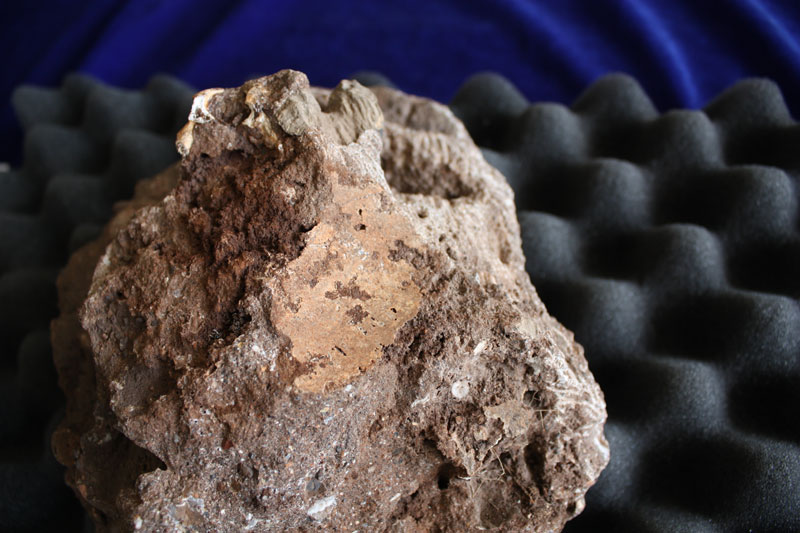
The 2.2-million-year-old fossils of Australopithecus sediba have been providing new insights into human evolution since they were discovered in South Africa's Malapa Cave in 2010. But now scans of some of the fossils have revealed a thin layer of minerals that could be the remains of Australopithecus skin. To determine whether this is the case, Lee Berger, a paleoanthropologist at the University of the Witwatersrand in Johannesburg and lead researcher on the project, is taking a revolutionary step and making this research project
open source.
Berger has enlisted John Hawks, a paleoanthropologist and blogger at the University of Wisconsin, to reach out to the online scientific community for input on how the research should be designed and to help analyze the "skin" samples. Because no one has ever found fossilized early hominid skin, Hawks says, there are no experts on the subject.
According to Hawks, the open-source approach will help the team avoid a common pitfall of early hominid research—the sometimes decades-long delay between a fossil's discovery and the publication of scientists' analysis of the find. The team will post project updates online to inform the community of its progress and address any issues that might arise before submitting the research to a peer-reviewed journal.
The project is starting to attract interest worldwide. Berger's team is in discussions with Russian anthropologists who suggested comparing the Malapa samples to other specimens of fossilized skin. The team is also working with a mineralogist from the University of Oslo, in Norway, to find a way to examine the structure of the "skin" with an electron microscope. If the mineral layer does turn out to be preserved skin, it could provide information about A. sediba's hair, pigmentation, and sweat glands. If the layer turns out to be something else, paleoanthropology may still have gained a new approach to research.