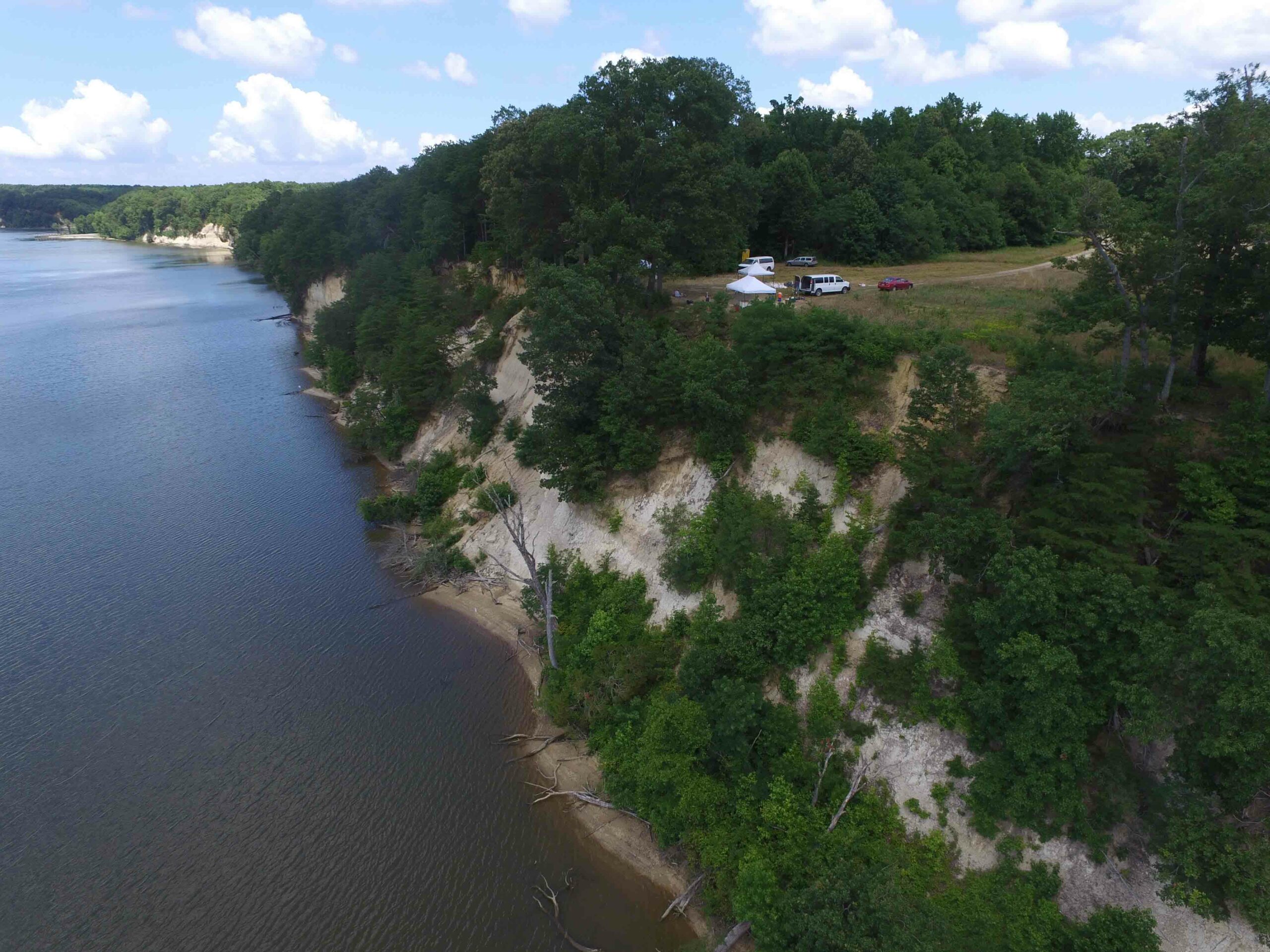


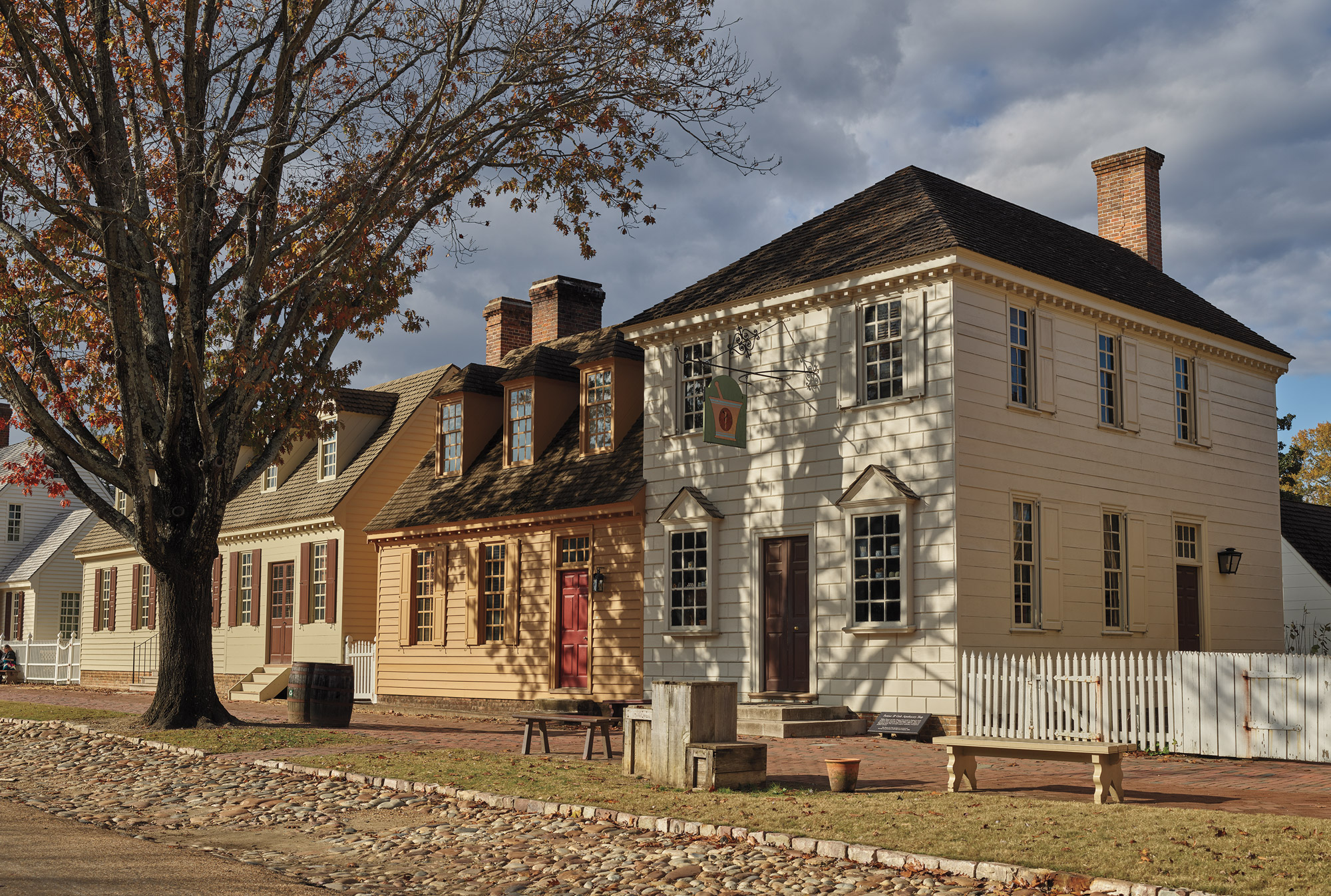

A torrential spring downpour had left a sea of mud at a construction site in the old Virginia capital of Williamsburg, but archaeologist Jack Gary seemed oblivious to the muck as he held out a small silver disk. That morning in 2024, his team had discovered the worn Spanish half real in the cellar of a demolished colonial-era manor house. The coin had been minted, Gary explained, in Lima, Peru, 3,500 miles to the south. The team had also unearthed a fragment of a delicate Chinese teacup, an African cowrie shell, and pieces of an English-made leaded glass window. “We now have finds from four continents,” says Gary. “This shows how connected the residents were with the wider world.” After analyzing bricks from the house’s cellar, Gary, director of archaeology at the Colonial Williamsburg Foundation, has concluded that the structure is likely a rare example of a prestigious home built before the town became Virginia’s capital in 1699. The rich array of objects left behind when the house was torn down in the late 1730s is evidence that a prosperous family once lived there. The tiny cowrie shell, however, reveals the other side of that genteel affluence: In colonial Virginia, prosperity was built on the backs of enslaved laborers brought from West Africa to work the tobacco fields.