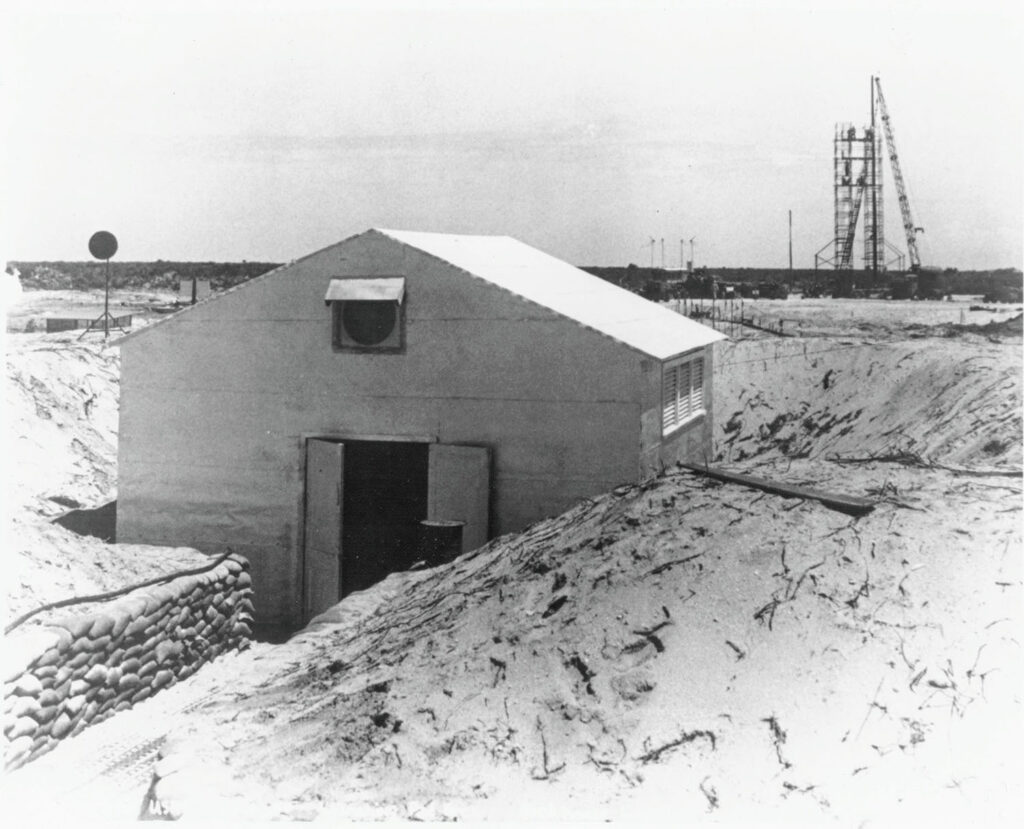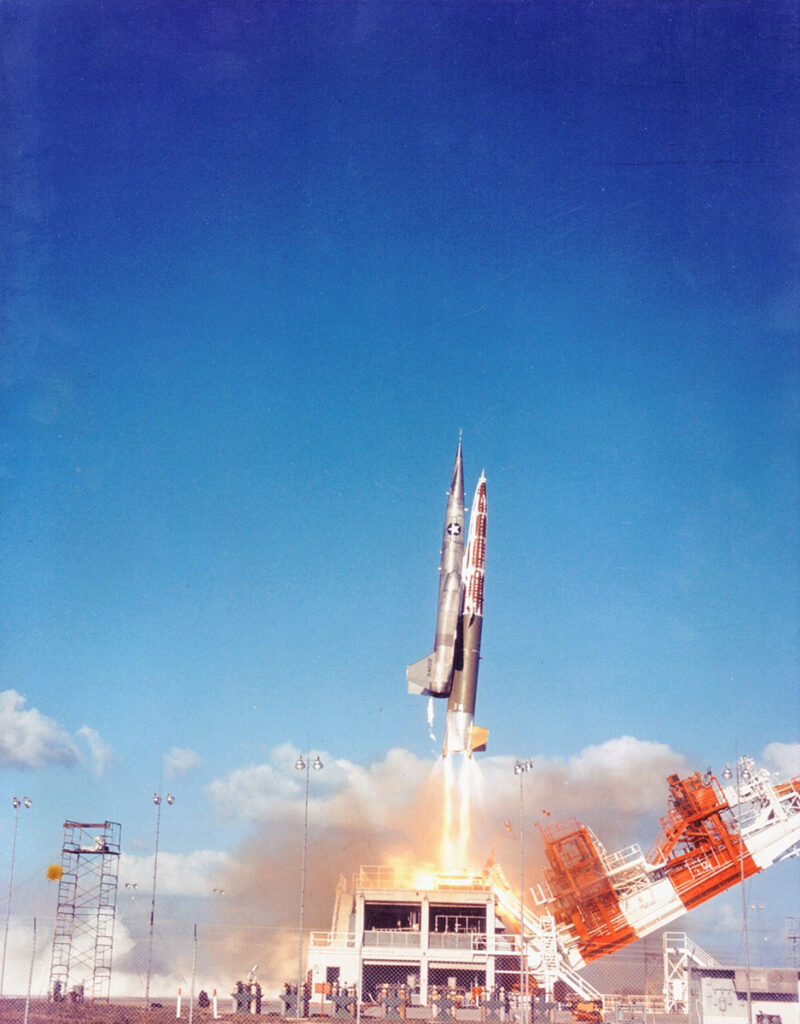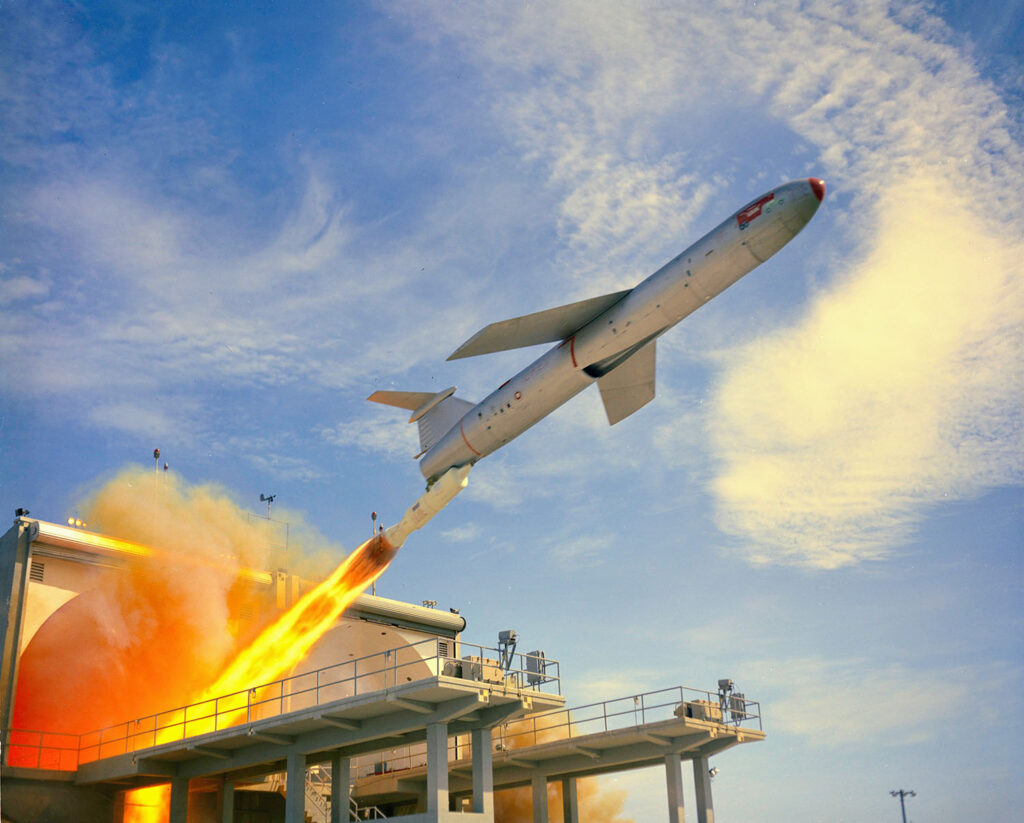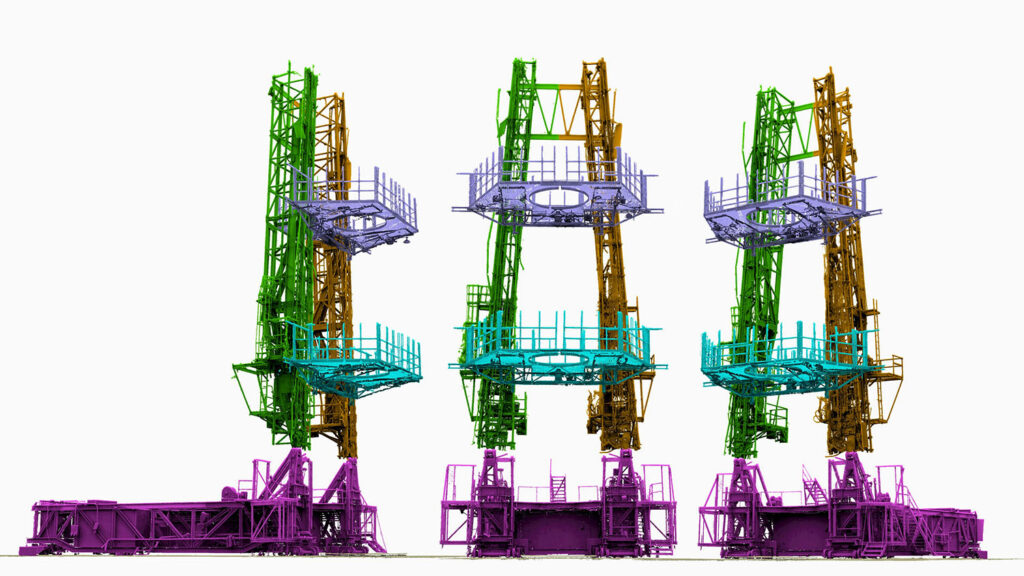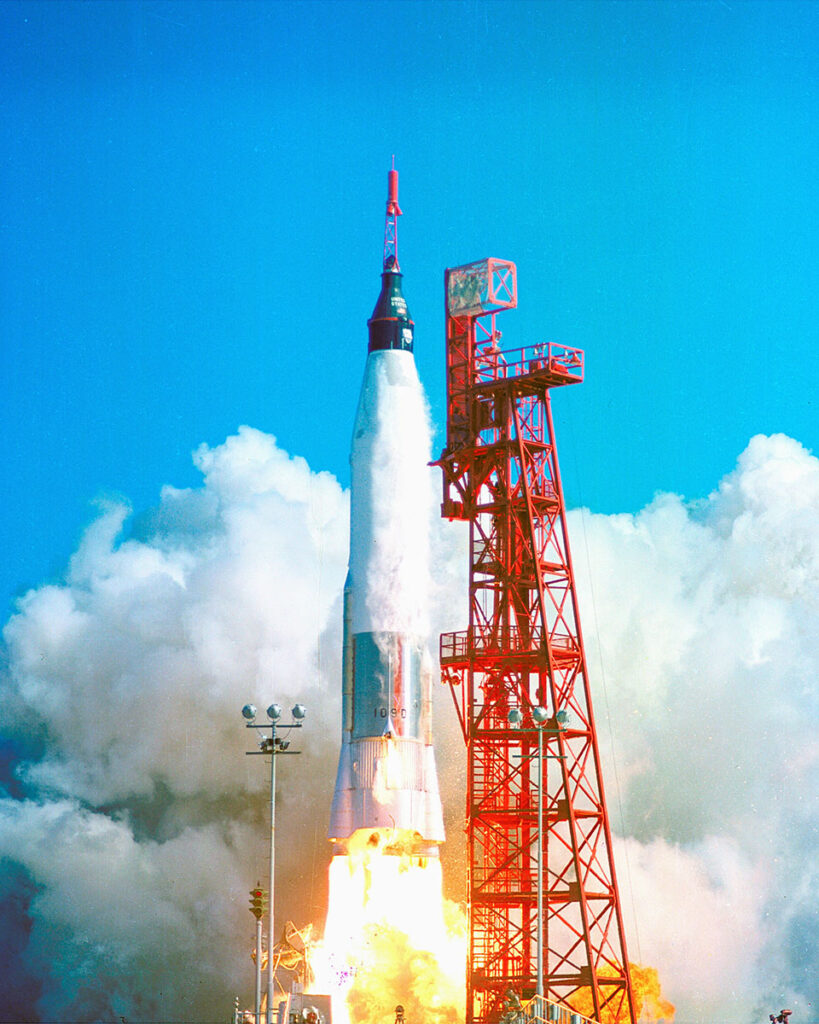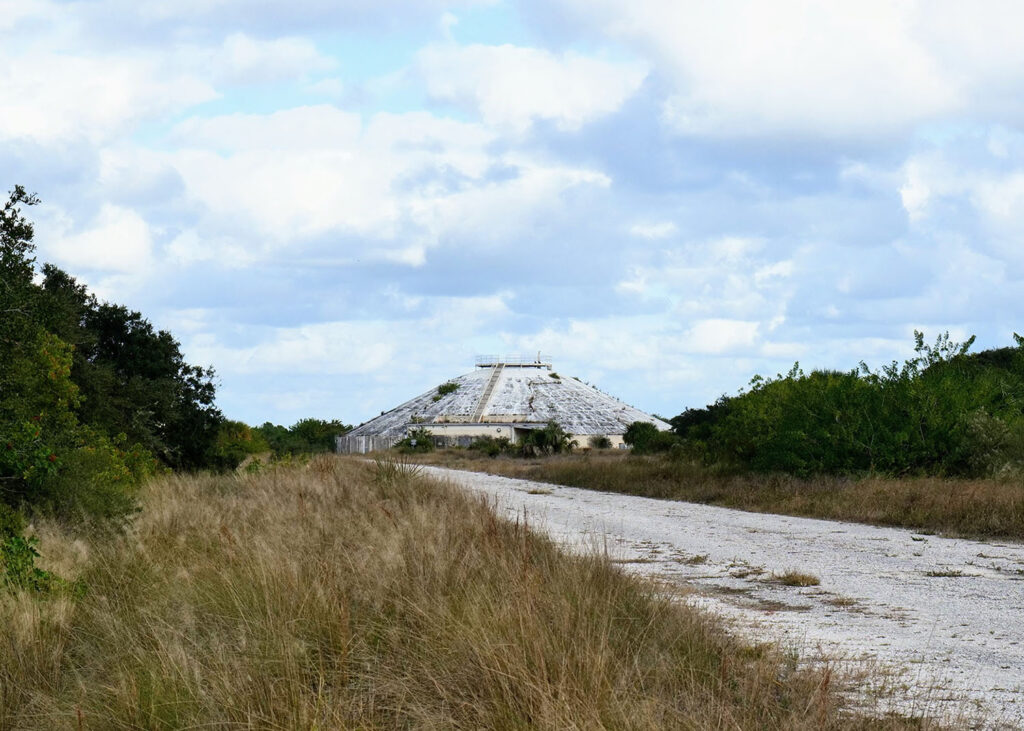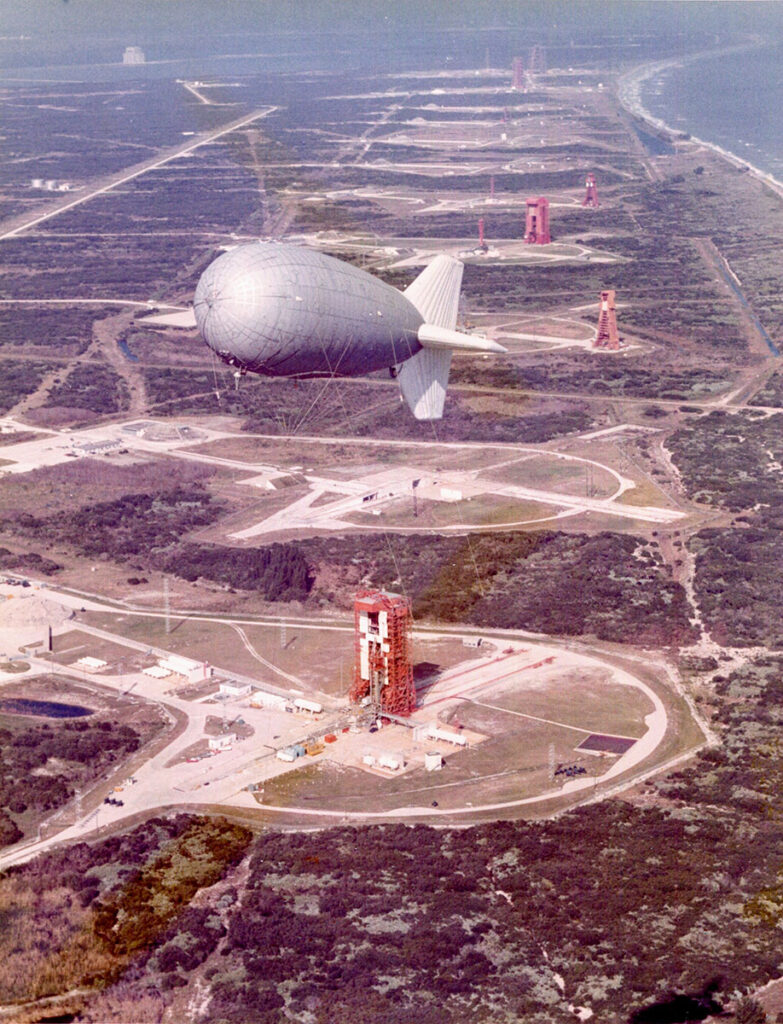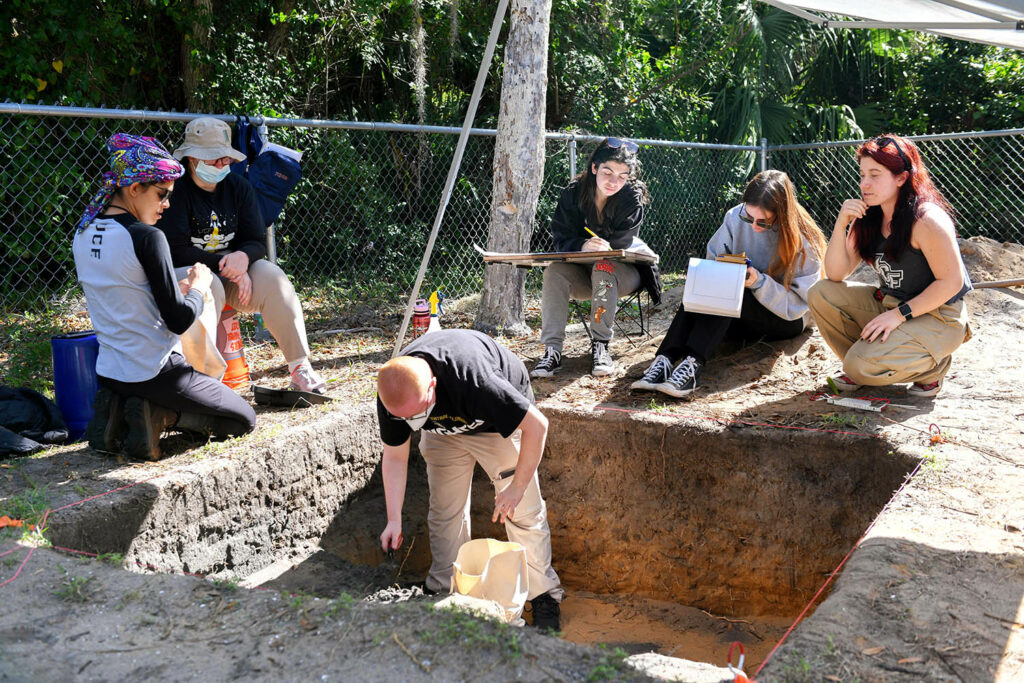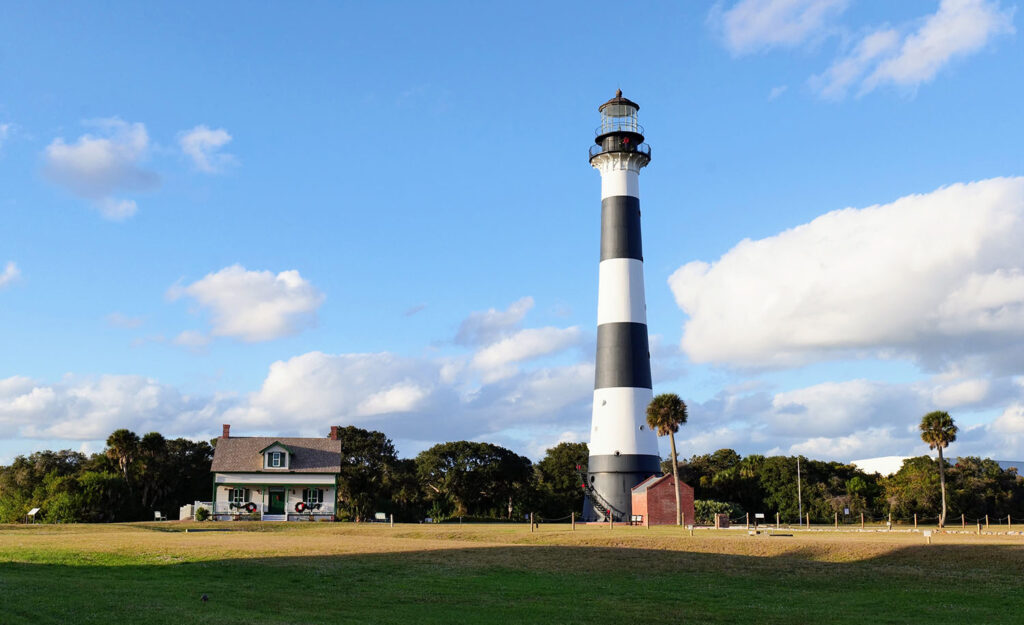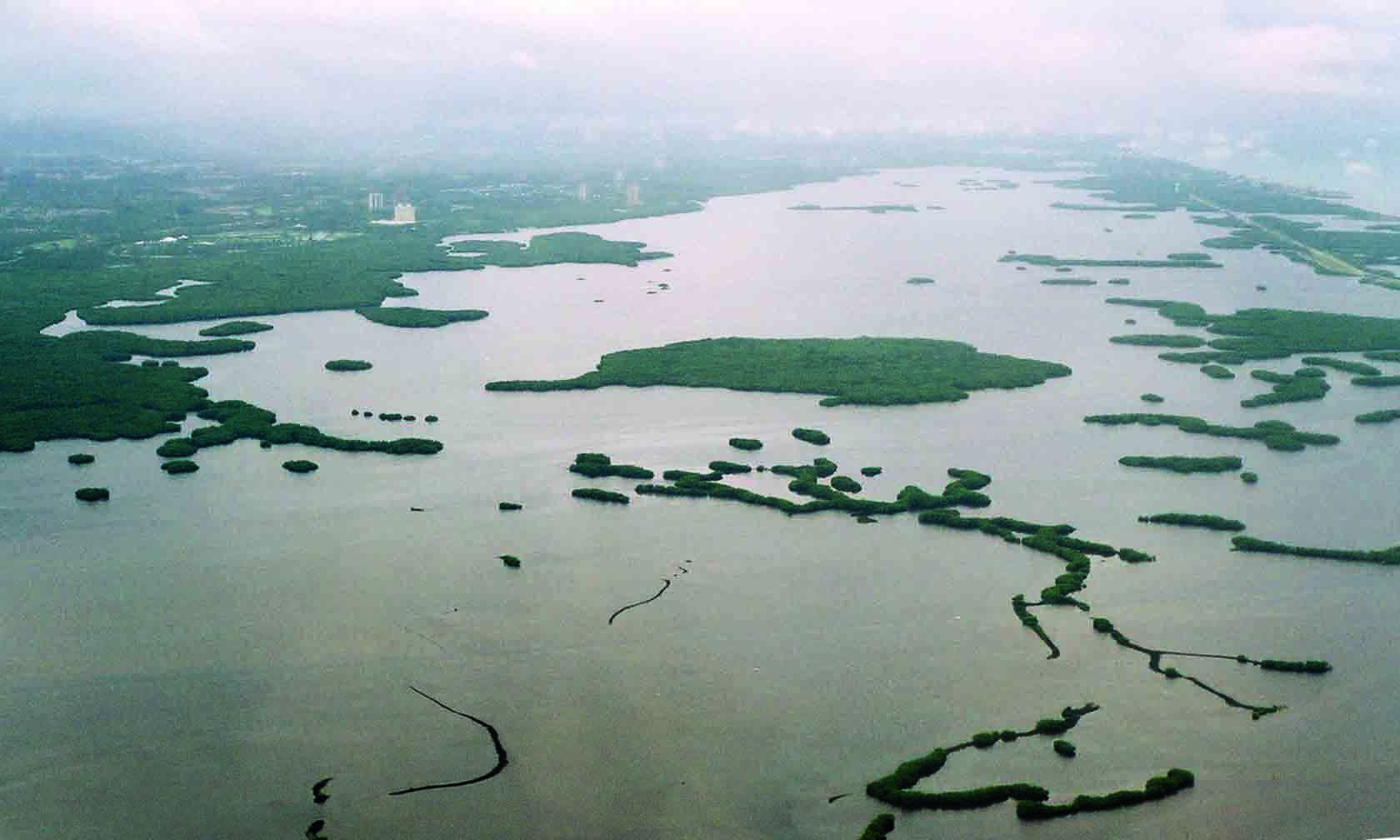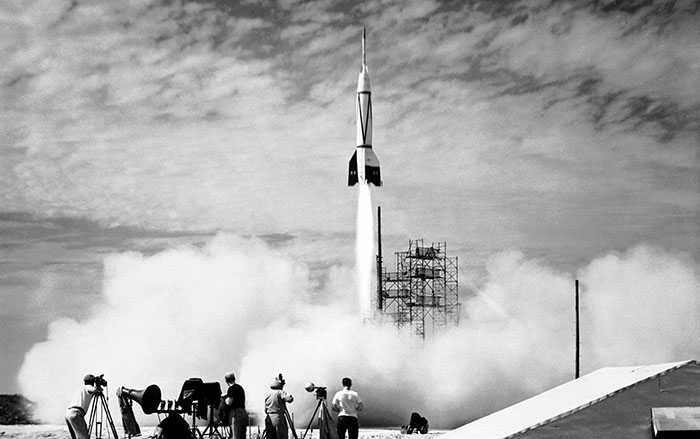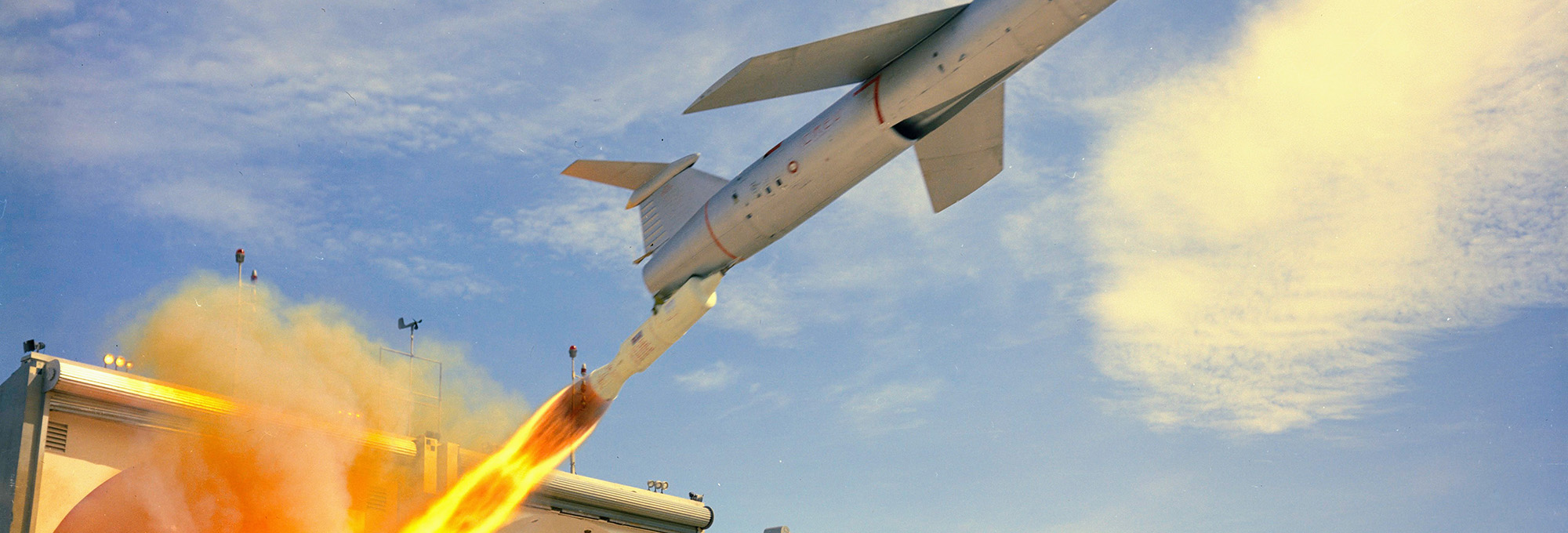
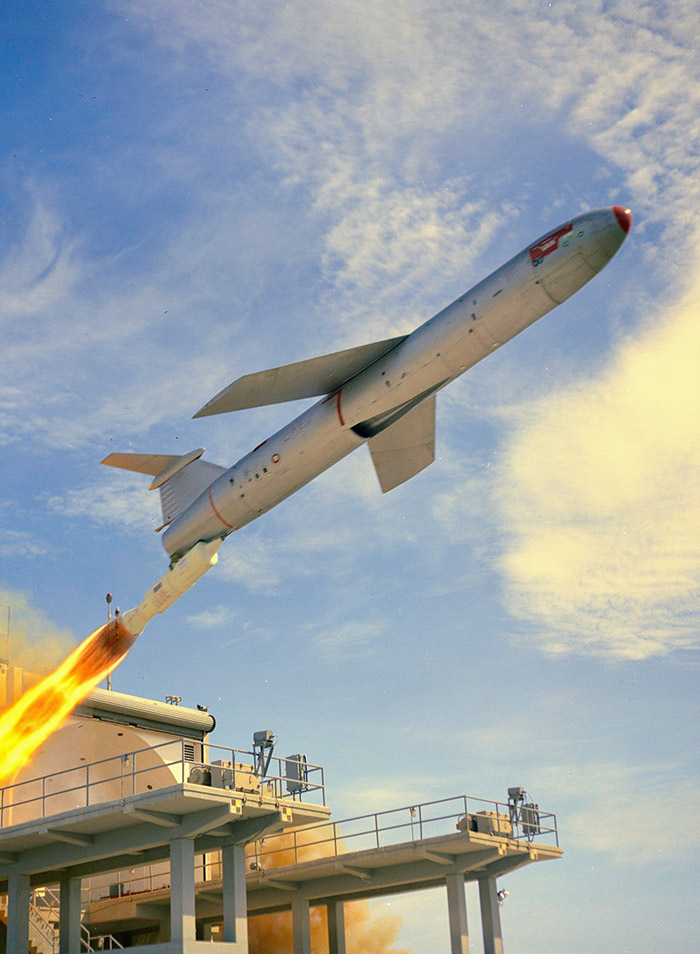
On a clear day or night, you can see a rocket launched from Cape Canaveral on Florida’s Atlantic coast from 400 miles away. The flame, the contrail, and the separation of boosters all announce the hubbub in the sky, but there’s also excitement for scientists, including archaeologists, on the ground at Cape Canaveral Space Force Base. Here, the U.S. government built Cold War–era missile test sites and the launch complexes for the Mercury, Gemini, and Apollo program rockets that first sent Americans into space in the 1960s. These titanic structures of rocketry and spaceflight infrastructure are now archaeological sites.
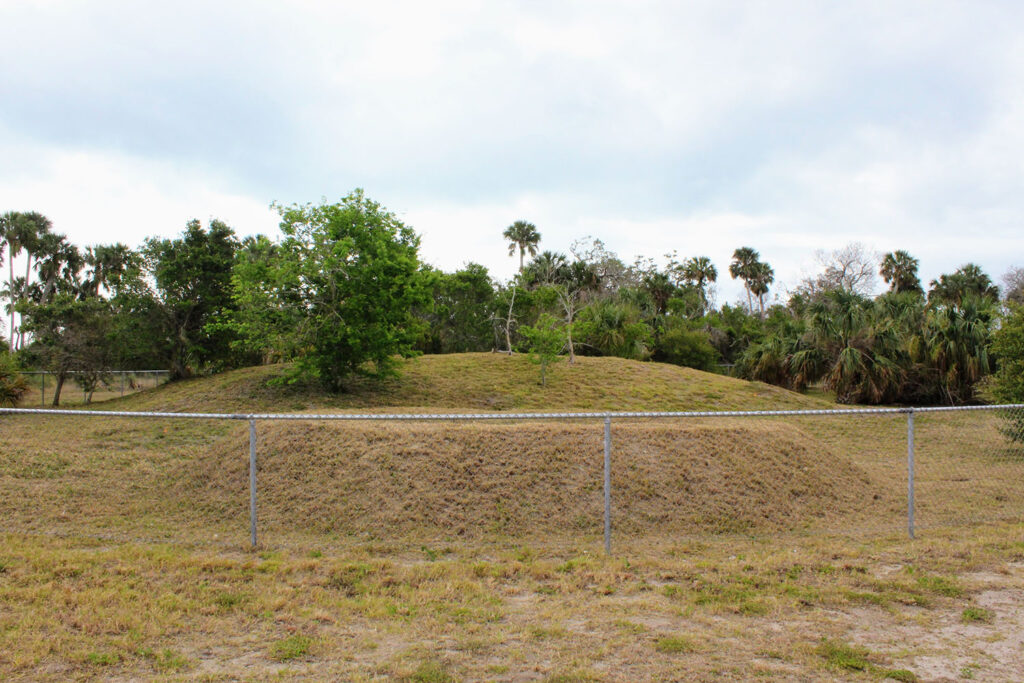
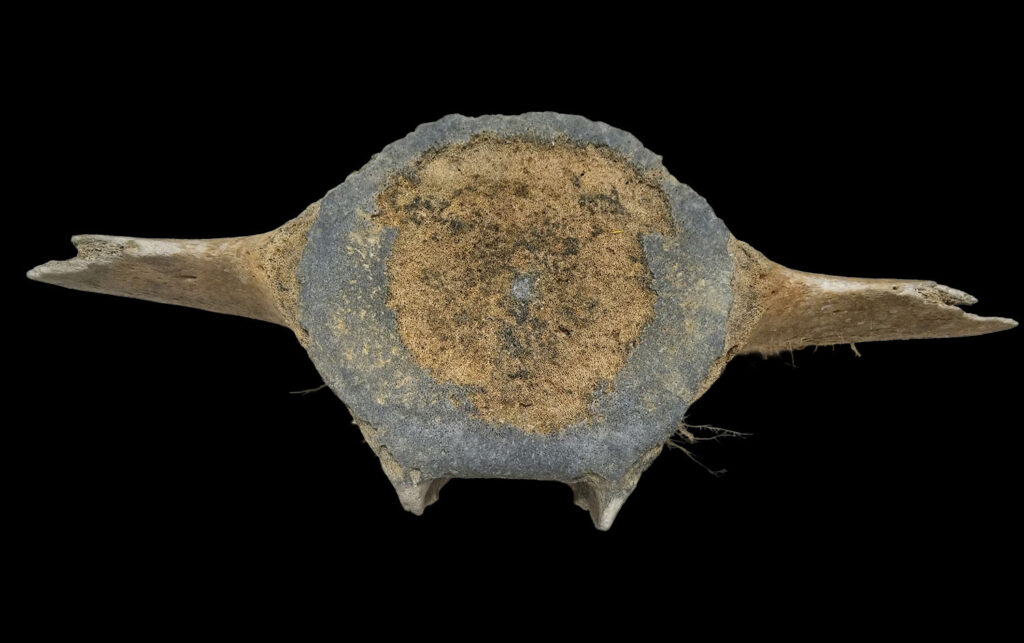
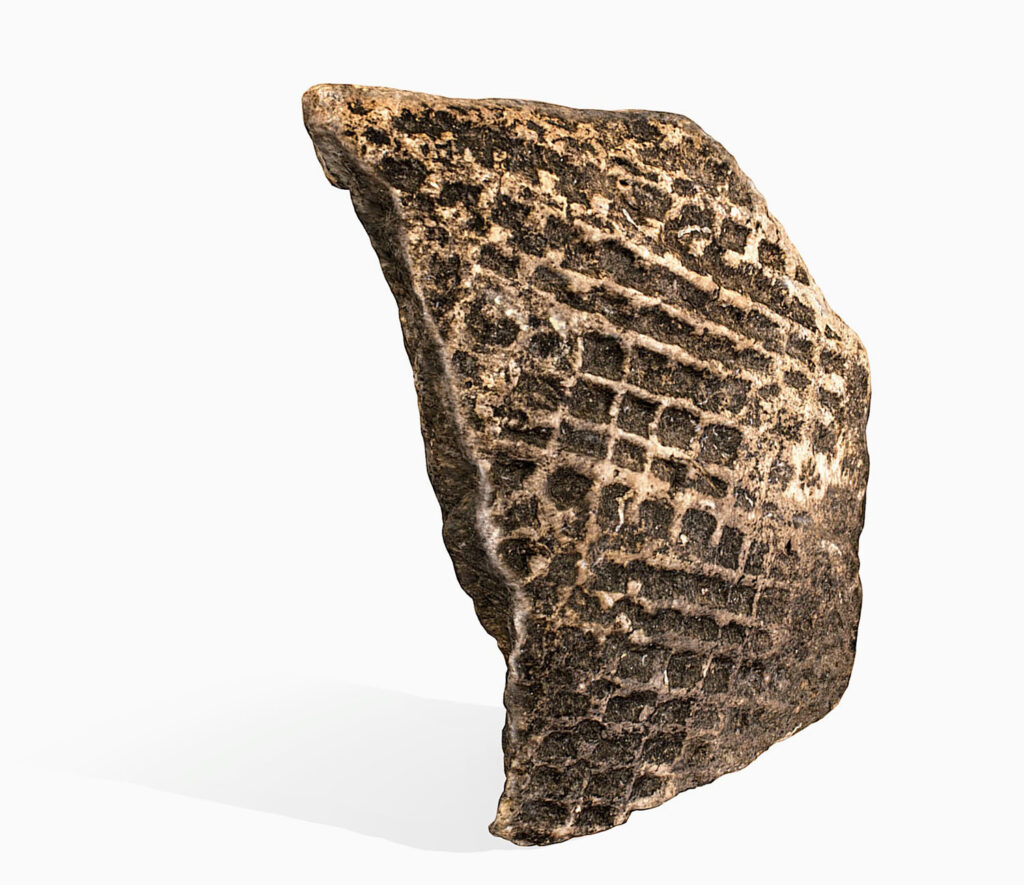
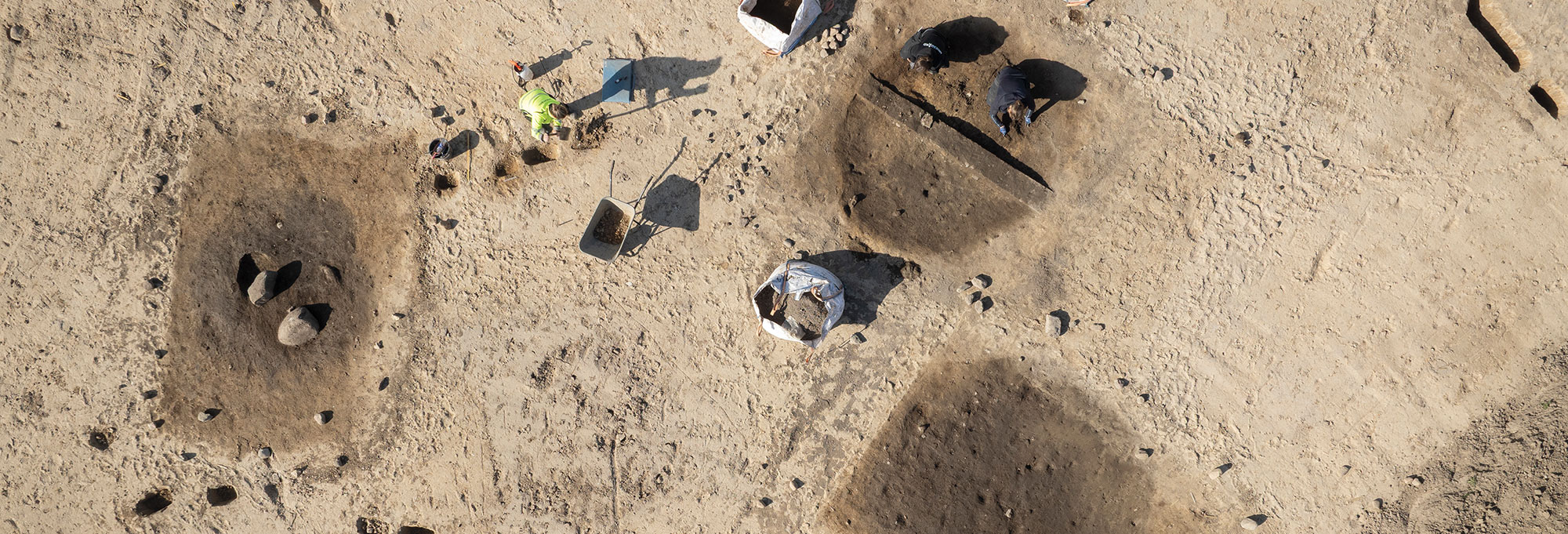
Before the rockets, Canaveral had homesteads, a luxury hotel, and a factory for processing shark livers into fad medicine. More than 3,000 years before that, ancient Floridians began fishing and foraging on the Cape. The descendants of those people established settlements, performed ceremonies, traded for food and goods across Florida, and built huge burial mounds. From this 15,800-acre area, archaeologists have a vantage point spanning the recent past to the deep history of Indigenous people on the continent. To read our full article on the archaeology of Cape Canaveral, click here. Get your copy of the November/December 2026 issue of ARCHAEOLOGY on newsstands, and subscribe to explore more.