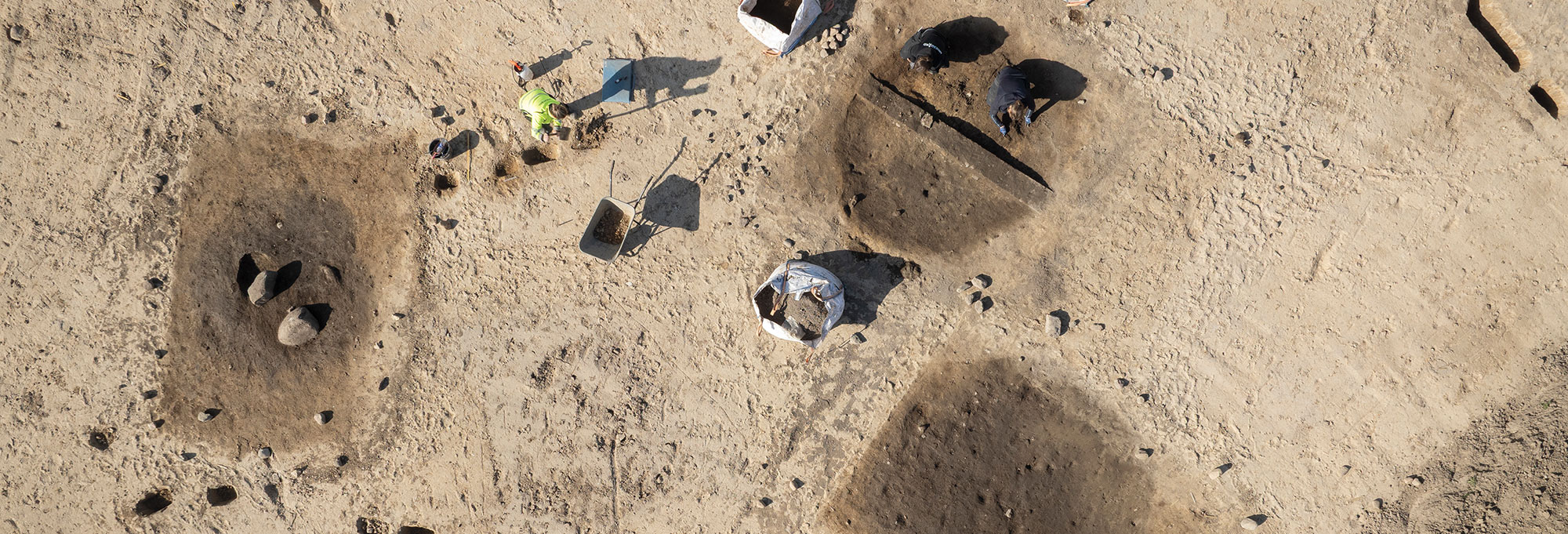
Among the Baroque painters of seventeenth-century Antwerp, Guilliam de Vries has largely faded from memory, unlike luminaries such as Peter Paul Rubens and Anthony van Dyck. But archaeologists have brought renewed attention to de Vries by excavating a cesspit in the garden of the house in Antwerp where the artist spent the last decade of his life, from 1668 to 1678. They have also drawn on architectural and historical research as well as an accounting of de Vries’ possessions listed in a probate inventory to understand the world of this now-obscure artist.
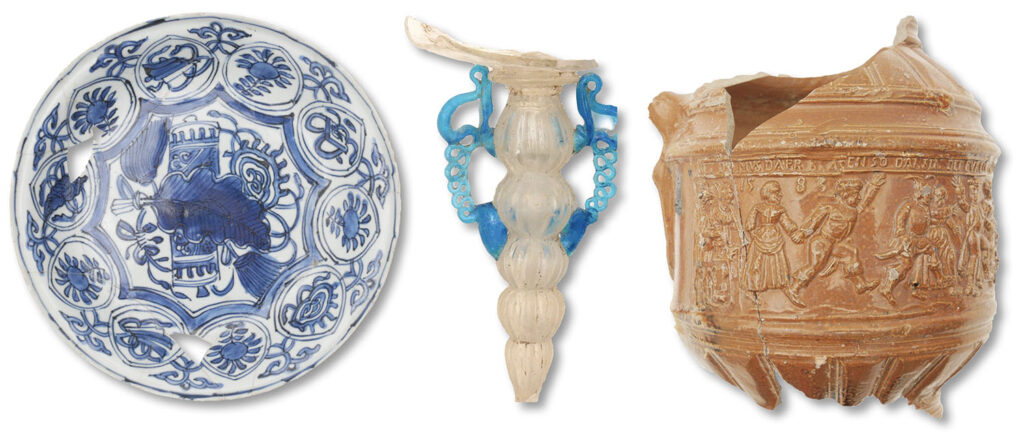
De Vries’ house boasted 16 rooms and was located in an affluent section of Antwerp’s city center. Ceramic and glass artifacts archaeologists unearthed provide evidence of the household’s sumptuous lifestyle. The ceramics include a small but impressive array of porcelain imported from China. “The porcelain is one of the most complete collections we have excavated,” says archaeologist Jelle De Mulder of Ghent University. “These porcelain pieces appear in many still lifes by de Vries’ contemporaries. It’s striking—you can almost copy-paste the materials from the cesspit to paintings from the period.” Archaeologists also uncovered glass fragments representing at least 156 vessels used for drinking, serving, and storing liquids, suggesting that the household was well equipped to host large dinner parties. Animal remains found in the cesspit, including those of turkeys—a relative rarity native to the Americas—as well as of oysters, lobsters, and pricey fish such as sole, turbot, and sturgeon offer a hint of what may have been on the menu.
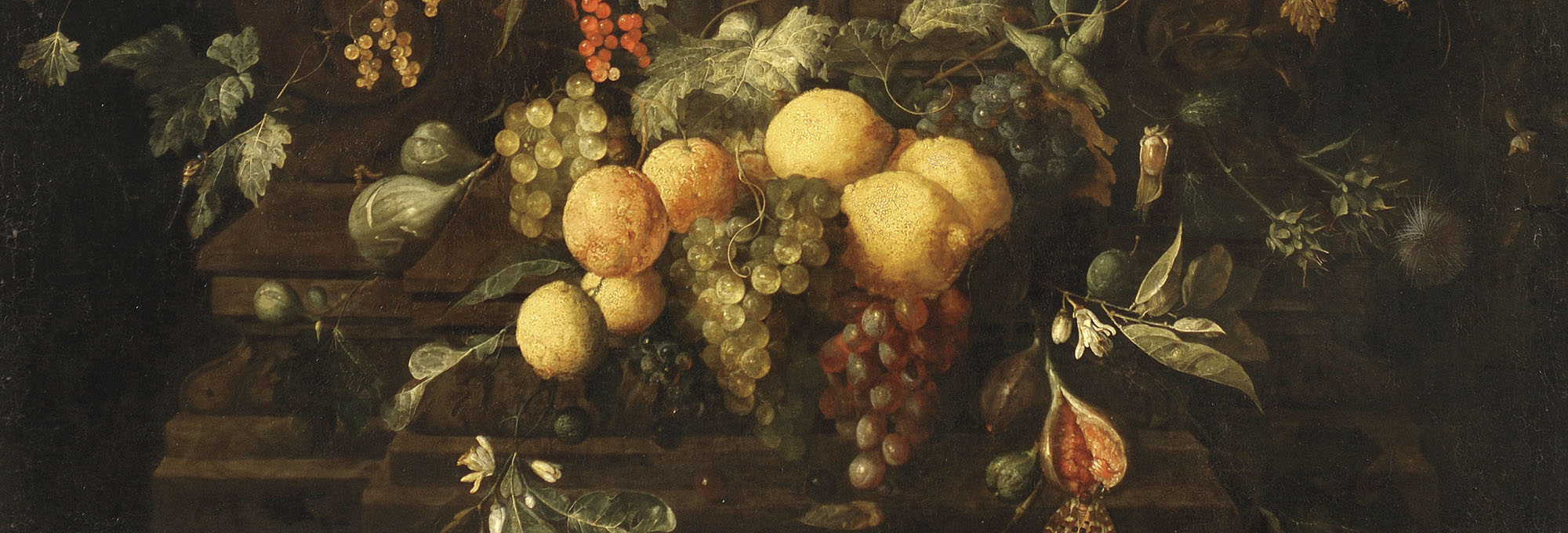
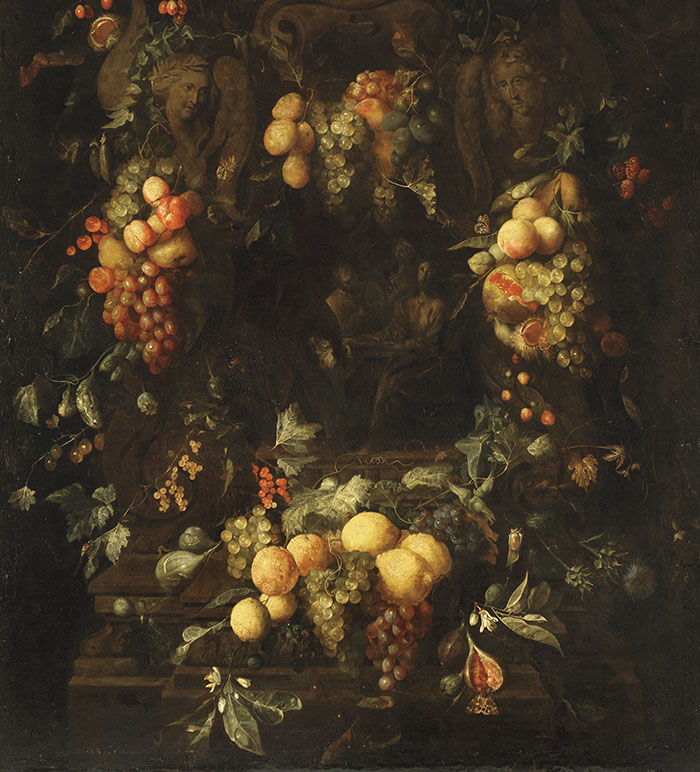
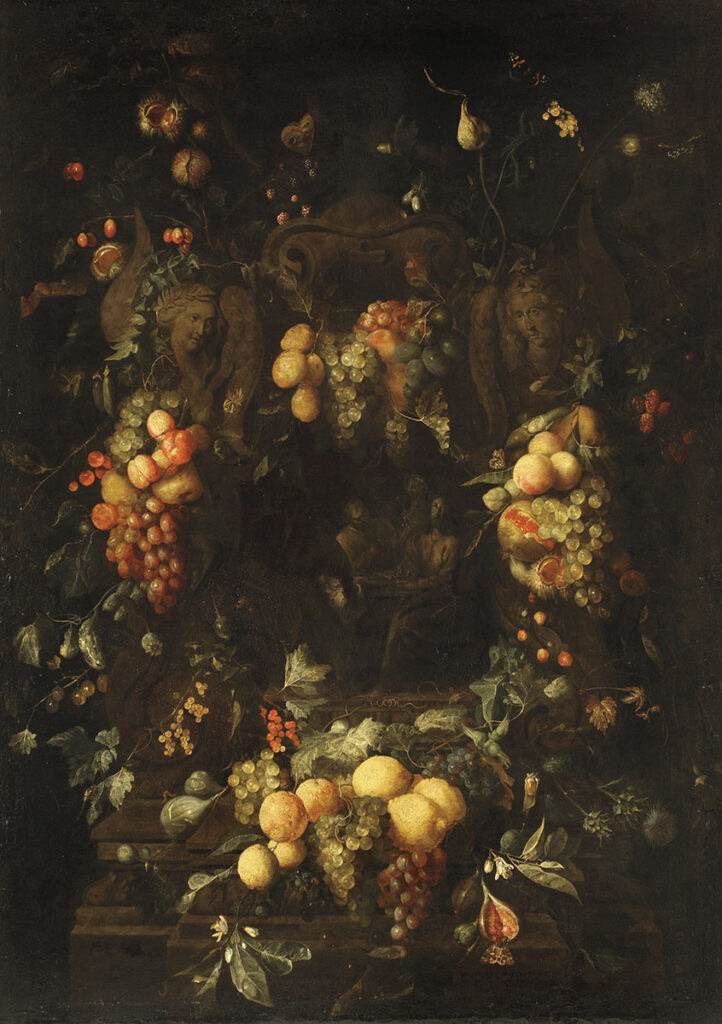
Several of the house’s rooms were decorated with expensive gold leather wallpaper. One such room contained 13 paintings, including two works described by the probate inventory as “painted by the deceased.” One of these, titled Still Life of Fruit with the Supper at Emmaus, is the only de Vries painting known to exist.