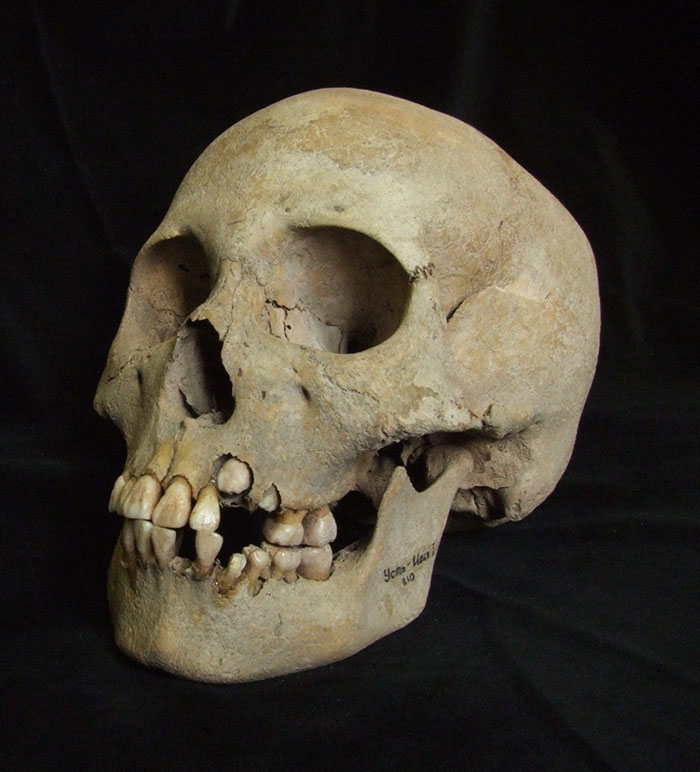
It can be easy to idealize the world of hunter-gatherers, and living in small family groups in places rich with natural resources, such as Siberia’s Lake Baikal—the world’s deepest lake—must have indeed had many benefits. Researchers have assumed that among these benefits was the absence of epidemics, the incidence of which is thought to have skyrocketed after the Neolithic Revolution. The growing density of agricultural populations at that time meant that farmers were exposed to animal-borne diseases.
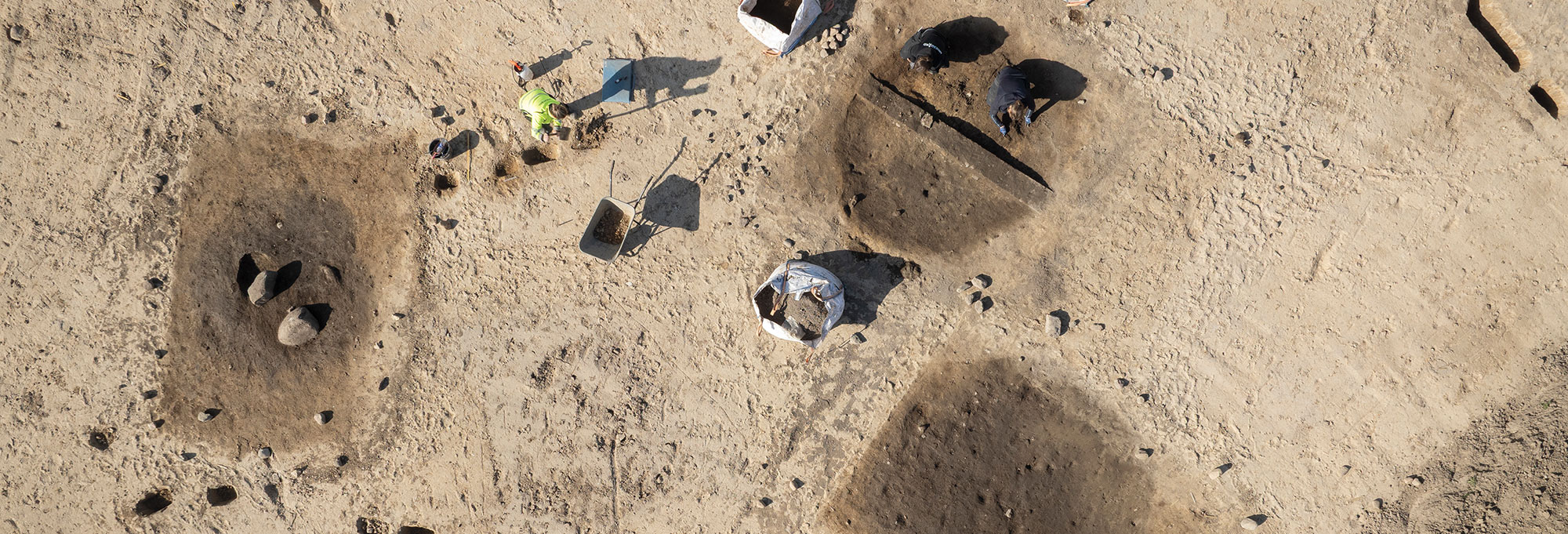
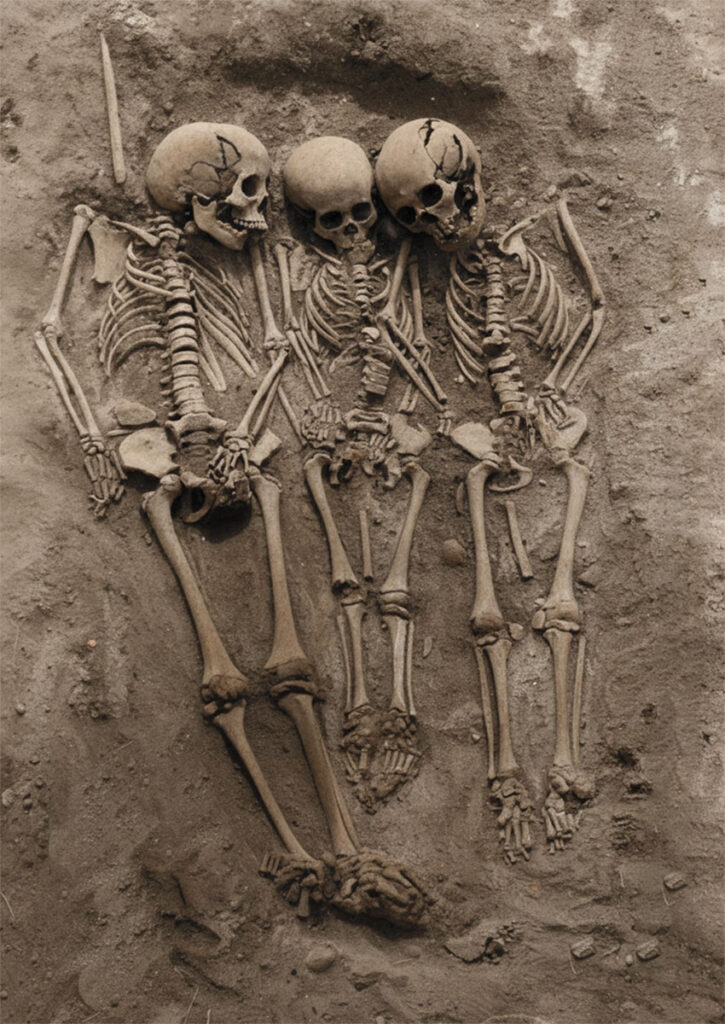
Researchers led by archaeogeneticist Ruairidh Macleod of the University of Oxford studying the DNA of hunter-gatherers buried in cemeteries near Lake Baikal have discovered evidence that, surprisingly, these people were devastated by at least two outbreaks of plague. One outbreak occurred 5,500 years ago, making it the world’s oldest known plague epidemic. The outbreak was caused by Yersinia pestis, the same bacterium that caused the Black Death in the fourteenth century. “This came as a complete surprise,” says Macleod. “We don’t expect mass mortality due to infectious disease in hunter-gatherers, in part because populations are so sparse. If someone got sick you could leave them behind and not expose an entire community.” The plague may have initially been contracted by people who consumed rodents, likely marmots, which are known to host Y. pestis. Genetic data shows that both outbreaks occurred within a single generation, wiping out much of the population. Mortality among children and adolescents was particularly high. Macleod says that one grave holding a trio of young girls—two sisters and their cousin—illustrates the horrible toll the disease took on the community. “They must have grown up together,” he says, “and died of plague at the same time.”