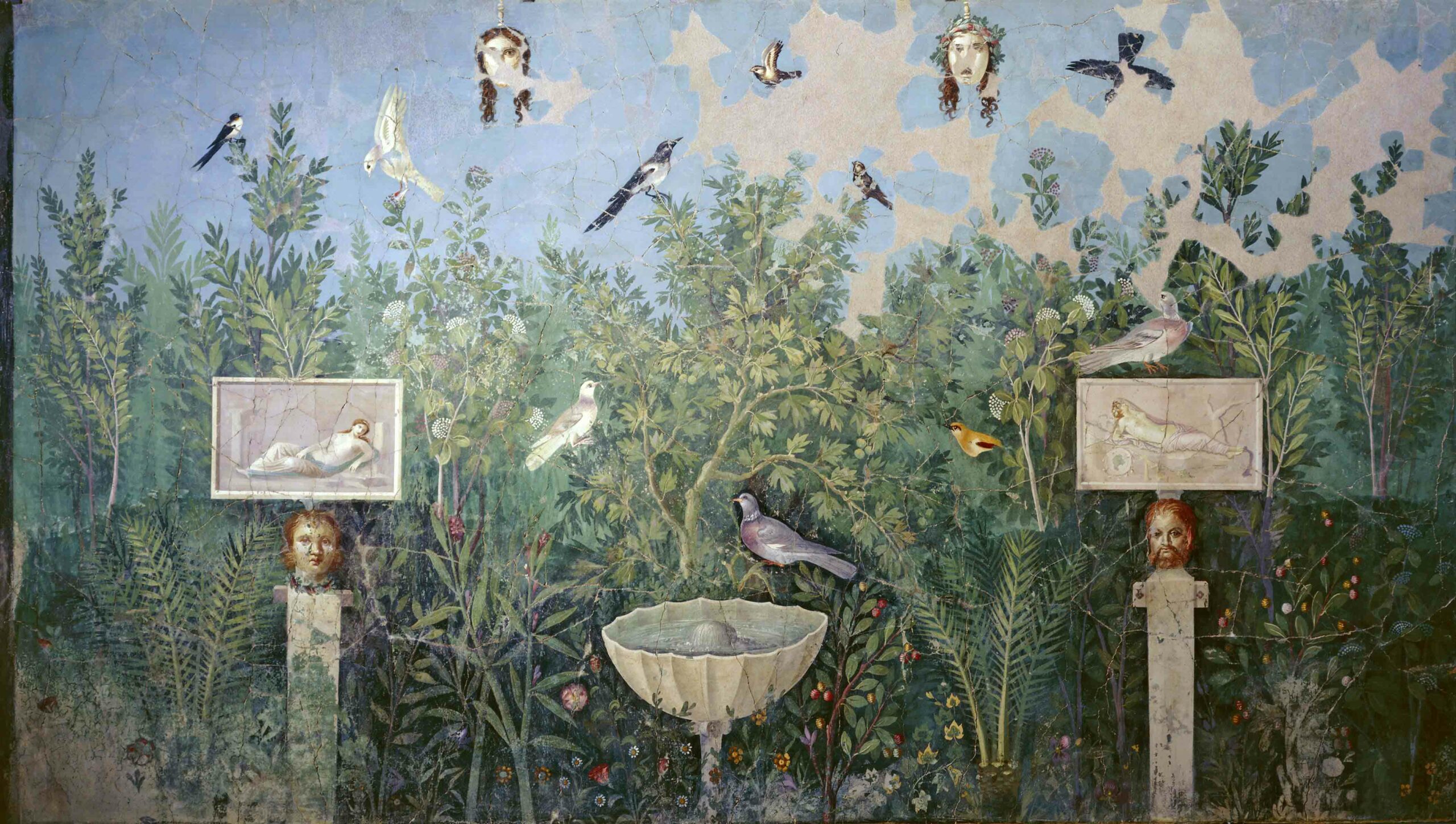
Pompeii is one of the most visited archaeological sites in the world. The extraordinarily well preserved remains of the Roman city buried by the eruption of Mount Vesuvius in A.D. 79—luxurious homes containing some of the finest ancient fresco paintings, street-side bars that provided the city's inhabitants with a quick snack, and still-standing temples, theaters, and brothels—attract more than 2.5 million visitors and bring in more than 30 million dollars annually.
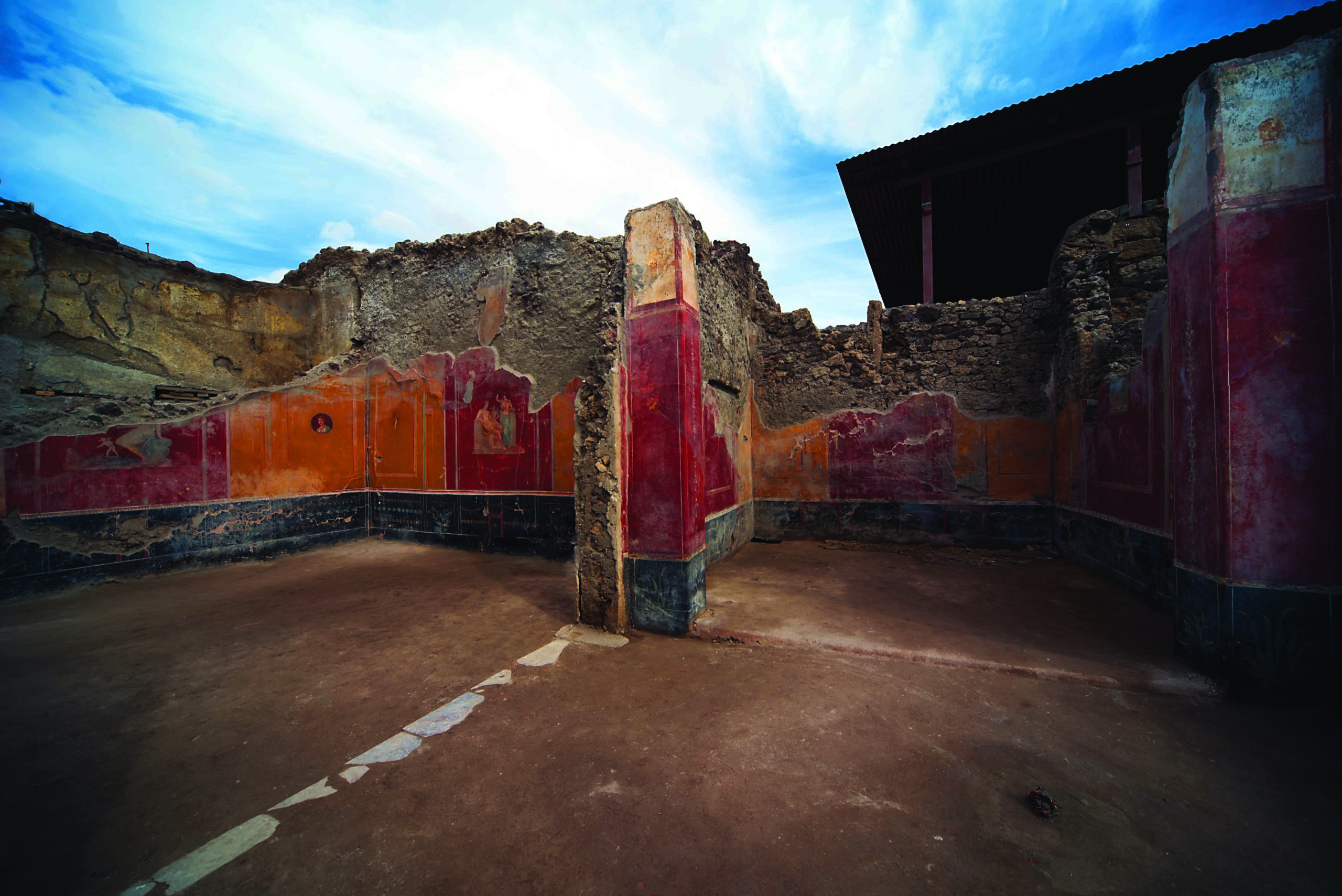
But the November collapse of the so-called "School of the Gladiators" and several ancient walls has once again thrown the spotlight on the reality that Pompeii is falling down. The primary cause of last year's collapses was days of torrential rain that taxed the city's drainage system and may have broken down some of the ancient mortar and weakened the walls. Just days after the collapses, a UNESCO team visited to see the damage and recommend how the site might best be preserved. As of this writing, they are scheduled to return for a second assessment.
Many Italian government officials in charge of protecting the country's cultural heritage, and scholars who work in and study the site, agree with archaeological superintendent Jeannette Papadopulos' evaluation. She says that the site, which includes thousands of buildings that are more than 2,000 years old and covers roughly 160 acres, is in "a constant state of emergency." Andrew Wallace-Hadrill, director of a major project to conserve the nearby site of Herculaneum, says, "These collapses are a warning to us of much, much worse collapses that could easily happen. The whole site [of Pompeii] is at risk."