Running Circles Around the Competition

Digs & Discoveries May/June 2026

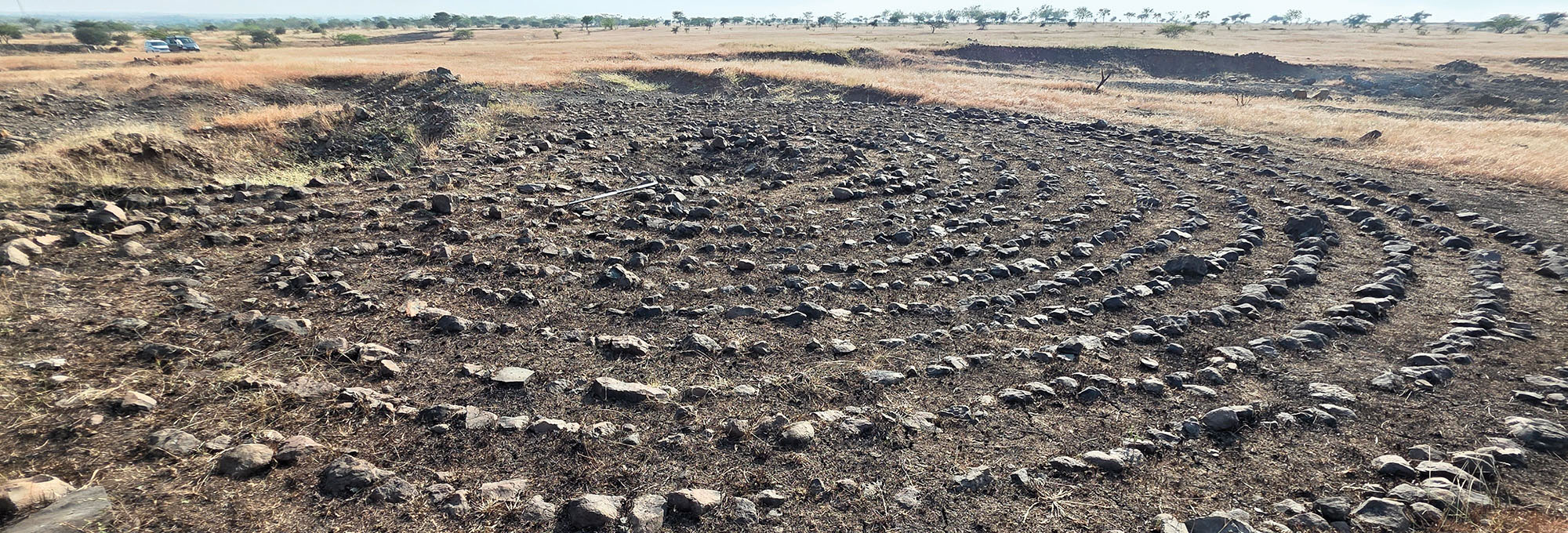
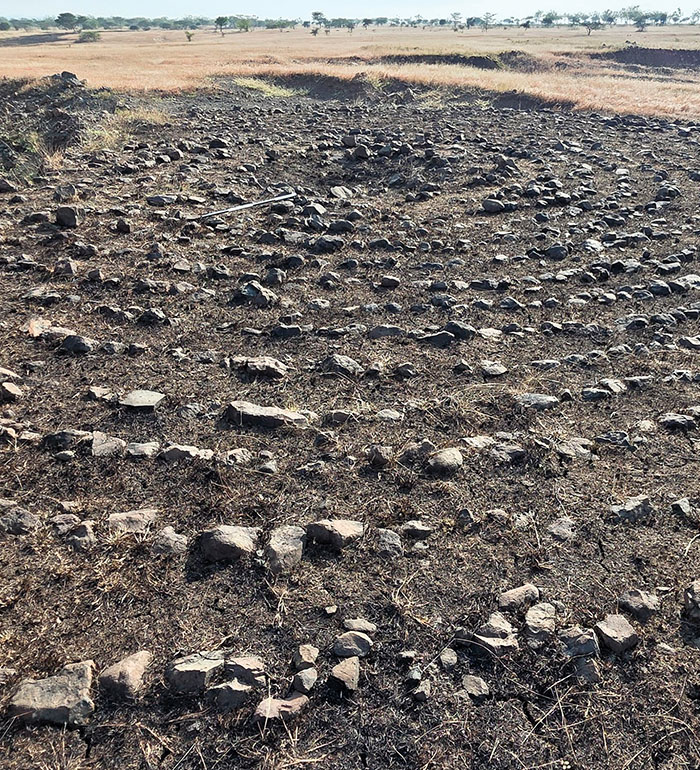
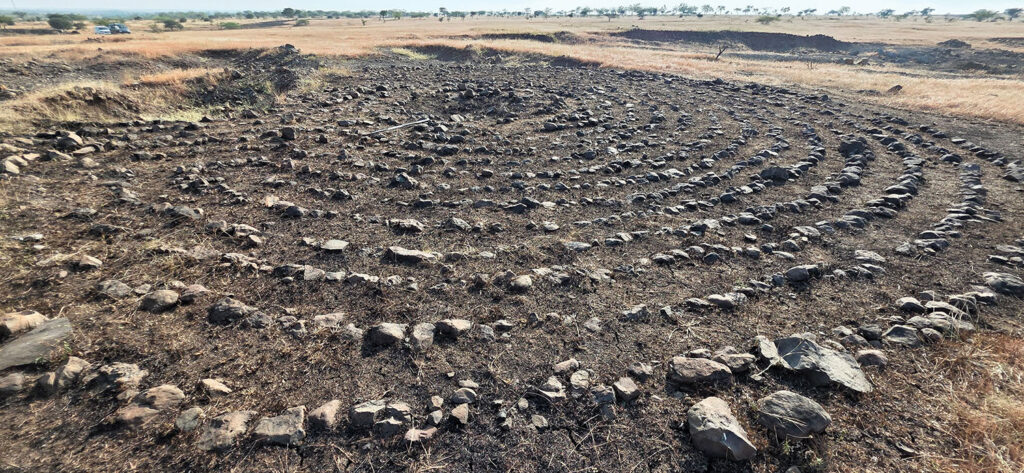
Labyrinth, Maharashtra State, India Labyrinth, Maharashtra State, India
Courtesy Sachin Patil
SHARE:

Archaeologists have identified a circular labyrinth in western India’s Maharashtra State measuring 50 feet in diameter with 15 concentric rings. The labyrinth was constructed from a single type of stone found in the area and is the largest such structure to have been discovered in India. Archaeologist Sachin Patil of Deccan College has linked the labyrinth to trade between India and Rome that flourished during the Satavahana Dynasty (ca. late second century b.c.–early third century a.d.). The labyrinth’s design closely resembles patterns found on coins from Crete, evidence of India’s ties to the ancient Mediterranean. Patil believes such labyrinths probably served as landmarks for Roman merchants traveling along the western coast of Maharashtra to the rest of India. The merchants traded gold, wine, and ornamental items from Rome for Indian silk, indigo dye, and spices. “The discovery is vital,” says Patil, “as it has corroborated historical narratives of the region being a major hub for foreign trade.”
  • Features May/June 2026

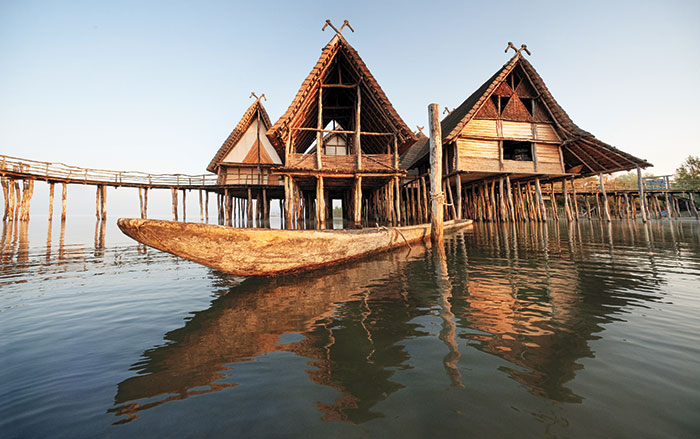
    Pioneers of Lakefront  Living

    Why Neolithic and Bronze Age farmers in the Alps built their villages on stilts

    Read Article
    Modern replicas of Bronze Age houses in Lake Constance
    © APM/Frank Müller
  • Features May/June 2026

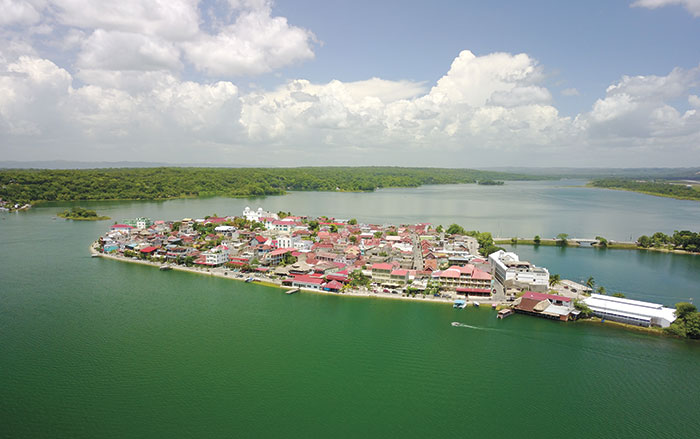
    The Last Maya Kingdom

    On the shores of a lake in Guatemala, the Itzá people defied the Spanish for nearly 200 years

    Read Article
    Flores Island, Guatemala
    Courtesy Timothy Pugh/Itzá Archaeological Project
  • Features May/June 2026

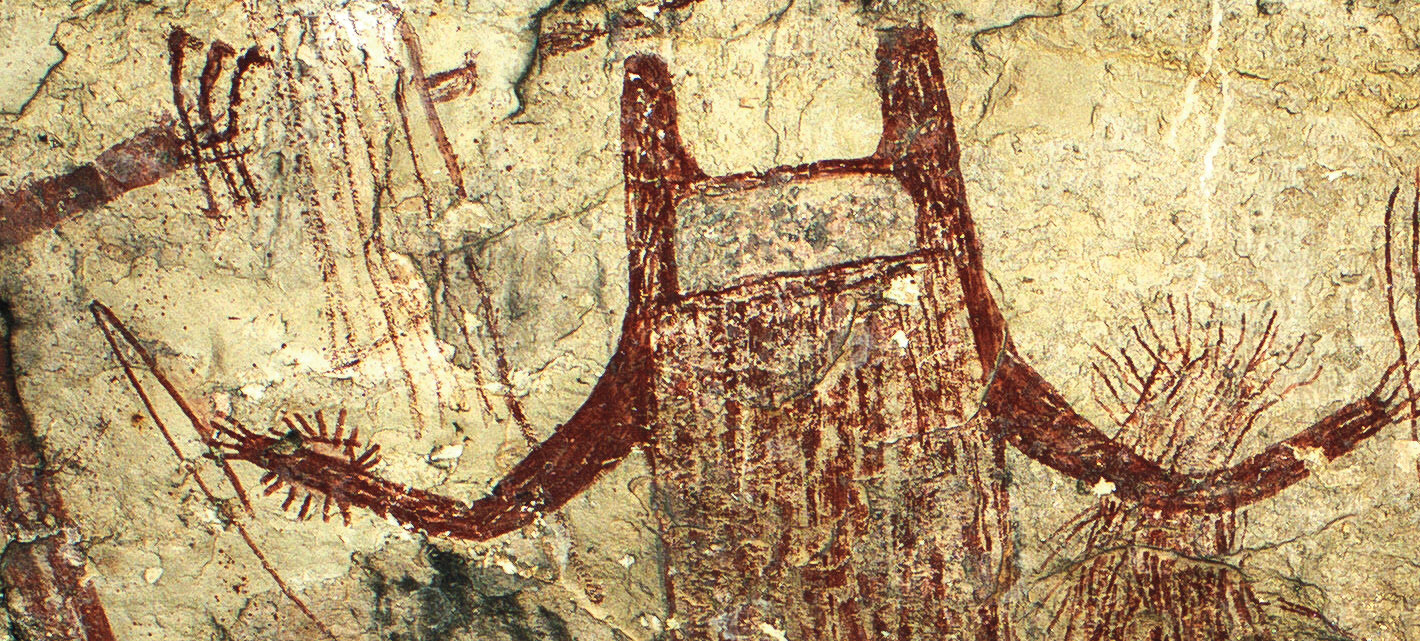
    Art for the Ages

    A surreal style of painting endured for 4,000 years in the canyonlands of West Texas

    Read Article
    Shumla Archaeological Research and Education Center Archive
  • Features May/June 2026

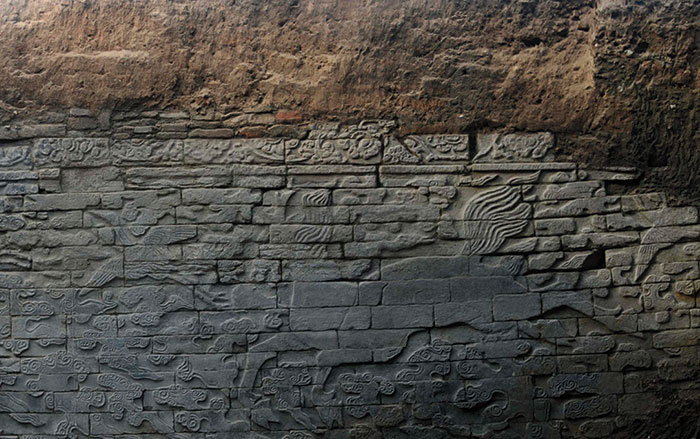
    Bridge to the Past

    The Yellow River brought both prosperity and calamity to China’s dazzling medieval capital By Ling Xin

    Read Article
    Henan Provincial Institute of Cultural Heritage and Archaeology