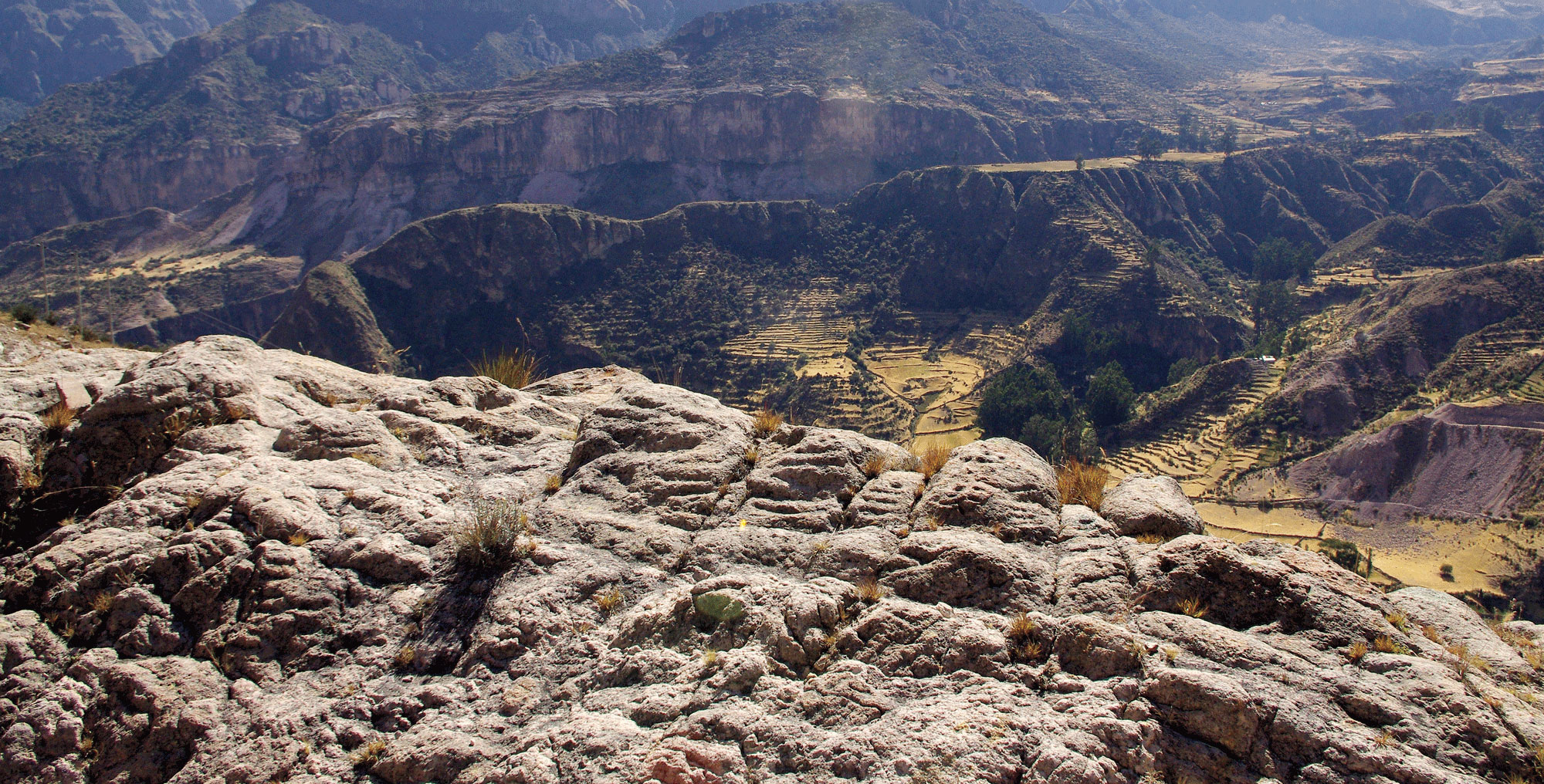
Some 7,000 ancient cone-shaped stone towers called nuraghi dot the island of Sardinia. These structures lend their name to the Nuragic people, who built them between 1700 and 1100 b.c., during the Bronze Age. Scholars question whether Nuragic people used the towers primarily as residences, ritual buildings, gathering places, or defensive structures.
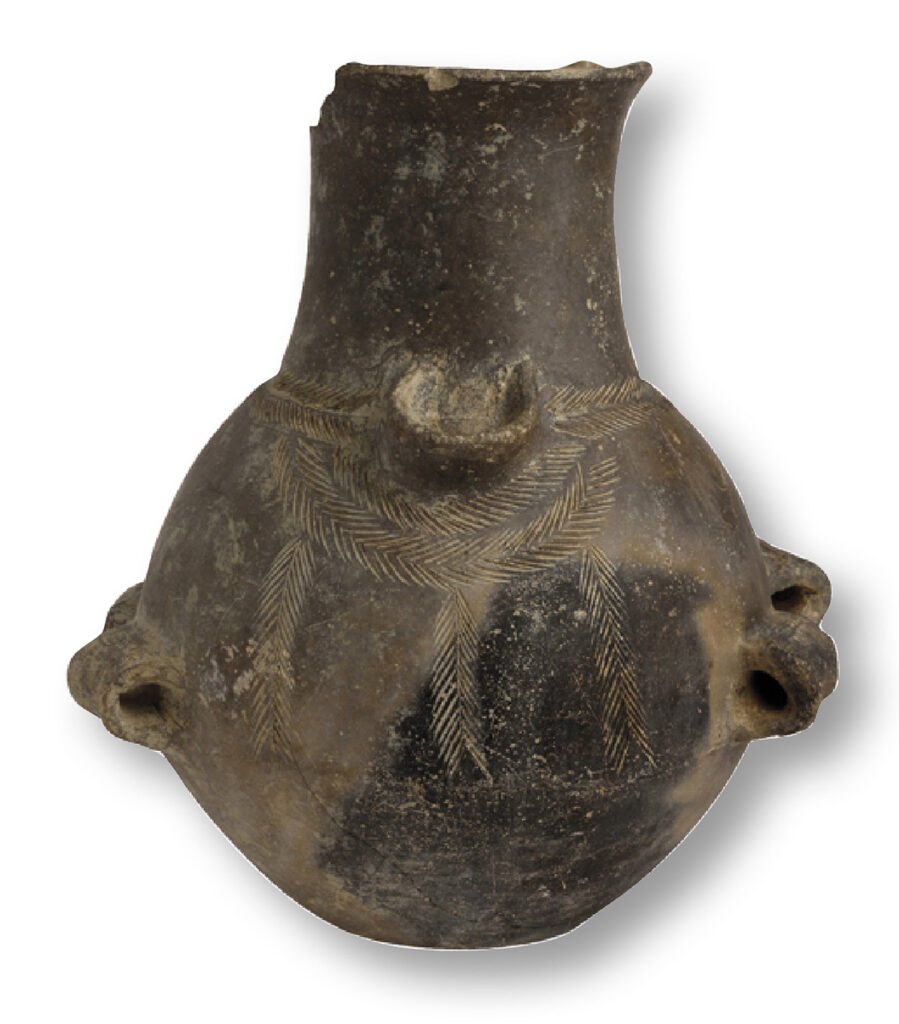
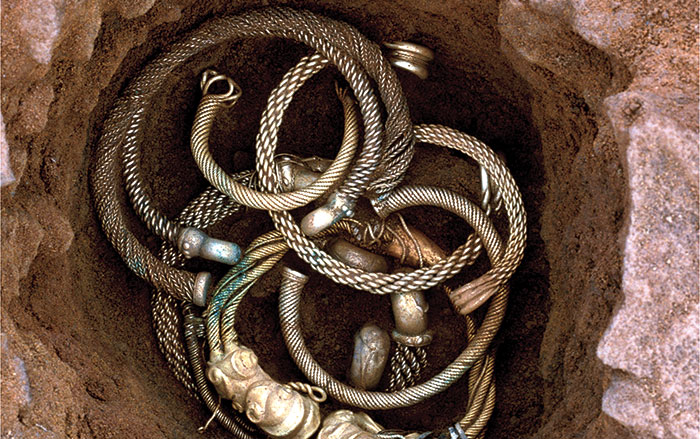
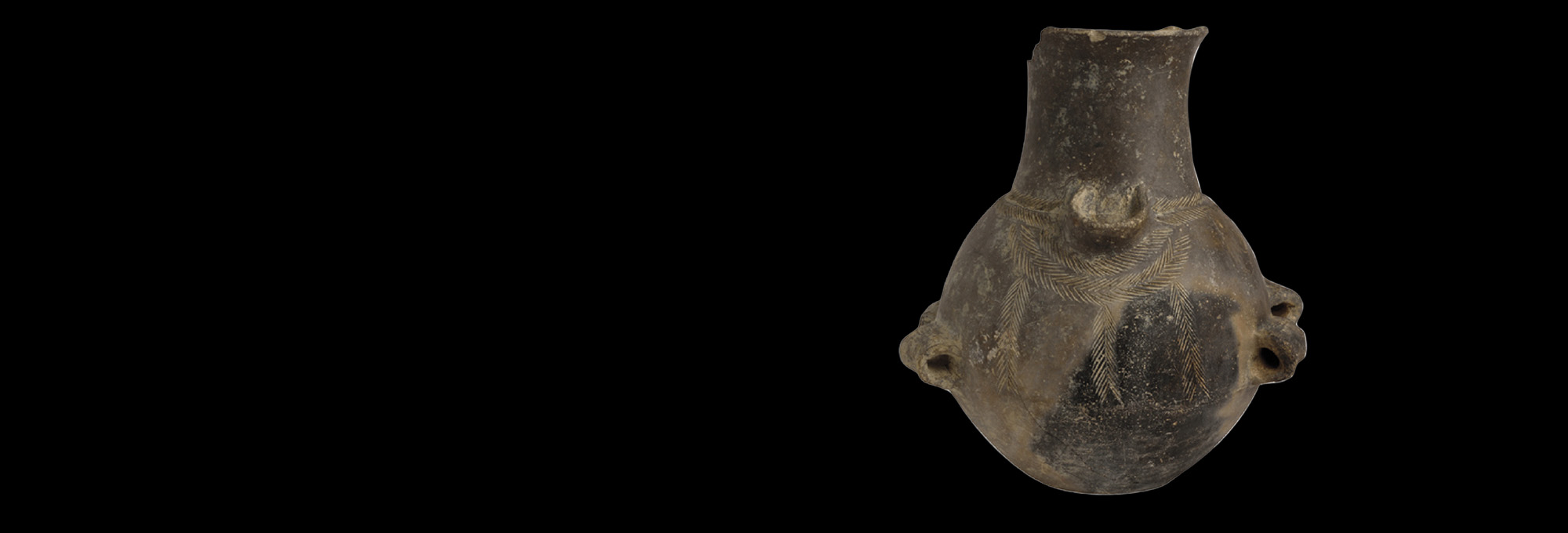
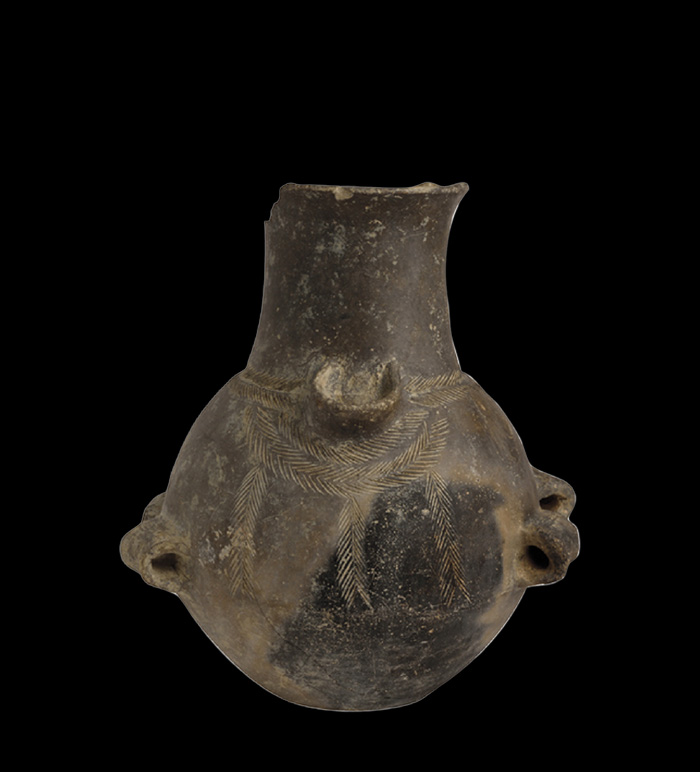
A team from the Superintendency of Archaeology, Fine Arts, and Landscape for the Metropolitan City of Cagliari and Provinces of Oristano and South Sardinia has discovered evidence of ritual activity dating to the Early Iron Age (930–850 b.c.) at Nuraghe Barru, a tower complex in southern Sardinia. Inside a chamber at the base of one of the towers, the team uncovered an 11-foot-deep cistern sealed with limestone slabs. At the bottom of the cistern, they found both broken and intact ceremonial ceramic vessels, including a decorated four-handled jug. Along a staircase leading up from the chamber, archaeologists unearthed a three-foot-long ceremonial bronze sword and other bronze artifacts that are believed to be razors. Researchers concluded that, after these items were deposited as offerings, the stairway was sealed off, obstructing access to the tower’s upper floor.
Archaeologist Silvia Amicone of the University of Tübingen and her colleagues have determined that many of the ceramics found in the cistern were produced by people living as far as 25 miles away from Nuraghe Barru. “The predominance of nonlocal pottery suggests that the site was connected to a wider regional network of communities at the end of the Bronze Age and into the Early Iron Age,” Amicone says. “These votive deposits point to Nuraghe Barru’s importance as a ritual site.” The razor-like objects are similar to those commonly found on the Italian peninsula, evidence of Nuragic people’s connections to groups on the mainland.