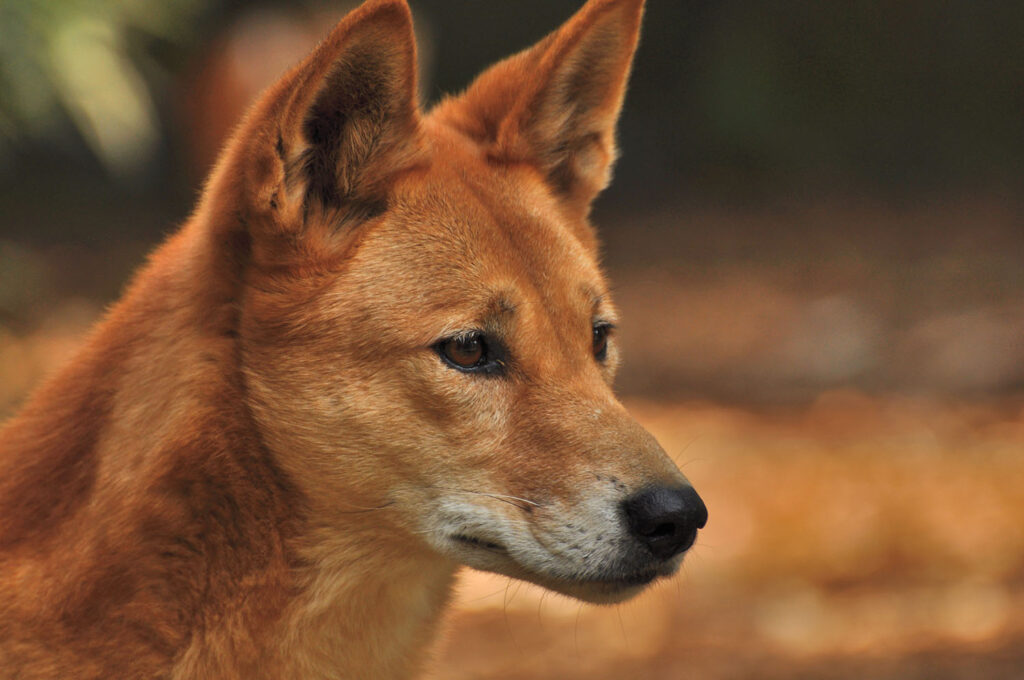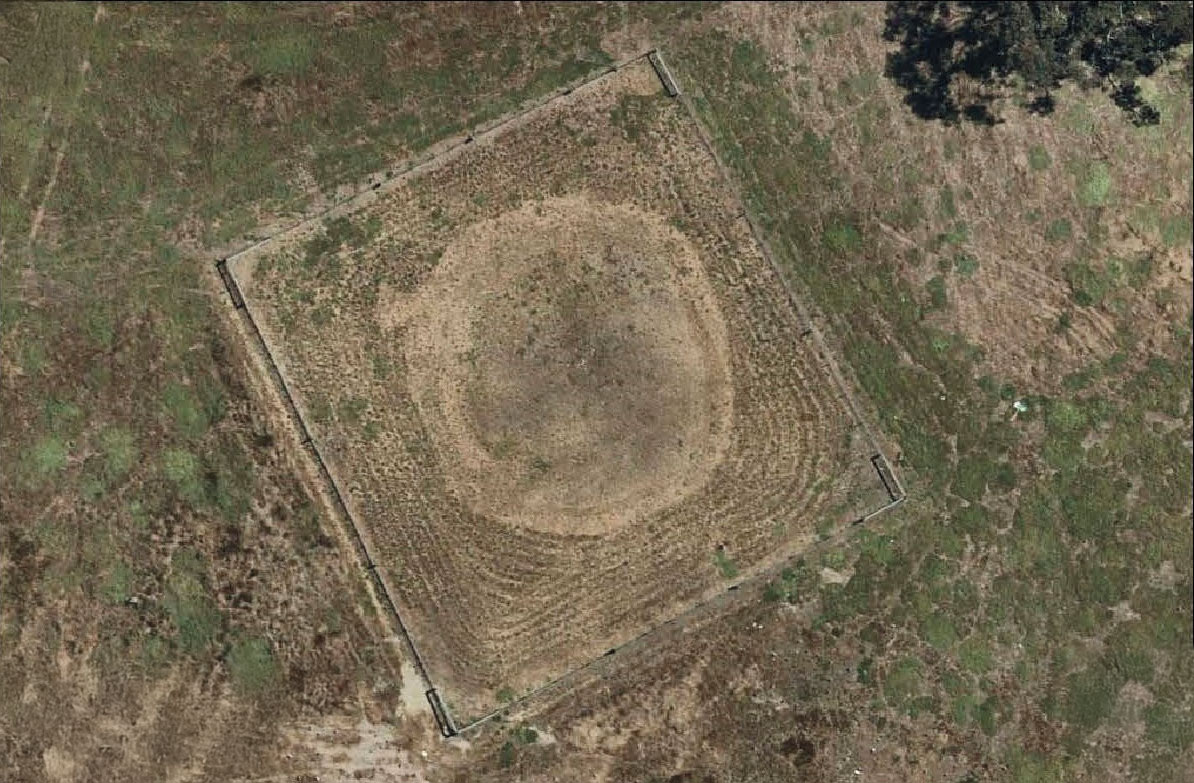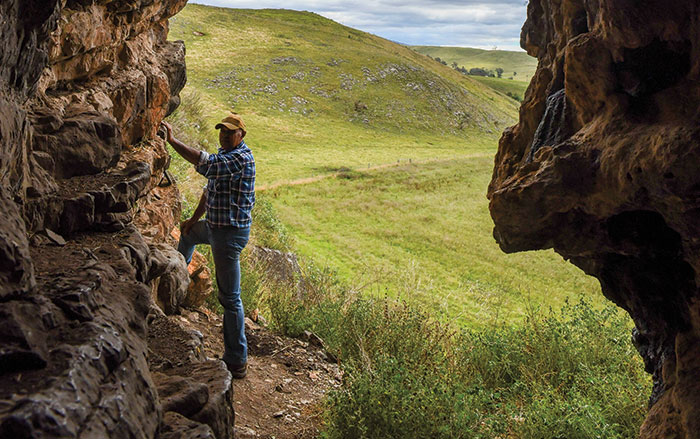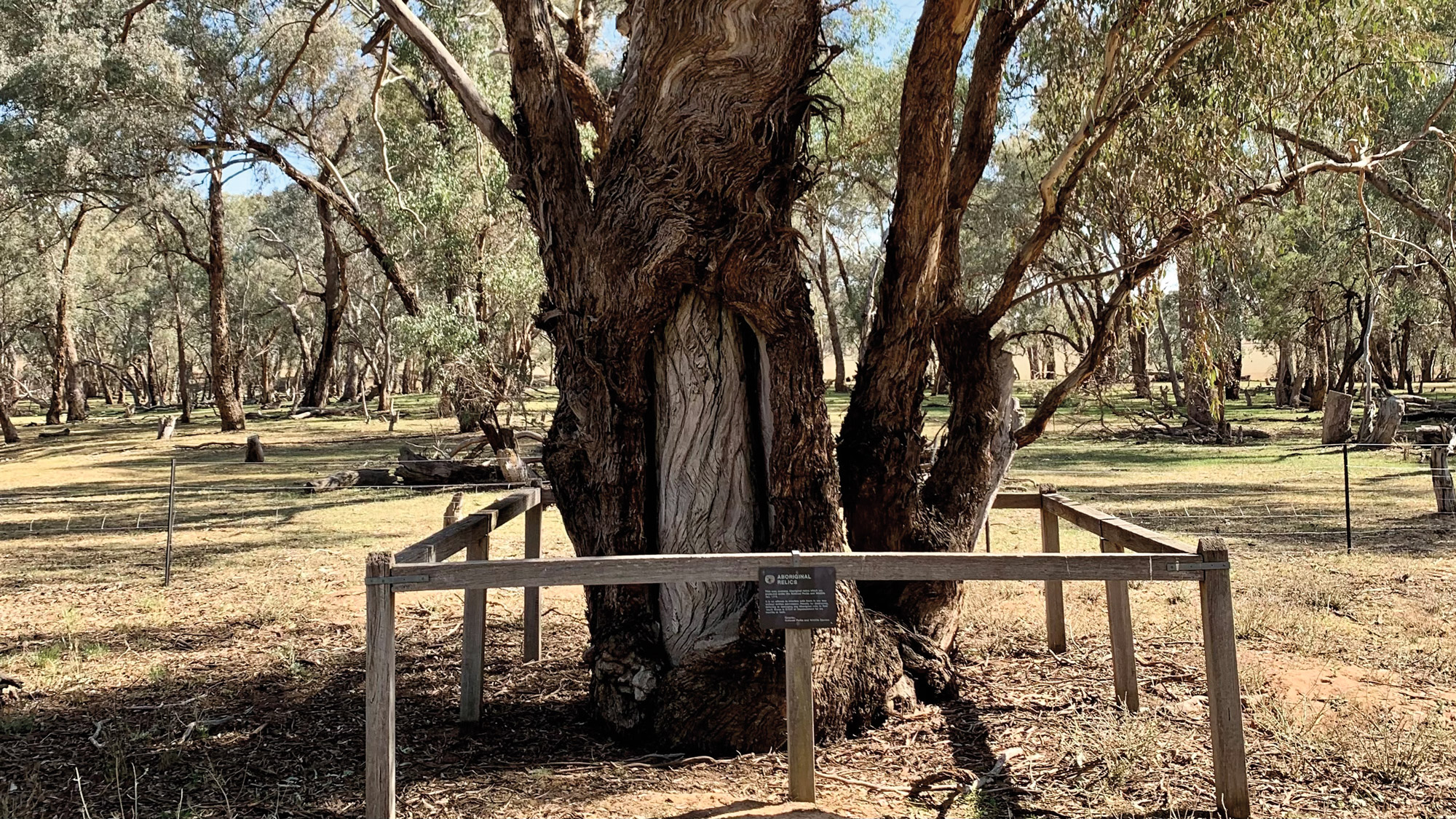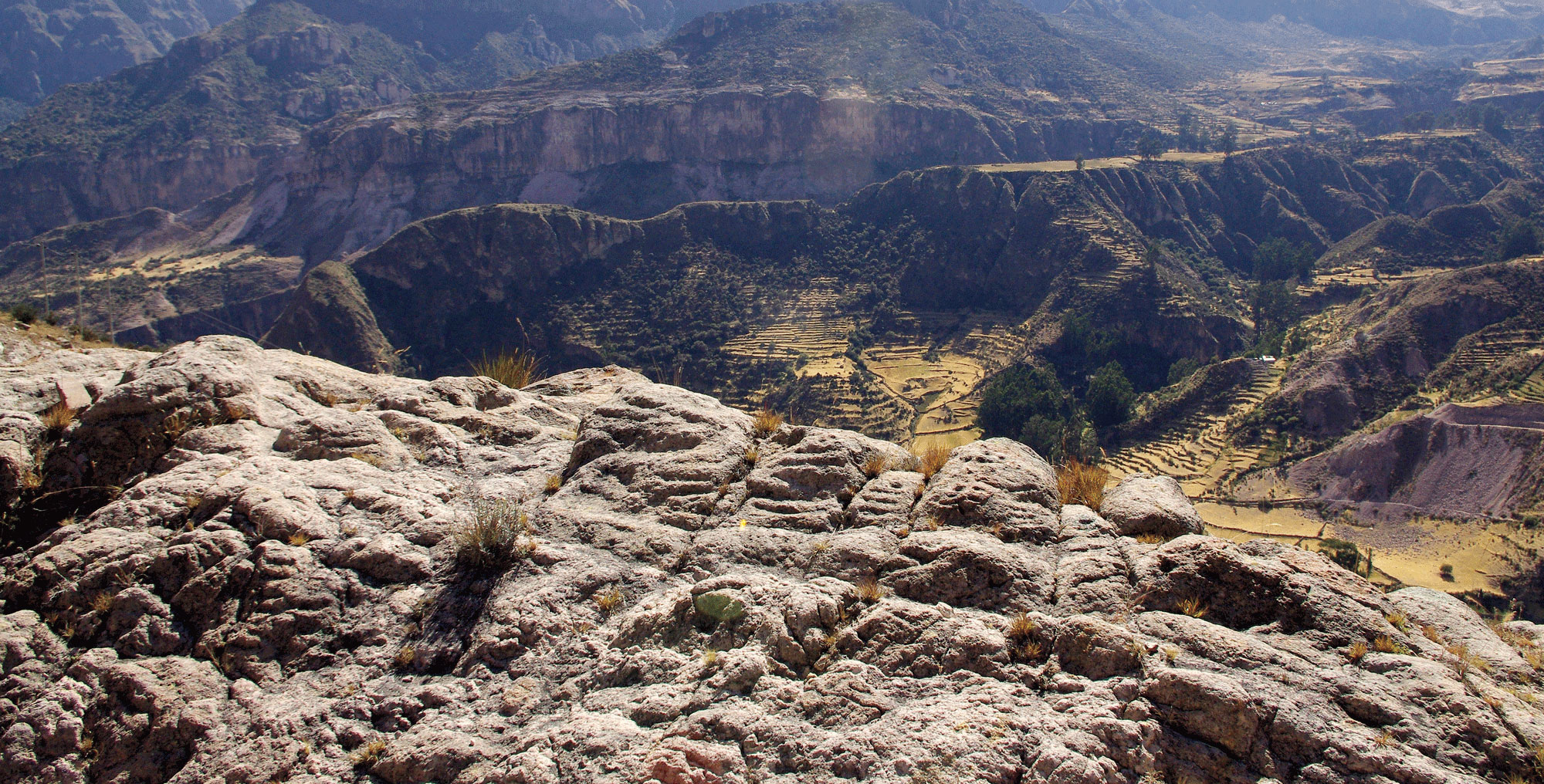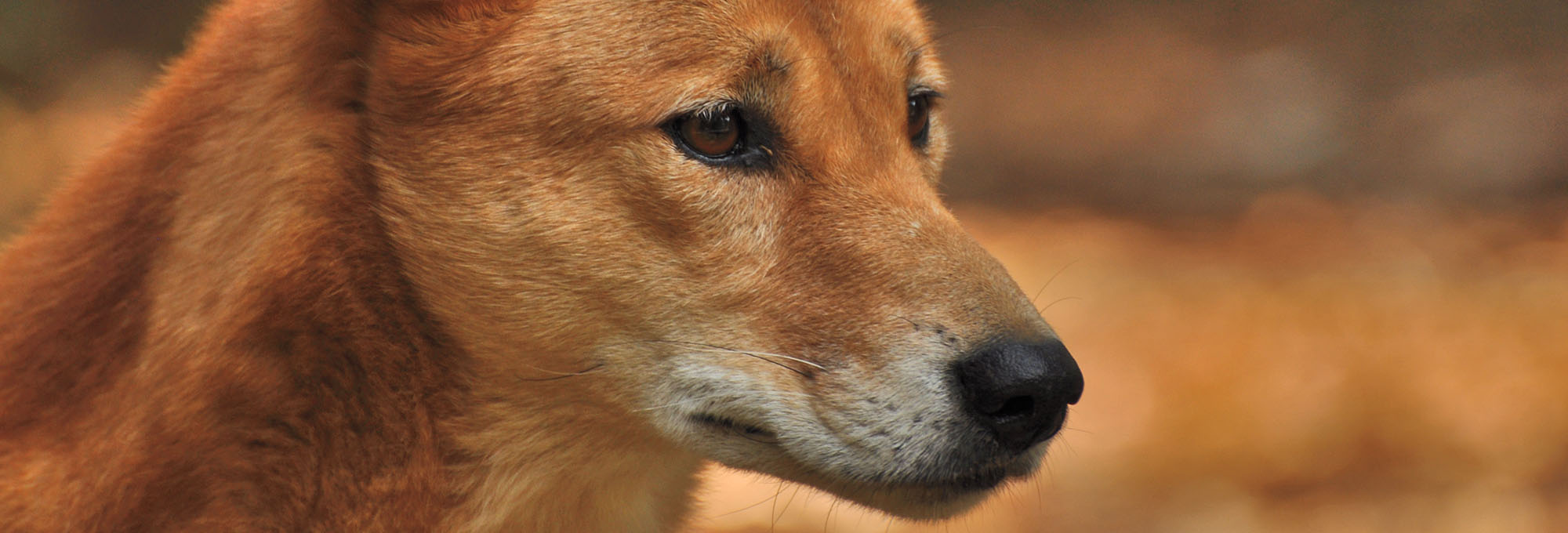
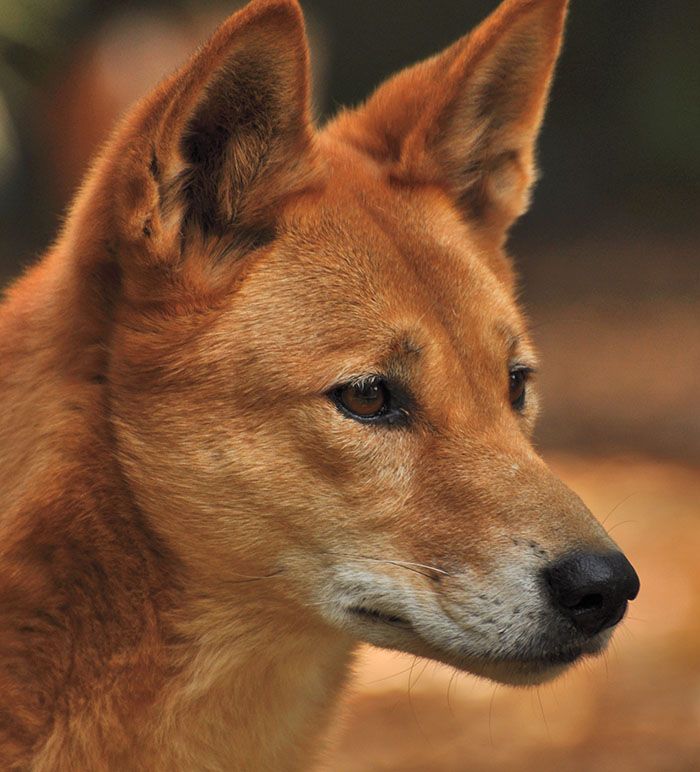
A 1,000-year-old burial of a male dingo in a midden along the Darling River, in what is now southeastern Australia’s Kinchega National Park, is offering a glimpse of the deep bonds between ancestors of the Aboriginal Barkindji people and the hardy canines. Barkindji Elder Uncle Badger Bates and archaeologist Dan Witter of the New South Wales National Parks and Wildlife Service discovered the dingo’s remains some 25 years ago. The burial was left in place until 2023, when flooding threatened to wash it away. At the request of the Menindee Aboriginal Elders Council, a team including archaeologist Amy Mosig Way of the Australian Museum, archaeologist Loukas Koungoulos of the University of Western Australia, Barkindji custodian Dave Doyle, and Barkindji Elder Barb Quayle excavated the burial and part of the surrounding midden. Analysis of the dingo’s bones revealed that he was more than four years old, an advanced age for a dingo living in the wild. The dingo’s heavily worn molars indicate that he frequently gnawed on bones rather than chewing on meat, as wild dingoes do. This suggests that he was fed by people or scavenged food from human settlements. The dingo suffered traumatic injuries, including a broken leg and ribs, but they had healed by the time of his death, suggesting that ancestral Barkindji people tended to him as he recovered.
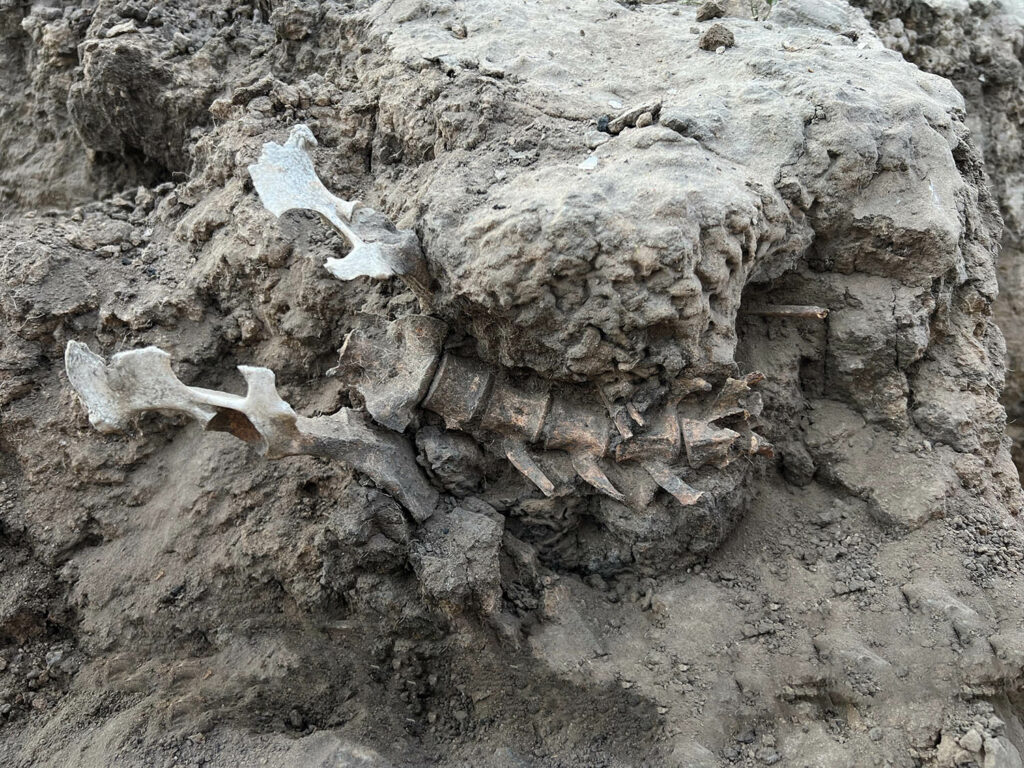
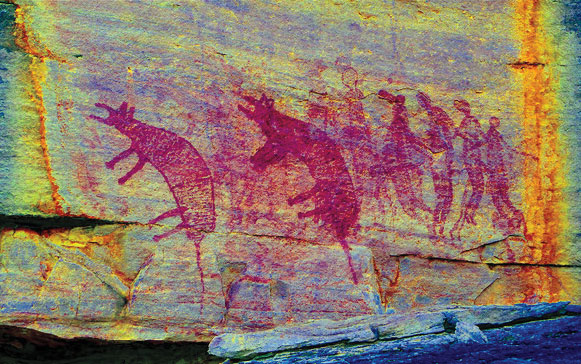
The team also unearthed shells of freshwater mussels and other mollusks that were left at the time of the burial. People kept adding shells and bones of small animals for some 500 years. “This is effectively a purpose-built midden that was started when the dingo was buried, and then added to for generations,” Way says. Barkindji Elders believe this practice may represent a “feeding” ritual meant to honor the cherished dingo. Koungoulos views the burial as a testament to the strong relationship between Indigenous people and their tamed dingoes. “The care shown for them is similar to that of human members of the family,” he says. “By all accounts, dingoes were very well loved, and people were extremely upset when they passed away, giving them the same funeral rites as people.”