CHARLESTON, SOUTH CAROLINA—Two hundred years ago this week, the U.S. Revenue Cutter Gallatin exploded due to an accident and sank in Charleston Harbor. Three crew members were killed and five were severely injured. The Gallatin had been charged with enforcing maritime regulations and conducting incoming cargo inspections for the Treasury Department, and during the War of 1812, performing combat patrols and seizing enemy ships. Archaeologists will use side-scan sonar to look for the wreckage and the ship’s eight cannons. “The odds are long. If we don’t look, we’ll never know,” said Jim Spirek of the South Carolina Institute of Archaeology and Anthropology.

Archaeologists Seek War of 1812 Ship
News April 2, 2013
Recommended Articles
Features July/August 2026
Egypt's First Queen
How a trailblazing ruler pulled her realm back from the brink
Features July/August 2026
Secrets of the Serpent
Is a Native American origin story embedded in Ohio’s colossal earthwork?
Features July/August 2026
Slinging Insults
Greek and Roman soldiers fired pointed barbs at their enemies
Features July/August 2026
Inside Africa’s Houses of Stone
Archaeologists are rethinking how kings shared power beyond the great capitals of medieval Zimbabwe
-
Features March/April 2013
Pirates of the Original Panama Canal
Searching for the remains of Captain Henry Morgan's raid on Panama City
(Courtesy Captain Morgan Rum Co.) -
Features March/April 2013
A Soldier's Story
The battle that changed European history, told through the lens of a young man’s remains
(Courtesy Dominique Bosquet) -
Letter From Cambodia March/April 2013
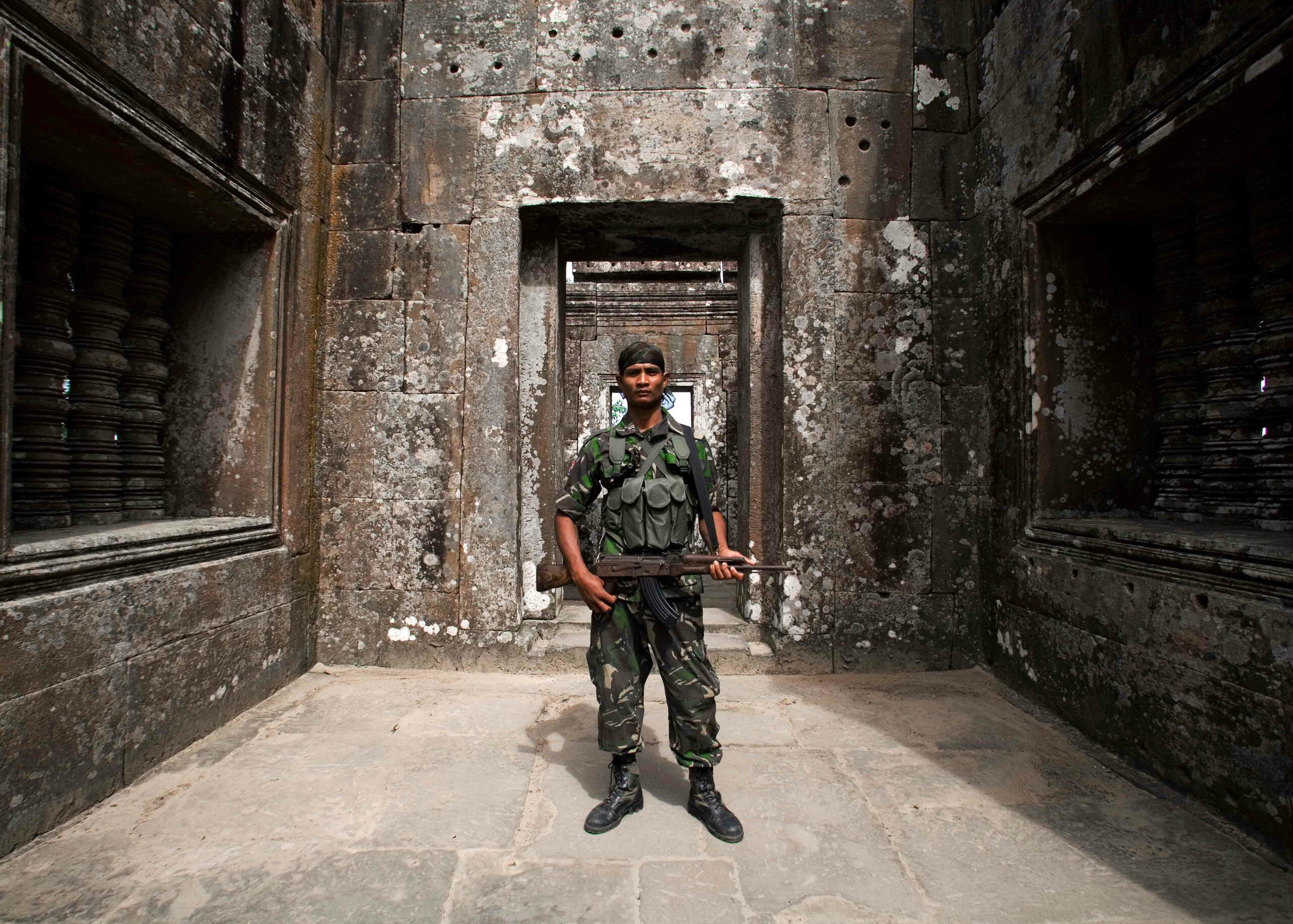
The Battle Over Preah Vihear
A territorial dispute involving a 1,100-year-old Khmer temple on the Thai-Cambodian border turns violent
(Masuru Goto) -
Artifacts March/April 2013
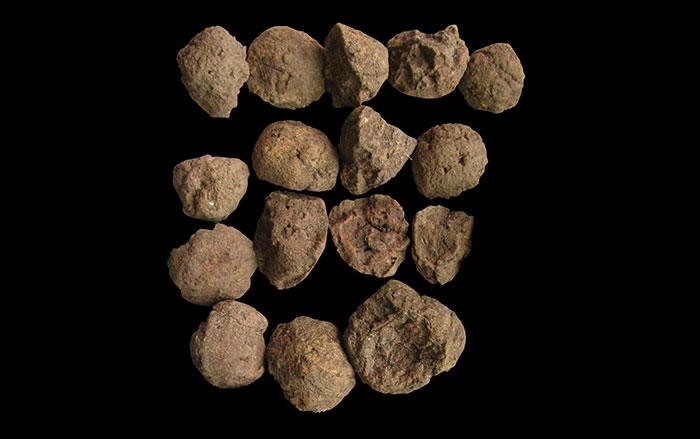
Pottery Cooking Balls
Scientific analyses and experimental ARCHAEOLOGY determine that mysterious, 1,000-year-old balls of clay found at Yucatán site were used in cooking
(Courtesy Bolonchen Regional Archaeological Project)