

CHICAGO, ILLINOIS—A new analysis of The Gospel of Judas suggests that the Coptic document may have indeed been made in the third century A.D. Microscopist Joseph Barabe of McCrone Associates and a team of researchers tested the chemical composition of the inks and examined how the document was put together. The presence of brown and black inks had led them to suspect that the document was a forgery, but a French study of other third-century Egyptian documents shows that ink technology was changing at that time, in a way consistent with the inks used in The Gospel of Judas. In addition, if someone had been trying to create a new document on an ancient-looking papyrus, the new ink would have gathered in its wrinkles. But, it appears that the ink and papyrus of the document aged together naturally. “There was definitely a point where, all of a sudden, I just kind of relaxed and said, ‘This is probably just fine,” Barabe remembers.
Papyrus Document “Lacks Red Flags”
News April 8, 2013
Recommended Articles
Model Homes March/April 2026
Doorways for the Dead
LOCATION: Thebes, Egypt
DATES: Ca. 1981–1975 b.c.
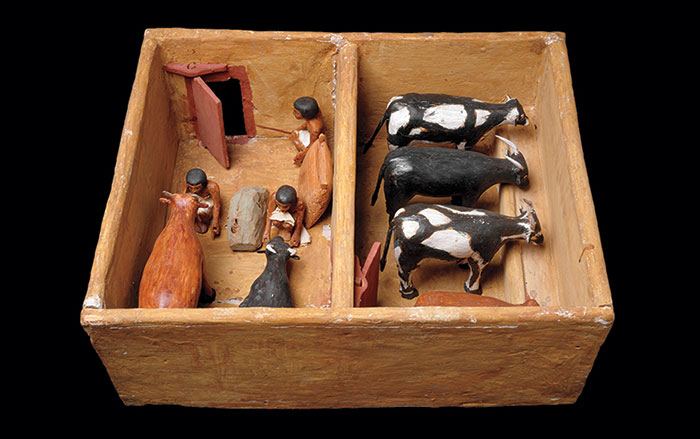
Model Homes March/April 2026
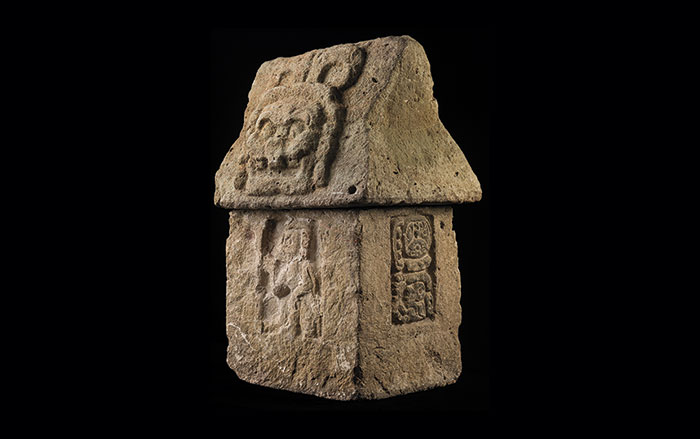
A Maya God’s Humble Abode
LOCATION: Copán, Honduras
DATE: Ca. a.d. 700–850
More to Discover
Features March/April 2013
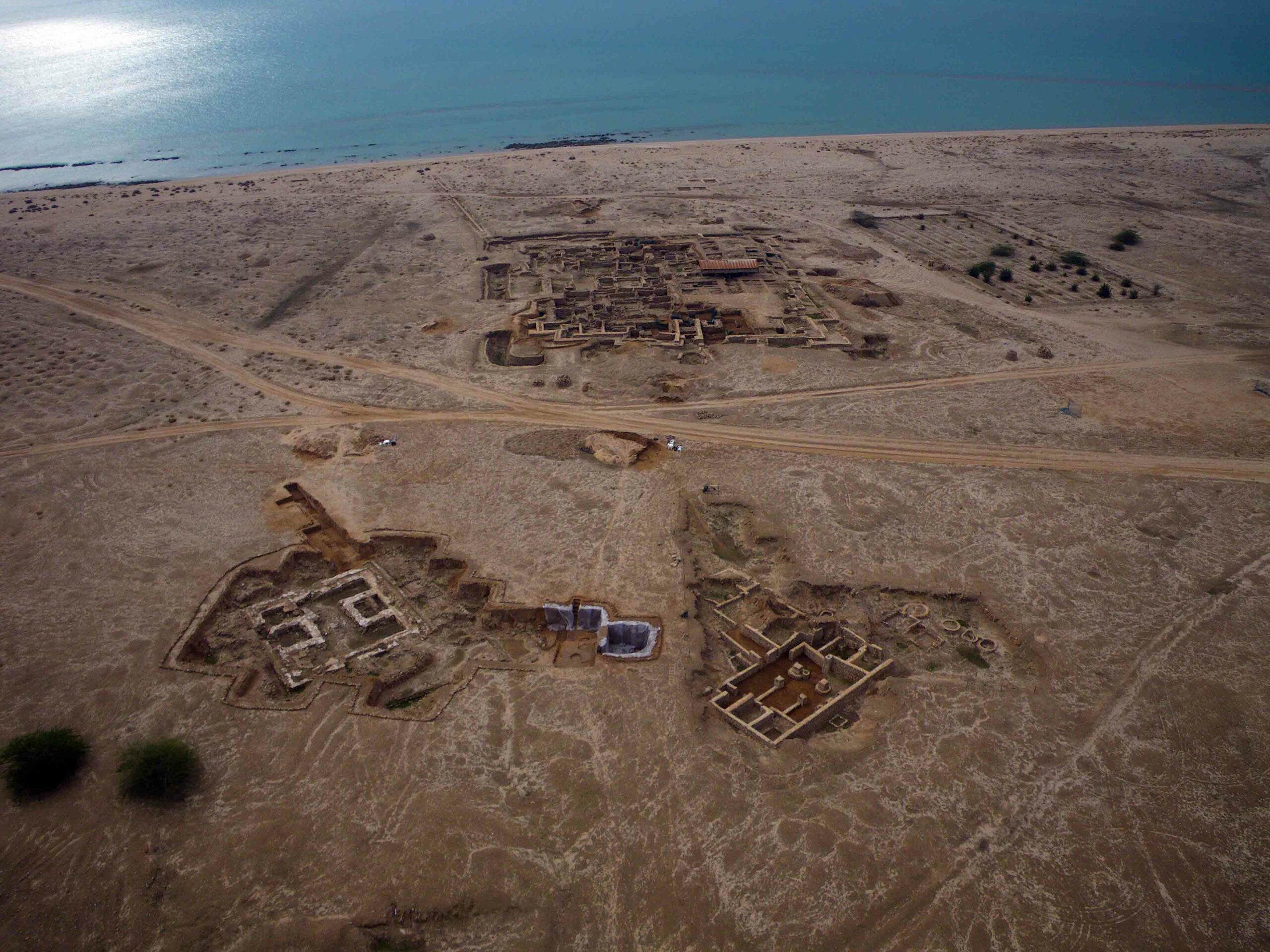
Archaeology Island
More than 4,000 years of history in only 16 square miles
-
Features March/April 2013
Pirates of the Original Panama Canal
Searching for the remains of Captain Henry Morgan's raid on Panama City
 (Courtesy Captain Morgan Rum Co.)
 -
Features March/April 2013
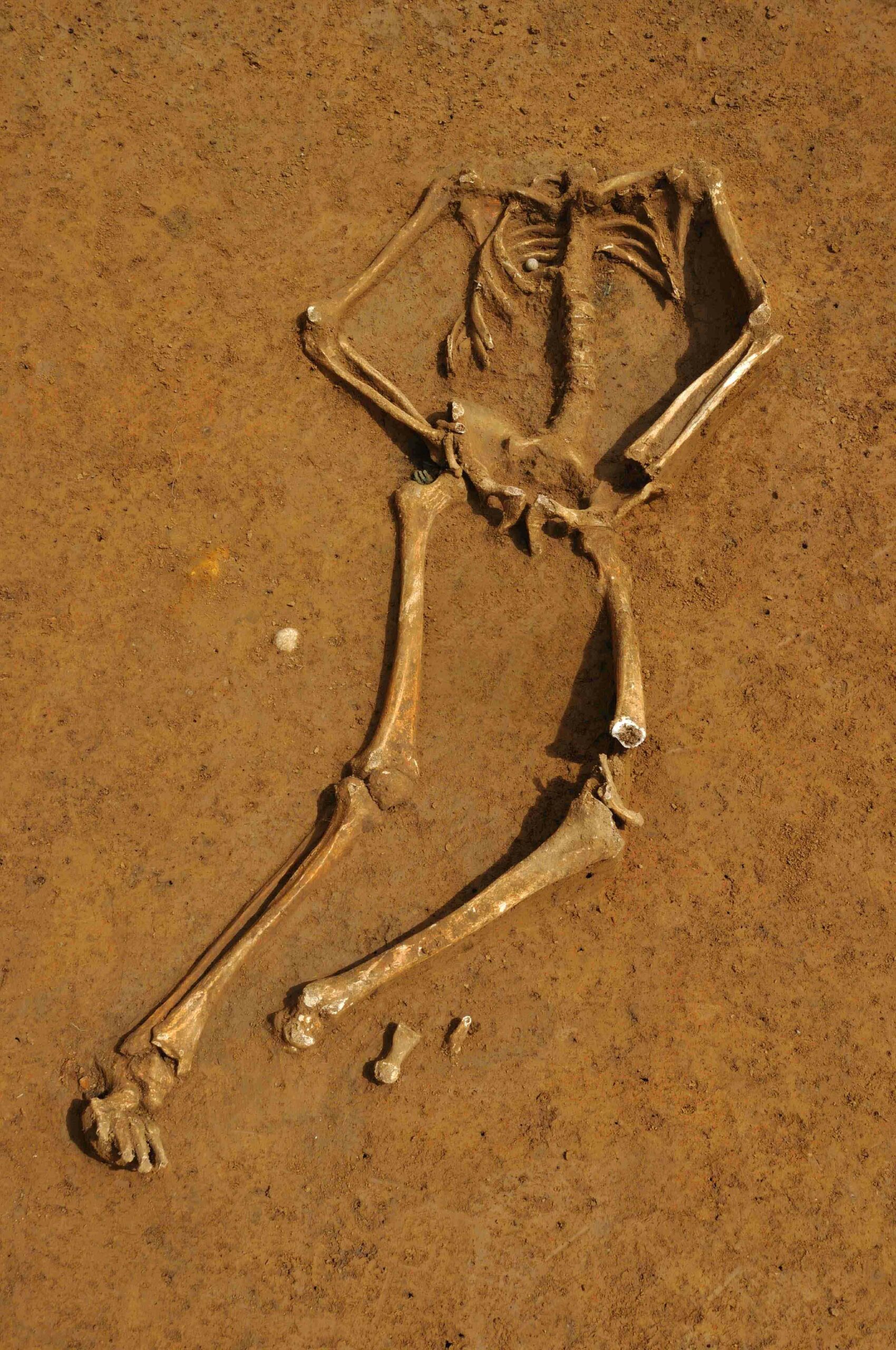
A Soldier's Story
The battle that changed European history, told through the lens of a young man’s remains
 (Courtesy Dominique Bosquet)
 -
Letter From Cambodia March/April 2013
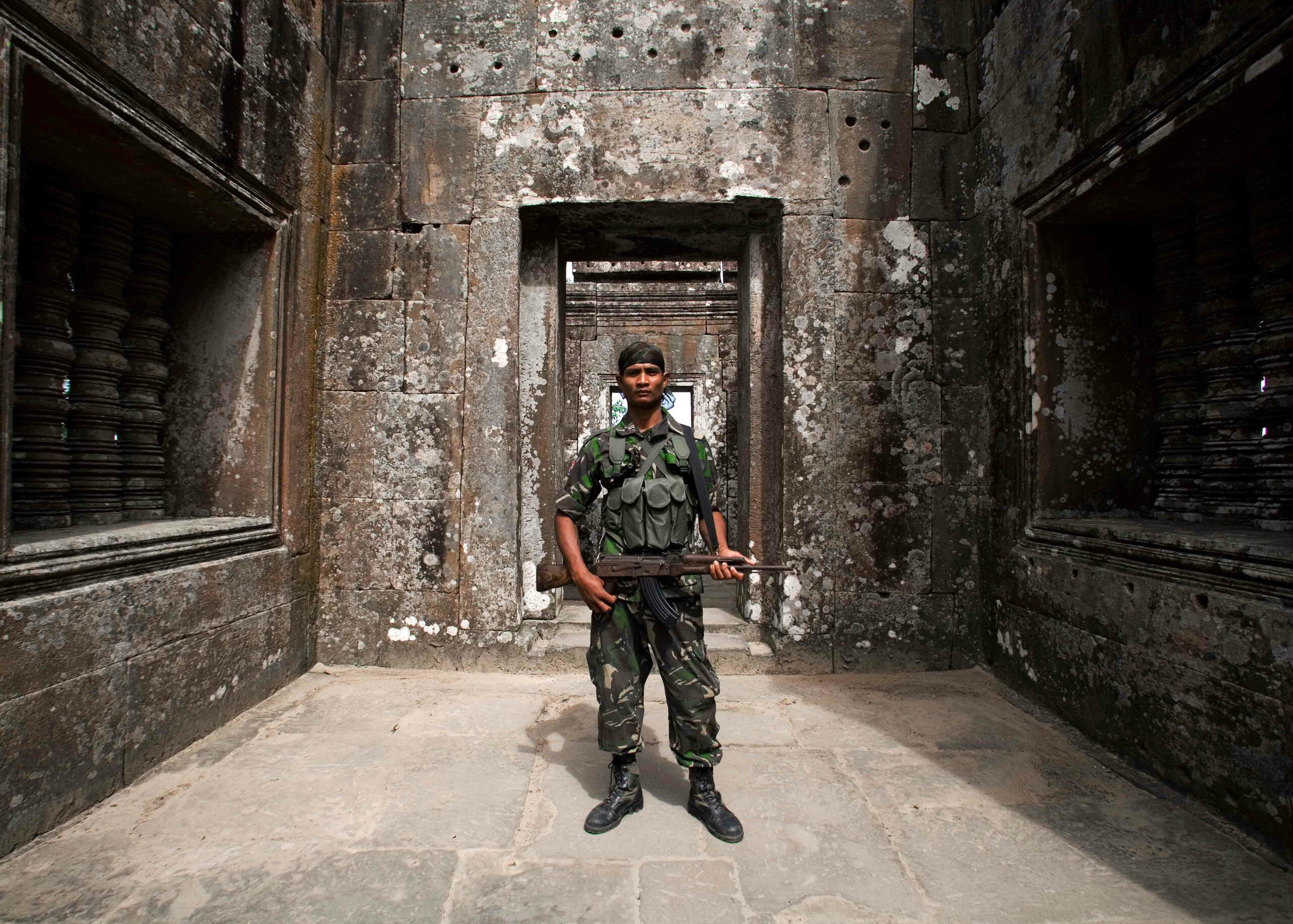
The Battle Over Preah Vihear
A territorial dispute involving a 1,100-year-old Khmer temple on the Thai-Cambodian border turns violent
 (Masuru Goto)
 -
Artifacts March/April 2013
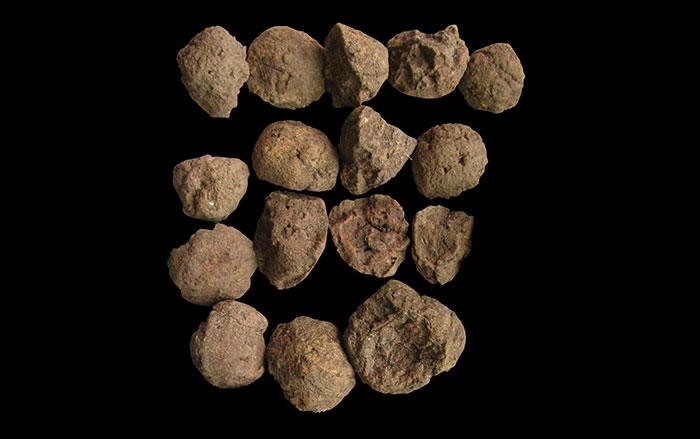
Pottery Cooking Balls
Scientific analyses and experimental ARCHAEOLOGY determine that mysterious, 1,000-year-old balls of clay found at Yucatán site were used in cooking
 (Courtesy Bolonchen Regional Archaeological Project)