JERUSALEM, ISRAEL—Road construction in the Kiryat Menachem neighborhood of Jerusalem has uncovered a ritual bath complex dating to the late Second Temple Period. The bath is notable because it was placed in an underground chamber that received rainwater from three collecting basins on the roof. The water was transported to the bath through channels. “It’s interesting to note that the bath conforms to all of the laws of kashrut, like collecting the water in it naturally, without human contact, and ensuring that the water does not seep into the earth, which is why the bath was treated with a special kind of plaster,” said Benyamin Storchan on behalf of the Israel Antiquities Authority. The bath was later used as a quarry and a cistern.
Ritual Bath Uncovered in Jerusalem
News April 10, 2013
Recommended Articles
Off the Grid January/February 2026
Prophetstown, Indiana
Letter from France January/February 2026
Neolithic Cultural Revolution
How farmers came together to build Europe’s most grandiose funerary monuments some 7,000 years ago
Features January/February 2026
The Cost of Doing Business
Piecing together the Roman empire’s longest known inscription—a peculiarly precise inventory of prices
Features January/February 2026
The Birds of Amarna
An Egyptian princess seeks sanctuary in her private palace
-
Features March/April 2013
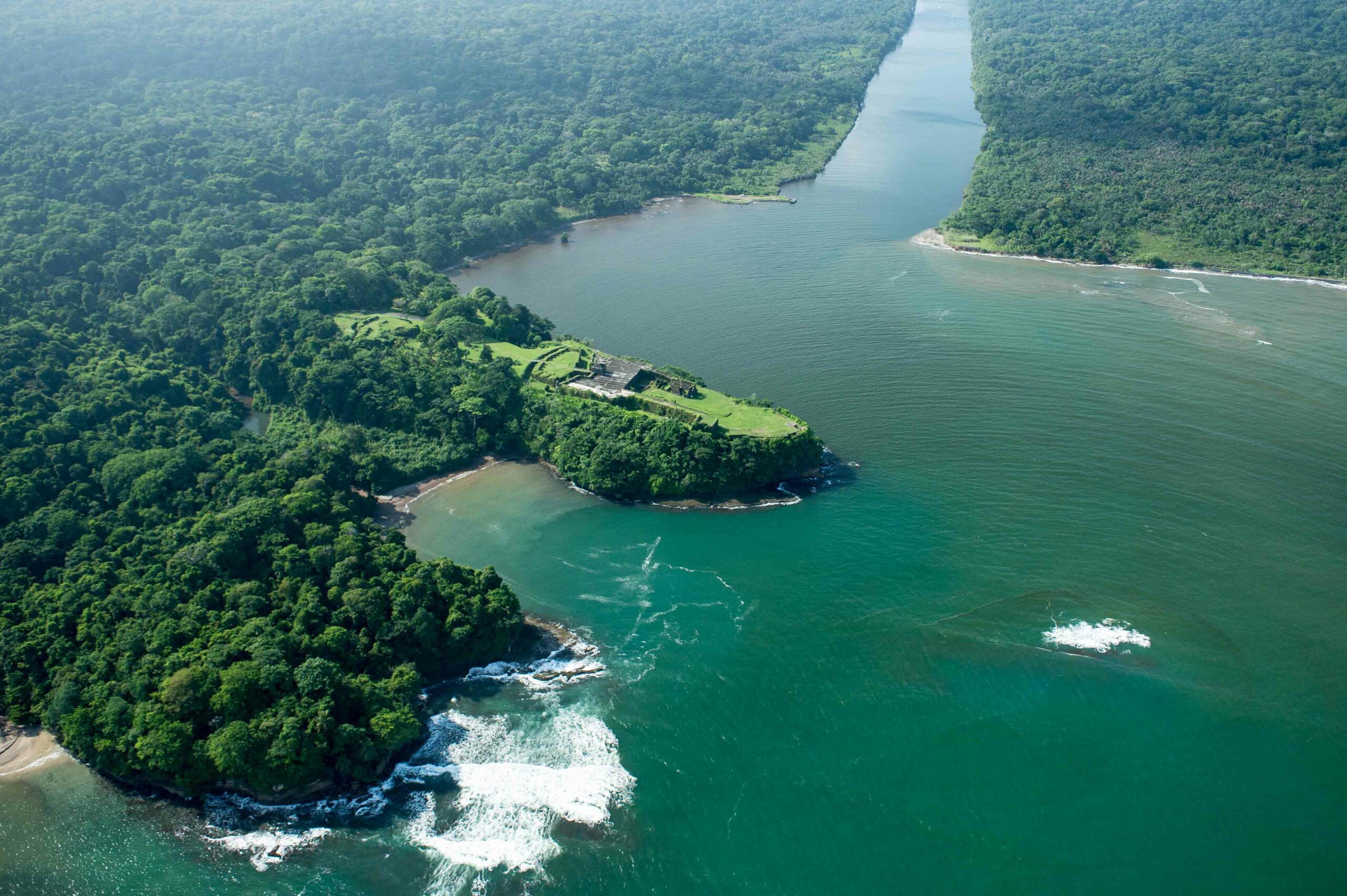
Pirates of the Original Panama Canal
Searching for the remains of Captain Henry Morgan's raid on Panama City
(Courtesy Captain Morgan Rum Co.) -
Features March/April 2013
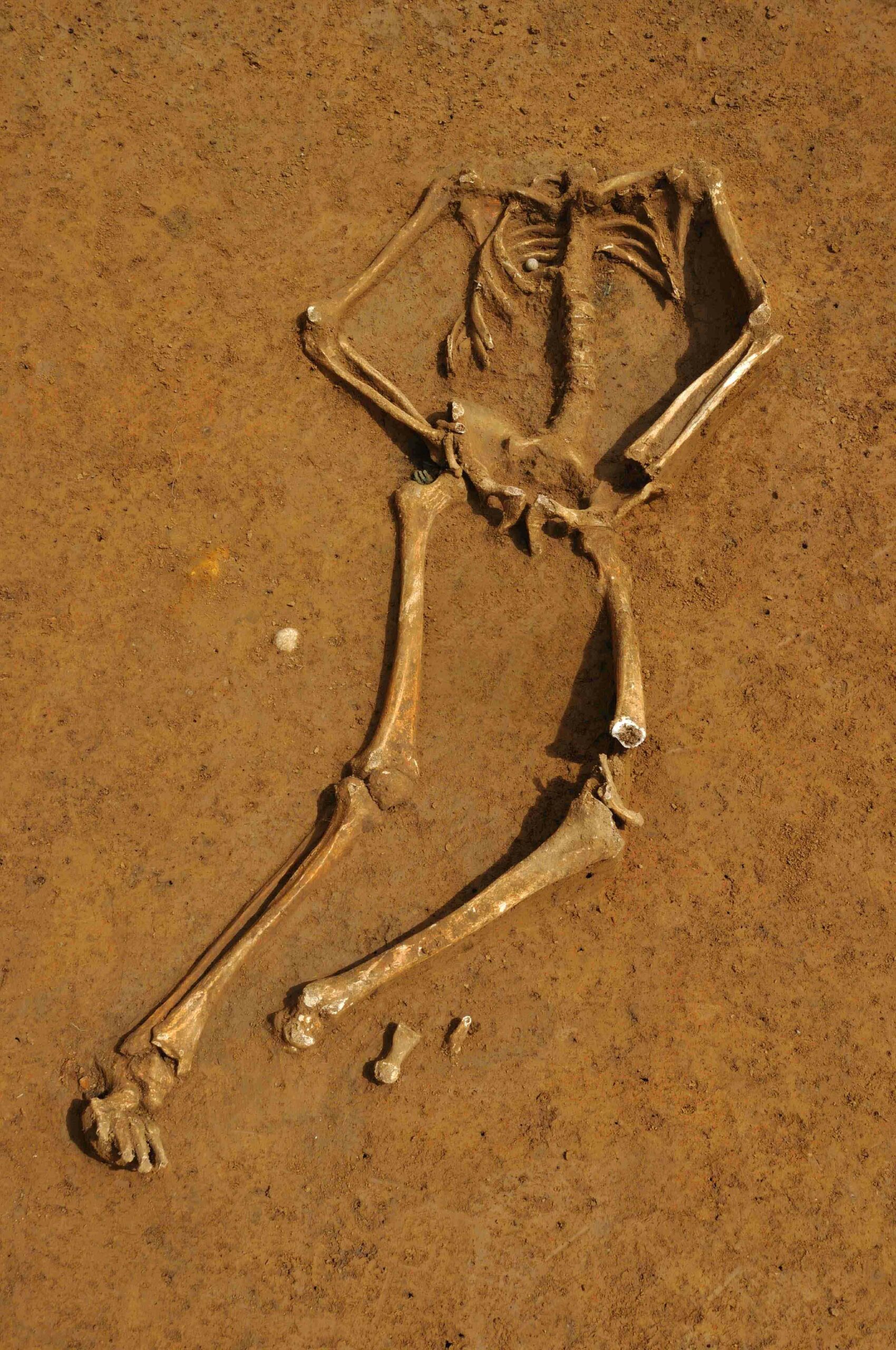
A Soldier's Story
The battle that changed European history, told through the lens of a young man’s remains
(Courtesy Dominique Bosquet) -
Letter From Cambodia March/April 2013
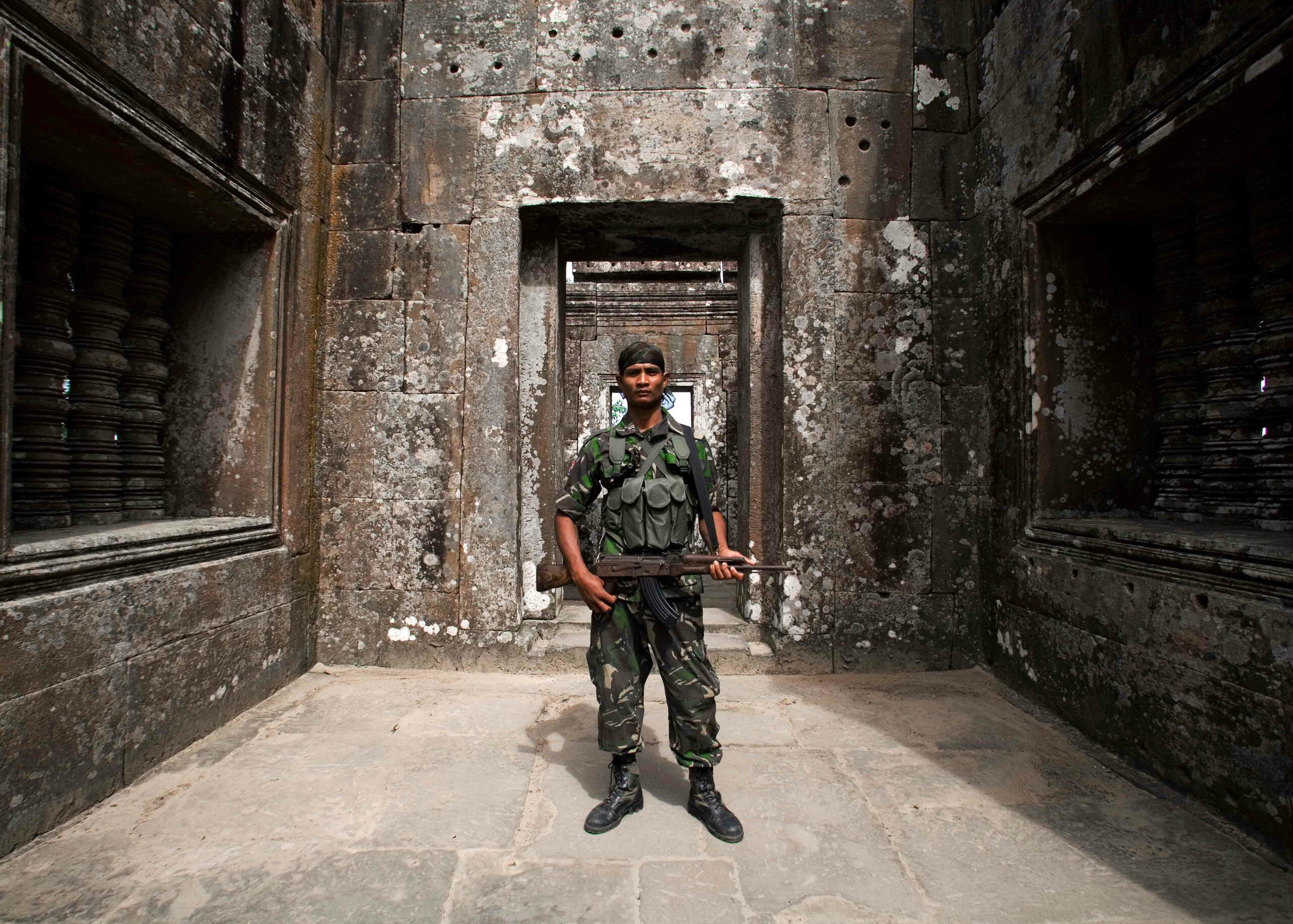
The Battle Over Preah Vihear
A territorial dispute involving a 1,100-year-old Khmer temple on the Thai-Cambodian border turns violent
(Masuru Goto) -
Artifacts March/April 2013
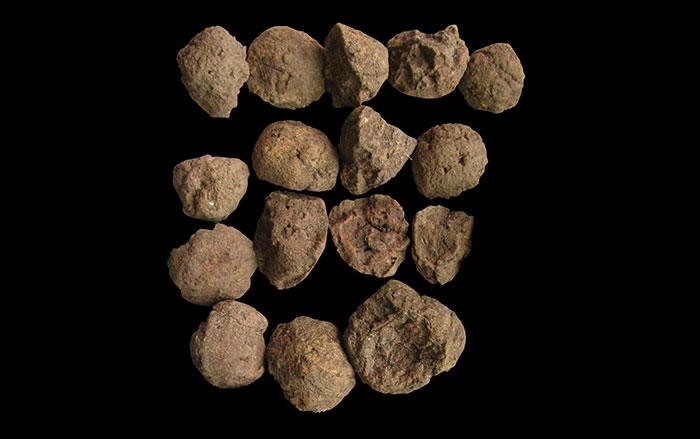
Pottery Cooking Balls
Scientific analyses and experimental ARCHAEOLOGY determine that mysterious, 1,000-year-old balls of clay found at Yucatán site were used in cooking
(Courtesy Bolonchen Regional Archaeological Project)