

LEWES, ENGLAND—More than 120 sets of human remains were found in a medieval cemetery at the site of the Hospital of St. Nicholas on England’s southern coast. Most of the skeletons show signs of leprosy and other diseases, but archaeologists suspect that one man was a soldier killed during the Battle of Lewes in 1264. He may have survived long enough to have been taken to the hospital. “The top of his skull has been sliced off with a sword. He also had terrible tooth decay and would have been in permanent pain. We’ll be looking for signs of slashes to the back of his legs because they were often hit with battleaxes while they were running away,” said Edwina Livesey of the Sussex Archaeological Society. Scientists from the University of York will carbon date the remains.
Skeleton May Be Medieval Warrior
News April 29, 2013
Recommended Articles
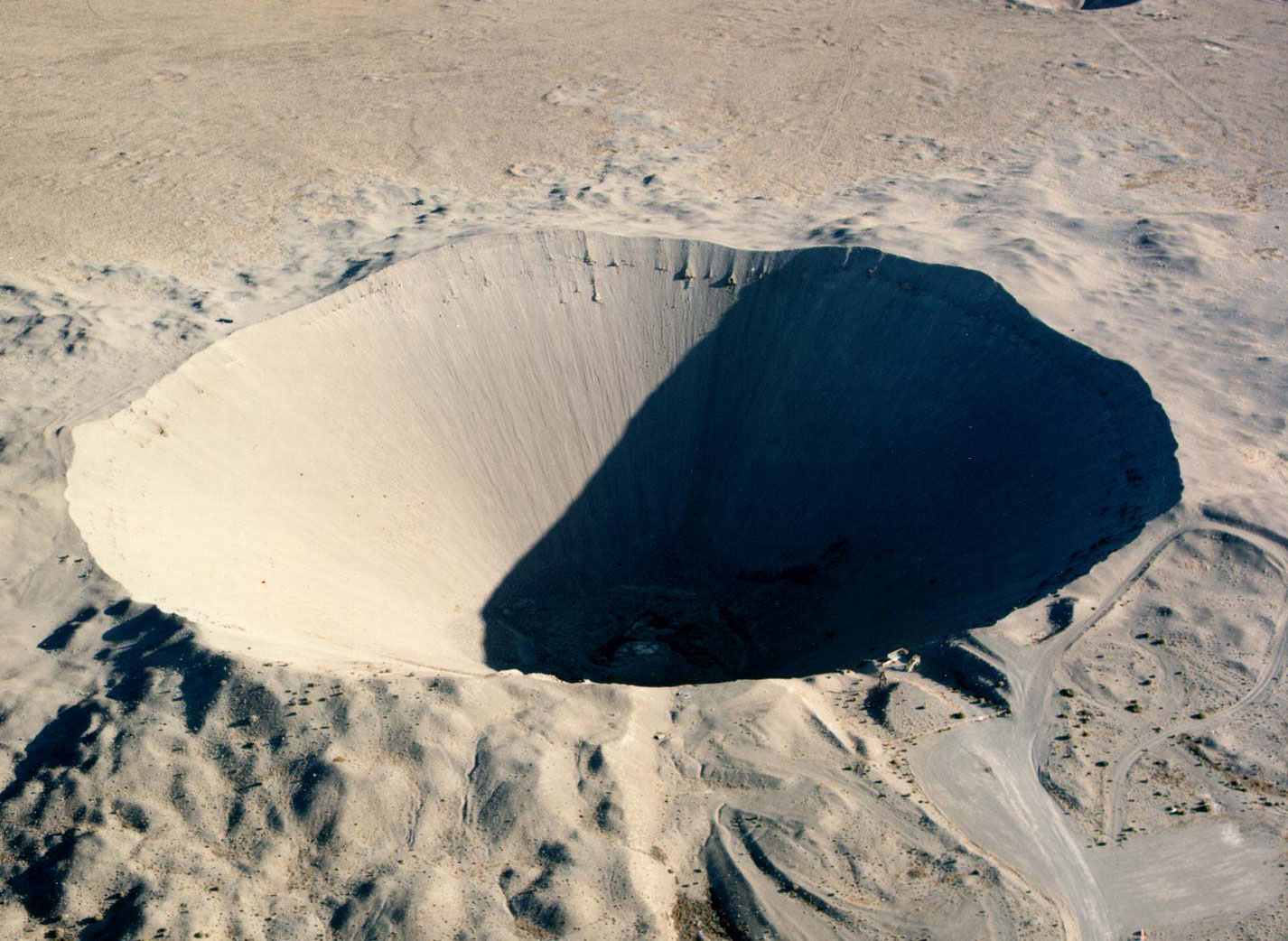
Dawn of a Thousand Suns November/December 2014
Before the Bombs
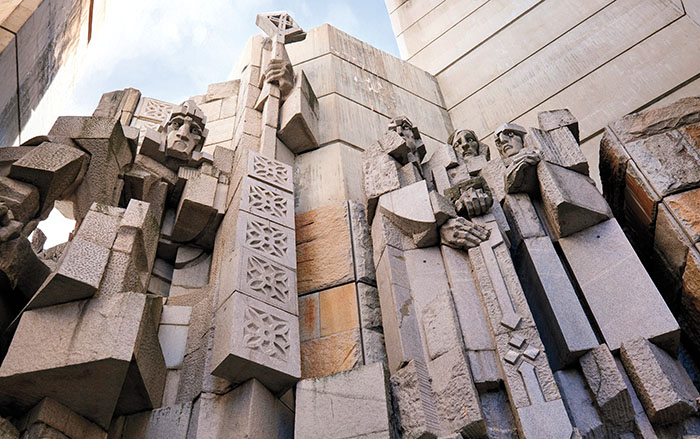
Letter from Bulgaria May/June 2026
Capitals of Khans and Tsars
The untold story of how the Bulgarian Empire challenged medieval Europe’s great powers
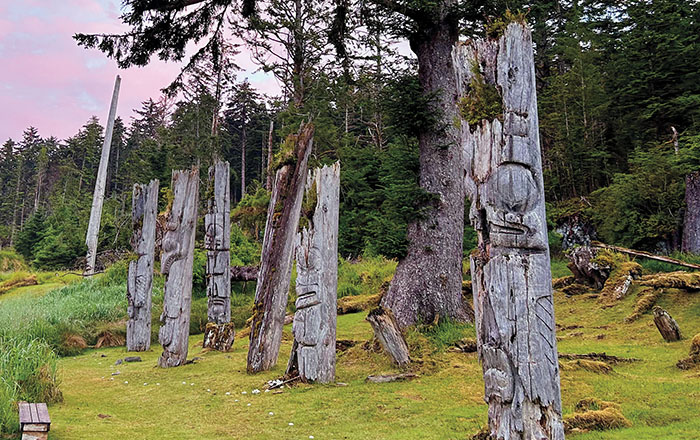
Off the Grid May/June 2026
SGang Gwaay, British Columbia, Canada
Saving an ancestral Haida village after a devastating storm
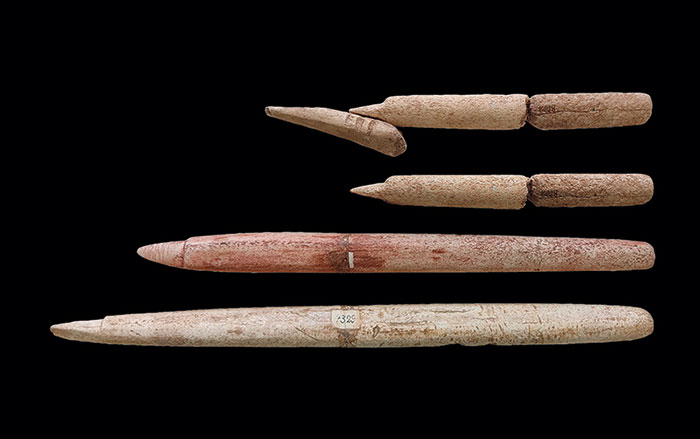
Artifacts May/June 2026
Ancient Brazilian Harpoons
For the earliest known whalers, the hunt was a deeply spiritual experience
More to Discover
Features March/April 2013
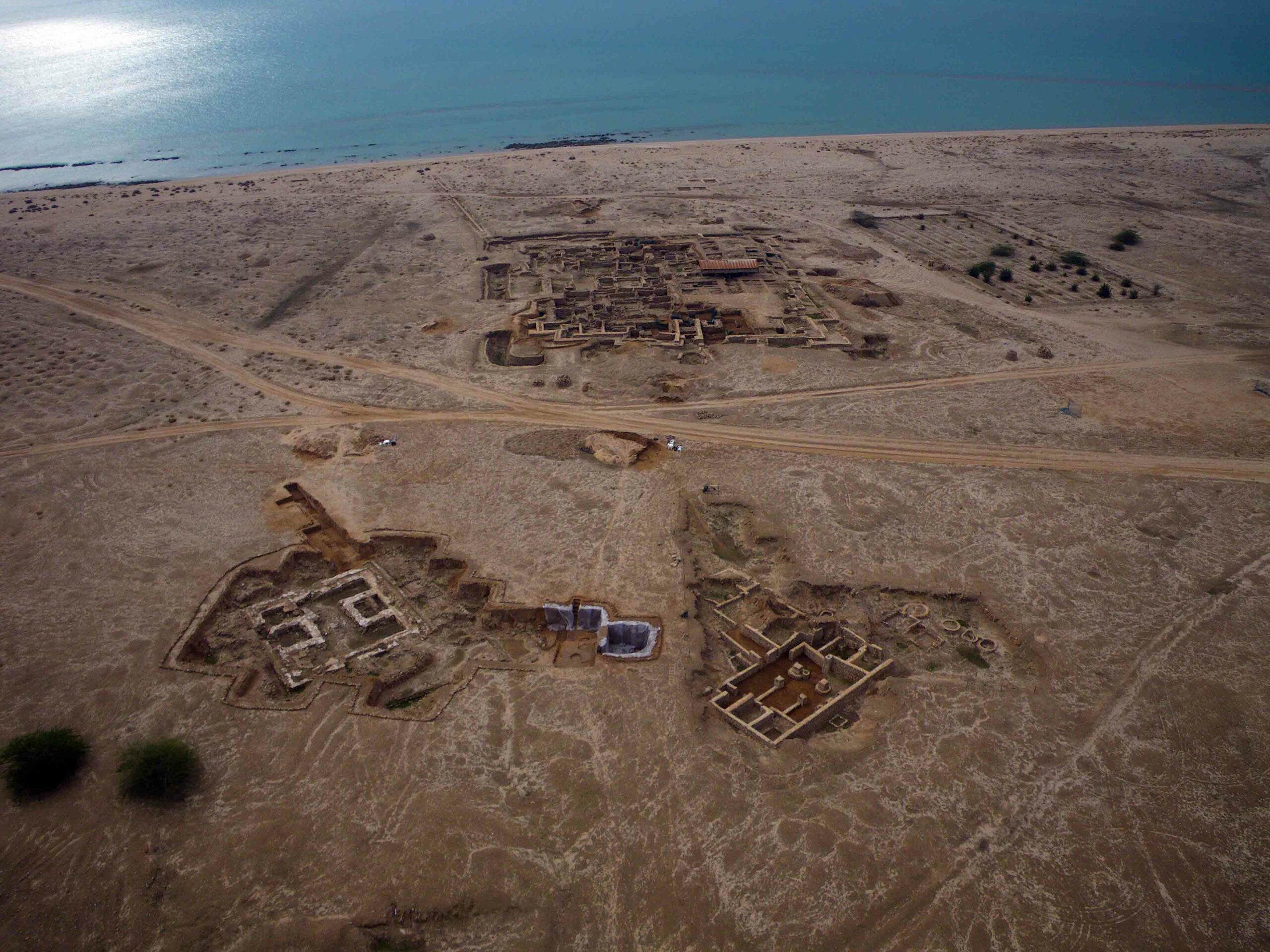
Archaeology Island
More than 4,000 years of history in only 16 square miles
-
Features March/April 2013
Pirates of the Original Panama Canal
Searching for the remains of Captain Henry Morgan's raid on Panama City
 (Courtesy Captain Morgan Rum Co.)
 -
Features March/April 2013
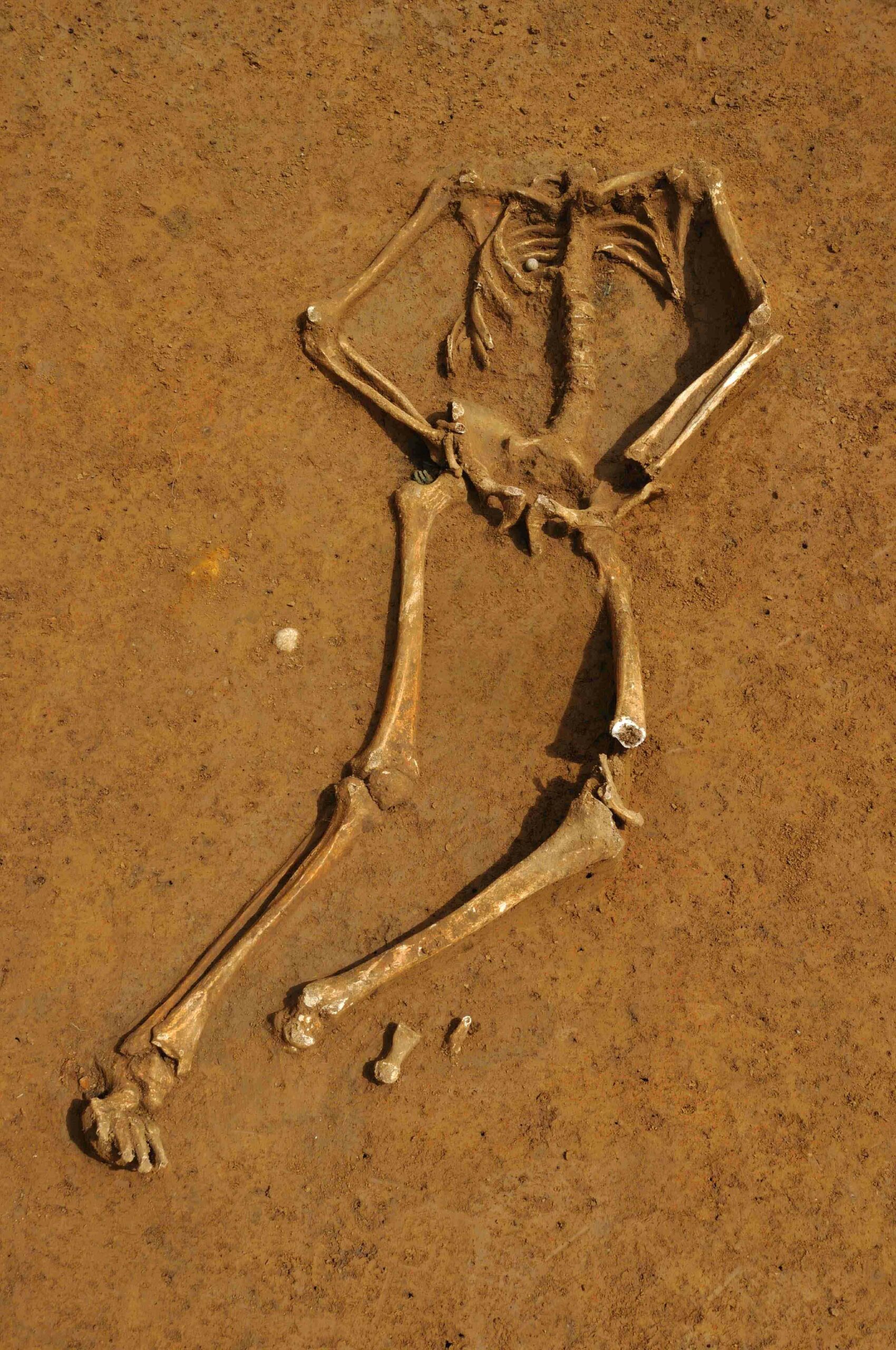
A Soldier's Story
The battle that changed European history, told through the lens of a young man’s remains
 (Courtesy Dominique Bosquet)
 -
Letter From Cambodia March/April 2013
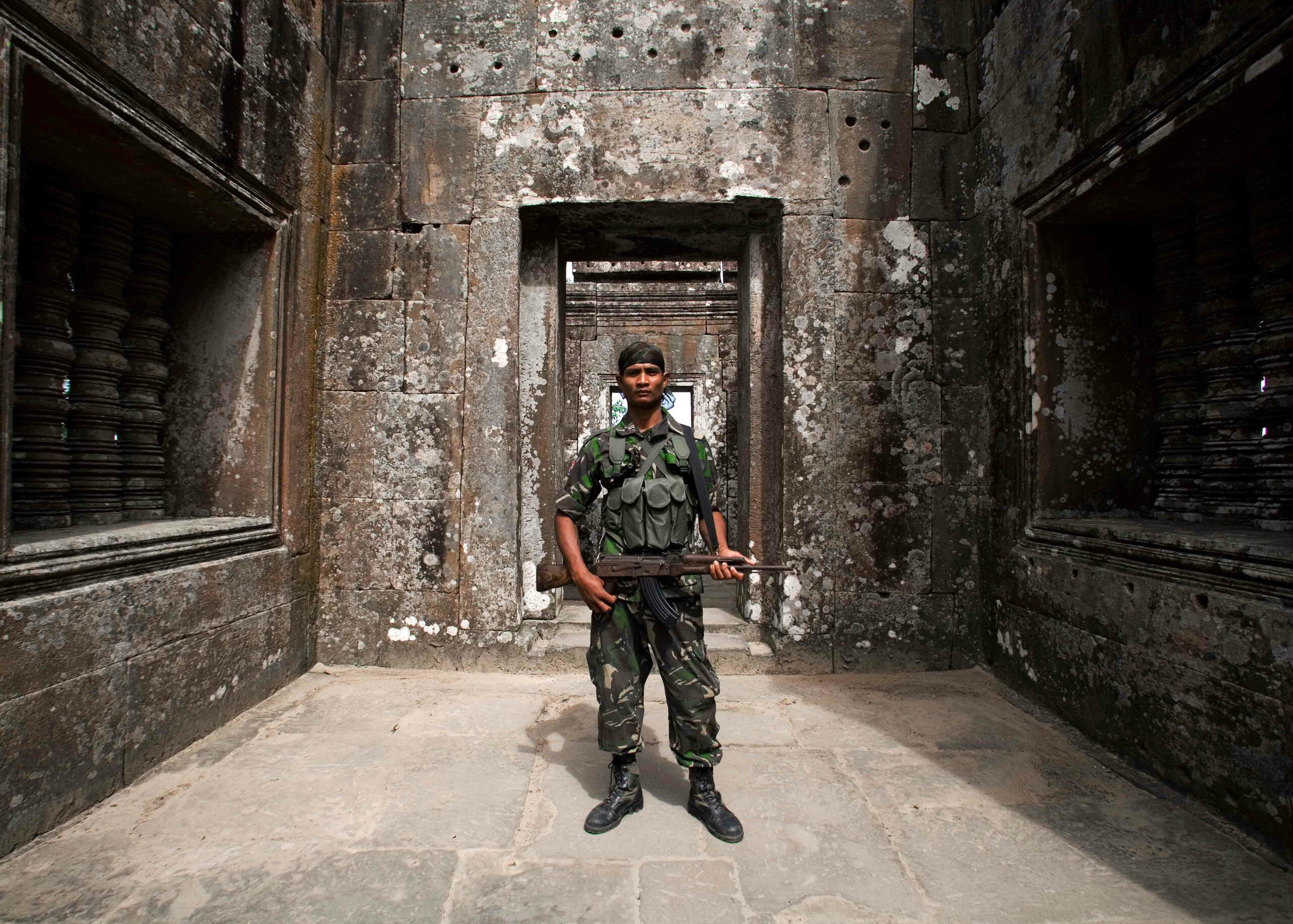
The Battle Over Preah Vihear
A territorial dispute involving a 1,100-year-old Khmer temple on the Thai-Cambodian border turns violent
 (Masuru Goto)
 -
Artifacts March/April 2013
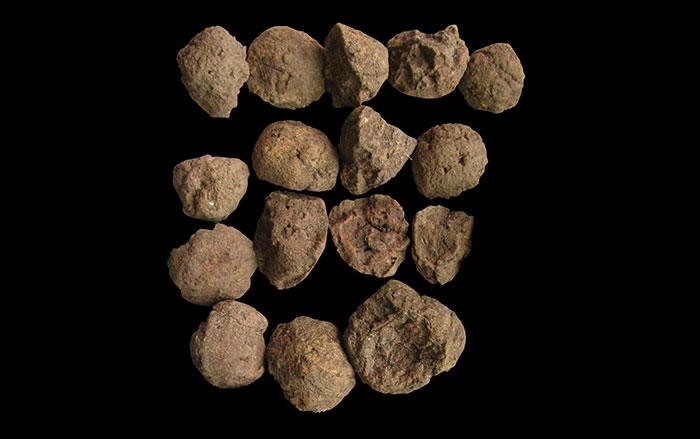
Pottery Cooking Balls
Scientific analyses and experimental ARCHAEOLOGY determine that mysterious, 1,000-year-old balls of clay found at Yucatán site were used in cooking
 (Courtesy Bolonchen Regional Archaeological Project)